Plot Explained Spoilers guaranteed!
Plot Explained

Browse by genre

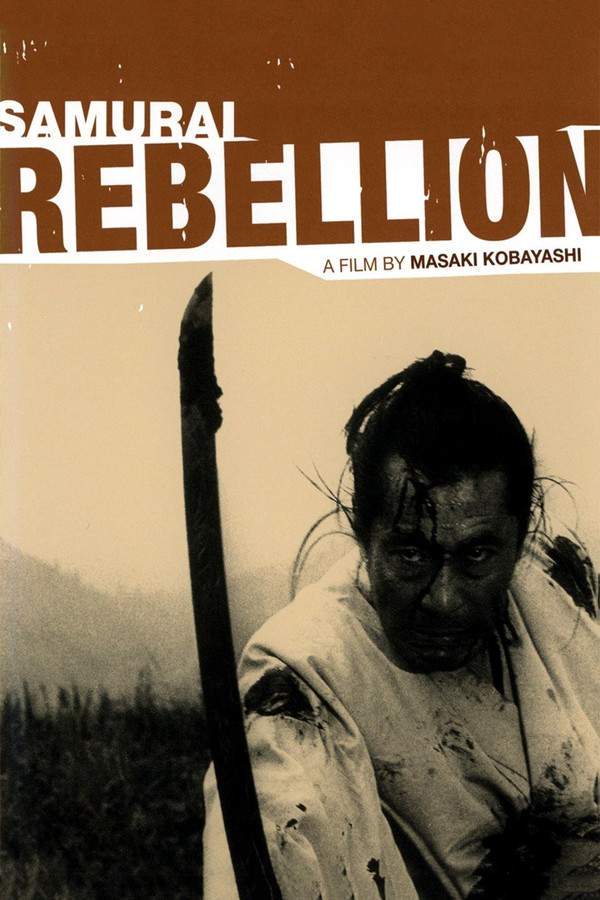
Samurai Rebellion (1967) movie poster

Timeline

Samurai Rebellion (1967) Timeline Explained – Every Event in Order

Release, runtime and language
1967 · 128 min · Japanese
Loading streaming availability…
Directed by
Masaki Kobayashi
Starring
Tatsuya Nakadai, Etsuko Ichihara, G, Isao Yamagata, Michiko Ôtsuka, Shigeru K

During feudal Japan, Isaburo Sasahara faces a profound conflict between his personal beliefs and his obligations to his clan. When his son, Ichi, falls in love with a woman named Yumi, the ruthless lord demands they be separated. Determined to protect their forbidden love, Sasahara challenges tradition and risks everything, leading to a clash that tests his honor and the loyalties of those around him. His courageous stance could either preserve their love or result in devastating consequences for his family and clan.

On this page (5)
  1. 1 Where to watch
  2. 2 Events in order (13)
  3. 3 Timeline questions answered
  4. 4 Movie threads
  5. 5 Every angle
Loading streaming availability…

13 events in order · contains spoilers

Samurai Rebellion Timeline: Events in Chronological Order

Every key event of Samurai Rebellion (1967) in order, scene by scene, with when and where it takes place. Use it to untangle flashbacks, time jumps and parallel storylines, to refresh your memory before the sequel or to find the exact scene you are thinking of.

  1. Isaburo's Loyalty to the Daimyo

    In 1725, during the Edo period in Japan, Isaburo Sasahara, a devoted vassal to the Aizu clan's daimyo Masakata Matsudaira, showcases his exceptional swordsmanship. Despite being a highly regarded samurai, Isaburo faces challenges in his personal life, particularly in his loveless marriage.

    When
    1725
    Where
    Aizu Province
  2. The Complicated Rivalry

    Isaburo shares a complex relationship with his rival, Tatewaki Asano. Their friendship is marred by competition and unspoken tensions, which sets the stage for future confrontations that intertwine their fates.

  3. Yogoro's Unexpected Marriage

    The daimyo's advisor forces Isaburo's elder son, Yogoro, into a marriage with Ichi, the daimyo's former concubine. This controversial arrangement creates turmoil, but ultimately leads to an unforeseen romance between Yogoro and Ichi.

    Where
    Aizu
  4. The Birth of Tomi

    Following their marriage, Yogoro and Ichi welcome a daughter named Tomi into their family. Their joy, however, is overshadowed by the complexities of their situation, as you couldn’t forget Ichi's contentious past and status.

    Where
    Aizu
  5. Ichi's Forced Return

    Tragedy befalls the family when the daimyo's legitimate heir dies, prompting an order for Ichi to return to the daimyo’s household. Despite their resistance, the family's safety concerns, particularly from Isaburo's younger son, force them into compliance.

    Where
    Sasahara Home
  6. Isaburo's Defiance

    In a bold display of defiance, Isaburo demands the heads of the daimyo and his advisors before he will allow Ichi to return. This ultimatum underscores the lengths he is willing to go to for his family's honor and safety.

    Where
    Sasahara Home
  7. The Demand from the Daimyo's Steward

    The daimyo's steward, accompanied by twenty samurai, arrives at Isaburo's home with an ultimatum for Ichi to renounce her marriage. The tension rises as they confront Isaburo's refusal to bend to their demands.

    Where
    Sasahara Home
  8. Ichi's Sacrifice

    Faced with insurmountable pressure, Ichi chooses to take her own life by throwing herself onto a spear. This heartbreaking decision profoundly impacts everyone involved, especially Yogoro, who rushes to her side but meets a tragic fate as well.

    Where
    Sasahara Home
  9. Isaburo's Rampage

    Overcome by grief and rage, Isaburo embarks on a violent rampage, seeking vengeance against the samurai who stood against his family. He meticulously hunts them down, leaving the steward for last as he seeks retribution for Ichi and Yogoro's deaths.

    Where
    Sasahara Home
  10. Seeking Justice

    After the funerals of his son and Ichi, Isaburo decides to seek justice from the shogun in Edo. He takes baby Tomi with him, driven by the desire to ensure that her family's sacrifices are not in vain.

    Where
    Edo
  11. Confrontation with Tatewaki

    As Isaburo attempts to pass through the gates of Edo, he encounters his friend-turned-rival Tatewaki, who stands guard. The two engage in an intense duel, reflecting their complex past and unresolved conflicts.

    Where
    Edo
  12. The Final Duel

    In a climactic battle, Isaburo defeats Tatewaki but is left vulnerable afterward. Just as he believes he can claim justice, he is ambushed by hidden assassins who fire muskets at him, sealing his tragic fate.

    Where
    Edo
  13. The Haunting Aftermath

    As Isaburo succumbs to his injuries, his loyal wet nurse takes care of the infant Tomi. The scene leaves a haunting impression of sorrow, symbolizing the cycle of loyalty and betrayal that has cost the family dearly.

    Where
    Edo

Last updated: November 16, 2024 at 18:20

Was this helpful?

Timeline questions answered

Samurai Rebellion Timeline Explained: Your Questions Answered

When does it happen, and why in that order? The questions people ask about the chronology of Samurai Rebellion (1967): time jumps, flashbacks, cause and effect between scenes and the correct order of events, each answered with spoilers.

Q1

Why is Yogoro forced to marry the daimyo's former concubine?

The daimyo's advisor forces this marriage as a political arrangement. Ichi was the former concubine of Masakata Matsudaira and mother to one of his sons. By marrying her to Isaburo's elder son Yogoro, the advisor removes her from the household while also binding her to the vassal family. The family has no choice but to comply with the daimyo's authority, despite the arrangement being socially controversial.

  • yogoro
  • ichi
  • forced marriage
  • daimyo
  • concubine
Q2

Why does Ichi have to return to the daimyo after the heir dies?

When the daimyo's legitimate heir passes away, there is an orphan left without a mother. The daimyo orders Ichi to return to his household to care for the orphaned heir, using her maternal connection to his son as justification. This order directly threatens her marriage to Yogoro and forces the family to choose between obeying the daimyo or preserving their family unit.

  • ichi
  • return
  • daimyo
  • heir
  • orphan
Q3

Why does Isaburo demand the daimyo and advisors' heads before allowing Ichi to return?

Isaburo's demand is an act of extreme defiance meant to make the daimyo's order impossible to fulfill. Rather than simply refuse, he issues an ultimatum that no ruler could accept, requiring the death of the daimyo himself and his two key advisors before he would allow Ichi to leave. This bold stance shows he is willing to risk everything rather than submit to what he sees as an unjust and cruel demand that would destroy his son's happiness.

  • isaburo
  • daimyo
  • defiance
  • ultimatum
  • heads
Q4

Why does Ichi choose to end her life rather than return to the daimyo?

Ichi kills herself to protect the Sasahara family from the consequences of defying the daimyo. With twenty samurai at the door demanding her return, she recognizes that resistance will lead to violence and likely the death of her husband and father-in-law. By taking her own life, she hopes to end the standoff peacefully and prevent further bloodshed, though her sacrifice ultimately triggers the tragic rampage.

  • ichi
  • suicide
  • sacrifice
  • protecting family
Q5

Why does Isaburo send his wife and younger son away before the confrontation?

Isaburo sends his wife and younger son away to protect them from the inevitable violence he knows will follow his defiance. He dismisses his household servants as well, understanding that the daimyo's response will be deadly. This act ensures their survival even as he prepares to confront the samurai sent to retrieve Ichi. It reflects his willingness to sacrifice his own family position for their safety.

  • isaburo
  • wife
  • youngerson
  • protect
  • safety
Q6

Why does Yogoro die when he rushes to Ichi after she kills herself?

When Ichi throws herself onto a spear, Yogoro is overcome with grief and rushes to her side. In this moment of emotional chaos, he is struck down by the samurai, either intentionally or accidentally, while embracing her dying body. This double tragedy: first Ichi's suicide, then Yogoro's death, is what sends Isaburo into his violent rampage, as he witnesses his son killed in front of him.

  • yogoro
  • death
  • ichi
  • rush
  • embrace
Q7

Why does Isaburo travel to Edo to seek justice from the shogun?

After burying Ichi and his son Yogoro, Isaburo decides to appeal directly to the shogun in Edo, the highest authority in Japan. He believes the daimyo's actions, forcing Ichi's return and causing her death, are unjust and should be judged by the shogun. He also takes baby Tomi with him, wanting to ensure her future and that her family's sacrifices are not forgotten. This journey transforms his personal grief into a quest for formal justice.

  • isaburo
  • edo
  • shogun
  • justice
  • appeal
Q8

Who attacks Isaburo after he defeats Tatewaki at the gate?

The hidden assassins who kill Isaburo are almost certainly sent by the shogun or the ruling authorities. After Isaburo defeats Tatewaki, his friend turned rival, at the gate, he believes he can finally pass through to reach the shogun. Instead, hidden marksmen ambush him with musket fire, killing him before he can deliver his appeal. This suggests the authorities wanted him dead rather than allow him to publicly challenge the daimyo's actions.

  • assassins
  • muskets
  • isaburo
  • ambush
  • shogun
Q9

Why does Tatewaki stand guard against Isaburo at the Edo gate?

Tatewaki Asano, Isaburo's longtime rival and complex friend, is positioned as the guard at the gate preventing entry to Edo. Despite their complicated history of competition and respect, Tatewaki is obligated to stop anyone attempting to breach the city without permission. He represents the authority's line of defense. Their duel is poignant because it pits two men who understand each other against each other, bound by duty rather than personal enmity.

  • tatewaki
  • isaburo
  • duel
  • gate
  • edo
Q10

What happens to Tomi, the baby, after Isaburo dies?

After Isaburo succumbs to his wounds from the musket fire, his loyal wet nurse takes care of the infant Tomi. She comforts the baby as the final image, symbolizing that despite the tragic loss of her parents and grandfather, there is still one person committed to her wellbeing. The ending leaves Tomi orphaned but cared for, a haunting reminder of the family's sacrifice and the cycle of loyalty continuing beyond the violence.

  • tomi
  • wet nurse
  • orphaned
  • ending
Q11

Why is Isaburo's rebellion against the daimyo considered justified?

Isaburo sees the daimyo's order as fundamentally unjust: forcing Ichi to abandon her husband and child to serve as a nursemaid to the heir is cruel and serves no true purpose beyond the daimyo's convenience. As a samurai, Isaburo believes honor requires him to protect his family from such unreasonable demands. His defiance represents a stand against arbitrary feudal power, making his cause understandable even as it leads to destruction.

  • isaburo
  • honor
  • defiance
  • justice
  • feudal

Movie threads

More Movies Like Samurai Rebellion, by Mood & Story

Curated lists built around what makes Samurai Rebellion tick: the same mood, the same kind of story or the same emotional payoff. Each list explains why these movies belong together.

Movies about honor versus love like Samurai Rebellion

Stories where rigid codes of duty destroy those who dare to follow their hearts. If you were moved by the tragic conflict in Samurai Rebellion, explore these films where characters face an impossible choice between personal loyalty and strict codes of duty. These stories often feature heavy emotional weight, bleak consequences, and a powerful examination of defiance within rigid systems.

  • tragic
  • defiant
  • somber
  • tense
  • grieving
  • oppressive
  • Tone: dark, tragic, defiant
  • Pacing: steady, deliberate build
Why these movies?

The story pattern: The narrative typically follows a protagonist or family whose happiness is threatened by an inflexible external power. A central relationship or personal conviction comes into direct opposition with a code of honor, clan law, or societal tradition. The story builds steadily towards an inevitable, violent confrontation, culminating in a tragic outcome that underscores the high cost of defiance.

Why they belong together: Movies are grouped here for their shared focus on the theme of individual will clashing with systemic duty. They create a similar emotional experience of tension, moral anguish, and ultimately, cathartic sadness, driven by characters making courageous but doomed stands.

Slow-burn family tragedy movies like Samurai Rebellion

Methodical stories where a family is systematically torn apart by external forces. For viewers who appreciated the methodical destruction of a family in Samurai Rebellion, this collection features stories with a steady pace and heavy mood. Discover similar movies about families facing overwhelming odds, where love and loyalty are tested to the breaking point with bleak results.

  • somber
  • melancholic
  • oppressive
  • tense
  • grieving
  • family drama
  • Tone: somber, melancholic, oppressive
  • Pacing: steady, slow burn
Why these movies?

The story pattern: The narrative begins with a relatively stable family whose peace is disrupted by a political decree, a societal injustice, or a powerful antagonist. The story unfolds not with sudden action, but with a creeping, inevitable progression of events that force family members to make increasingly difficult choices. The focus is on the emotional decay and the slow unraveling of familial bonds under sustained pressure.

Why they belong together: These films share a specific emotional rhythm: a steady, somber pacing that builds dread, a high emotional weight centered on family, and an overwhelmingly bleak tone. The experience is defined by a feeling of powerlessness against a cruel fate, making the emotional impact profound and lingering.

Every angle

Samurai Rebellion (1967) Explained: Plot, Timeline & Characters

Everything about Samurai Rebellion in one place: what happens in the plot summary, the timeline in chronological order, the characters and meaning and a spoiler-free summary. What's After the Movie adds the cast, box office and post-credit scenes.

Coming soon on iOS and Android

The Plot Explained Movie Summary App

Plot summaries, endings explained and timelines on your phone. Catch up on any movie in minutes, save your favorites and never miss a twist again.

Be the first to know when we launch. Your email stays private, always.

Learn more about the app