Plot Explained Spoilers guaranteed!
Plot Explained

Browse by genre

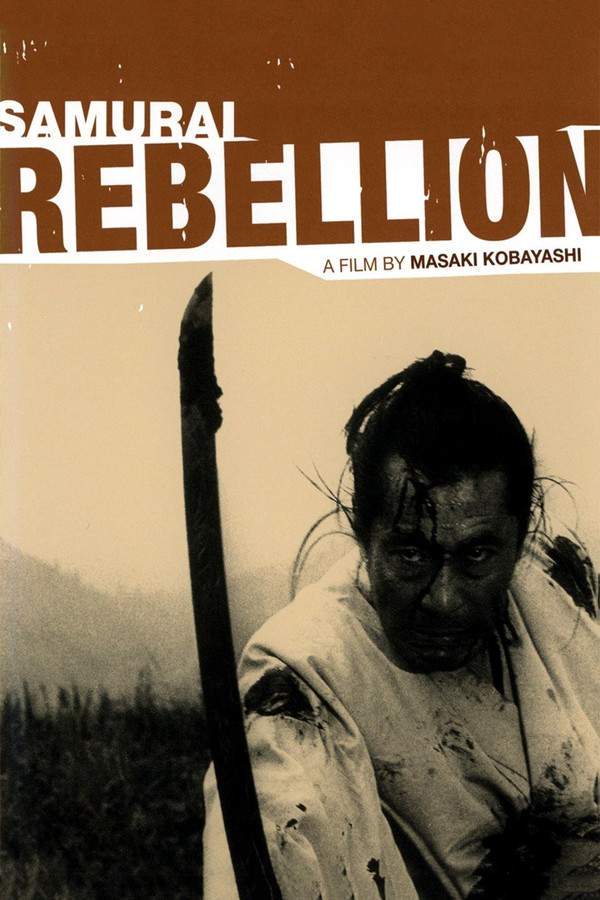
Samurai Rebellion (1967) movie poster

Characters & Themes

Samurai Rebellion (1967) Characters, Setting & Themes Explained

Release, runtime and language
1967 · 128 min · Japanese
Loading streaming availability…
Directed by
Masaki Kobayashi
Starring
Tatsuya Nakadai, Etsuko Ichihara, G, Isao Yamagata, Michiko Ôtsuka, Shigeru K

During feudal Japan, Isaburo Sasahara faces a profound conflict between his personal beliefs and his obligations to his clan. When his son, Ichi, falls in love with a woman named Yumi, the ruthless lord demands they be separated. Determined to protect their forbidden love, Sasahara challenges tradition and risks everything, leading to a clash that tests his honor and the loyalties of those around him. His courageous stance could either preserve their love or result in devastating consequences for his family and clan.

On this page (7)
  1. 1 Where to watch
  2. 2 Characters explained (3)
  3. 3 Where & when it takes place
  4. 4 Themes & meaning (2)
  5. 5 Character & meaning questions
  6. 6 Movie threads
  7. 7 Every angle
Loading streaming availability…

3 main characters · contains spoilers

Samurai Rebellion Characters Explained: Who Is Who

The main characters of Samurai Rebellion (1967), heroes and villains: what drives them, how they change over the course of the story and what each of them reveals about the film's bigger ideas.

  • Isaburo Sasahara (Toshirô Mifune)

    Isaburo is a dedicated samurai and loyal vassal, embodying the values of honor and duty. However, his commitment is tested by personal trauma and family strife, revealing a complex individual torn between his obligations and emotional turmoil. His character portrays the struggle against the confines of his social role and the tragic consequences of his choices.

    • 🥷 Samurai
    • ⚔️ Loyal
    • 😔 Tragic Hero
  • Ichi (Yôko Tsukasa)

    Ichi is a strong yet tragic character, forced into a role that sees her struggling between duty and desire. Her relationship with Yogoro highlights her desire for autonomy and love, and her heartbreaking choice at the end elevates her character to a symbol of sacrifice. Ichi's actions reverberate throughout the story, affecting all around her.

    • ❤️ Tragic Love
    • 👩‍🤝‍👨 Strength
    • 💔 Sacrifice
  • Yogoro (G)

    Yogoro is caught in a web of familial obligation and unexpected love, navigating the complex dynamics of his lineage and society. His character development is marked by his ultimately tragic romance with Ichi, showcasing his emotional depth and the struggles he faces. Yogoro's fate serves as a poignant reminder of the cost of loyalty and love in a rigid world.

    • ❤️ Tragic Love
    • 😢 Loss
    • 🐉 Duty

Last updated: October 22, 2024 at 21:24

Was this helpful?

Setting

Where and When Does Samurai Rebellion Take Place?

The setting of Samurai Rebellion (1967): the year and time period, the places and locations, and how they shape the characters, the mood and the tension of the story.

Time period

1725, Edo period

The Edo period, lasting from 1603 to 1868, was marked by relative peace and stability under the rule of the Tokugawa shogunate. However, this era also saw strict social hierarchies and the emergence of complex familial and political loyalties, highlighting the struggles and conflicts of samurai life.

Location

Aizu, Edo

The story is set in the Aizu region, known for its samurai heritage and rich cultural history during the Edo period. Edo, now known as Tokyo, was the center of political power in Japan, where the shogunate ruled. The setting accentuates the rigid social structures and the conflicts that arise within the samurai class.

  • 🏯 Historical
  • 🌸 Cultural

Last updated: October 22, 2024 at 21:24

Was this helpful?

2 major themes

Samurai Rebellion Meaning: Themes & Message Explained

What is Samurai Rebellion (1967) really about? The emotional, social and philosophical themes the film keeps returning to, its symbolism and the message beneath the surface.

  • Loyalty and Betrayal

    The film explores themes of loyalty, particularly Isaburo's dedication to his daimyo contrasted with the betrayal experienced by him and his family. It delves into the consequences of these loyalties, as personal affection and duty clash in tragic ways. The ultimate betrayal leads to a violent culmination, showcasing the personal cost of fidelity within a rigid societal framework.

  • Tragedy

    Tragedy looms over the narrative as personal loss and sacrifice resonate deeply through Isaburo’s journey. The heartbreaking decisions made by Ichi and the resulting violence leave a profound impact on the characters, highlighting the often cruel twists of fate. This theme manifests through the devastating events that unfold, leading to a haunting conclusion.

Last updated: October 22, 2024 at 21:24

Was this helpful?

Character & theme questions

Samurai Rebellion Characters & Meaning: Your Questions Answered

The questions people ask about Samurai Rebellion (1967): who the characters really are, their relationships, what the symbols mean, where it takes place and what the movie is really about. Each answer contains spoilers.

Q1

Where is Samurai Rebellion set?

The film is set in the Aizu region, a historical area known for its strong samurai heritage and rich cultural traditions during Japan's Edo period. Aizu was a significant domain under the Tokugawa shogunate, and the setting emphasizes the rigid social hierarchies and conflicts within the samurai class.

  • aizu
  • ed Japan
  • setting
  • location
  • samurai
Q2

When does Samurai Rebellion take place?

The story unfolds in 1725 during the Edo period, which lasted from 1603 to 1868 under Tokugawa shogunate rule. This era was marked by relative peace and stability but also strict social hierarchies, making it the perfect backdrop for exploring conflicts between personal desire and duty.

  • 1725
  • edo period
  • time period
  • japan history
Q3

What are the main themes in Samurai Rebellion?

The film centers on two major themes: loyalty and betrayal, and tragedy. It explores how Isaburo's dedication to his daimyo is contrasted with the betrayal he experiences, leading to devastating consequences. The tragedy theme manifests through the heartbreaking decisions made by characters, culminating in a bleak and devastating conclusion.

  • loyalty
  • betrayal
  • tragedy
  • themes
  • samurai honor
Q4

Who is Isaburo Sasahara in Samurai Rebellion?

Isaburo Sasahara is a dedicated samurai and loyal vassal portrayed by Toshirô Mifune. He embodies the values of honor and duty typical of his class, but his commitment is severely tested by personal trauma and family strife. He represents a man torn between his obligations to his lord and his emotional turmoil over his family's suffering.

  • isaburo sasahara
  • main character
  • toshirô mifune
  • samurai
Q5

Who is Ichi in Samurai Rebellion?

Ichi, played by Yôko Tsukasa, is a tragic character forced into a difficult role by society. She struggles between duty and desire, particularly in her relationship with Yogoro. Her desire for autonomy and love drives much of the film's emotional conflict, and her ultimate choice represents profound sacrifice.

  • ichi
  • yôko tsukasa
  • character
  • love interest
Q6

Who is Yogoro in Samurai Rebellion?

Yogoro is a character caught between familial obligation and unexpected love. He navigates the complex dynamics of his lineage and rigid society while pursuing a romantic relationship with Ichi. His character showcases emotional depth and illustrates the devastating cost of loyalty and love within Japan's strict hierarchical system.

  • yogoro
  • character
  • romance
  • family obligation
Q7

Why is the Aizu region important in the film?

The Aizu region was renowned for its samurai heritage and warrior traditions during the Edo period. Setting the story there allows the film to explore authentic samurai values and the conflicts that arise within this rigid class system. The region's cultural significance underscores the weight of honor and duty that characters must navigate.

  • aizu domain
  • samurai heritage
  • japanese history
Q8

What does Samurai Rebellion say about samurai loyalty?

The film presents a critical examination of blind loyalty within the samurai class. Isaburo's unwavering devotion to his lord ultimately leads to tragedy for his entire family, suggesting that rigid adherence to duty can destroy the very people one seeks to protect. The narrative shows how personal affection and duty often clash in tragic ways.

  • samurai loyalty
  • duty
  • honor
  • conflict
  • daimyo
Q9

How does the film portray forbidden love?

The forbidden love between Ichi and Yogoro serves as the catalyst for the film's tragic events. Their relationship challenges the rigid social structures of the time, and their determination to be together despite the lord's orders drives Isaburo to defy tradition. Ultimately, the film shows how love within a rigid society can lead to devastating consequences.

  • forbidden love
  • romance
  • marriage
  • social constraints
Q10

What is the message of Samurai Rebellion?

Samurai Rebellion delivers a dark commentary on the cost of unquestioning loyalty within oppressive systems. The film suggests that following orders without considering moral implications can lead to personal destruction and the crushing of individual will. Its bleak ending demonstrates how defiance against systemic cruelty often results in tragedy for those who dare to resist.

  • message
  • meaning
  • critique
  • society
  • resistance

Movie threads

More Movies Like Samurai Rebellion, by Mood & Story

Curated lists built around what makes Samurai Rebellion tick: the same mood, the same kind of story or the same emotional payoff. Each list explains why these movies belong together.

Movies about honor versus love like Samurai Rebellion

Stories where rigid codes of duty destroy those who dare to follow their hearts. If you were moved by the tragic conflict in Samurai Rebellion, explore these films where characters face an impossible choice between personal loyalty and strict codes of duty. These stories often feature heavy emotional weight, bleak consequences, and a powerful examination of defiance within rigid systems.

  • tragic
  • defiant
  • somber
  • tense
  • grieving
  • oppressive
  • Tone: dark, tragic, defiant
  • Pacing: steady, deliberate build
Why these movies?

The story pattern: The narrative typically follows a protagonist or family whose happiness is threatened by an inflexible external power. A central relationship or personal conviction comes into direct opposition with a code of honor, clan law, or societal tradition. The story builds steadily towards an inevitable, violent confrontation, culminating in a tragic outcome that underscores the high cost of defiance.

Why they belong together: Movies are grouped here for their shared focus on the theme of individual will clashing with systemic duty. They create a similar emotional experience of tension, moral anguish, and ultimately, cathartic sadness, driven by characters making courageous but doomed stands.

Slow-burn family tragedy movies like Samurai Rebellion

Methodical stories where a family is systematically torn apart by external forces. For viewers who appreciated the methodical destruction of a family in Samurai Rebellion, this collection features stories with a steady pace and heavy mood. Discover similar movies about families facing overwhelming odds, where love and loyalty are tested to the breaking point with bleak results.

  • somber
  • melancholic
  • oppressive
  • tense
  • grieving
  • family drama
  • Tone: somber, melancholic, oppressive
  • Pacing: steady, slow burn
Why these movies?

The story pattern: The narrative begins with a relatively stable family whose peace is disrupted by a political decree, a societal injustice, or a powerful antagonist. The story unfolds not with sudden action, but with a creeping, inevitable progression of events that force family members to make increasingly difficult choices. The focus is on the emotional decay and the slow unraveling of familial bonds under sustained pressure.

Why they belong together: These films share a specific emotional rhythm: a steady, somber pacing that builds dread, a high emotional weight centered on family, and an overwhelmingly bleak tone. The experience is defined by a feeling of powerlessness against a cruel fate, making the emotional impact profound and lingering.

Every angle

Samurai Rebellion (1967) Explained: Plot, Timeline & Characters

Everything about Samurai Rebellion in one place: what happens in the plot summary, the timeline in chronological order, the characters and meaning and a spoiler-free summary. What's After the Movie adds the cast, box office and post-credit scenes.

Coming soon on iOS and Android

The Plot Explained Movie Summary App

Plot summaries, endings explained and timelines on your phone. Catch up on any movie in minutes, save your favorites and never miss a twist again.

Be the first to know when we launch. Your email stays private, always.

Learn more about the app