Plot Explained Spoilers guaranteed!
Plot Explained

Browse by genre

Samurai Fury (2025) movie poster

Timeline

Samurai Fury (2025) Timeline Explained – Every Event in Order

Release, runtime and language
2025 · 2 h 15 m
Loading streaming availability…
Directed by
Yu Irie
Starring
Ken'ichi Yajima, Akira Emoto, Yûya Endô, Tomoya Maeno, Kazuki Kitamura, Tateto Serizawa

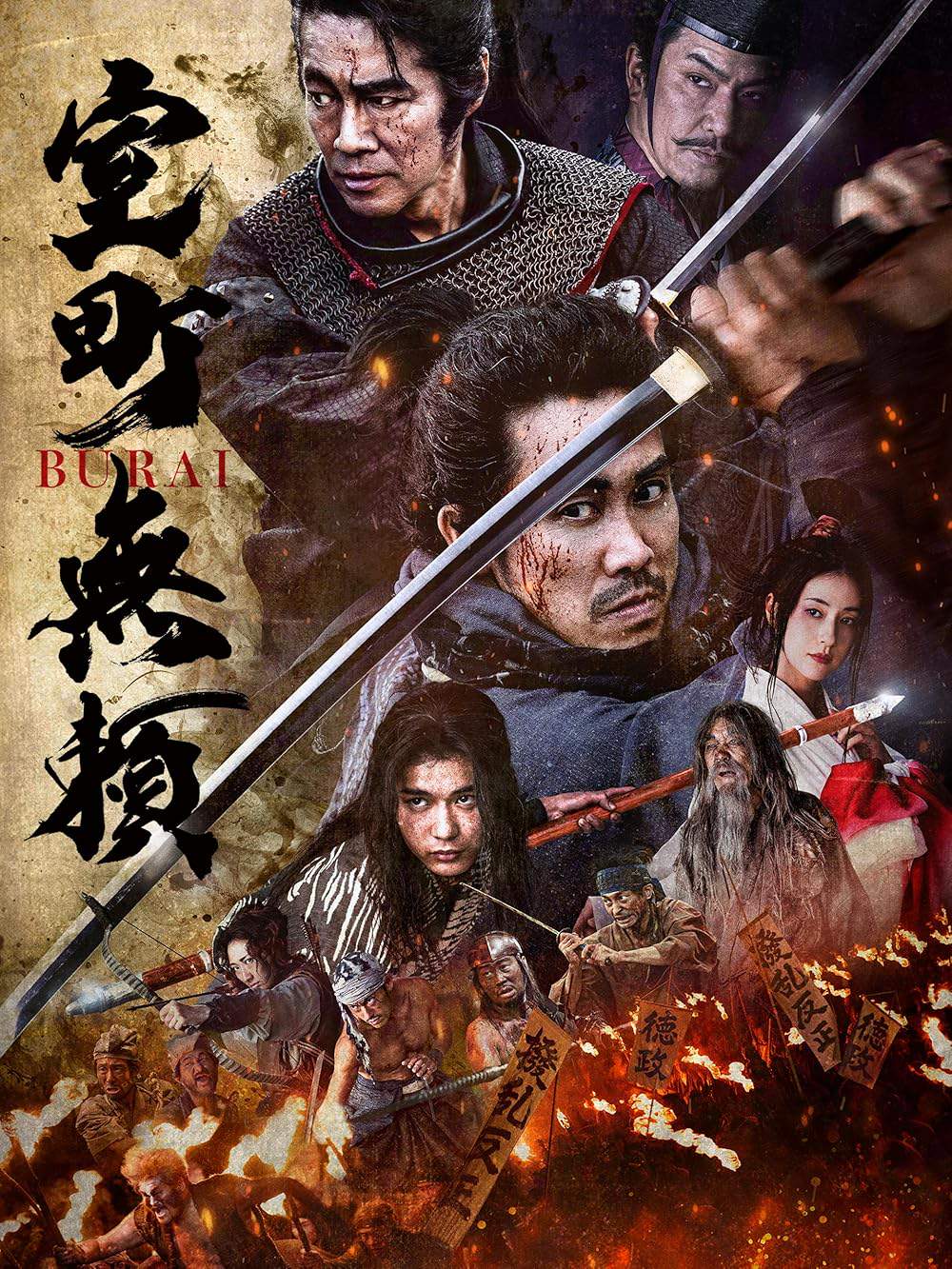
As famine and plague ravage 15th‑century Japan, a detached shogun remains inert while his people suffer. Rebellious wanderer Hasuda Hyoe, fed up with the shogun’s apathy, conspires to topple the ruler and rescue the nation from self‑inflicted ruin. Starring Ôizumi Yô (I Am a Hero) as Hyoe, the film follows his daring quest, confronting powerful forces that stand in the way of his vision for a liberated Japan.

On this page (5)
  1. 1 Where to watch
  2. 2 Events in order (15)
  3. 3 Timeline questions answered
  4. 4 Movie threads
  5. 5 Every angle
Loading streaming availability…

15 events in order · contains spoilers

Samurai Fury Timeline: Events in Chronological Order

Every key event of Samurai Fury (2025) in order, scene by scene, with when and where it takes place. Use it to untangle flashbacks, time jumps and parallel storylines, to refresh your memory before the sequel or to find the exact scene you are thinking of.

  1. The Kanshō Famine

    In the year 1461, western Japan suffers from the devastating Kanshō famine, leading to the deaths of 82,000 people due to resulting epidemics. This catastrophe occurs while the shōgun, Nawa, continues to raise taxes to support his extravagant lifestyle, ignoring the plight of the people.

    When
    1461
    Where
    Western Japan
  2. Honing the Resolve

    Hasuda Hyoe, a skilled rōnin, is called upon by Honekawa Doken, the chief of security in Kyoto, to help suppress growing unrest in Yoshizaka, Kawachi Province. Accepting the challenge, Hasuda receives both a monetary reward and an unexpected ally, an orphan named Saizō.

    Where
    Kyoto, Kawachi Province
  3. Saving Yoshizaka

    Hasuda and Saizō demonstrate their prowess when they confront and defeat a group of bandits threatening the village of Yoshizaka. After successfully defending the villagers, Hasuda warns them that the shōgunate is aware of their planned uprising, advising patience until he can assist further.

    Where
    Yoshizaka
  4. The Bonding of Heroes

    Saizō, despite being offered his freedom, decides to stay with Hasuda, eager to follow in his footsteps. They journey to Imazu, where Hasuda entrusts Saizō to Master Karasaki, allowing him to train as his apprentice for a year.

    Where
    Imazu
  5. The Year of Training

    During his year with Master Karasaki, Saizō hones his skills in combat, mastering the bō, a traditional weapon. This training fortifies his resolve for the upcoming conflict against the shōgunate, strengthening the bond between him and Hasuda.

    Where
    Master Karasaki's Training Hall
  6. Plans of Uprising

    Hasuda reunites with Saizō after his training and reveals his grand plan to lead an insurgency against the shōgunate in Kyoto. He articulates the suffering he has witnessed and claims he will only need one hour to destroy the promissory notes imprisoning the villagers.

    Where
    Undisclosed Location
  7. Call to Arms

    Word of the impending uprising spreads throughout the area, drawing in allies from other rōnin who align with Hasuda and Saizō's cause. This growing support hints at the scale of the rebellion that is about to unfold in Kyoto.

  8. The Date is Set

    Hasuda sends a crucial letter to Honekawa, announcing that the attack on Kyoto will occur on 12 September at sunrise. This planned timing is a strategic maneuver that will soon catch their enemies off guard.

    When
    12 September
    Where
    Kyoto
  9. The Night Before

    As the eve of battle approaches, Saizō sends a warning to Ho-ōji, a courtesan and Hasuda's former lover. He urges her to flee Sanjō for safety before violence erupts in the city, demonstrating the personal stakes involved.

    When
    11 September
    Where
    Sanjō
  10. The Surprise Attack

    In a tactical twist, the insurgents strike at midnight instead of the predicted sunrise, catching the city and its defenders off guard. With a formidable force of 10,000, they cut through customs stations and arm the villagers en route to Nijō.

    When
    Midnight
    Where
    Kyoto
  11. The Blaze of Rebellion

    Upon reaching Nijō, the rebels unleash their fury by igniting the monasteries and destroying the oppressive promissory notes. Although they initially celebrate their victories, they soon find themselves cornered by Honekawa's formidable samurai forces.

    Where
    Nijō
  12. The Climactic Battle

    Hasuda and Saizō rush to the scene as the insurgents face overwhelming odds, joining the brawl to support their comrades. As the battle rages on, Honekawa commands the insurgents to vacate the city amidst mounting chaos.

    Where
    Nijō
  13. Confrontation at the Palace

    By sunrise, Hasuda, Saizō, and their insurgents march bravely to Nawa's palace, where they confront Honekawa and a disoriented Nawa. Despite being temporarily overwhelmed, the rebels retaliate and engage in a fierce battle.

    When
    Sunrise
    Where
    Nawa's Palace
  14. The Fall of Nawa

    In a moment of revenge and justice, a wounded Hasuda confronts and kills Nawa, avenging the suffering of the villagers. The end of Nawa’s reign is symbolized by the rebels marking the palace gate with a sign that boldly reads 'outsider'.

    Where
    Nawa's Palace
  15. The Aftermath

    Later that day, Honekawa finds Hasuda by the river and challenges him to a duel, ultimately killing him. Saizō is spared but exiled from Kyoto for ten years, foreshadowing future conflicts and transformations in the region.

    Where
    The River

Last updated: September 18, 2026 at 08:59

Was this helpful?

Timeline questions answered

Samurai Fury Timeline Explained: Your Questions Answered

When does it happen, and why in that order? The questions people ask about the chronology of Samurai Fury (2025): time jumps, flashbacks, cause and effect between scenes and the correct order of events, each answered with spoilers.

Q1

Why did Hasuda Hyoe decide to rebel against Shogun Nawa?

Hasuda Hyoe launches his rebellion after witnessing the shōgunate's crushing response to the Kanshō famine, including Nawa's heavy taxation and the monasteries enslaving villagers through debt. When Honekawa presses him on his motives, Hasuda cites the mass suffering he has seen and vows to destroy the promissory notes holding the people captive. His insurgency is therefore driven less by personal ambition than by a calculated attempt to dismantle the systems perpetuating famine and oppression.

Foreshadowing: Early scenes establish Hasuda's anger at the burned customs station, hinting at his willingness to use destruction as a tool of liberation.

  • hasuda hyoe
  • shogun nawa
  • rebellion
  • kansho famine
  • samurai fury motivation
Q2

Why did the insurgents attack Kyoto at midnight instead of sunrise?

Hasuda deliberately sends a letter to Honekawa stating the attack would begin at sunrise on 12 September, knowing the message would be intercepted. The shōgunate commits its forces to a dawn defense, leaving the midnight hours lightly guarded. When the 10,000-strong rebel army strikes at midnight, the ruse catches samurai patrols off guard and allows the insurgents to overrun customs stations and arm villagers en route to Nijō.

Foreshadowing: Hasuda's earlier caution that the shōgunate was aware of Yoshizaka's plans shows he understood deception would be necessary.

  • midnight attack
  • sunrise deception
  • kyoto siege
  • samurai fury tactics
  • hasuda letter
Q3

Why did Nawa order the massacre of Yoshizaka?

After intercepting Hasuda's letter announcing the planned uprising, Nawa treats Yoshizaka as a test case for how to crush dissent before it spreads. He commands his army to slaughter the village as a warning to any other settlements considering revolt. The massacre explains both why Saizō rushes to warn Ho-ōji and why the insurgents arrive at Nijō driven by vengeance rather than restraint.

Foreshadowing: Hasuda had already warned the Yoshizaka villagers that the shōgunate knew of their plans, foreshadowing the violent retaliation to come.

  • yoshizaka massacre
  • nawa retaliation
  • shogunate violence
  • samurai fury plot
Q4

Why did Honekawa kill Hasuda but spare Saizō?

Honekawa tracks Hasuda to the river to settle their personal conflict, and Hasuda accepts the duel knowing it will end his rebellion. By sparing Saizō, Honekawa acknowledges that the apprentice was not the true architect of the uprising and that killing him would serve no political purpose. The exile also reflects Honekawa's lingering conflicted loyalty, punishing Saizō without extinguishing the line Hasuda began.

Foreshadowing: Honekawa's earlier, private confrontation with Hasuda over leading the uprising already signals that their friendship cannot survive the war.

  • honekawa
  • hasuda death
  • saizo spared
  • final duel
  • samurai fury ending
Q5

What does the 'outsider' sign at the palace gate symbolize?

After slaying Nawa, Hasuda and Saizō hang a sign reading 'outsider' on the main gate of the palace to declare that Nawa's authority no longer applies to anyone inside. The label reframes the shōgun's former subjects as people who no longer belong to his corrupt system. It marks the symbolic end of Nawa's tyranny even before the political aftermath plays out.

Foreshadowing: Hasuda's habit of burning and labeling sites of oppression, such as the customs station, foreshadows this final act of symbolic defiance.

  • outsider sign
  • nawa palace
  • symbolism
  • samurai fury ending
Q6

Why did Hasuda burn the customs station in Yoshizaka?

Hasuda incinerates the customs station to ignite open resistance in Yoshizaka and force the village to commit to his cause before the shōgunate can suppress them quietly. By destroying the physical apparatus of taxation, he both frees the villagers from immediate exploitation and ensures they cannot quietly back down. The act also establishes his reputation as a rōnin willing to escalate, which later helps him recruit more fighters.

Foreshadowing: The burning previews Hasuda's later tactic of using fire at Nijō to destroy promissory notes and monasteries.

  • customs station
  • yoshizaka
  • hasuda tactics
  • rebellion origin
Q7

What was Hasuda's plan to destroy the promissory notes in one hour?

Hasuda tells Honekawa he can erase the debt records and reclaim the women held by the monasteries within a single hour, using a coordinated strike on Nijō. His plan relies on the element of surprise, the size of the rebel force, and the speed of the arson at the monasteries where the notes are stored. The boast is partly psychological warfare aimed at Honekawa, but the midnight raid largely fulfills it before samurai reinforcements arrive.

Foreshadowing: His earlier statement that he needed only 'one hour' to dismantle the system prefigures the rapid, blitz-style nature of the Nijō assault.

  • promissory notes
  • one hour plan
  • nijo raid
  • debt slavery
  • samurai fury
Q8

Why did Saizō warn Ho-ōji to flee Sanjō before the attack?

Ho-ōji is Hasuda's former lover and a courtesan in Sanjō, placing her directly in the path of the coming uprising. Saizō sends the warning not just out of personal affection but also because he knows the battle will be brutal and that women tied to the rebels are at risk of retaliation. Her survival later allows the film to reunite the surviving characters after the decade of exile.

Foreshadowing: Saizō's growing attachment to Hasuda's personal life hints that he will inherit the responsibility of protecting what his mentor leaves behind.

  • saizo
  • ho-oji
  • warning letter
  • sanjō
  • samurai fury romance
Q9

Why did Saizō choose to stay with Hasuda instead of taking his freedom?

Although Hasuda offers Saizō his freedom after defending Yoshizaka, the orphan refuses because he has found a surrogate family and a cause worth fighting for. Saizō has just watched Hasuda risk his life against bandits, and the bond forged in combat outweighs the prospect of returning to an ordinary life. His decision sets up the year of apprenticeship under Master Karasaki and ultimately his role as Hasuda's successor.

Foreshadowing: Saizō's eagerness during the bandit fight already shows he idolizes Hasuda and is unwilling to walk away.

  • saizo
  • hasuda
  • mentor bond
  • freedom
  • samurai fury characters
Q10

How did Hasuda assemble an army of 10,000 rōnin for the Kyoto attack?

Once word spreads that Hasuda plans to challenge the shōgunate directly, displaced rōnin across the region flock to his banner, swelling his ranks into a formidable force. Many are men like him, masterless samurai tired of watching the peasantry suffer under Nawa's taxes and the monasteries' debts. By the time the midnight attack begins, the rebels number roughly 10,000, enough to sweep through customs stations and arm villagers en route to Nijō.

Foreshadowing: Hasuda's successful suppression of the Yoshizaka bandits serves as a recruitment demonstration for other rōnin.

  • ronin army
  • 10000 rebels
  • recruitment
  • kyoto attack
  • samurai fury
Q11

Why was Honekawa torn between his duty and his friendship with Hasuda?

Honekawa is both the chief of security in Kyoto and Hasuda's old comrade, placing him on the opposite side of the very uprising Hasuda is leading. He hires Hasuda originally to suppress Yoshizaka, then watches that same friend ignite a rebellion against the system Honekawa is sworn to protect. His internal conflict explains why he fights the rebels at Nijō but ultimately chooses a private duel rather than a public execution, and why he spares Saizō.

Foreshadowing: Honekawa's emotional confrontation with Hasuda before the uprising already foreshadows the personal duel to come.

  • honekawa doken
  • conflicted loyalty
  • friendship
  • samurai fury
Q12

Why was Saizō exiled for ten years instead of being executed?

Exiling Saizō removes him as a military threat for a decade while leaving open the possibility that he returns changed or politically useful. Honekawa also has no personal vendetta against Saizō, who was a child when the rebellion began and was acting under Hasuda's orders. The ten-year sentence conveniently pushes Saizō's story past the historical Ōnin War, allowing the film to reunite him with Ho-ōji in a transformed Japan.

Foreshadowing: Honekawa's earlier willingness to negotiate with Hasuda hints that he is capable of mercy even toward his enemies.

  • saizo exile
  • ten years
  • honekawa judgment
  • samurai fury ending
Q13

How does the 1461 Kanshō famine set the stage for the rebellion?

The Kanshō famine devastates western Japan, killing roughly 82,000 people through starvation and the epidemics that follow, while Shogun Nawa continues to raise taxes and corrupt priests enforce debt slavery. This combination of mass death and institutional indifference creates the moral and political conditions for an uprising. Hasuda's rebellion grows directly out of that crisis, framing the entire conflict as a response to a regime that profits from its people's suffering.

Foreshadowing: The summary opens with the famine's statistics, signaling that the rebellion must be read as a response to systemic failure rather than a personal vendetta.

  • kansho famine
  • 1461
  • famine japan
  • shogunate oppression
  • samurai fury context
Q14

What happens to Saizō and Ho-ōji after the uprising?

Saizō serves his ten-year exile away from Kyoto, cut off from the political life he briefly entered as Hasuda's apprentice. Ho-ōji survives because of Saizō's warning, allowing them to reunite years later during the Ōnin War. Their reunion gives the film's otherwise tragic ending a bittersweet note, suggesting that the bonds forged in the rebellion can survive even when the rebellion's leader does not.

Foreshadowing: Saizō's willingness to risk everything to warn Ho-ōji foreshadows that she will be central to his future.

  • saizo
  • ho-oji
  • onin war
  • reunion
  • samurai fury ending

Movie threads

More Movies Like Samurai Fury, by Mood & Story

Curated lists built around what makes Samurai Fury tick: the same mood, the same kind of story or the same emotional payoff. Each list explains why these movies belong together.

Movies like Samurai Fury: rebellion against a corrupt ruler

Outcasts rise against an indifferent ruler to free a suffering nation from ruin. If you liked Samurai Fury, you'll love these epic stories of insurrection against corrupt and indifferent rulers. Explore feudal rebellions, samurai uprisings, and historical dramas where desperate heroes topple tyrants, liberate suffering peoples, and pay a heavy personal price for toppling an unjust regime.

  • rebellious
  • political
  • epic
  • dark
  • somber
  • brutal
  • Tone: dark, tragic, rebellious
  • Pacing: variable, deliberate build into kinetic action
Why these movies?

The story pattern: A callous or corrupt ruler allows mass suffering while clinging to power. A rebellious outsider — often a warrior without a master — refuses to stay silent and begins assembling a small band of conspirators. The plot moves from quiet planning and recruitment into open rebellion, with betrayals, ambushes, and a climactic confrontation that overthrows the regime. Victory is real but always bittersweet, with key figures lost along the way and the new order left uncertain.

Why they belong together: These films share a structural backbone: an unjust leader, a clearly drawn rebellion, and a high personal toll. They combine political corruption, class oppression, and kinetic battle sequences with somber, historically grounded atmospheres. Tone is dark and weighty, pacing builds deliberately before erupting into combat, and the ending earns its triumph through loss rather than easy heroism.
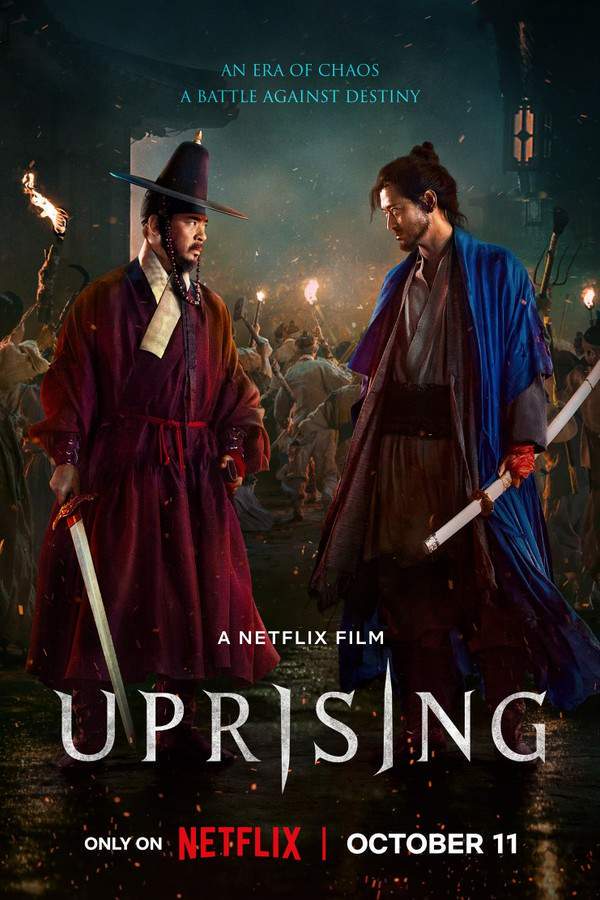
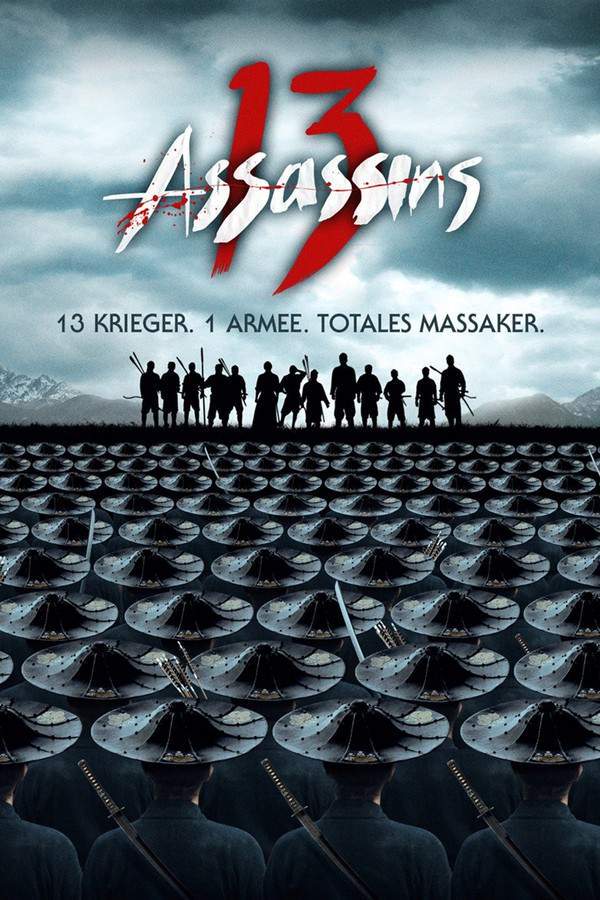
Movies like Samurai Fury with a tragic mentor bond

A mentor teaches, fights, and falls — leaving the student to carry the burden forward. Fans of Samurai Fury's heavy mentor-apprentice storyline will be drawn to these films where a seasoned warrior trains a younger student at great cost. Expect deeply emotional character arcs, a mentor whose fate ends in tragedy, and a student who must carry forward the fight, ideology, or cause long after the teacher is gone.

  • mentor bond
  • tragic
  • sacrifice
  • coming of age
  • legacy
  • heartbreaking
  • Tone: somber, tragic, bittersweet
  • Pacing: variable, relationship-driven build into action
Why these movies?

The story pattern: An experienced fighter or leader takes on a younger protégé, often in the midst of wider conflict. Training scenes, small acts of wisdom, and shared hardship build a tight emotional bond. As the rebellion or war escalates, the mentor becomes a pivotal target — captured, martyred, or forced into a fatal duel. The student, now carrying grief and responsibility, must finish what the mentor started, and the story closes with the torch passed and the legacy preserved through loss.

Why they belong together: These films center on the same emotional engine: a teacher who gives everything and a student who survives to honor that sacrifice. They share a heavy, somber mood, dark historical or action-drama tone, and bittersweet endings that resolve the larger conflict but not the personal wound. The mentor-apprentice dynamic, sacrifice, and inheritance of cause form the emotional spine of each recommendation.

Every angle

Samurai Fury (2025) Explained: Plot, Timeline & Characters

Everything about Samurai Fury in one place: what happens in the plot summary, the timeline in chronological order, the characters and meaning and a spoiler-free summary. What's After the Movie adds the cast, box office and post-credit scenes.

Coming soon on iOS and Android

The Plot Explained Movie Summary App

Plot summaries, endings explained and timelines on your phone. Catch up on any movie in minutes, save your favorites and never miss a twist again.

Be the first to know when we launch. Your email stays private, always.

Learn more about the app