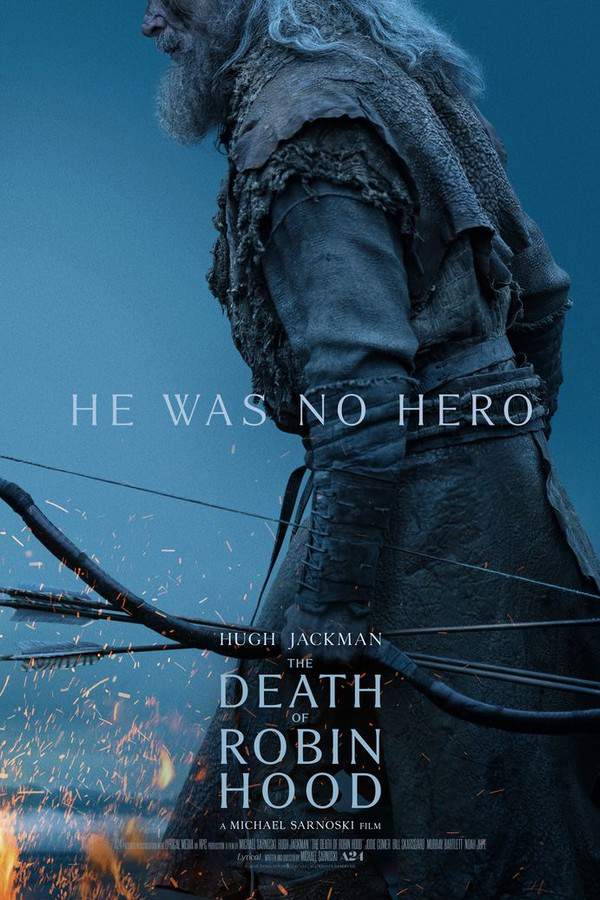
The Death of Robin Hood
Year: 2026
Runtime: 2 h 3 m
Language: english
Director: Michael Sarnoski
Echo Score: 71Budget: $25M
Haunted by a lifetime of crime and murder, Robin Hood confronts his tormented past as a brutal battle leaves him mortally wounded, a fight he believed would be his final one. A mysterious woman discovers him, tending his injuries and presenting a perilous opportunity for redemption and salvation.
Where to Watch The Death of Robin Hood?
Find where to stream, rent, or buy The Death of Robin Hood (2026) in the US with current JustWatch availability, up-to-date pricing, and platform listings for subscription, rental, and digital purchase options.







Warning: spoilers below!
Haven’t seen The Death of Robin Hood yet? This summary contains major spoilers. Bookmark the page, watch the movie, and come back for the full breakdown. If you're ready, scroll on and relive the story!
Timeline & Setting – The Death of Robin Hood (2026)
Explore the full timeline and setting of The Death of Robin Hood (2026). Follow every major event in chronological order and see how the environment shapes the story, characters, and dramatic tension.
Last updated: July 26, 2026 at 07:28
Main Characters – The Death of Robin Hood (2026)
Meet the key characters of The Death of Robin Hood (2026), with detailed profiles, motivations, and roles in the plot. Understand their emotional journeys and what they reveal about the film’s deeper themes.
Last updated: July 26, 2026 at 07:28
Major Themes – The Death of Robin Hood (2026)
Explore the central themes of The Death of Robin Hood (2026), from psychological, social, and emotional dimensions to philosophical messages. Understand what the film is really saying beneath the surface.
Last updated: July 26, 2026 at 07:28
The Death of Robin Hood (2026) Character & Theme Questions Answered – Info FAQ
Browse frequently asked questions about The Death of Robin Hood (2026) focused on characters, relationships, themes, symbols, setting, and story context. This movie info FAQ gives spoiler-aware explanations for character arcs, world details, and thematic interpretation so readers can better understand what the film is really about.
Where does the story take place?
The Death of Robin Hood is set in medieval England, with major action unfolding across the wild countryside, Hendrie's Farm, and the Priory of St. Clement on a remote, wind-swept island. The stark rural landscapes underscore the isolation of the characters, while the priory stands as a rare sanctuary amid the surrounding feudal violence.
What time period is the film set in?
The story takes place in 1247, during a period when England was a fragile feudal society shaped by outlaws, shifting allegiances, and brutal enforcement of power. Monasteries served as rare havens from the endemic violence of the countryside, framing the harsh realities that define Robin Hood's legend in this version.
What is the Priory of St. Clement and what role does it play?
The Priory of St. Clement is a secluded monastic house on a remote coastal island that functions as the story's sanctuary. Led by a prioress, it offers shelter to the wounded and serves as both a physical and moral refuge from the surrounding feudal conflict, giving Robin Hood a place to confront his past.
Who is Robin Hood in this version of the story?
Rather than the traditional heroic outlaw, The Death of Robin Hood presents its protagonist as an aging man haunted by a lifetime of murder and violence. He retreats from his legend, lives under aliases, mentors a younger girl, and wrestles with whether a quieter form of justice is still possible for him.
Who is Sister Brigid and what is her role?
Sister Brigid is the prioress of the Priory of St. Clement who tends to Robin Hood's injuries after a brutal battle. Carrying her own trauma tied to his past, she offers a path toward healing and is gradually drawn toward mercy rather than vengeance as her empathy grows.
What are the main themes of The Death of Robin Hood?
The film is built around four interlocking themes: redemption through confronting a violent past, the inescapable weight of guilt, the generational choice between vengeance and mercy, and the tension between hidden identity and the true self. Each theme is reflected in the moral reckoning of the central characters rather than through grand speeches.
What does the film say about vengeance versus mercy?
The Death of Robin Hood portrays vengeance as a cycle that distorts generations, drawing families into feuds that echo old wounds. Through the Hendrie conflict and Robin Hood's choices, the film argues that mercy is the only force capable of breaking the cycle and allowing the living to heal.
Who is Margaret and why is she important?
Margaret is the daughter of John, sheltered by Robin Hood and trained in survival skills like hunting and tracking. She represents innocence amid the surrounding violence, and her quiet bond with Robin becomes the emotional core of the story, shaping his path toward some form of redemption.
What role does the Hendrie family play in the story?
The Hendries embody the generational cost of feuding, spanning a patriarch, elders, and children drawn into a vendetta rooted in past harms. Their conflict mirrors Robin Hood's own struggle, making the family a central lens through which the film explores cycles of revenge and the possibility of breaking them.
How does identity function as a theme in the film?
Identity is treated as a performance throughout the film, with Robin Hood hiding behind aliases like Edward and Randolph, while other characters conceal who they truly are. This tension between who people are and who they pretend to be drives pivotal decisions and shapes the moral reckonings at the heart of the story.
What kind of tone and style does the film have?
The Death of Robin Hood is a dark, revisionist deconstruction of the Robin Hood myth defined by atmospheric dread, contemplative pacing, and heavy moral weight. It strips away traditional heroism in favor of a melancholic, brutal portrait of guilt and trauma, with violence that feels sudden and personal rather than romanticized.
How does the film reinterpret the Robin Hood legend?
The Death of Robin Hood reimagines the outlaw not as a folk hero but as a broken, aging man confronting the human cost of his violence. The legend is reduced to questions of guilt, hidden identity, and whether redemption is possible for someone defined by brutality, with the familiar trappings of heroism deliberately stripped away.
Who is the Leper and what role does he play?
The Leper is a caretaker with a hidden past who recognizes Robin Hood from old feuds. He functions as a quiet moral guide, urging Robin toward a path of peace and warning him to keep dangerous truths hidden from those around him.

Explore Movie Threads
Discover curated groups of movies connected by mood, themes, and story style. Browse collections built around emotion, atmosphere, and narrative focus to easily find films that match what you feel like watching right now.
Dark myth deconstruction movies like The Death of Robin Hood
Heroic myths unmasked to reveal the blood, guilt, and broken men beneath.Movies like The Death of Robin Hood that deconstruct familiar legends to reveal the grim truth beneath the myth. If you liked this brutal, revisionist take on Robin Hood, you'll find more films that reimagine iconic heroes as flawed, haunted, and morally compromised figures whose legends cost far more than anyone admits.
The Death of Robin Hood
2026
True Legend
2011
Conquest
1983
Darkman
1990

The Dark Valley
2014

The Revengers
1972

Darkman III: Die Darkman Die
1996
Legend
2015

Lord of Illusions
1995
Conan the Barbarian
2011
Legionnaire
1998

The Sword of the Barbarians
1982
Diablo
2016

Eastern Condors
1987
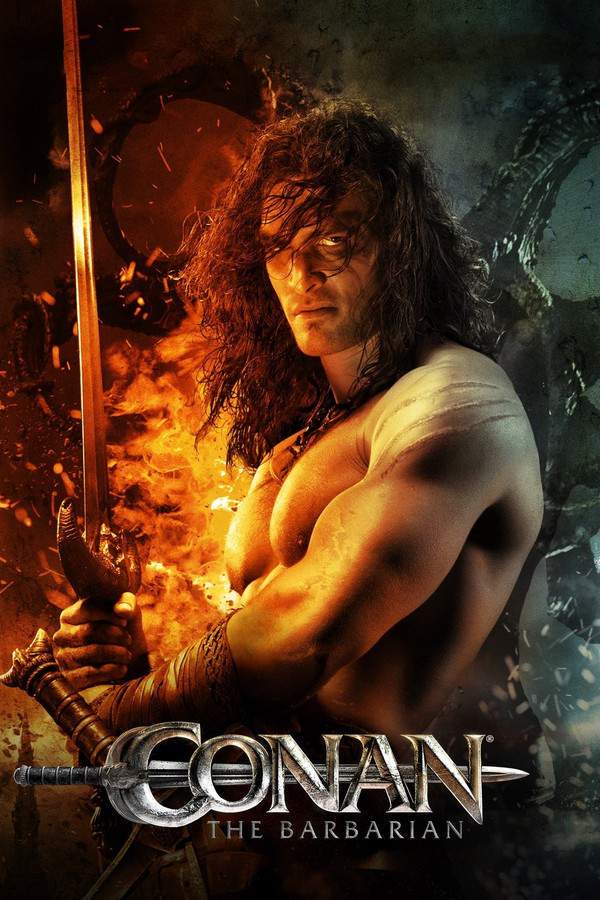
Conan the Barbarian
1982
Narrative Summary
These films usually begin with the icon already in decline, then peel back layers of legend to expose trauma, complicity, and violence. The narrative weaves between past sins and present reckoning, building toward a moment of hard-won, often bitter peace or death. Heroes are haunted by the gap between who they were told to be and what they actually did, and the audience is asked to sit with that discomfort rather than cheer.
Why These Movies?
They share a willingness to puncture heroic archetypes, a tone that is relentlessly serious and dark, and an interest in the human cost of legend. They tend toward heavy or graphic violence, sparse or absent humor, contemplative pacing that lets guilt breathe, and endings that refuse clean heroism in favor of bittersweet or bleak closure.
Bleak films about guilt and mortality like The Death of Robin Hood
Violent lives measured against hushed grief, memory, and a fragile peace.Movies like The Death of Robin Hood that center on guilt, mortality, and the long shadow of a violent past. If you liked this film's contemplative bleakness and its slow, somber stretches punctuated by brutal violence, you'll find more heavy dramas where broken protagonists finally face the cost of their crimes and seek some form of redemption or peace.
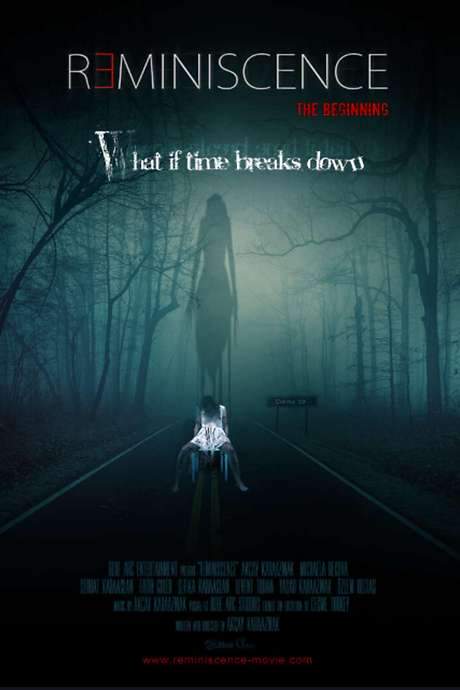
Reminiscence
2014

Another World
2012
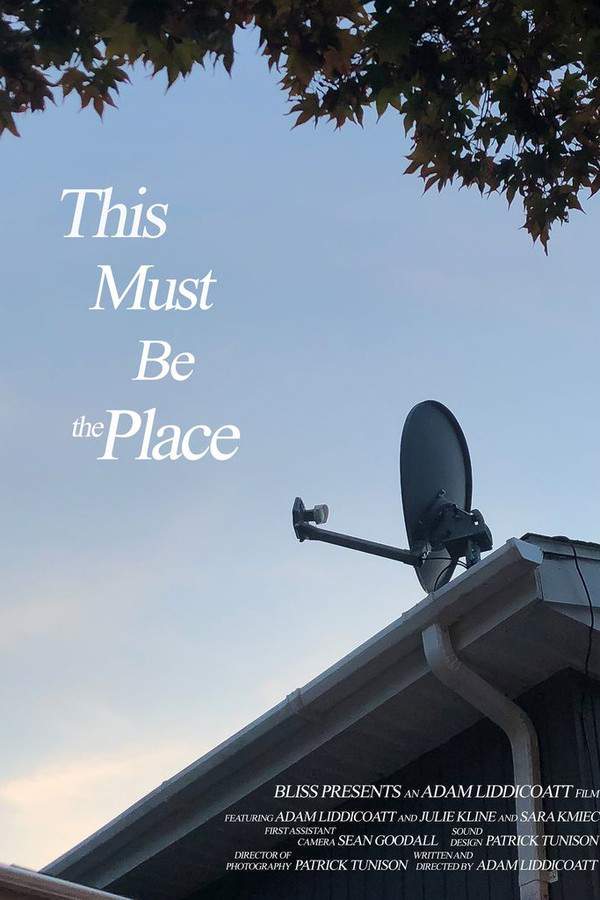
This Must Be the Place
2024
Ballad of a Small Player
2025
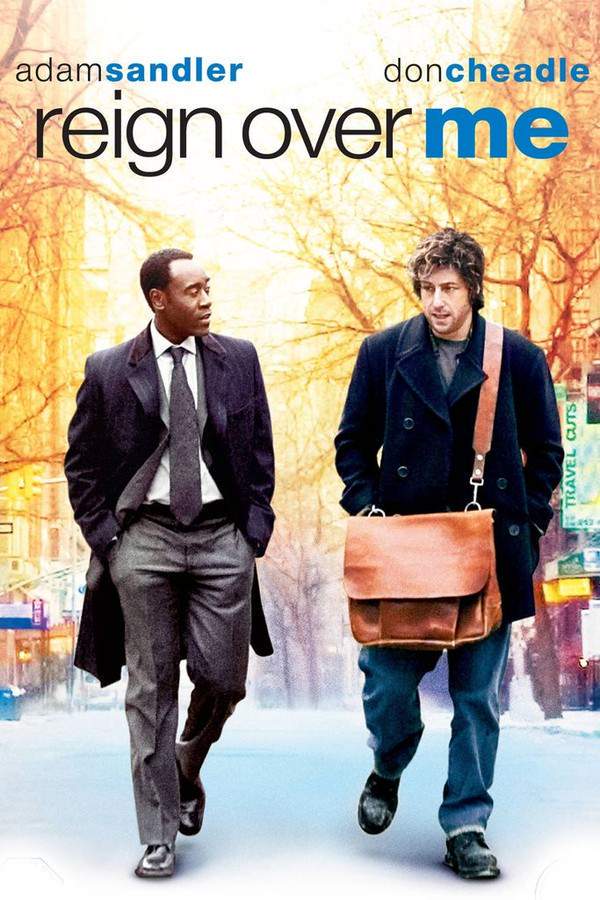
Reign Over Me
2007

The Sound and the Fury
1959
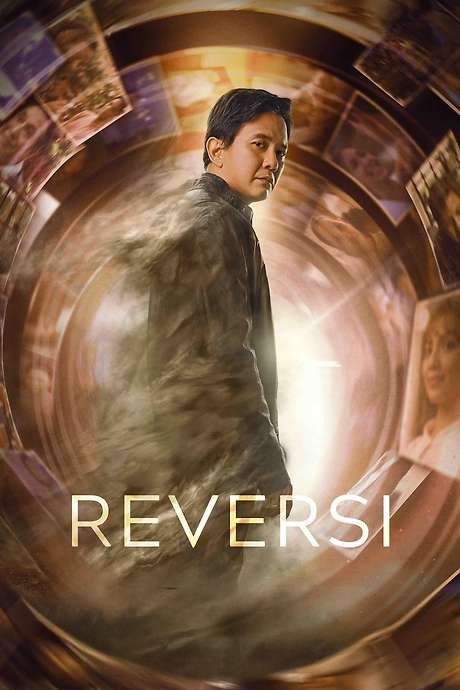
Reversi
2024
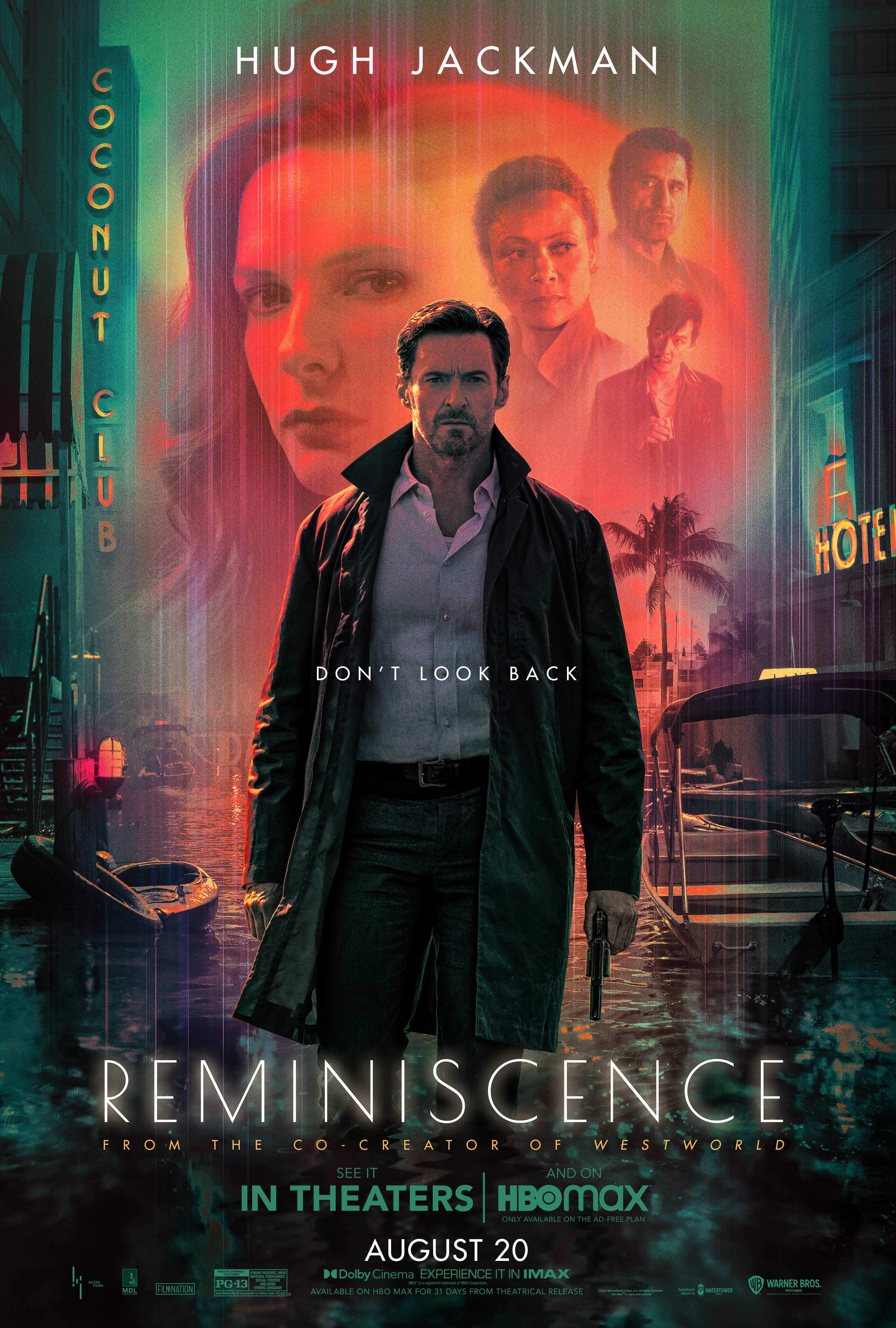
Reminiscence
2021
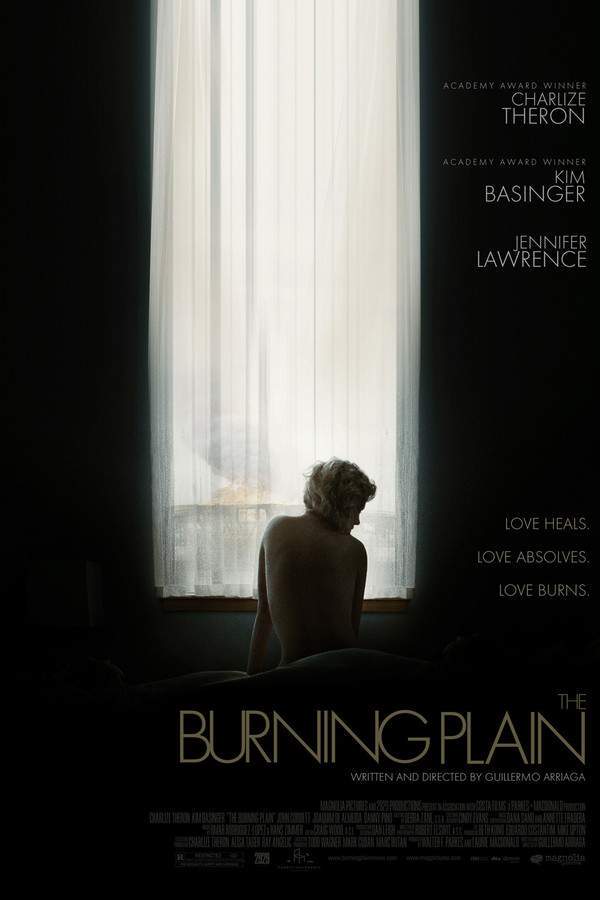
The Burning Plain
2009
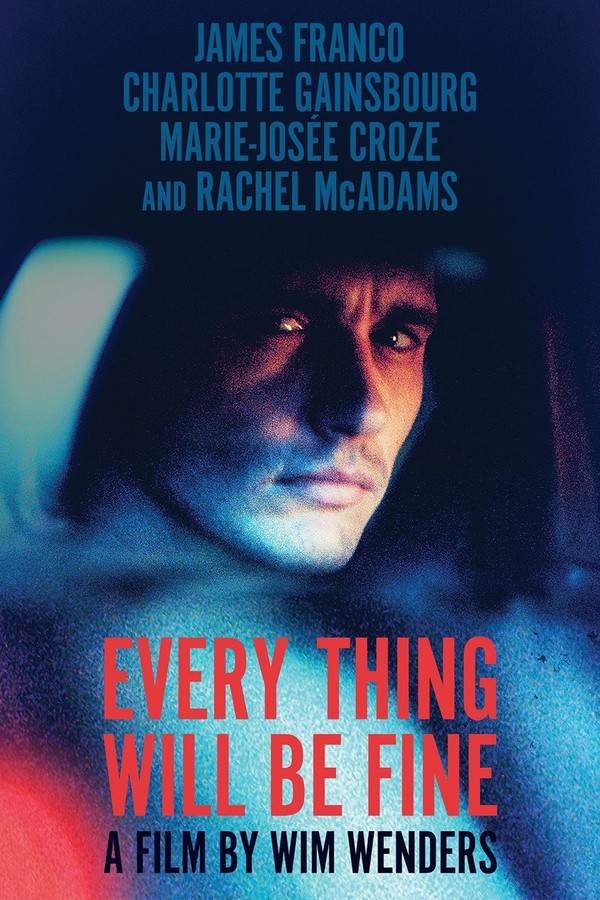
Every Thing Will Be Fine
2015
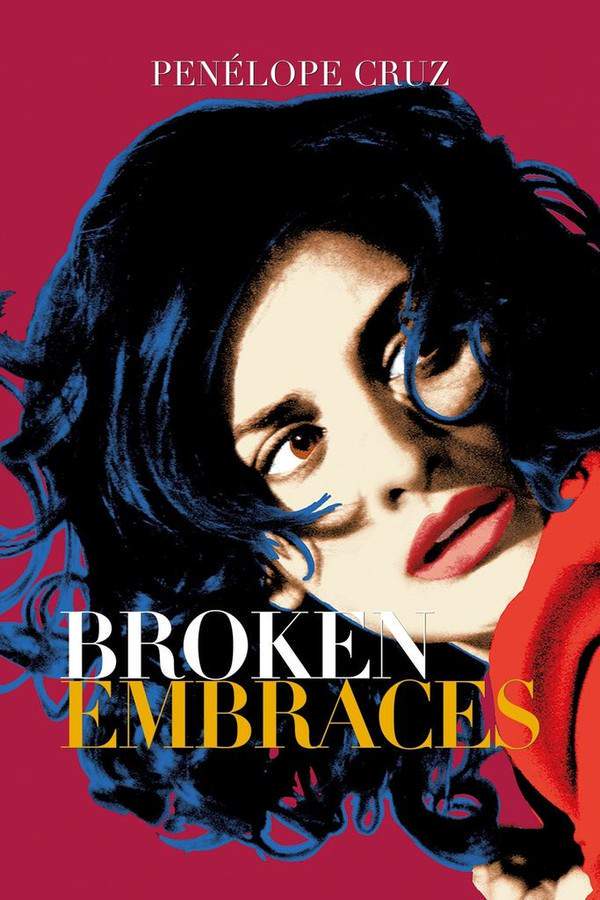
Broken Embraces
2009
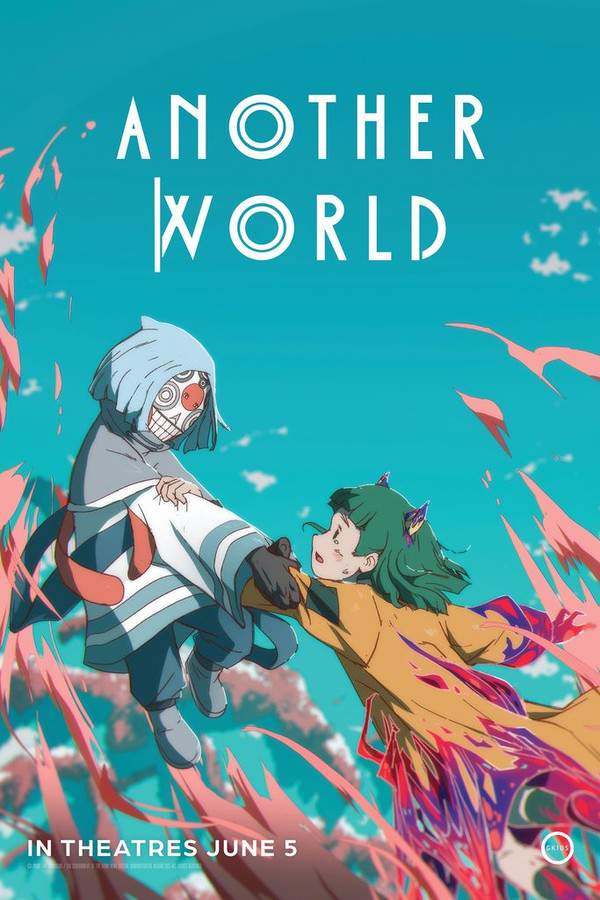
Another World
2026

Cries and Whispers
1972

Maundy Thursday
2006
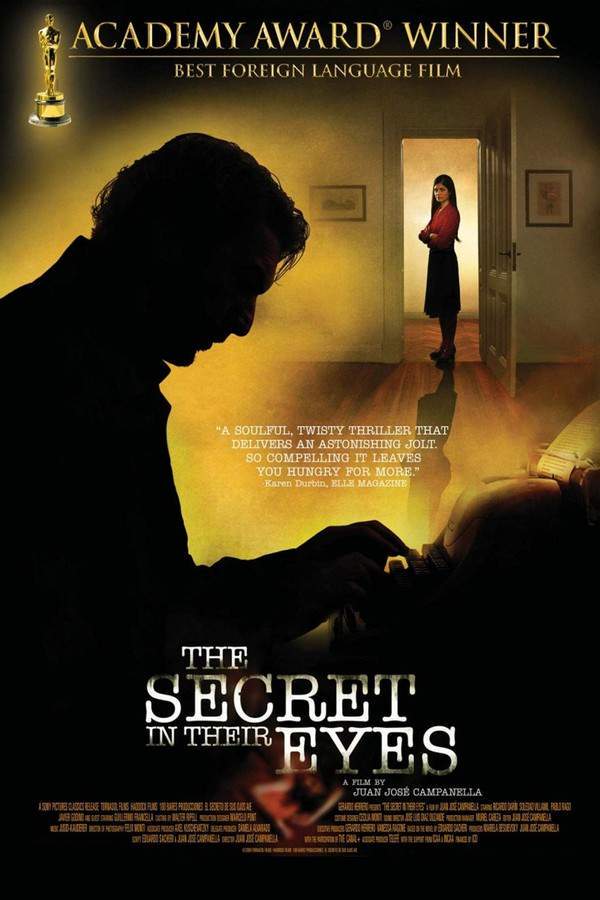
The Secret in Their Eyes
2010
Narrative Summary
A protagonist already steeped in blood is brought low, often by injury, loss, or a sudden confrontation with mortality. In the stillness that follows, a quiet bond with a stranger or surrogate opens a fragile path toward confession, mercy, or release. The story refuses easy absolution; any peace is earned through pain, and the cycle of violence rarely resolves cleanly.
Why These Movies?
They share heavy emotional weight, almost no humor, and a tone that is dark, melancholic, and reflective. They tend to mix slow, contemplative scenes with sudden, jarring violence, lean into morally ambiguous protagonists, and end on bittersweet or ambiguous notes rather than clean or triumphant resolutions.
Unlock the Full Story of The Death of Robin Hood
Don't stop at just watching - explore The Death of Robin Hood in full detail. From the complete plot summary and scene-by-scene timeline to character breakdowns, thematic analysis, and a deep dive into the ending - every page helps you truly understand what The Death of Robin Hood is all about. Plus, discover what's next after the movie.
The Death of Robin Hood Summary
Read a complete plot summary of The Death of Robin Hood, including all key story points, character arcs, and turning points. This in-depth recap is ideal for understanding the narrative structure or reviewing what happened in the movie.

The Death of Robin Hood Timeline
Track the full timeline of The Death of Robin Hood with every major event arranged chronologically. Perfect for decoding non-linear storytelling, flashbacks, or parallel narratives with a clear scene-by-scene breakdown.


