Plot Explained Spoilers guaranteed!
Plot Explained

Browse by genre

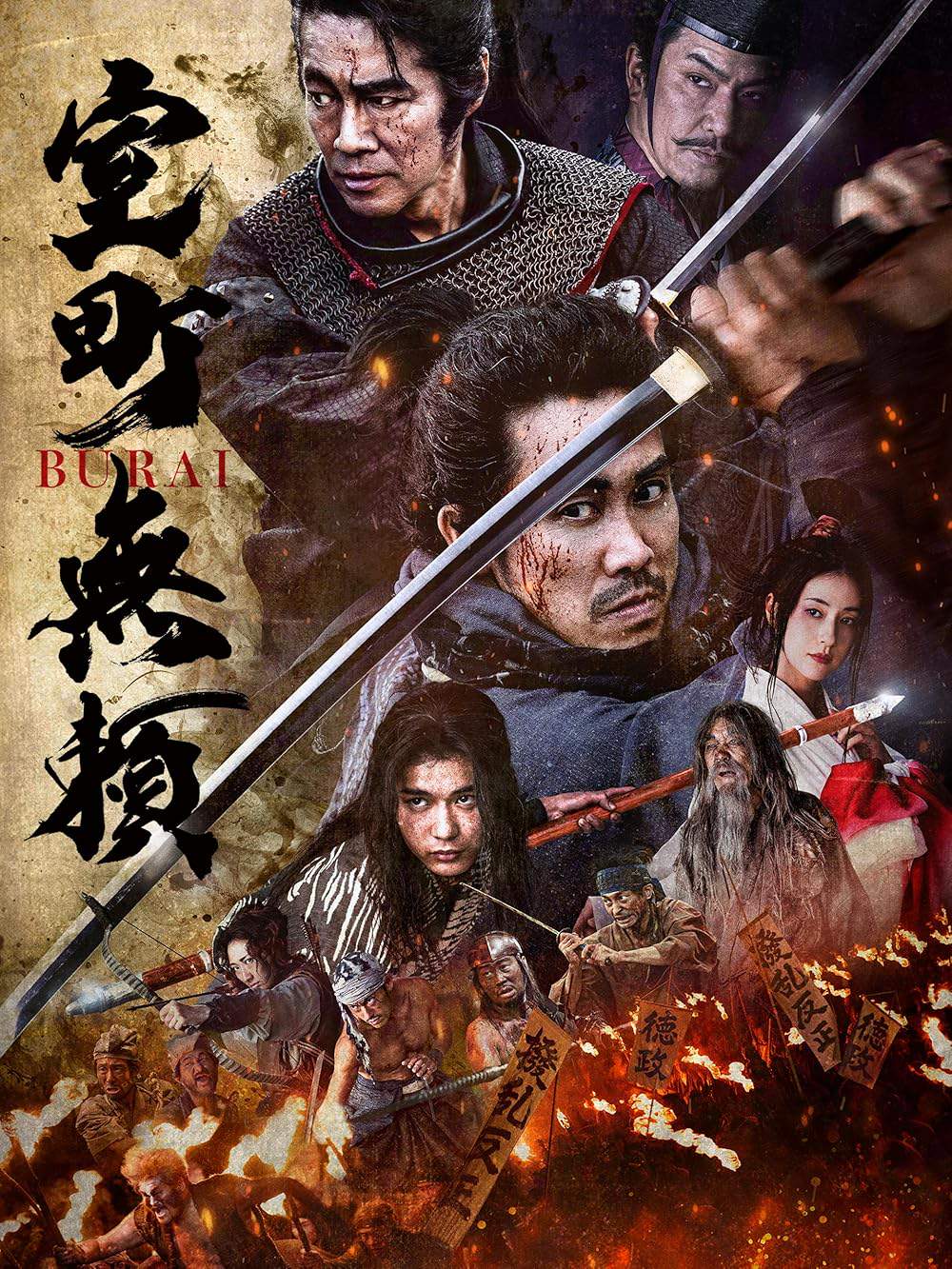
Samurai Fury (2025) movie poster

Characters & Themes

Samurai Fury (2025) Characters, Setting & Themes Explained

Release, runtime and language
2025 · 2 h 15 m
Loading streaming availability…
Directed by
Yu Irie
Starring
Ken'ichi Yajima, Akira Emoto, Yûya Endô, Tomoya Maeno, Kazuki Kitamura, Tateto Serizawa

As famine and plague ravage 15th‑century Japan, a detached shogun remains inert while his people suffer. Rebellious wanderer Hasuda Hyoe, fed up with the shogun’s apathy, conspires to topple the ruler and rescue the nation from self‑inflicted ruin. Starring Ôizumi Yô (I Am a Hero) as Hyoe, the film follows his daring quest, confronting powerful forces that stand in the way of his vision for a liberated Japan.

On this page (8)
  1. 1 Where to watch
  2. 2 Characters explained (4)
  3. 3 Character relationship map
  4. 4 Where & when it takes place
  5. 5 Themes & meaning (2)
  6. 6 Character & meaning questions
  7. 7 Movie threads
  8. 8 Every angle
Loading streaming availability…

4 main characters · contains spoilers

Samurai Fury Characters Explained: Who Is Who

The main characters of Samurai Fury (2025), heroes and villains: what drives them, how they change over the course of the story and what each of them reveals about the film's bigger ideas.

  • Hasuda Hyoe

    A rōnin disillusioned by the corrupt shōgunate, Hasuda emerges as a leader driven by a sense of justice. His experiences have hardened him, but his resolve to fight for the oppressed illustrates a complex character caught between vengeance and righteousness. His ultimate sacrifice marks a poignant moment in the film's exploration of duty and heroism.

    • 🗡️ Warrior
    • ❤️ Justice
    • 🔥 Leader
  • Saizō

    played by Yûya Endô

    An orphaned boy turned warrior, Saizō evolves from a captive into a fierce fighter under Hasuda's mentorship. His choice to accompany Hasuda in the insurgency demonstrates his growth and determination to change his fate. Saizō's journey epitomizes the themes of loyalty and resilience, forging his identity amid chaos.

    • 👦 Orphan
    • ⚔️ Apprentice
    • 🌟 Resilient
  • Nawa

    As the shōgun of Kyoto, Nawa represents the corruption and greed that plague the ruling class. His extravagant lifestyle comes at the cost of innocent lives, revealing the moral decay of power. Nawa's eventual confrontation with Hasuda underscores the film's conflict between tyrants and rebels.

    • 👑 Corruption
    • 💰 Greed
    • ⚔️ Tyrant
  • Honekawa Doken

    played by Tateto Serizawa

    Formerly a comrade of Hasuda, Honekawa's role as a chief of security complicates their relationship. Torn between loyalty to the shōgunate and his past with Hasuda, Honekawa becomes an antagonist embodying the struggles of individuals caught in a corrupt system. His actions throughout the film reflect the moral dilemmas faced by those in power.

    • ⚔️ Antagonist
    • 🔄 Loyalty
    • 🤔 Conflict

Last updated: October 20, 2026 at 22:48

Was this helpful?

6 characters · 15 connections · contains spoilers

Samurai Fury Character Relationship Map

Who is connected to whom in Samurai Fury: family, love, friendships, rivalries and hidden ties, colour-coded. Pick a character to see their side of the story, or a connection to see what brings two characters together.

How much of the story to show
HHHasuda HyoeSSaizōYûya EndôNNawaHDHonekawa DokenTateto SerizawaMKMaster KarasakiHHo-ōji

Last updated: October 20, 2026 at 22:48

Was this helpful?

Setting

Where and When Does Samurai Fury Take Place?

The setting of Samurai Fury (2025): the year and time period, the places and locations, and how they shape the characters, the mood and the tension of the story.

Time period

1461

The events unfold during the year 1461, a time marked by the Kanshō famine, which claimed the lives of thousands in Japan. This period saw rampant corruption as the ruling shōgun, Nawa, imposed heavy taxes on the suffering populace, leading to a desperate need for rebellion against oppressive forces. The political landscape is fraught with conflict, setting the stage for an insurgency against the ruling class.

Location

Kyoto, Yoshizaka, Kawachi Province, Imazu

The movie is set in historical locations in western Japan during the tumultuous period of the 15th century. Kyoto, as the shōgun's capital, is characterized by political corruption and social unrest due to the Kanshō famine. Yoshizaka, a provincial village, becomes a symbol of resistance as villagers rise against oppressive forces, while Imazu serves as a place of training and transformation for the protagonist.

  • 🏯 Historical
  • 🌾 Famine
  • ⚔️ Uprising

Last updated: October 20, 2026 at 22:48

Was this helpful?

2 major themes

Samurai Fury Meaning: Themes & Message Explained

What is Samurai Fury (2025) really about? The emotional, social and philosophical themes the film keeps returning to, its symbolism and the message beneath the surface.

  • Rebellion

    The film portrays the struggle and quest for justice during a time of oppression. The characters rally together against the corrupt shōgun who exploits the suffering of the villagers, emphasizing themes of resistance and the fight for freedom. Hasuda's leadership and Saizō's transformation from an orphan into a skilled warrior symbolize hope amidst despair.

  • Sacrifice

    Central to the narrative is the theme of sacrifice as the characters navigate their paths fueled by love, vengeance, and loyalty. Hasuda sacrifices his life for the greater good of his people, and Saizō embodies the emotional toll of choosing between personal desires and collective responsibility. These sacrifices highlight the harsh realities of war and the cost of freedom.

Last updated: October 20, 2026 at 22:48

Was this helpful?

Character & theme questions

Samurai Fury Characters & Meaning: Your Questions Answered

The questions people ask about Samurai Fury (2025): who the characters really are, their relationships, what the symbols mean, where it takes place and what the movie is really about. Each answer contains spoilers.

Q1

Where is Samurai Fury set?

Samurai Fury is set in 15th-century western Japan, primarily across Kyoto, Kawachi Province, and the rural village of Yoshizaka. Kyoto serves as the shōgun's capital and is portrayed as a center of political corruption and famine-driven unrest, while Yoshizaka represents rural suffering and grassroots resistance. Imazu, another key location, functions as a training ground where the protagonist undergoes personal transformation.

  • setting
  • western japan
  • kyoto
  • yoshizaka
  • kawachi province
  • imazu
Q2

When does Samurai Fury take place?

Samurai Fury is set in 1461, during the historical Kanshō famine that devastated medieval Japan. This late Muromachi period was marked by widespread starvation, plague, and political corruption under the ruling shōgunate. The historical timing is essential to the film because it grounds the rebellion in a real moment of national crisis.

  • 1461
  • kansho famine
  • 15th century
  • muromachi period
  • japan
Q3

What is the Kanshō famine and how does it shape the story?

The Kanshō famine was a real historical famine that struck Japan around 1461 and killed thousands through starvation and disease. In Samurai Fury, the famine serves as the catalyst for the entire conflict, illustrating the suffering caused by Shōgun Nawa's corrupt rule and heavy taxation. The famine justifies the rebellion and amplifies the moral weight of every decision the characters make.

  • kansho famine
  • famine
  • historical context
  • suffering
  • japan
Q4

Who is Hasuda Hyoe?

Hasuda Hyoe is a rōnin and the central protagonist of Samurai Fury, disillusioned by the corrupt shōgunate's failure to protect its people. Driven by a fierce sense of justice, he emerges as a natural leader willing to challenge the ruling class and rally the oppressed. His arc embodies the tension between personal vengeance and righteous duty, culminating in a defining sacrifice for the rebellion.

  • hasuda hyoe
  • ronin
  • rebel leader
  • protagonist
  • justice
Q5

Who is the main antagonist in Samurai Fury?

The main antagonist is Shōgun Nawa, the ruler of Kyoto who embodies the greed and moral decay at the heart of the shōgunate. While famine and plague ravage the country, Nawa clings to power, levies heavy taxes, and indulges in extravagance at the expense of his people. His confrontation with Hasuda defines the film's central political and moral conflict.

  • nawa
  • shogun
  • antagonist
  • villain
  • corruption
Q6

What are the central themes of Samurai Fury?

Samurai Fury explores two interconnected themes: rebellion and sacrifice. The rebellion theme portrays the moral imperative to resist unjust rulers when institutions fail the people, embodied by Hasuda's leadership and the villagers of Yoshizaka. The sacrifice theme examines the personal cost of revolution, showing how characters give up love, safety, and ultimately their lives in pursuit of a liberated Japan.

  • themes
  • rebellion
  • sacrifice
  • justice
  • resistance
Q7

Why is sacrifice a central theme in Samurai Fury?

Sacrifice runs through Samurai Fury because the story frames liberation as something that cannot be achieved without personal loss. Hasuda gives his life for the rebellion's success, while Saizō must choose between personal desires and the greater good. These sacrifices reflect the film's grim view of revolution: freedom comes at a cost that no character escapes.

  • sacrifice
  • hasuda
  • saizo
  • loyalty
  • cost of freedom
Q8

Who is Saizō and what is his role?

Saizō is an orphaned boy who becomes a warrior apprentice under Hasuda's mentorship. Beginning as a captive, he evolves into a fierce fighter who embodies loyalty, resilience, and the possibility of self-determination. His arc mirrors the film's broader themes, transforming personal suffering into a commitment to collective rebellion.

  • saizo
  • orphan
  • apprentice
  • warrior
  • transformation
Q9

What role does Honekawa Doken play?

Honekawa Doken is a former comrade of Hasuda who now serves as a chief of security under the shōgunate. His divided loyalty between his past friendship and his current duty makes him a complex antagonist caught inside a corrupt system. He represents the moral compromises demanded of those who serve unjust power.

  • honekawa doken
  • chief of security
  • conflicted loyalty
  • former comrade
Q10

What is the significance of the village of Yoshizaka?

Yoshizaka is a rural village in Kawachi Province that symbolizes grassroots resistance against the shōgun's oppression. As the villagers rise up, the village becomes both the heart of the rebellion and a site of devastating loss. Yoshizaka's role underscores how ordinary communities bear the heaviest burden when political corruption meets popular uprising.

  • yoshizaka
  • village
  • resistance
  • uprising
  • kawachi
Q11

What does Imazu represent in Hasuda's journey?

Imazu functions as a place of training and transformation for Hasuda, where he refines his combat skills and prepares for the larger fight against the shōgunate. It contrasts with the political decay of Kyoto, offering a space of discipline and personal growth. In the broader narrative, Imazu represents the stage where a lone wanderer becomes a leader capable of inspiring a rebellion.

  • imazu
  • training
  • transformation
  • mentorship
  • discipline
Q12

Is Samurai Fury based on real historical events?

Samurai Fury is a historical action drama anchored in the real Kanshō famine of 1461 and the political instability of late Muromachi Japan, but its characters and central conspiracy are fictional. The film draws on the era's documented famine, taxation, and unrest to frame an invented story of rebellion led by a rōnin against a corrupt shōgun. This blend of historical setting and fictional narrative is typical of the samurai genre.

  • historical fiction
  • 15th century japan
  • muromachi
  • kansho famine

Movie threads

More Movies Like Samurai Fury, by Mood & Story

Curated lists built around what makes Samurai Fury tick: the same mood, the same kind of story or the same emotional payoff. Each list explains why these movies belong together.

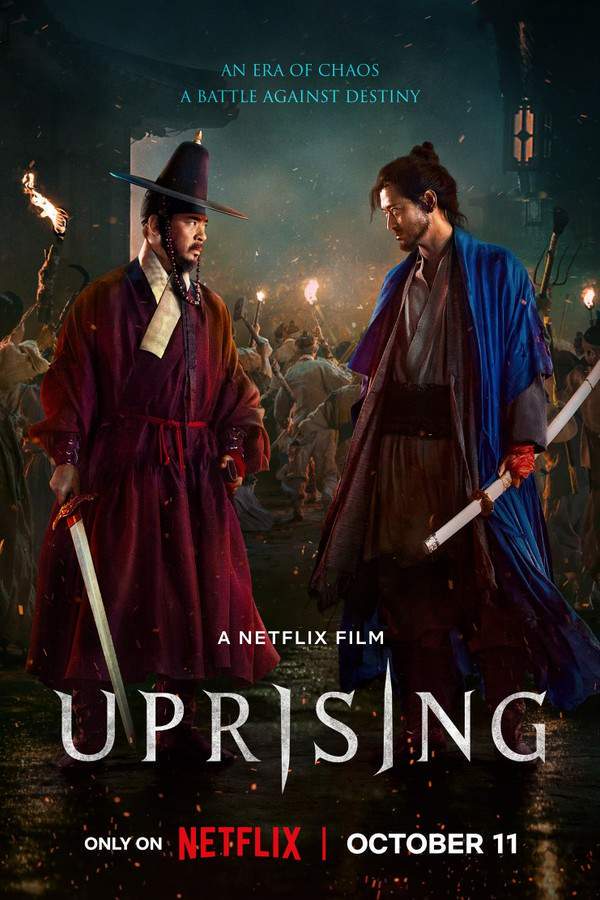
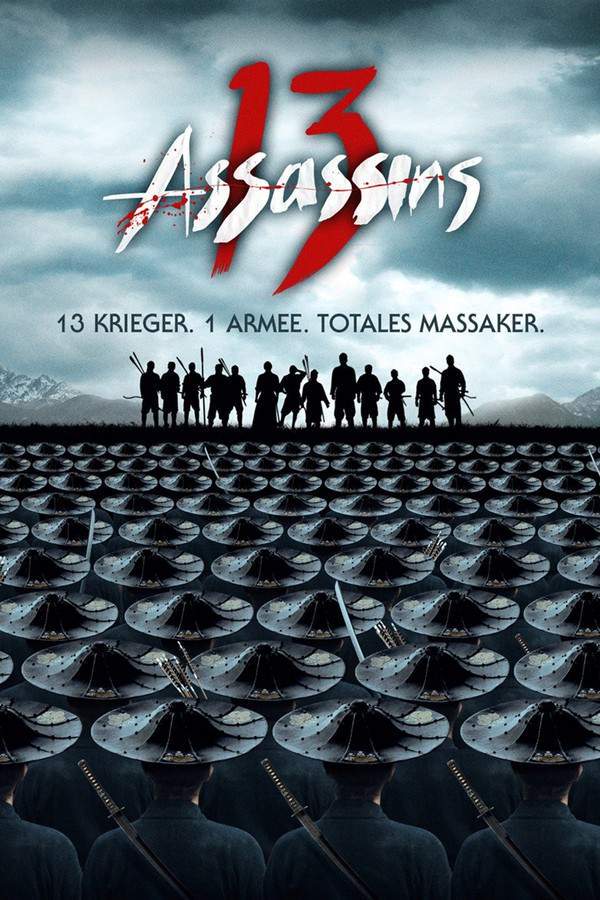
Movies like Samurai Fury: rebellion against a corrupt ruler

Outcasts rise against an indifferent ruler to free a suffering nation from ruin. If you liked Samurai Fury, you'll love these epic stories of insurrection against corrupt and indifferent rulers. Explore feudal rebellions, samurai uprisings, and historical dramas where desperate heroes topple tyrants, liberate suffering peoples, and pay a heavy personal price for toppling an unjust regime.

  • rebellious
  • political
  • epic
  • dark
  • somber
  • brutal
  • Tone: dark, tragic, rebellious
  • Pacing: variable, deliberate build into kinetic action
Why these movies?

The story pattern: A callous or corrupt ruler allows mass suffering while clinging to power. A rebellious outsider — often a warrior without a master — refuses to stay silent and begins assembling a small band of conspirators. The plot moves from quiet planning and recruitment into open rebellion, with betrayals, ambushes, and a climactic confrontation that overthrows the regime. Victory is real but always bittersweet, with key figures lost along the way and the new order left uncertain.

Why they belong together: These films share a structural backbone: an unjust leader, a clearly drawn rebellion, and a high personal toll. They combine political corruption, class oppression, and kinetic battle sequences with somber, historically grounded atmospheres. Tone is dark and weighty, pacing builds deliberately before erupting into combat, and the ending earns its triumph through loss rather than easy heroism.
Movies like Samurai Fury with a tragic mentor bond

A mentor teaches, fights, and falls — leaving the student to carry the burden forward. Fans of Samurai Fury's heavy mentor-apprentice storyline will be drawn to these films where a seasoned warrior trains a younger student at great cost. Expect deeply emotional character arcs, a mentor whose fate ends in tragedy, and a student who must carry forward the fight, ideology, or cause long after the teacher is gone.

  • mentor bond
  • tragic
  • sacrifice
  • coming of age
  • legacy
  • heartbreaking
  • Tone: somber, tragic, bittersweet
  • Pacing: variable, relationship-driven build into action
Why these movies?

The story pattern: An experienced fighter or leader takes on a younger protégé, often in the midst of wider conflict. Training scenes, small acts of wisdom, and shared hardship build a tight emotional bond. As the rebellion or war escalates, the mentor becomes a pivotal target — captured, martyred, or forced into a fatal duel. The student, now carrying grief and responsibility, must finish what the mentor started, and the story closes with the torch passed and the legacy preserved through loss.

Why they belong together: These films center on the same emotional engine: a teacher who gives everything and a student who survives to honor that sacrifice. They share a heavy, somber mood, dark historical or action-drama tone, and bittersweet endings that resolve the larger conflict but not the personal wound. The mentor-apprentice dynamic, sacrifice, and inheritance of cause form the emotional spine of each recommendation.

Every angle

Samurai Fury (2025) Explained: Plot, Timeline & Characters

Everything about Samurai Fury in one place: what happens in the plot summary, the timeline in chronological order, the characters and meaning and a spoiler-free summary. What's After the Movie adds the cast, box office and post-credit scenes.

Coming soon on iOS and Android

The Plot Explained Movie Summary App

Plot summaries, endings explained and timelines on your phone. Catch up on any movie in minutes, save your favorites and never miss a twist again.

Be the first to know when we launch. Your email stays private, always.

Learn more about the app