Plot Explained Spoilers guaranteed!
Plot Explained

Browse by genre

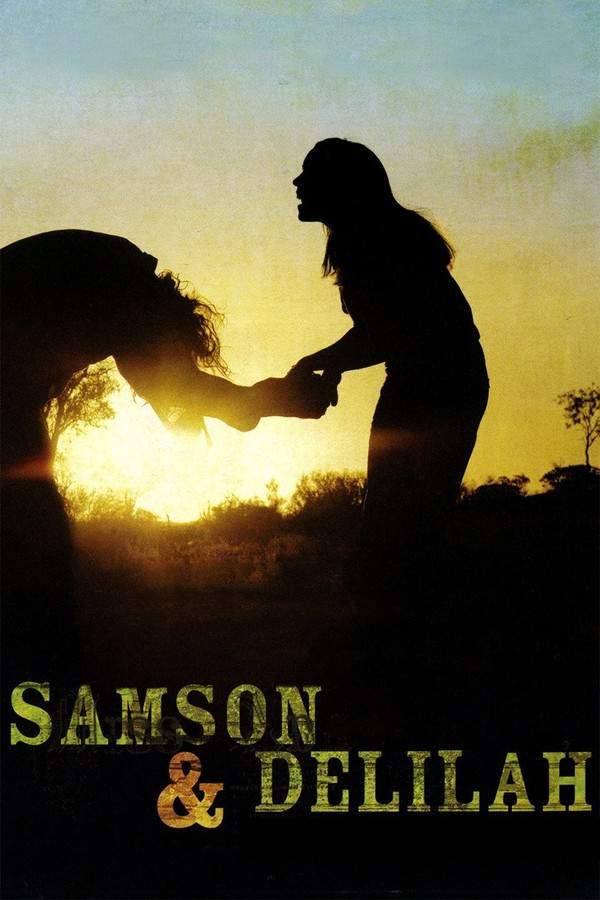
Samson and Delilah (2009) movie poster

Plot Summary

Samson and Delilah (2009) Plot Summary Explained

Release, runtime and language
2009 · 101 mins · English
Loading streaming availability…
Directed by
Warwick Thornton
Starring
Steven Brown, Peter Bartlett, Audrey Martin, David Page, Mitjili Napanangka Gibson, Matthew Gibson

Samson, a cheeky 15‑year‑old, and Delilah grow up together in an isolated Aboriginal community in the Central Australian desert. As they venture beyond its boundaries they confront a harsh, indifferent world that leaves them feeling lost and unwanted. Yet amid the cruelty they discover that true love endures without judgment.

On this page (6)
  1. 1 Where to watch
  2. 2 What happens: full plot
  3. 3 Plot questions answered
  4. 4 Movie threads
  5. 5 Movies like Samson and Delilah
  6. 6 Every angle
Loading streaming availability…

Full plot summary · contains spoilers

What Happens in Samson and Delilah: Full Plot Summary

The whole story of Samson and Delilah (2009) explained, from the opening scene to the final frame: every key event, every twist and what it all adds up to. Read it as a quick recap before the sequel, to check a scene you missed, or to finally understand what really happened.

Samson Rowan McNamara and Delilah Marissa Gibson are fourteen-year-olds living in an Aboriginal community near Alice Springs in Central Australia. Samson is a mute boy who sleeps in a run-down shelter and is deeply addicted to petrol sniffing, while his elder brother's ska band practices outside his bedroom, keeping him awake and restless. Delilah cares for her frail grandmother, Nana Mitjili Napanangka Gibson, taking her to clinic appointments and managing her medications. The two young people, bonded by circumstance, also collaborate with Nana to create dot paintings that they sell to an art broker for modest sums, a small source of income in a tough, limited world.

Samson becomes infatuated with Delilah and awkwardly seeks her attention, but Delilah remains distant despite her grandmother’s mocking encouragement. He spends a day trailing her, even attempting to move in with her uninvited. When Delilah’s grandmother dies in the night, the family blames Delilah and thrashes her with sticks, a brutal moment that shatters the fragile balance in their lives. In a fit of rage, Samson strikes his brother with a log in a misguided attempt to silence him and his band, but the brother fights back, leaving Samson battered and shaken.

Desperation drives them to escape their circumstances. Samson steals the community’s car and takes Delilah to Alice Springs, where they live rough under a bridge over the dry Todd River. There, a chronic alcoholic homeless man known as Gonzo takes them in and offers them a place to stay. Delilah soon becomes aware that her art could fetch real money: her paintings appear in a gallery for thousands of dollars each. When she tries to sell her work herself, she is rebuffed by both the gallery owner and much of the public, dampening her hopes and underscoring the barriers she faces as a young Indigenous artist.

Meanwhile, Samson’s petrol-sniffing habit intensifies. At one point, he is so intoxicated that he fails to notice when Delilah is kidnapped by a group of white teenagers in a car; she is raped and beaten, and she eventually finds her way back to Samson, though he is too intoxicated to notice her return. The trauma pushes Delilah toward petrol sniffing herself, deepening the spiral of their shared struggle.

One day, while they wander the streets inebriated, Delilah is struck by a car. When Samson finally sobers and realizes what has happened, he believes she is dead and shaves his hair in mourning as a visible mark of his grief. He retreats to the bridge and remains there for weeks, lost in sorrow and still wrestling with his addiction. Delilah survives the hospital stay and returns with Samson’s brother to rescue him, guiding them back to their community. Upon arrival, an elder woman assaults Samson for stealing the community’s only car.

To help Samson break free from petrol addiction, Delilah takes him to a secluded area for rehabilitation. Over time, she helps him rediscover his former self, and a moment of joy arrives when Samson hears his brother’s ska music playing on the local radio, signaling a fragile but hopeful turn toward restoration and belonging.

Last updated: December 04, 2025 at 15:33

Was this helpful?

Plot questions answered

Samson and Delilah Plot Explained: Your Questions Answered

The questions people ask most about Samson and Delilah (2009): what happens in the confusing scenes, why the characters do what they do, the twists, hidden details and what the ending means. Each answer contains spoilers.

Q1

Why does Samson shave his hair after Delilah's car accident?

Samson shaves his hair as a traditional Aboriginal mourning practice when he believes Delilah has died. The film shows him cutting off his hair in grief while sitting under the bridge, which mirrors Indigenous customs of marking significant loss. When Delilah later returns alive, this act becomes a powerful visual symbol of his devotion and the depth of their bond.

  • mourning ritual
  • hair shaving
  • indigenous customs
  • grief
Q2

Why does Delilah start sniffing petrol after being attacked?

Delilah turns to petrol sniffing as a way to cope with the trauma of her kidnapping and assault. The film shows her explicitly choosing to sniff petrol following the attack, using the drug to numb the painful memories and emotional wounds she cannot otherwise escape. This shift marks a tragic descent deeper into the cycle of addiction that already grips Samson.

Foreshadowing: The film earlier establishes petrol sniffing as the community's destructive coping mechanism, making Delilah's adoption of the habit feel tragically inevitable.

  • trauma
  • petrol sniffing
  • addiction
  • assault recovery
Q3

Why does Delilah's family blame her for her grandmother's death?

Delilah's family blames her for Nana's death because she was the primary caregiver responsible for managing her grandmother's medications and health. When Nana dies unexpectedly in the night, the family holds Delilah accountable for failing in her duties. This blame leads to her brutal beating with sticks, a violent expression of their grief and anger that reflects the harsh dynamics within the community.

Foreshadowing: Earlier scenes show Delilah administering Nana's medications and attending clinic appointments, establishing her as the designated caretaker whose failure would be seen as unforgivable.

  • family blame
  • grandmother death
  • caregiver
  • violence
Q4

Why does Samson steal the community car to escape to Alice Springs?

Samson steals the community's only car after a violent confrontation with his brother and the realization that their situation in the community has become unbearable. The combination of Delilah's beating, his own violent act against his brother, and their shared desperation to escape leads Samson to take the car as their only means of leaving. This theft represents their only perceived path out of poverty and violence.

Foreshadowing: The timeline builds tension through Samson's growing restlessness from his brother's band, Delilah's family tragedy, and Samson's violent outburst, all converging into a desperate escape attempt.

  • car theft
  • escape
  • desperation
  • community
Q5

Why can't Delilah sell her own paintings when her art fetches thousands in galleries?

Delilah cannot sell her own paintings because the art world operates through intermediaries who control access to buyers and galleries. The film shows her discovering her paintings are sold in an Alice Springs gallery for thousands of dollars each, yet when she approaches the gallery owner directly, she is rebuffed. This reflects the systemic barriers Indigenous artists face in having their work recognized and valued on their own terms, with brokers extracting most of the financial benefit.

  • art sales
  • indigenous art
  • gallery
  • exploitation
Q6

What happens to the white teenagers who kidnap and assault Delilah?

The film does not show any consequences for Delilah's attackers. After kidnapping her from the streets while Samson is intoxicated, the group of white teenagers assault her and flee. Delilah eventually finds her way back to Samson, but the attackers escape without facing any justice, highlighting the vulnerability of Indigenous people, particularly women, to violence without accountability.

  • kidnapping
  • assault
  • attackers
  • justice
Q7

Why does Samson hit his brother with a log?

Samson strikes his brother with a log in a moment of rage after the brother's ska band keeps him awake night after night. Already frustrated by his isolation, addiction, and inability to sleep, Samson snaps and attacks the brother to make him stop the noise. The brother fights back, leaving Samson battered, which further escalates the violence in their family and pushes both teens toward desperate action.

  • brother
  • violence
  • band
  • rage
Q8

Why does an elder woman beat Samson when they return to the community?

An elder woman assaults Samson for stealing the community's only car, which was their primary vehicle. The beating represents the community's anger at the theft of a vital resource that affected everyone. This violent welcome underscores the consequences of their actions and the difficulty of returning home after abandoning the community in such a disrespectful way.

  • elder
  • car theft
  • community anger
  • consequences
Q9

How does Samson overcome his petrol sniffing addiction?

Samson breaks free from petrol addiction through Delilah's dedicated support during their rehabilitation in the community. After returning from Alice Springs, Delilah takes Samson to a secluded area where she guides him through the recovery process. The film shows his gradual restoration over time, culminating in the moment he hears his brother's ska music on the radio and begins reconnecting with his former self.

  • rehabilitation
  • recovery
  • addiction
  • Delilah support
Q10

What does the ending mean when Samson hears his brother's ska music on the radio?

The ending signifies hope and renewal as Samson hears his brother's ska band playing on the local radio for the first time. This moment represents his brother's success and Samson's own tentative steps toward reconnection with his family and culture. The music symbolizes a path forward out of isolation and addiction, marking a fragile but meaningful turning point in their lives.

  • ska music
  • radio
  • reconciliation
  • hope
Q11

Why do Samson and Delilah live under a bridge in Alice Springs?

Samson and Delilah end up living under the Todd River bridge because they have no money, no shelter, and no support after arriving in Alice Springs. They meet Gonzo, a chronic alcoholic homeless man who offers them space under the bridge as their only option for survival. This harsh living situation reflects their complete lack of resources and the vulnerability of homeless youth.

  • homelessness
  • bridge
  • Gonzo
  • survival
Q12

Why is Samson mute and unable to speak?

Samson is depicted as a mute character throughout the film, which isolates him further and forces him to communicate through gestures and expressions. The summary does not explain the cause of his muteness, but it serves to deepen his vulnerability and sense of disconnection from others. His silence makes his emotional journey more poignant and his eventual recovery more meaningful.

  • muteness
  • communication
  • isolation

Movie threads

More Movies Like Samson and Delilah, by Mood & Story

Curated lists built around what makes Samson and Delilah tick: the same mood, the same kind of story or the same emotional payoff. Each list explains why these movies belong together.

Harsh Survival Stories like Samson and Delilah

Bleak journeys of survival that end with a glimmer of redemption. If you were moved by the raw portrayal of struggle in Samson and Delilah, explore more movies like it. These films depict characters battling against brutal circumstances, often in unforgiving environments, and ultimately finding a sliver of hope. They are powerful stories of resilience and the human spirit.

  • desolate
  • gritty
  • oppressive
  • raw
  • tragic
  • urgent
  • Tone: bleak, raw, ultimately hopeful
  • Pacing: slow, atmospheric
Why these movies?

The story pattern: Stories in this thread typically follow a linear, character-driven descent into hardship, testing the protagonists' will to survive. The central conflict is often against an indifferent world or system. The narrative arc, while filled with suffering, is defined by a final turn towards a hard-won, quiet redemption, leaving the audience with a sense of earned hope.

Why they belong together: These films are grouped by their shared commitment to unflinching realism, a heavy emotional weight derived from themes of survival, and a tonal structure that moves from bleakness to a cautious, often bittersweet, hope. The pacing is usually slow, allowing the audience to fully absorb the characters' struggles.

Raw Coming-of-Age Movies like Samson and Delilah

Young love and self-discovery amidst trauma and a broken world. For viewers who appreciated the tragic love story at the heart of Samson and Delilah, this collection features similar coming-of-age tales. These movies explore first love and identity formation under dire circumstances like homelessness and grief, offering a raw and emotionally heavy alternative to typical teen dramas.

  • melancholic
  • lonely
  • tragic
  • raw
  • gritty
  • urgent
  • Tone: melancholic, tragic, lonely
  • Pacing: slow, character-driven
Why these movies?

The story pattern: The narrative pattern involves young protagonists whose innocence is brutally stripped away by their environment. Their quest for identity and connection is intertwined with survival. The love story is central but fraught, serving as a catalyst for both descent and potential recovery. The journey is linear and straightforward, focusing intensely on character experience over complex plotting.

Why they belong together: This thread connects films through their unflinching portrayal of youth in crisis, a melancholic and lonely mood, and themes of displacement and fractured love. They share a slow, deliberate pacing that emphasizes emotional weight and a straightforward narrative complexity that keeps the focus squarely on the characters' internal and external struggles.

If you liked this

Movies Like Samson and Delilah

Similar movies to Samson and Delilah: the same genre, themes or kind of story. Each one comes with its own plot summary, timeline and ending explained.

Browse all movie summaries

Every angle

Samson and Delilah (2009) Explained: Plot, Timeline & Characters

Everything about Samson and Delilah in one place: what happens in the plot summary, the timeline in chronological order, the characters and meaning and a spoiler-free summary. What's After the Movie adds the cast, box office and post-credit scenes.

Coming soon on iOS and Android

The Plot Explained Movie Summary App

Plot summaries, endings explained and timelines on your phone. Catch up on any movie in minutes, save your favorites and never miss a twist again.

Be the first to know when we launch. Your email stays private, always.

Learn more about the app