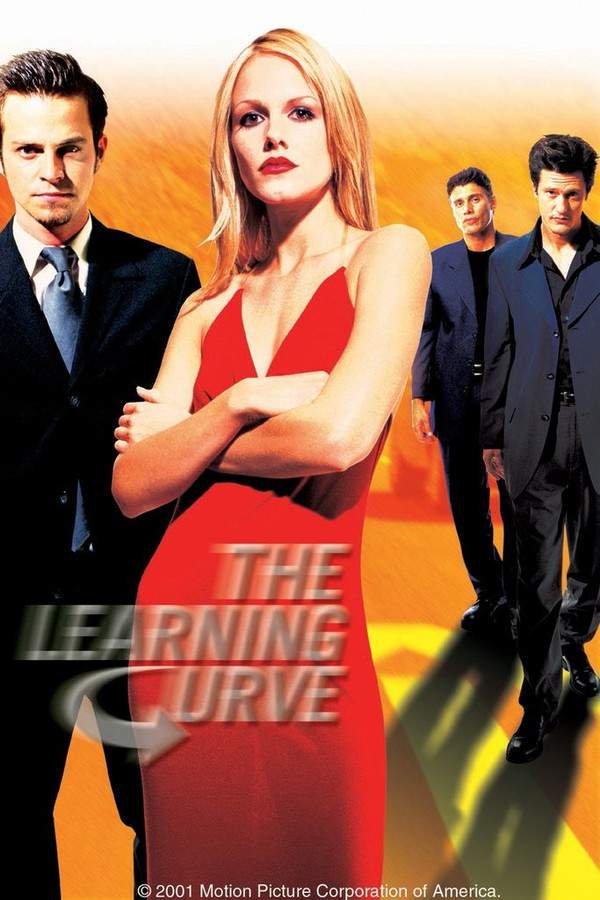
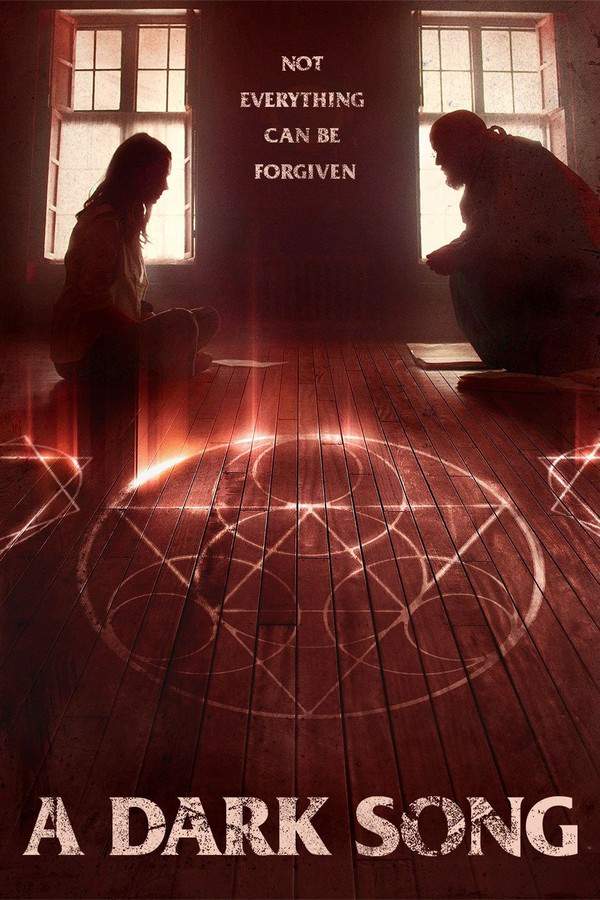
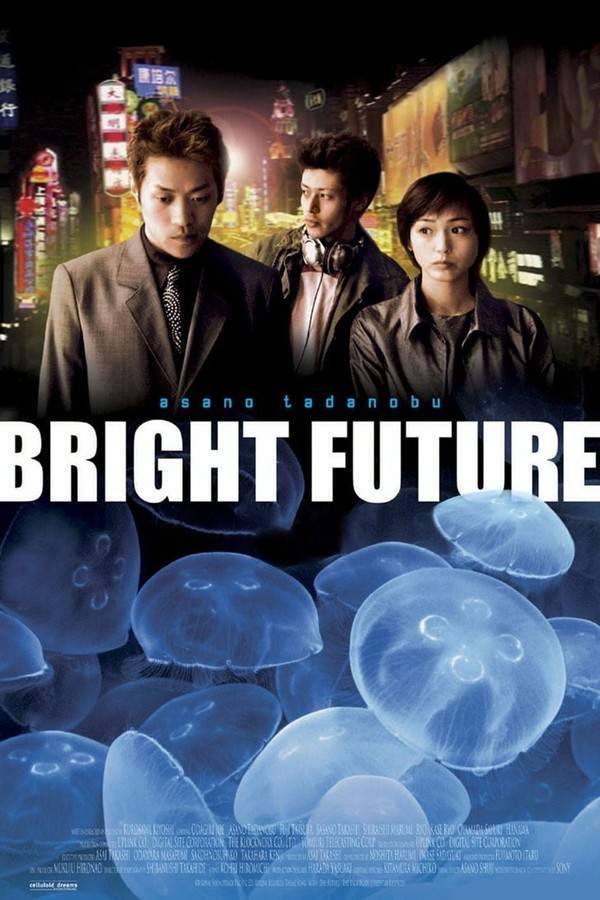
A Staten Island televangelist known for bilking his flock and rehearsing sermons in a stately home embodies a sharp portrait of hypocrisy, power, and performance. In this world, the preacher’s polished broadcasts mask a private life filled with contradictions: he secretly watches pornography while preparing his sermons, a detail that underscores the gap between public piety and private vice.
A born-again parishioner named Rhonda Stample, faithful in her own way and generous with her money, becomes both healer and complicating force in his ministry. She watches his programs, steadily contributes to his cause, and catalyzes a fraying tension with her non-believing husband, Jerome, who questions the sincerity of the movement while watching its influence grow.
The plot thickens when Jerome loses his factory job, a setback that ripples through the family and invites Lenore, Jerome’s sister-in-law, to the Reverend Randall’s home during a rainstorm. Lenore’s car trouble is a convenient excuse that brings her inside, where the two engage in a shifting dance of seduction. They flirt, retreat, and then give in to a charged, violent lovemaking that unsettles the household. When Jerome arrives later that evening, accompanied by two boorish neighbors, the situation erupts into a confrontation in which the neighbors lash out, targeting the Reverend in what they believe to be an unwanted encounter with Lenore.
From this volatile moment, the group considers blackmail as a path to control the Reverend’s rising power. The possibility of a sex scandal becomes a mutual threat on the table, and for a time Randall manages to slip away from his home and the looming leverage.
A new day brings a turning point. Rhonda encounters him as a hitchhiker, and she pitches the idea of expanding her own influence within his ministry. To avert the threats posed by Jerome and Lenore—and to stabilize his own grip—Randall agrees to bring Rhonda more fully into the operation, accepting her vision even as the boundaries of their agreement shift.
What follows is a meteoric rise. Rhonda’s presence catalyzes a dramatic expansion of the ministry, and the couple’s fortunes, as well as the lifestyle of their associates, improve dramatically. Jerome, Lenore, and the neighbors enjoy a higher standard of living, and the ministry’s reach seems to multiply. Yet power does not simply multiply without demanding more; Rhonda’s growing control pushes her to demand a larger slice of the profits and the removal of other participants from the core leadership.
Randall resists at first, trying to retain some balance and control, but the pressure proves difficult to withstand. In the end, his resistance yields to Rhonda’s insistence on increased authority and profit, illustrating a chilling arc from moral conceit to ruthless pragmatism in pursuit of success.
The film closes with a striking, metal-flavored moment: Rhonda performs a heavy-metal inspired faith anthem, a song titled Destroy All Evil, its thunderous guitar and provocative imagery delivering a final, provocative statement about faith, domination, and spectacle. The result is a provocative meditation on how religious rhetoric, media power, and personal ambition can blur the lines between salvation and spectacle, leaving viewers with a lingering sense of unease about where belief ends and control begins.