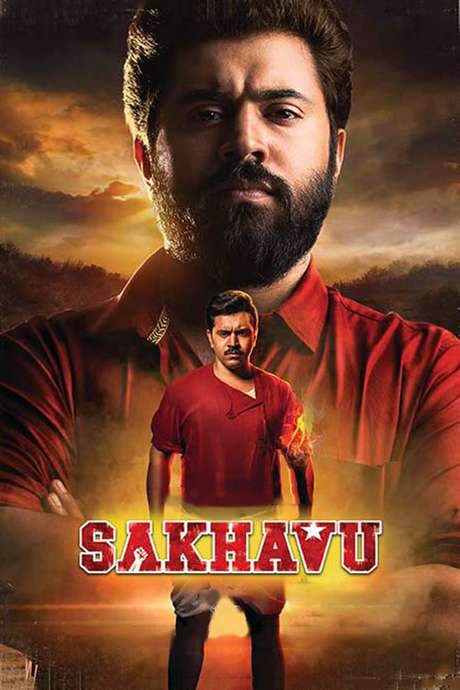
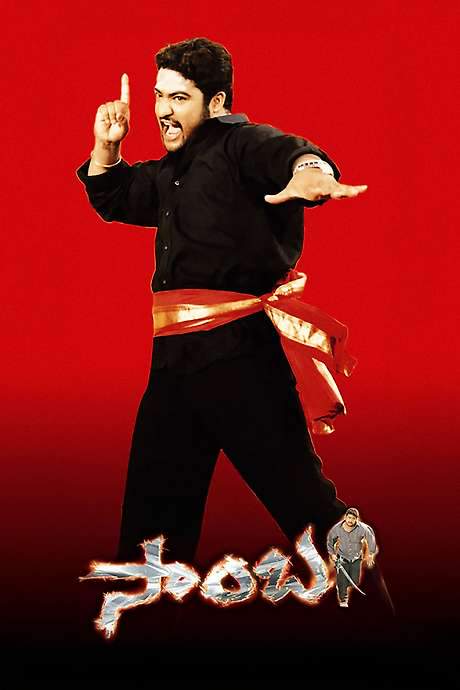
Krishnakumar, known as Kichu, is a ruthless youth wing leader at the district level within his political party. He schemes to climb the ladder by destroying rivals, orchestrating violence against a colleague who is also a close friend, just to clear his path in the game of power. This ambition sets the tone for a story where loyalty is fluid and success can demand brutal choices.
A summons from Kuriachan, a senior party figure, pulls him toward a hospital with a mission that feels almost ceremonial: donate blood for a comrade who carries the rare O negative blood type. Kichu is reluctantly pulled into the hospital drama, and he makes a bold, reckless show of force, telling his friend Mahesh that he won’t waste a single second of his time. The scene he stirs up is less about charity and more about signalling power, a pattern that follows him even as he tries to slip away from the practical demands of this act.
In the hospital corridor, an unexpected detail jolts him: the recipient is being visited by the chief minister. This revelation fuels Kichu’s curiosity about the so‑called comrade, and he presses for answers. The clue comes through Prabhakaran, an acquaintance of the comrade, who begins to unfold a deeper, longer story about Krishnan—the man at the center of this medical mystery.
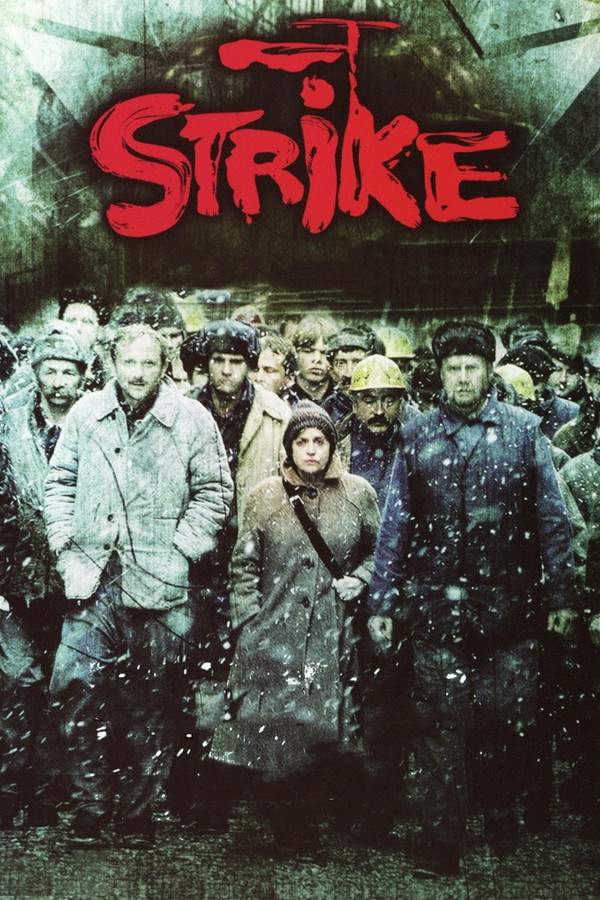
Krishnan, a committed party member, is sent to Peerumedu to extend the party’s influence. He becomes a frontline leader in a labor dispute, guiding tea estate workers to demand fair wages. When the factory manager resists, Krishnan’s movement grows bolder, and pressure mounts until wages are raised. This episode cements his reputation as a fearless organizer who can mobilize workers and stand up to those who profit from low pay.
The narrative then brings Krishnan into direct conflict with a Brahmin landowner who exploits Tamil laborers with meager wages. Krishnan and the party push back, refusing negotiation on terms that would perpetuate inequality. When talks stall, the workers physically cultivate the land themselves and secure a harvest that proves their point: fair wages lead to better yields. The outcome is not just economic but symbolic, underscoring the link between dignity at work and the power of collective action.
Krishnan’s personal life intersects with his political saga when he promises to marry Janaki. Their marriage binds personal loyalty to public life, a union that testifies to how political work reverberates through families. As years pass, Krishnan suffers a stroke and becomes partially paralyzed, a turning point that exposes the fragility of a life built on relentless public service. He learns that the old factory where the initial strike began has closed, leaving workers in deeper poverty and prompting questions about what his legacy really means in the face of hardship.
Seeking a way forward, Krishnan meets a wealthy benefactor who has reaped benefits from his earlier efforts. The deal proposed is pragmatic: the man will buy the estate and restart the factory, but Krishnan would need to sit on the governing body. The arrangement reveals the compromises that power often demands, and it places Krishnan at a crossroads between idealism and realpolitik.
Into this evolving landscape steps Tony, a young rival who has already seized some land on the estate. Tony’s ambitions push him to violent extremes, culminating in a nighttime stabbing of Krishnan as a blunt, brutal warning to others who might challenge his grip on the resort and its resources. The blow lands hard, and the thread of Krishnan’s story becomes a catalyst for Kichu’s own awakening.
Back in the hospital, the truth begins to crystallize for Kichu: the path he has been pursuing—ambition, control, and political leverage—may not align with what a true comrade stands for. The recovery scene becomes a reflective space where the battle for moral integrity takes center stage. As Krishnan’s condition improves and the hospital hums with the routines of healing, Kichu steels himself for a reckoning with the costs of power and credibility.
In a final, decisive turn, Kichu gathers his youth wing comrades and travels to Peerumedu. They confront Tony’s forceful hold on the estate, delivering a decisive message that Krishnan’s legacy should endure through their actions rather than through empty slogans or ruthless suppression. The story closes on a note of resilient resolve: Krishnan’s life, shaped by struggle and sacrifice, lives on in the choices and commitments of the next generation, who pledge to honor the old comrade’s memory by building something better, even in a world where power often demands a steep price.