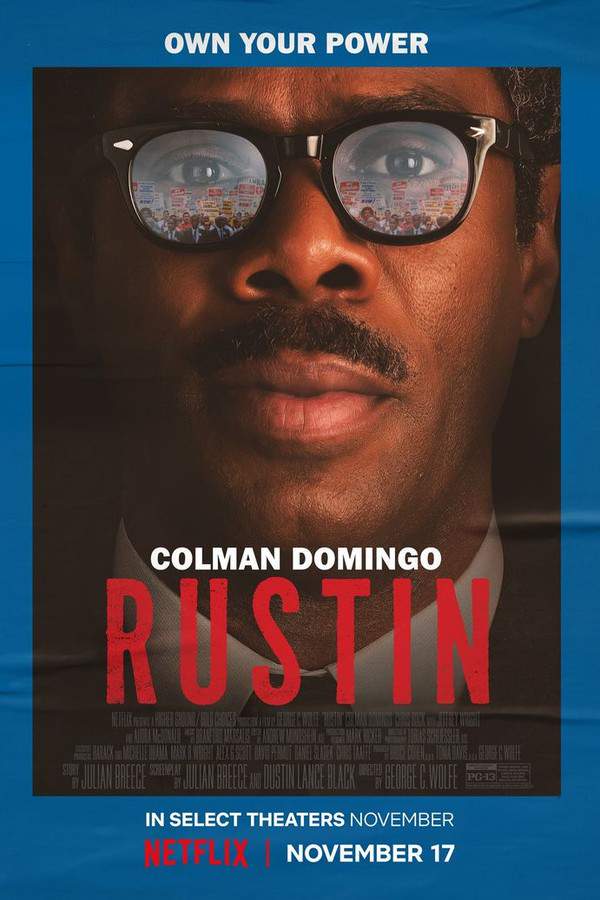
Bayard Rustin was a pivotal figure in the Civil Rights Movement, and this film explores his story as the architect of the 1963 March on Washington. Defying convention, he faced significant challenges as a gay man working for equality. The film highlights his unwavering commitment to his beliefs and his determination to shape history, despite facing personal and professional obstacles. His legacy continues to inspire the fight for justice and human rights.
Find where to stream, rent, or buy Rustin (2023) in the US with current JustWatch availability, up-to-date pricing, and platform listings for subscription, rental, and digital purchase options.
Warning: spoilers below!
Haven’t seen Rustin yet? This summary contains major spoilers. Bookmark the page, watch the movie, and come back for the full breakdown. If you're ready, scroll on and relive the story!
Still thinking about how Rustin (2023) ended? Here’s a full breakdown of the ending, key final moments, major twists, and the deeper meaning behind the film’s conclusion.
The ending of Rustin celebrates a significant victory in the Civil Rights Movement. After years of struggle, Bayard Rustin successfully orchestrates the historic March on Washington in 1963, which mobilizes around 250,000 people to demand racial equality. The march culminates with Martin Luther King Jr.’s iconic "I Have a Dream" speech, symbolizing hope and unity for a future free of racial discrimination. This powerful event prompts governmental recognition, as President Kennedy and other leaders begin to support civil rights initiatives, leading to the passage of the Civil Rights Act in 1964, which outlaws racial and ethnic discrimination.
Throughout the film, Rustin’s personal story reveals the complex challenges he faced—not only as a Black man fighting systemic racism but also as a gay man whose sexuality was heavily stigmatized. His identity created additional obstacles when his reputation and personal life were attacked or used against him, even within the movement he helped lead. Despite these hardships, Rustin’s unwavering dedication to social justice and equality ultimately helped propel the movement forward. The film concludes with Rustin’s legacy secured through this victorious march, as well as through his continued activism and love, particularly with Walter Neagle, highlighting his lifelong commitment to fighting for both racial and LGBTQ rights.
Last updated: June 25, 2025 at 09:01
Read frequently asked questions about the ending of Rustin (2023), including final-scene interpretation, twist explanations, character outcomes, and the deeper meaning behind the conclusion. This ending explained FAQ is designed for viewers searching for clear spoiler-heavy answers and ending breakdown insights.
The March on Washington succeeds because Bayard Rustin organizes a historic rally that draws approximately 250,000 people to the National Mall. The event culminates in Martin Luther King Jr.'s iconic "I Have a Dream" speech, which becomes a defining moment of the Civil Rights Movement. This massive demonstration forces President Kennedy and other political leaders to publicly support civil rights initiatives, ultimately leading to the passage of the Civil Rights Act in 1964.
Earlier in the film, Rustin faces numerous obstacles and political opposition that make the march's success seem uncertain.
Bayard Rustin successfully orchestrates the March on Washington, securing his place in Civil Rights history despite never receiving full public recognition during his lifetime. The film shows his legacy being secured through this monumental event, along with his continued activism and personal life with Walter Neagle. His determination to fight for both racial and LGBTQ rights persists beyond the march.
Throughout the film, Rustin's resilience in the face of personal and professional attacks foreshadows his ability to achieve this historic victory.
The film explicitly shows that Rustin faced additional obstacles as a gay man whose personal life was used against him, even within the movement he helped lead. His sexuality was heavily stigmatized in the 1960s, creating barriers to public recognition. Despite these challenges, his unwavering dedication to social justice ultimately helped propel the movement forward, and the film highlights his commitment to fighting for both racial and LGBTQ rights.
Earlier scenes depict Rustin navigating the complex politics of the Civil Rights Movement while hiding his sexuality due to the stigma of the era.
The "I Have of Dream" speech serves as the emotional climax of the March on Washington and symbolizes hope and unity for a future free of racial discrimination. The film portrays MLK's delivery of this speech as the defining moment that convinces President Kennedy and Congress to support civil rights legislation. This iconic address becomes the lasting image of the movement's achievements.
The build-up to the march emphasizes the pressure to deliver a powerful speech that would resonate nationally.
While Rustin is the principal architect of the March on Washington, the film acknowledges that he never received full public recognition during his lifetime due to political attacks on his character and sexuality. However, the film frames the successful march itself as his lasting legacy, with the ending celebrating the monumental victory he helped create. The passage of the Civil Rights Act in 1964 represents the fulfillment of his life's work.
Throughout the film, Rustin is repeatedly marginalized and excluded from credit despite being the organizer behind major movements.
The film concludes with Rustin's relationship with Walter Neagle being highlighted as a source of personal fulfillment and support. Their partnership is shown as a constant in Rustin's life throughout the struggle, providing him with love and stability. The ending emphasizes that despite the personal sacrifices and political battles, Rustin maintained his personal relationships while continuing his activism.
Earlier scenes establish Walter Neagle as Rustin's supportive partner who stands by him through the movement's challenges.
The film presents a bittersweet ending that acknowledges the immense personal sacrifices Rustin made as both a Black man fighting systemic racism and a gay man facing additional stigmatization. Despite achieving a historic victory with the March on Washington, the ending does not sugarcoat the costs, Rustin faced personal attacks, professional setbacks, and lived without public acknowledgment of his contributions. The victory came at significant personal expense.
The narrative consistently shows Rustin facing betrayals, threats of exposure, and political manipulation throughout the film.
The ending conveys that Rustin's legacy is secured through the historic March on Washington and his continued fight for both racial and LGBTQ rights. Despite being overlooked historically, the film positions him as an essential figure whose dedication helped shape the Civil Rights Movement. The message emphasizes that his work, particularly in organizing the largest civil rights rally in American history, represents an enduring contribution to justice and equality.
The film's consistent focus on Rustin's determination and strategic abilities foreshadows his lasting impact.
Discover curated groups of movies connected by mood, themes, and story style. Browse collections built around emotion, atmosphere, and narrative focus to easily find films that match what you feel like watching right now.
Inspiring stories of the overlooked figures behind monumental social movements.If you were inspired by Rustin, explore other movies like it that tell the true stories of unsung heroes in history. These films focus on the determined individuals behind major social movements, showcasing their personal sacrifices and unwavering commitment to justice.
These narratives typically follow a determined protagonist facing systemic opposition as they work tirelessly towards a historic goal. The journey is marked by personal sacrifice, political maneuvering, and the ultimate, bittersweet triumph of contributing to a larger cause.
Movies in this thread share a focus on biographical accuracy, a heavy emotional weight from tackling injustice, and a hopeful tone born from depicting tangible progress, often culminating in a bittersweet but inspiring conclusion.
Tense dramas where meticulous planning meets immense pressure to change the world.For viewers who liked the tense political organizing in Rustin, this section features similar movies about high-stakes campaigns and movements. These dramas capture the methodical build-up, factional conflicts, and immense pressure of trying to orchestrate historic change.
The plot revolves around a clear, ambitious objective—like a major protest or campaign—that must be achieved against a ticking clock and powerful opposition. The story structure is a steady build of logistical and interpersonal challenges, leading to a climactic event that defines success.
These films are grouped by their shared high intensity, steady pacing that builds towards a climactic event, and a core theme of collective action overcoming adversity. They blend heavy emotional themes with a sense of hopeful determination.
Don't stop at just watching - explore Rustin in full detail. From the complete plot summary and scene-by-scene timeline to character breakdowns, thematic analysis, and a deep dive into the ending - every page helps you truly understand what Rustin is all about. Plus, discover what's next after the movie.
Read a complete plot summary of Rustin, including all key story points, character arcs, and turning points. This in-depth recap is ideal for understanding the narrative structure or reviewing what happened in the movie.
Track the full timeline of Rustin with every major event arranged chronologically. Perfect for decoding non-linear storytelling, flashbacks, or parallel narratives with a clear scene-by-scene breakdown.
Discover the characters, locations, and core themes that shape Rustin. Get insights into symbolic elements, setting significance, and deeper narrative meaning - ideal for thematic analysis and movie breakdowns.
Discover movies like Rustin that share similar genres, themes, and storytelling elements. Whether you’re drawn to the atmosphere, character arcs, or plot structure, these curated recommendations will help you explore more films you’ll love.
Rustin (2023) Plot Summary & Movie Recap
Rustin (2023) Scene-by-Scene Movie Timeline
Rustin (2023) Movie Characters, Themes & Settings
Rustin (2023) Spoiler-Free Summary & Key Flow
Movies Like Rustin – Similar Titles You’ll Enjoy
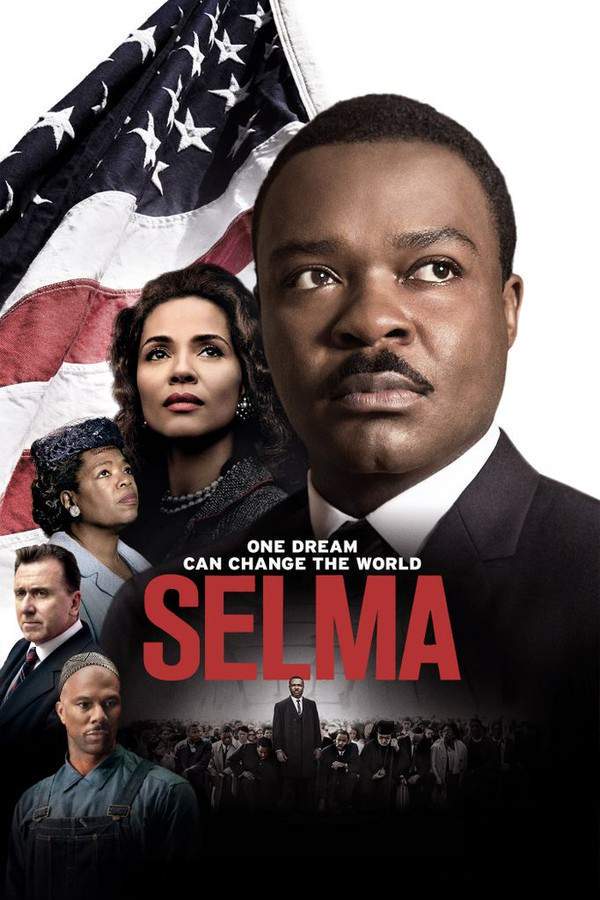
Selma (2014) Full Movie Breakdown
Soundtrack for a Revolution (2010) Plot Summary & Ending Explained
Get on the Bus (1996) Story Summary & Characters
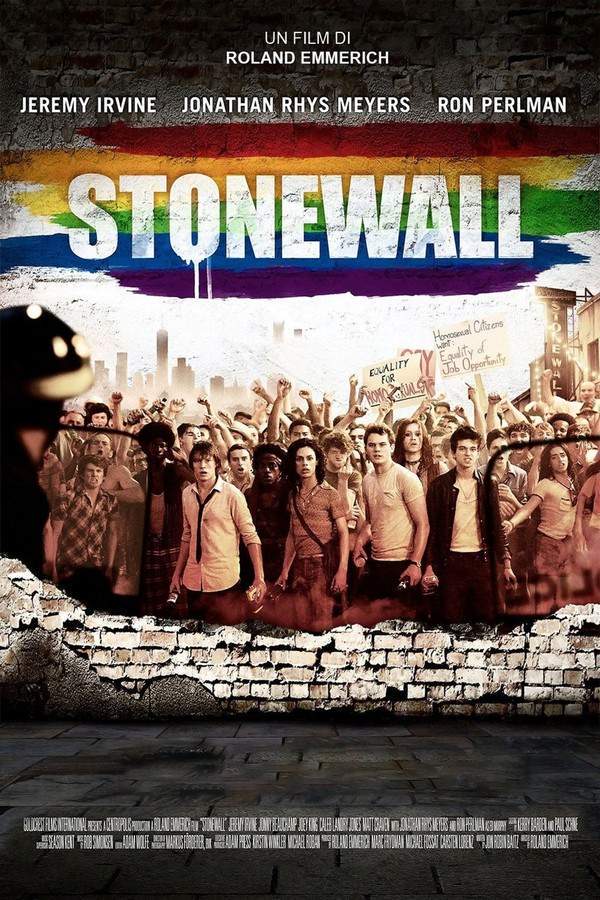
Stonewall (2015) Ending Explained & Film Insights
Stonewall Uprising (2010) Ending Explained & Film Insights
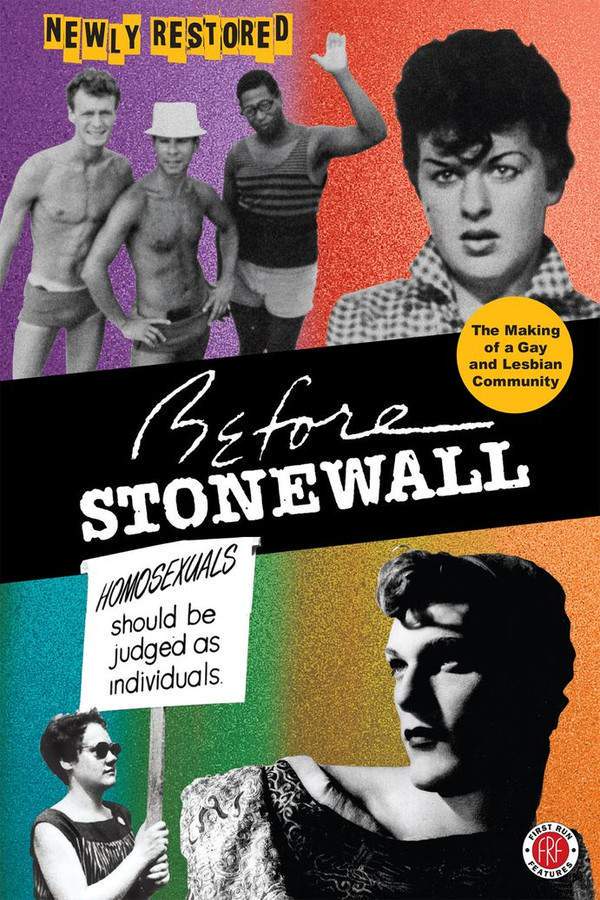
Before Stonewall (1985) Full Movie Breakdown
Citizen King (2004) Detailed Story Recap
Brother Outsider: The Life of Bayard Rustin (2003) Full Movie Breakdown
Boycott (2001) Full Movie Breakdown
A Place of Rage (1991) Detailed Story Recap
Pat Rocco Dared (2021) Detailed Story Recap
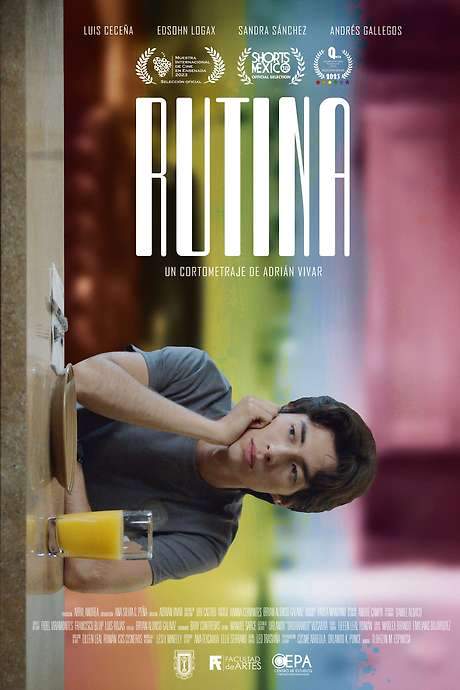
Rutina (2022) Film Overview & Timeline
Stonewall (1995) Detailed Story Recap
The Bus (1965) Movie Recap & Themes
Dr. Martin Luther King, Jr.: A Historical Perspective (1994) Film Overview & Timeline