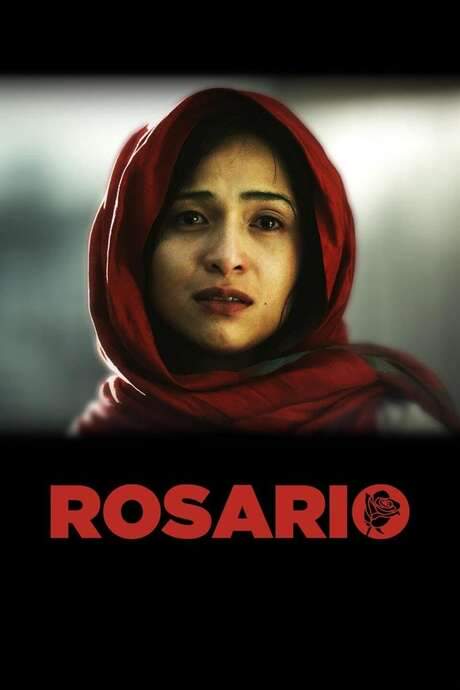
Rosario
Year: 2010
Runtime: 120 mins
Language: Tagalog
Based on a true story and set during a vibrant era of Philippine history, Rosario aspires to become a modern masterpiece of Filipino cinema. The film offers a monumental yet intimate portrait of a woman's journey toward emancipation, exploring the often painful consequences of pursuing her deepest desires.
Warning: spoilers below!
Haven’t seen Rosario yet? This summary contains major spoilers. Bookmark the page, watch the movie, and come back for the full breakdown. If you're ready, scroll on and relive the story!
Timeline & Setting – Rosario (2010)
Explore the full timeline and setting of Rosario (2010). Follow every major event in chronological order and see how the environment shapes the story, characters, and dramatic tension.
Last updated: November 22, 2025 at 15:40
Main Characters – Rosario (2010)
Meet the key characters of Rosario (2010), with detailed profiles, motivations, and roles in the plot. Understand their emotional journeys and what they reveal about the film’s deeper themes.
Last updated: November 22, 2025 at 15:40
Major Themes – Rosario (2010)
Explore the central themes of Rosario (2010), from psychological, social, and emotional dimensions to philosophical messages. Understand what the film is really saying beneath the surface.
Last updated: November 22, 2025 at 15:40
Rosario (2010) Character & Theme Questions Answered – Info FAQ
Browse frequently asked questions about Rosario (2010) focused on characters, relationships, themes, symbols, setting, and story context. This movie info FAQ gives spoiler-aware explanations for character arcs, world details, and thematic interpretation so readers can better understand what the film is really about.
Where is the movie set?
The story unfolds across multiple locations including a Philippine hacienda and tobacco plantation, Manila, Hong Kong, and briefly New York City. The primary settings shift from rural plantation life to urban centers, reflecting Rosario's journey through different social spheres and her periods of exile.
When does the story take place?
The film is set in the 1920s Philippines, a period marked by Western influence and evolving social mores within a colonial context. This era captures the tension between modern, cosmopolitan desires and traditional expectations that defines Rosario's conflict.
Who is Rosario?
Rosario is a sophisticated Filipina flapper whose journey spans from New York glamour to a Philippine hacienda, exile in Hong Kong, and motherhood. Her passionate choices confront rigid social norms, leading to scandal, a fractured family, and a lifelong longing for forgiveness that shapes the narrative across generations.
Who is Vicente Velez?
Vicente Velez is an older tobacco plantation manager and Rosario's husband. His marriage to Rosario is strained by desire and illness. When he discovers Rosario's infidelity, he triggers legal actions and a broken partnership, embodying the era's stern moral judgments and the fragility of long-term commitments.
Who is Alberto Fernandez?
Alberto Fernandez is Rosario's lover and the father of her son Jesus. His relationship with Rosario disrupts her marriage and life trajectory, illustrating the personal costs of passion and the complexities of loyalty within family networks.
What does the film say about female identity and agency?
Rosario embodies a modern woman challenging social constraints, navigating love, debt, and public judgment. Her evolution from a glamorous flapper to a resilient mother and survivor reflects the struggle for personal autonomy within a patriarchal society.
How does the film explore morality and law?
The adulterous acts trigger legal action and exile, illustrating how institutions enforce moral norms. The court ruling and resulting exile disrupt lives and shape future relationships, highlighting the gap between legal verdicts and personal healing.
What role does guilt and redemption play in the story?
Across decades and cities, Rosario seeks forgiveness from those she loves and from herself. The narrative suggests that redemption is possible, though often delayed, as fractured families inch toward reconciliation. The enduring question is whether forgiveness can repair the damage of past choices.
What is the romance and scandal theme about?
Rosario's passionate affairs with Vicente and Alberto drive the plot and destabilize her life. The film examines how intense love clashes with societal judgment and the consequences of pursuing desire in a conservative era. Scandal reshapes families, reputations, and fortunes, revealing the personal costs of forbidden love.
Who is Carding and what is his role?
Carding is Miguel Delgado's caretaker who desires Rosario. His violent jealousy when he suspects infidelity catalyzes Rosario's ongoing misfortunes and contributes to the tragedy surrounding the family.
Who is Miguel Delgado?
Miguel Delgado is the owner of the apartment complex where Rosario and Alberto reside after exile. His life intersects with Rosario's and Carding's tensions, culminating in a fatal confrontation that marks a turning point for Rosario's stability and safety.
Who is Soledad?
Soledad, also known as Maria Rosario, is Rosario's daughter who grew up performing piano in Manila. Her name echoes family history while highlighting the emotional distance between mother and daughter; she represents the new generation navigating the shadows of her mother's past.
Why is the hacienda setting important?
The Philippine hacienda and tobacco plantation represents the world of traditional power and social hierarchy where Rosario arrives from New York. It signals a blend of cosmopolitan glamour and rural power, establishing the tension between modern desires and colonial-era social structures.

Explore Movie Threads
Discover curated groups of movies connected by mood, themes, and story style. Browse collections built around emotion, atmosphere, and narrative focus to easily find films that match what you feel like watching right now.
Bittersweet biographical sagas like Rosario
Epic, melancholic journeys through a life marked by both passion and sorrow.For viewers who enjoyed the emotional journey of Rosario, this section features movies that tell expansive, often true-life stories. These films share a steady pacing, heavy emotional weight, and a melancholic tone, following characters across decades as they navigate love, loss, and their place in history.

Wintersleepers
1997
All My Puny Sorrows
2022

Ballad of a Small Player
2025
Sweet Bird of Youth
1962

I’ll Follow You Down
2013

Soundtrack
2011

Summer in February
2014

Interior
2018
Man of a Thousand Faces
1957

Along Came Love
2023

Message in a Bottle
2025

Comrades, Almost a Love Story
1996

The Land of Steady Habits
2018

Beneath the Harvest Sky
2014

The World Changes
1933
Narrative Summary
Stories in this thread follow a linear or reflective structure, tracing a character's life from youth to old age. The central conflict typically arises from their defiance of convention, leading to a series of consequences—scandal, exile, financial ruin—that shape their destiny, culminating in a reflective and emotionally complex ending.
Why These Movies?
Movies are grouped here for their shared focus on a single, deeply explored life, their methodical pacing that allows for full immersion in the character's world, and their dominant melancholic tone. They offer a similar viewing experience of heavy emotional investment in a person's triumphs and tragedies.
Movies about defiant women in rigid societies like Rosario
Stories of women who challenge social norms, facing severe consequences for their passions.If you liked Rosario's story of a woman challenging social norms, explore these films featuring strong female leads who defy convention. These dramas often involve themes of adultery, financial independence, and family conflict, set against a backdrop of strict societal rules, resulting in tense and emotionally heavy narratives.

Disobedience
2018

True Women for Sale
2008

Madame X
1966

When a Woman Ascends the Stairs
1960

The Old Maid
1939

Fallen Hearts
2019
The Duchess of Langeais
2008
Madame Bovary
2015
The Lost Daughter
2021

Everybody’s Woman
1934
The Season of Men
2001
Confession
1937

Born to Be Bad
1934

Tear This Heart Out
2008

Mrs. Soffel
1984
Narrative Summary
The narrative pattern follows a woman's rebellion against the constraints of her family, class, or era. Her actions—often a passionate affair or a business venture—trigger a chain of events involving social scandal, financial upheaval, and fractured relationships, testing her resilience and forcing a redefinition of her identity.
Why These Movies?
These films are connected by their central theme of female defiance and the intense personal costs that follow. They share a similar emotional weight, a steady, character-driven pace, and a focus on the clash between individual desire and oppressive social structures, making the viewer empathize deeply with the protagonist's struggle.
Unlock the Full Story of Rosario
Don't stop at just watching - explore Rosario in full detail. From the complete plot summary and scene-by-scene timeline to character breakdowns, thematic analysis, and a deep dive into the ending - every page helps you truly understand what Rosario is all about. Plus, discover what's next after the movie.
Rosario Summary
Read a complete plot summary of Rosario, including all key story points, character arcs, and turning points. This in-depth recap is ideal for understanding the narrative structure or reviewing what happened in the movie.

Rosario Timeline
Track the full timeline of Rosario with every major event arranged chronologically. Perfect for decoding non-linear storytelling, flashbacks, or parallel narratives with a clear scene-by-scene breakdown.


