








Plot Explained Spoilers guaranteed!
Plot Explained

Browse by genre

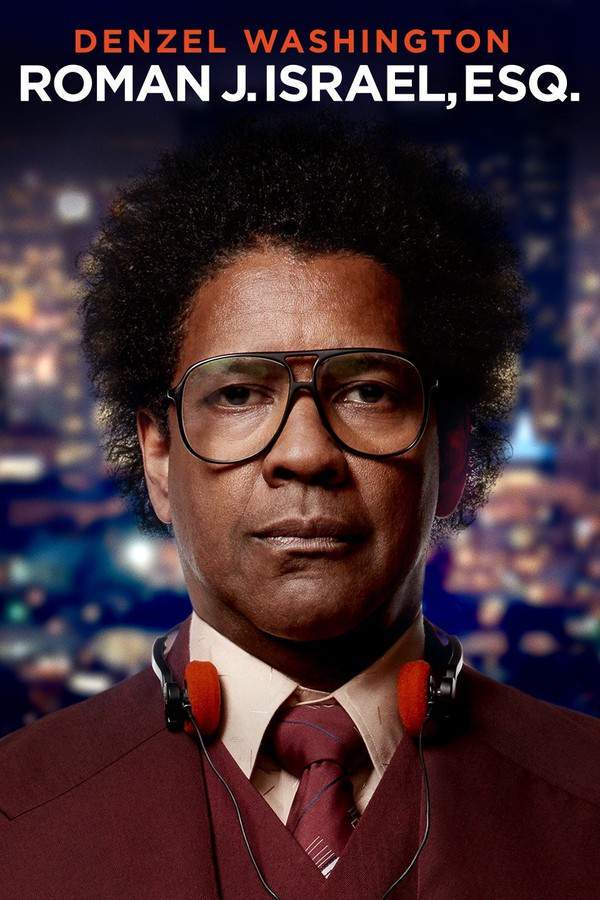
Roman J. Israel, Esq. (2017) movie poster

Timeline

Roman J. Israel, Esq. (2017) Timeline Explained – Every Event in Order

Release, runtime and language
2017 · 122 min · English
Echo score 67
JustWatch #2,098 31
Directed by
Dan Gilroy
Starring
Colin Farrell, Carmen Ejogo, Niles Fitch, Denzel Washington, Amari Cheatom, Tony Plana
Budget
$22M

After the unexpected death of his mentor, the respected civil rights advocate William Henry Jackson, idealistic defense attorney Roman J. Israel finds himself at a crossroads. He must adjust to a new environment at George Pierce’s successful law firm, grappling with the firm’s more pragmatic approach. When he takes on the case of Langston Bailey, a young man accused of murder, Roman’s legacy and deeply held convictions are put to the ultimate test, forcing him to re-evaluate his principles.

On this page (6)
  1. 1 Where to watch
  2. 2 Events in order (15)
  3. 3 Timeline questions answered
  4. 4 Movie threads
  5. 5 Movies like Roman J. Israel, Esq.
  6. 6 Every angle

Where to watch

Where to Watch Roman J. Israel, Esq. (2017)

Where can you watch Roman J. Israel, Esq.? Stream, rent or buy it in the US, including on YouTube Free, Amazon Video and Apple TV Store: current JustWatch availability with up-to-date prices.

Streaming availability powered by JustWatch

15 events in order · contains spoilers

Roman J. Israel, Esq. Timeline: Events in Chronological Order

Every key event of Roman J. Israel, Esq. (2017) in order, scene by scene, with when and where it takes place. Use it to untangle flashbacks, time jumps and parallel storylines, to refresh your memory before the sequel or to find the exact scene you are thinking of.

  1. Roman J. Israel's Declaration

    The film opens with Roman J. Israel typing up a legal brief in which he argues that he is suing himself for disbarment. His conviction stems from a belief that he has violated his own principles, setting the stage for his internal struggle throughout the story.

    Where
    Law Office
  2. Heart Attack Crisis

    Roman receives a distressing call from his secretary, informing him that his law partner has suffered a heart attack. Left on his own, Roman must navigate the firm's ongoing cases, refusing to seek a continuance despite the circumstances.

    Where
    Law Office
  3. Courtroom Incident

    Determined to defend a defendant, Roman appears in court and crafts an impassioned argument. This leads to a contentious exchange with the judge, resulting in Roman being held in contempt and fined $5,000, highlighting his unyielding approach to justice.

    Where
    Courtroom
  4. Facing Financial Struggles

    Upon returning to his office, Roman meets the daughter of his partner, along with George Pierce, who reveal the grim financial situation of the firm. They acknowledge Roman's skills but caution that the firm's future looks bleak, foreshadowing challenges ahead.

    Where
    Law Office
  5. Flashback to Civil Rights

    Through flashbacks, the narrative explores Roman's deep involvement in the civil rights movement of the 1960s. This history reveals the significant influence his firm held during that era, adding depth to Roman's character and motivations.

    When
    1960s
  6. Speaking to Young Activists

    Maya Alston invites Roman to address a group of young protesters, where he provides essential legal advice. The interaction leads to a clash over gender dynamics, revealing Roman's struggles to adapt to the evolving societal expectations.

    Where
    Community Center
  7. Compassion for the Homeless

    After the protest, Roman and Maya encounter a homeless man who has collapsed. In a moment of compassion, Roman slips his business card into the man's pocket, wanting to remind him of his humanity. Maya is touched by this gesture, respecting his empathy.

    Where
    Street
  8. Job Offer from George

    George recognizes the community's need for Roman's services and offers him a job opportunity that emphasizes pro-bono work. This pivotal moment reflects a shift in George's understanding of the firm’s priorities and the impact they can have.

    Where
    Law Office
  9. The Murder Case

    Roman takes on a challenging case involving a young man accused of murder who reveals vital information. The case also comes with a $100,000 bounty for those involved, placing Roman in a morally ambiguous position as he weighs justice against personal gain.

  10. Transformation and Luxury

    With newfound cash in hand, Roman indulges in a luxurious lifestyle, treating himself to gourmet donuts and new clothes. His superficial transformation starkly contrasts with his former self, demonstrating the internal conflict between justice and personal desires.

    Where
    Santa Monica
  11. Dangerous Realizations

    Roman's actions catch up to him when he inadvertently exposes a killer, putting himself in grave danger. In a tense moment, he hastily packs vital legal documents and attempts to flee, illustrating the precarious nature of his situation.

    Where
    Desert
  12. Call from Maya

    Receiving a call from Maya, Roman is jolted back to reality, realizing the importance of his fight for justice. This moment marks a turning point where he chooses to rise above his temptations of luxury and recommit to his principles.

  13. Returning to Fight

    Roman's determination to pursue meaningful change is reignited in a conversation with George. He steps onto the street ready to continue his battle for justice, though he remains haunted by the implications of his previous choices.

  14. Ambiguous Conclusion

    As Roman walks away, he notices a man following him, leading to a tense moment before a gunshot is heard. The scene fades to Roman's briefcase on the ground, leaving the audience questioning his fate and the consequences of his actions.

    Where
    Street
  15. Legacy of Justice

    In the final moments, George enters a courthouse carrying Roman's legal briefs, symbolizing the continuation of Roman's fight for justice. The narrative concludes with a sense of hope, as his legacy inspires a new generation to advocate for reform within the legal system.

    Where
    Courthouse

Last updated: November 03, 2024 at 23:41

Was this helpful?

Timeline questions answered

Roman J. Israel, Esq. Timeline Explained: Your Questions Answered

When does it happen, and why in that order? The questions people ask about the chronology of Roman J. Israel, Esq. (2017): time jumps, flashbacks, cause and effect between scenes and the correct order of events, each answered with spoilers.

Q1

Why does Roman take the $100,000 bribe?

Roman takes the money because he feels undervalued and uncompensated for years of underpaid legal work. After seeing colleagues who pursued money rather than justice succeed financially while he struggled, the large sum represents both a temptation and a form of recognition he believes he deserves. The bounty offers him a way out of his financial struggles and a chance at the luxuries he's been denied.

Foreshadowing: Earlier, Roman observes that other attorneys who compromised their principles ended up wealthy while he remained devoted but poor.

  • roman bribe
  • murder case
  • bounty
  • 100000 dollars
  • langston bailey
Q2

What happens to Roman at the end of the movie?

Roman is ambushed and shot by a stalker while walking down the street with George. The film cuts to his briefcase lying abandoned on the ground, leaving his fate ambiguous, it's unclear whether he dies or is seriously injured. However, his legacy continues as George picks up his legal briefs and carries them into court, suggesting his fight for justice will live on through others.

Foreshadowing: Roman's earlier exposure of the killer's identity put him in grave danger, and the film consistently hints at the deadly consequences of his actions.

  • roman death
  • final scene
  • gunshot
  • ambiguous ending
  • george pierce
Q3

Why does Roman expose the killer's identity for the reward?

Roman exposes the killer because taking the bribe already compromised his principles, making him more willing to make further ethical compromises. By revealing the killer's identity to claim the $100,000 bounty, he essentially trades justice for personal gain, violating everything he previously stood for and putting the actual murderer at risk of retaliation.

Foreshadowing: This escalation follows naturally from his decision to take the bribe in the first place, showing his gradual moral decline.

  • killer identity
  • bounty
  • reward
  • exposed
  • prison inmate
Q4

Why is Roman suing himself in the opening scene?

Roman sues himself for disbarment because he believes he has violated his own moral and legal principles. This dramatic legal document represents his deep internal conflict, he sees himself as a hypocrite who has strayed from the ideals of civil rights advocacy he once championed. The self-lawsuit symbolizes his crisis of conscience and sets up his character arc throughout the film.

Foreshadowing: This self-accusation foreshadows the moral compromises Roman will make later in the film, showing he already knows he's capable of falling from grace.

  • disbarment
  • self-suit
  • principles
  • legal brief
  • moral conflict
Q5

What causes Roman to return to fighting for justice?

A phone call from Maya Alston jolts Roman back to reality. When he hears her voice and recognizes his responsibility to the community and the causes he once championed, he abandons his attempt to flee with the money. His conversation with George afterward reinforces his commitment to pursue meaningful legal reform rather than live a life of luxury built on ethical compromises.

Foreshadowing: Maya's earlier impressed reaction to his compassion for the homeless man showed she believed in his core goodness, making her call a powerful reminder of who he truly is.

  • maya alston
  • return
  • george pierce
  • principles
  • redemption
Q6

Why does Roman slip his business card to the homeless man?

Roman slips his card to the homeless man because he wants to ensure the man is treated as a person with identity and worth, not just another anonymous statistic. This act of compassion reflects Roman's deep-rooted belief in human dignity, something he developed during his civil rights work. It's one of the few moments where his stated ideals align perfectly with his actions.

Foreshadowing: This moment of genuine kindness contrasts sharply with the moral compromises Roman will later make, highlighting his internal struggle.

  • homeless man
  • compassion
  • business card
  • maya alston
  • dignity
Q7

Why does Roman get held in contempt of court?

Roman gets held in contempt because he aggressively argues for reducing charges against a defendant while refusing to request a continuance despite his partner's sudden heart attack. His combative stance and refusal to follow proper procedure irritates the judge, who fines him $5,000. This demonstrates Roman's tendency to prioritize his convictions over practical considerations and his unwillingness to adapt to situations beyond his control.

Foreshadowing: This incident establishes Roman as someone who fights relentlessly for his beliefs, even when it harms his own position.

  • contempt of court
  • fine
  • judge
  • defendant
  • law office
Q8

What does George's final action mean for Roman's legacy?

When George enters the courthouse carrying Roman's legal briefs at the end, it signifies that Roman's life work and commitment to legal reform will continue through him. Despite Roman's moral fall and ambiguous fate, his decades of advocacy and the documents he prepared for long-term social justice reform will live on. This provides a bittersweet resolution, Roman's personal story ends tragically, but his mission survives.

Foreshadowing: George's earlier transformation, pushed by Roman's presence at the firm, showed he was already beginning to embrace pro-bono work and social justice causes.

  • george pierce
  • legacy
  • courthouse
  • legal briefs
  • reform
Q9

What is the $100,000 bounty case Roman takes on?

The bounty case involves Langston Bailey, a young man accused of murder who possesses critical information about the crime. A $100,000 reward is offered for anyone who helps solve this major case. Roman initially takes on the case to represent Bailey pro-bono, but the allure of the bounty ultimately leads him to compromise his ethics by revealing the killer's identity in exchange for the money.

Foreshadowing: The large bounty creates the central moral dilemma that drives Roman's downfall throughout the film.

  • langston bailey
  • murder case
  • bounty
  • pro-bono
  • reward
Q10

What do the flashbacks to the 1960s civil rights movement reveal?

The flashbacks establish Roman's deep involvement in the civil rights movement and show why he holds such strong convictions about justice and equality. They demonstrate that his firm was once influential in fighting for legal rights, explaining his lifelong dedication to pro-bono work and social justice. This history makes his later moral compromises more tragic, he was once a principled advocate who now struggles to maintain those same principles.

Foreshadowing: These flashbacks provide context for why Roman's current compromises are so painful to witness, they represent a fall from a noble past.

  • civil rights movement
  • 1960s
  • flashbacks
  • law firm
  • history

Movie threads

More Movies Like Roman J. Israel, Esq., by Mood & Story

Curated lists built around what makes Roman J. Israel, Esq. tick: the same mood, the same kind of story or the same emotional payoff. Each list explains why these movies belong together.

Movies about idealism vs pragmatism like Roman J. Israel, Esq.

Stories about characters whose deeply held principles are tested by a cynical world. If you liked the moral struggle in Roman J. Israel, Esq., you'll find similar stories here. These films feature protagonists grappling with the erosion of their ideals, offering intense, character-driven dramas about ethical compromises in professional and personal lives.

  • moral conflict
  • soul-searching
  • anxious
  • introspective
  • gripping
  • melancholic
  • Tone: dark, morally conflicted
  • Pacing: steady, character-driven
Why these movies?

The story pattern: The narrative typically follows a principled protagonist entering a system or situation that operates on contrary, often cynical, rules. The central conflict is internal, as the character is tempted or forced to bend their morals, leading to a crisis of conscience and a re-evaluation of their identity and legacy.

Why they belong together: Movies are grouped here for their shared focus on the theme of moral compromise. They feature a similar emotional journey of disillusionment, a dark and heavy tone, and a steady pacing that allows the psychological pressure on the protagonist to build convincingly.


Slow burn psychological dramas like Roman J. Israel, Esq.

Character studies where internal pressure leads to a gradual breakdown. Fans of the anxious, unraveling vibe of Roman J. Israel, Esq. will appreciate these movies. They share a steady pacing and high intensity, focusing on a single character's internal collapse due to moral, professional, or existential pressures.

  • anxious
  • gripping
  • introspective
  • uneasy
  • soul-searching
  • melancholic
  • Tone: dark, anxious, melancholic
  • Pacing: steady, slow burn
Why these movies?

The story pattern: The narrative pattern involves a focused, steady build-up of stressors on a single character. Each event compounds the last, chipping away at their resolve or sanity. The story is less about external action and more about the detailed observation of a psyche coming undone, often culminating in a tragic or bittersweet conclusion.

Why they belong together: These films are connected by their shared mood of anxious dread and a deliberate pacing that makes the character's unraveling feel inevitable. They deliver a heavy emotional weight through an intensely focused, internal character journey.

If you liked this

Movies Like Roman J. Israel, Esq.

Similar movies to Roman J. Israel, Esq.: the same genre, themes or kind of story. Each one comes with its own plot summary, timeline and ending explained.

Browse all movie summaries

Every angle

Roman J. Israel, Esq. (2017) Explained: Plot, Timeline & Characters

Everything about Roman J. Israel, Esq. in one place: what happens in the plot summary, the timeline in chronological order, the characters and meaning and a spoiler-free summary. What's After the Movie adds the cast, box office and post-credit scenes.

Coming soon on iOS and Android

The Plot Explained Movie Summary App

Plot summaries, endings explained and timelines on your phone. Catch up on any movie in minutes, save your favorites and never miss a twist again.

Be the first to know when we launch. Your email stays private, always.

Learn more about the app