Plot Explained Spoilers guaranteed!
Plot Explained

Browse by genre

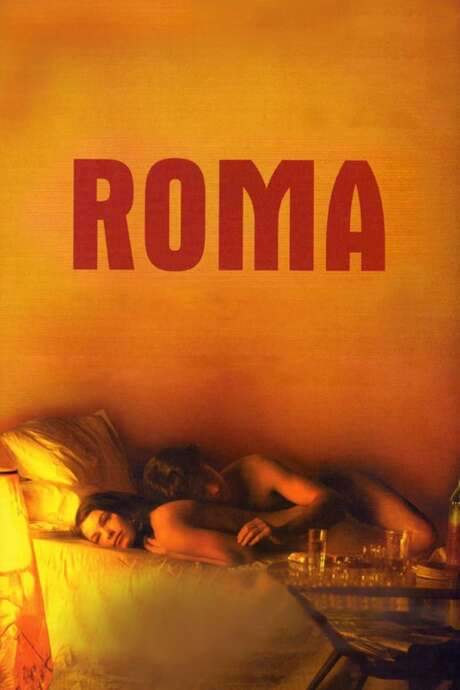
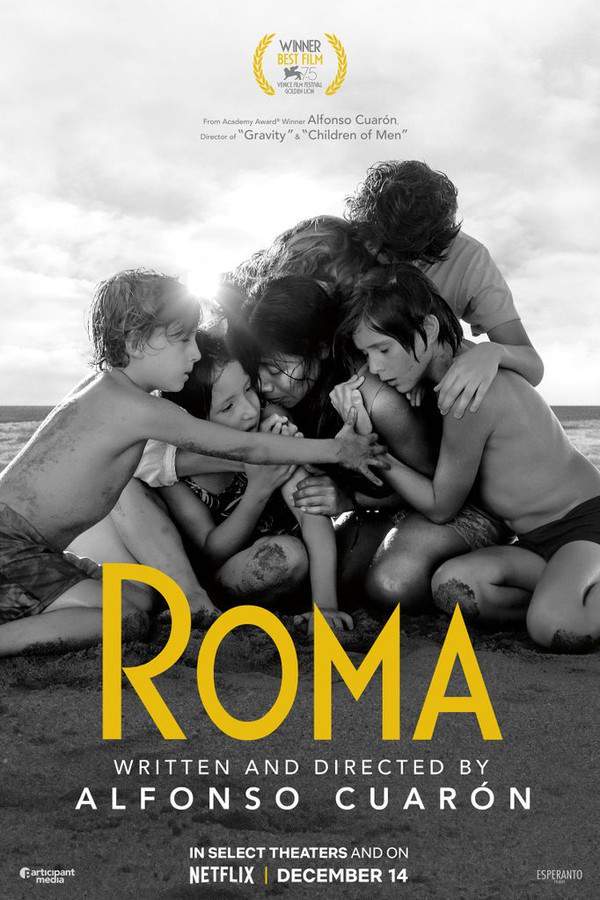
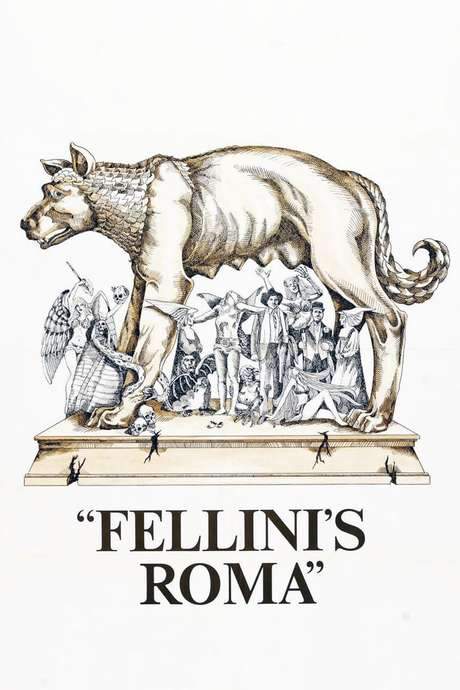
Roma (1972) movie poster

Characters & Themes

Roma (1972) Characters, Setting & Themes Explained

Release, runtime and language
1972 · 120 mins · Italian
Loading streaming availability…
Starring
Marcello Mastroianni, Federico Fellini, Alberto Sordi, Cassandra Peterson, Gore Vidal, Feodor Chaliapin Jr.

The fall of the Roman Empire 1931-1972. A virtually plotless, gaudy, impressionistic portrait of Rome through the eyes of one of its most famous citizens.

On this page (8)
  1. 1 Where to watch
  2. 2 Characters explained (6)
  3. 3 Where & when it takes place
  4. 4 Themes & meaning (3)
  5. 5 Character & meaning questions
  6. 6 Movie threads
  7. 7 Movies like Roma
  8. 8 Every angle
Loading streaming availability…

6 main characters · contains spoilers

Roma Characters Explained: Who Is Who

The main characters of Roma (1972), heroes and villains: what drives them, how they change over the course of the story and what each of them reveals about the film's bigger ideas.

  • Fellini (Self)

    played by Federico Fellini

    The filmmaker narrates his own youth in Rome, guiding the viewer through the city’s chaotic beauty. He moves through guesthouses, streets, and a spectrum of characters, shaping the film’s autobiographical mood. His perspective anchors the memory of a city that is both affectionate and critical.

    • 🎬 Autobiographical
    • 🧭 Perspective
    • 🛣️ Memory
  • Princess Domitilla

    played by Pia De Doses

    An elderly noblewoman staging an extravagant liturgical fashion show for a Cardinal, priests, and nuns. The scene juxtaposes sacred pomp with theatrical spectacle, underscoring themes of religion, power, and decadence.

    • 👑 Aristocracy
    • 🕊️ Religion
    • 🎪 Spectacle
  • Cardinal Ottaviani

    played by Renato Giovannoli

    A high-ranking church figure who partakes in the lavish procession and fashion spectacle. His presence contrasts sacred ceremony with flamboyant display, highlighting themes of authority and ritual.

    • 🙏 Religion
    • 🏛️ Authority
    • 🎭 Spectacle
  • Dolores

    played by Fiona Florence

    A young prostitute encountered by Fellini in a stylish brothel. Her presence captures themes of desire, vulnerability, and the city’s underbelly, offering a counterpoint to the film’s more ceremonial images.

    • 💋 Prostitution
    • 🕯️ Desire
    • 🗺️ Urban life
  • Anna Magnani

    The legendary actress appears in the street during shooting, a fleeting cameo that adds a layer of meta-textual resonance and poignancy to the film’s Rome.

    • 🎬 Cameo
    • 🌟 Icon
    • 🕰️ Memory
  • Mussolini Lookalike

    A Benito Mussolini lookalike features in the guesthouse milieu, signaling the film’s engagement with Fascist imagery and the city’s political memory without foregrounding it.

    • 🕶️ Politics
    • 🗺️ Memory
    • 🎭 Spectacle

Last updated: February 19, 2026 at 09:16

Was this helpful?

Setting

Where and When Does Roma Take Place?

The setting of Roma (1972): the year and time period, the places and locations, and how they shape the characters, the mood and the tension of the story.

Time period

1930s and 1970s

The movie juxtaposes Rome during Mussolini's Fascist regime in the 1930s with scenes set in the 1970s. It uses these periods to explore memory, youth, and the social contrasts of a city undergoing change. The time layers emphasize how the past persists in the present and how memory shapes perception of the city.

Location

Rome, Italy

Rome serves as the film's living backdrop, where traffic grows into a portrait of the city. The narrative journeys through its streets, vaudeville theatres, catacombs, and crowded guesthouses. The city is shown across two eras—the Fascist-ruled 1930s and a vibrant, later period in the 1970s—revealing Rome as both stage and memory.

  • 🏛️ Rome
  • 🎭 Italian cinema
  • 🏙️ Historic city

Last updated: February 19, 2026 at 09:16

Was this helpful?

3 major themes

Roma Meaning: Themes & Message Explained

What is Roma (1972) really about? The emotional, social and philosophical themes the film keeps returning to, its symbolism and the message beneath the surface.

  • Nostalgia

    The film functions as a memory piece, recalling Fellini's youth through a mosaic of encounters and places. Nostalgia is crafted through bustling streets, crowded rooms, and vivid impressions that feel both intimate and theatrical. Memory here is selective, blending charm with decay to construct a personal Rome.

  • Spectacle

    The liturgical fashion show for a Cardinal showcases how ritual and performance can parody religion and power. Across brothels, theatres, and public squares, ordinary life is staged as cinema, blurring lines between reality and artifice. The film treats spectacle as both critique and magnet, drawing viewers into its carnival milieu.

  • Urban Contrasts

    Rome is depicted as a living archive of wealth, poverty, and appetite. The bustling streets sit beside opulent fashion events and dilapidated brothels, highlighting social divides. The city itself becomes a character—shifted by time, yet constant in its ability to astonish and overwhelm.

Last updated: February 19, 2026 at 09:16

Was this helpful?

Character & theme questions

Roma Characters & Meaning: Your Questions Answered

The questions people ask about Roma (1972): who the characters really are, their relationships, what the symbols mean, where it takes place and what the movie is really about. Each answer contains spoilers.

Q1

What locations are featured in Roma?

Roma uses Rome as its primary setting, showcasing the city's streets, vaudeville theatres, catacombs, and crowded guesthouses. The film presents Rome across two distinct eras, the Fascist-ruled 1930s and the vibrant 1970s, transforming the city into both a living backdrop and a character in itself.

  • rome locations
  • settings
  • vaudeville theatres
  • catacombs
  • guesthouses
Q2

What time periods does Roma portray?

The film jumps between the 1930s during Mussolini's Fascist regime and scenes set in the 1970s. This dual timeline allows director Federico Fellini to explore how the past persists in the present, using memory as a lens to show how Rome's history shapes its contemporary identity.

  • 1930s
  • 1970s
  • fascist regime
  • time period
  • memory
Q3

Who is the narrator of Roma?

Filmmaker Federico Fellini himself narrates the film, guiding viewers through his own youth in Rome. He moves through guesthouses, streets, and encounters a spectrum of characters, shaping the film's autobiographical mood and providing an affectionate yet critical perspective on the city.

  • federico fellini
  • narrator
  • self-portrait
  • filmmaker
Q4

What does the liturgical fashion show in Roma represent?

The extravagant fashion show staged by Princess Domitilla for Cardinal Ottaviani showcases how religious ritual can become theatrical spectacle. The scene parodies the intersection of religion and power, blurring lines between sacred ceremony and flamboyant performance, which is central to the film's exploration of spectacle.

  • fashion show
  • cardinal
  • princess domitilla
  • religion
  • spectacle
  • power
Q5

How does nostalgia function in Roma?

Nostalgia serves as the film's structural foundation, crafted through bustling streets, crowded rooms, and vivid impressions that feel both intimate and theatrical. Memory is selective, blending charm with decay to construct a deeply personal portrait of Rome that reflects Fellini's own recollections of his youth.

  • nostalgia
  • memory
  • fellini youth
  • personal回忆
Q6

How does Roma depict urban contrasts in Rome?

The film presents Rome as an archive of extreme wealth, poverty, and desire existing side by side. Bustling streets sit beside opulent fashion events and dilapidated brothels, highlighting sharp social divides. The city shifts across time yet remains constant in its ability to astonish and overwhelm its inhabitants.

  • urban contrasts
  • wealth
  • poverty
  • social divide
  • city as character
Q7

Who is Princess Domitilla in Roma?

Princess Domitilla is an elderly noblewoman who stages an elaborate liturgical fashion show for a Cardinal, priests, and nuns. Her character embodies the decadence and theatricality of Rome's elite, using religious ceremony as a backdrop for extravagant spectacle.

  • princess domitilla
  • noblewoman
  • fashion show
  • religious ceremony
Q8

How does Roma reference Fascist-era Italy?

The film incorporates a Benito Mussolini lookalike within the guesthouse milieu, signaling its engagement with Italy's political memory without making it the central focus. The 1930s scenes specifically evoke the Fascist period, contrasting it with the later 1970s setting to explore how political history lingers in the city's identity.

  • mussolini
  • fascist
  • 1930s
  • political memory
  • italian history
Q9

What is Anna Magnani's role in Roma?

Legendary actress Anna Magnani makes a fleeting cameo appearance on the street during filming. This meta-textual moment adds poignancy to the film's portrait of Rome, creating a layer of resonance between the city, its cinema history, and the medium itself.

  • anna magnani
  • cameo
  • legendary actress
  • meta-textual
Q10

Who is Dolores in Roma?

Dolores is a young prostitute whom Fellini encounters in a stylish brothel. Her character captures themes of desire and vulnerability while offering a counterpoint to the film's more ceremonial images, revealing the city's hidden underbelly.

  • dolores
  • prostitute
  • brothel
  • desire
  • vulnerability
Q11

What is the theme of spectacle in Roma?

The film treats spectacle as both critique and fascination, using brothels, theatres, and public squares as stages where ordinary life becomes cinema. This theme explores how performance pervades Roman life, blurring boundaries between reality and artifice while drawing viewers into the city's carnival atmosphere.

  • spectacle
  • performance
  • theater
  • reality vs artifice
  • cinema

Movie threads

More Movies Like Roma, by Mood & Story

Curated lists built around what makes Roma tick: the same mood, the same kind of story or the same emotional payoff. Each list explains why these movies belong together.

Atmospheric memory journeys like Roma

Films that wander through nostalgic and disillusioned personal histories. Discover movies like Roma that use a slow, impressionistic pace to explore memory, nostalgia, and societal change. If you enjoyed the personal and reflective feel of Roma, these films offer similar melancholic journeys through time.

  • nostalgic
  • melancholic
  • reflective
  • dreamlike
  • autobiographical
  • satirical
  • Tone: melancholic, reflective, bittersweet
  • Pacing: slow, meandering
Why these movies?

The story pattern: Narratives in this thread are often non-linear and episodic, structured as a series of vignettes or impressions rather than a conventional plot. They follow a character's—or a filmmaker's—reflective journey into the past, uncovering moments of beauty alongside disillusionment and decay.

Why they belong together: These films are grouped by their shared meditative tone, slow pacing, and focus on personal and collective memory. They create a cohesive experience by balancing nostalgic warmth with a clear-eyed view of decay and the passage of time.

Surreal satirical films like Roma

Absurd and surreal films that critique society with dark humor. Looking for movies with the surreal and satirical edge of Roma? These films use dreamlike imagery and dark humor to critique society, art, and politics, creating a uniquely thought-provoking and grotesque viewing experience.

  • satirical
  • grotesque
  • surreal
  • dreamlike
  • critical
  • absurd
  • Tone: satirical, grotesque, surreal
  • Pacing: variable, impressionistic
Why these movies?

The story pattern: Stories often lack a traditional plot, instead presenting a fragmented or allegorical portrait of a world in decline. The narrative structure is unconventional, using absurd vignettes and symbolic imagery to build a satirical argument about its subject.

Why they belong together: Movies in this thread share a commitment to using surreal and grotesque elements as tools for social commentary. They connect through a unique blend of dark humor, visual inventiveness, and a critical, often disillusioned, view of their subject matter.

If you liked this

Movies Like Roma

Similar movies to Roma: the same genre, themes or kind of story. Each one comes with its own plot summary, timeline and ending explained.

Browse all movie summaries

Every angle

Roma (1972) Explained: Plot, Timeline & Characters

Everything about Roma in one place: what happens in the plot summary, the timeline in chronological order, the characters and meaning and a spoiler-free summary. What's After the Movie adds the cast, box office and post-credit scenes.

Coming soon on iOS and Android

The Plot Explained Movie Summary App

Plot summaries, endings explained and timelines on your phone. Catch up on any movie in minutes, save your favorites and never miss a twist again.

Be the first to know when we launch. Your email stays private, always.

Learn more about the app