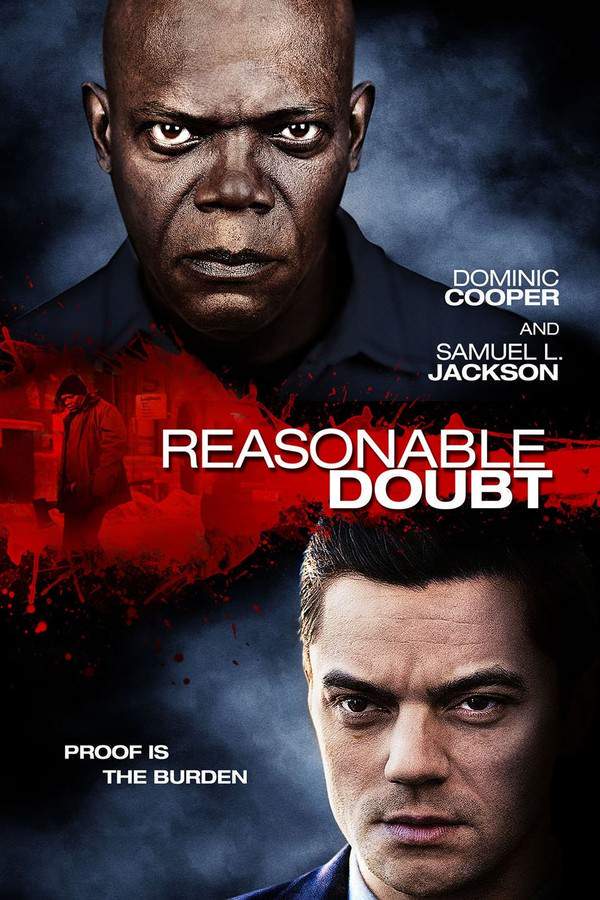
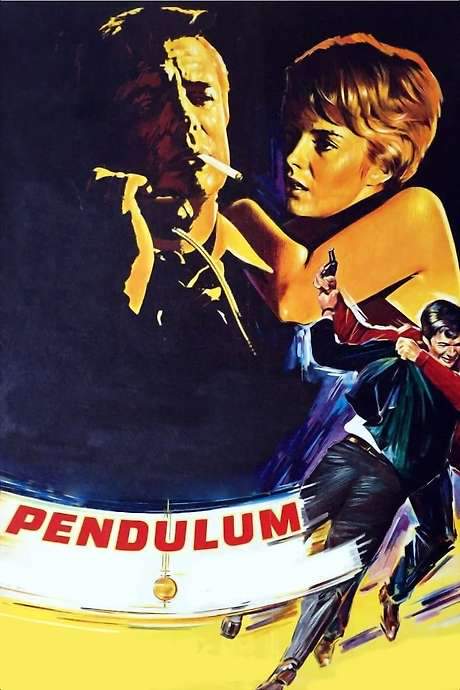
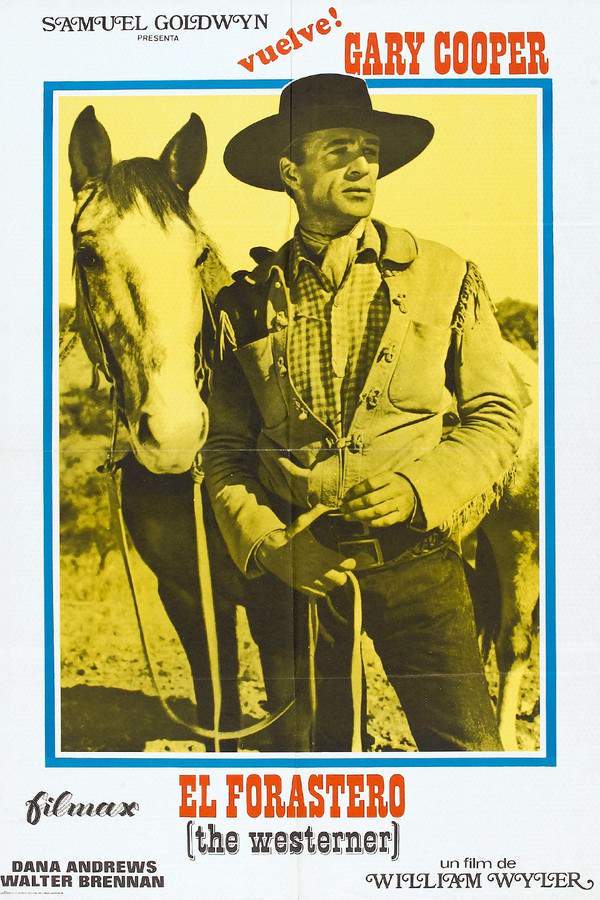
Plot Explained Spoilers guaranteed!
Plot Explained

Browse by genre

River’s End (1940) movie poster

Characters & Themes

River’s End (1940) Characters, Setting & Themes Explained

Release, runtime and language
1940 · 69 mins · English
Loading streaming availability…
Directed by
Ray Enright
Starring
Victor Jory, John Ridgely, George Tobias, James Stephenson, Steffi Duna, David Bruce

After escaping custody, a man assumes the identity of a Royal Canadian Mounted Police officer in a daring effort to clear his name of a murder charge. The film follows the intense pursuit across the frontier, culminating in a suspenseful showdown. Dennis Morgan showcases his range by portraying both the fugitive and his look‑alike counterpart.

On this page (8)
  1. 1 Where to watch
  2. 2 Characters explained (6)
  3. 3 Where & when it takes place
  4. 4 Themes & meaning (3)
  5. 5 Character & meaning questions
  6. 6 Movie threads
  7. 7 Movies like River’s End
  8. 8 Every angle
Loading streaming availability…

6 main characters · contains spoilers

River’s End Characters Explained: Who Is Who

The main characters of River’s End (1940), heroes and villains: what drives them, how they change over the course of the story and what each of them reveals about the film's bigger ideas.

  • John Keith / Sgt. Derry Conniston (Dennis Morgan)

    Wrongly convicted of Cass's murder, Keith escapes and adopts Conniston's appearance to pursue the real killer. His choice to impersonate a Mountie tests his morality, courage, and resolve as he navigates town gossip, police scrutiny, and personal risk. He is driven by a desire to clear his name and reveal the truth.

    • 🪪 Impostor
    • 🧭 Moral dilemma
    • 🕵️‍♂️ Justice
  • Norman Talbot (Victor Jory)

    A charming yet unscrupulous business partner who lies at Keith's expense. He stands to gain from the Cass murder and becomes a principal target once Keith exposes him. His arrogance and fear drive him to attempt to flee with Linda.

    • 💼 Corrupt
    • 🗝️ Motive
    • ⚖️ Suspect
  • Linda Conniston (Elizabeth Inglis)

    Sgt. Conniston's sister, she is initially fooled by Keith's impersonation. Her romance with Talbot complicates the case, and she ultimately earns a medal for her brother's memory after the truth is revealed.

    • 💖 Romance
    • 🧭 Deception
    • 🏅 Honor
  • Andy Dijon (George Tobias)

    Keith's French-Canadian friend who helps him navigate the wilderness and social intrigues. He stirs trouble to trap Crandall, then marries Cheeta, showing the stubborn, humorous side of frontier life.

    • 🤝 Loyalty
    • 🗺️ Navigator
    • 🥂 Romance
  • Crandall (Edward Pawley)

    A suspect in the murder who betrays Keith and drinks trouble. His confession under pressure confirms Talbot's guilt and collapses the defenses around the suspect.

    • 🕵️‍♂️ Suspect
    • 💣 Betrayal
    • 🗝️ Motive
  • Inspector McDowell (James Stephenson)

    Royal Northwest Mounted Police inspector who orders the pursuit and confirms Keith's deception. He brings the case to a close and ensures Talbot's arrest.

    • 👮 Authority
    • 🧭 Investigation
    • ⚖️ Law

Last updated: February 19, 2026 at 23:53

Was this helpful?

Setting

Where and When Does River’s End Take Place?

The setting of River’s End (1940): the year and time period, the places and locations, and how they shape the characters, the mood and the tension of the story.

Time period

Early 1900s

The events unfold in the early 20th century Canadian frontier, during a period when the Royal Northwest Mounted Police enforced order across vast, sparsely populated lands. Frontiers towns, winter isolation, and long journeys by canoe set the rhythm of daily life. The era emphasizes a slow-burning pursuit of justice over miles of wilderness.

Location

River's End, Alberta, Mackenzie River region

A rugged frontier town sits along the river in Alberta, serving as the narrative hub. The story moves through the Canadian North from river valleys to remote cabins, capturing the isolation of frontier life. The setting emphasizes a harsh, weather-driven world where law and rumor shape the community.

  • 🏞️ Frontier town
  • 🧭 Canadian North
  • 🗺️ Remote wilderness

Last updated: February 19, 2026 at 23:53

Was this helpful?

3 major themes

River’s End Meaning: Themes & Message Explained

What is River’s End (1940) really about? The emotional, social and philosophical themes the film keeps returning to, its symbolism and the message beneath the surface.

  • Identity

    John Keith's decision to impersonate Sergeant Conniston thrusts him into a dangerous moral test. The ruse probes how truth, duty, and personal ethics can clash under pressure. The town's belief in the Mountie identity is tested as Keith navigates suspicion and loyalty.

  • Justice

    The Cass murder triggers a pursuit that blends legal procedure with vigilante justice. Keith's disguise uncovers Talbot and Crandall's corruption, showing how truth can emerge through deception. The outcome raises questions about the legitimacy of justice when it is earned through risky impersonation.

  • Loyalty

    Friends and lovers are drawn into competing loyalties as Keith's ruse puts those around him in danger. Andy's steadfast support contrasts with Linda's torn trust, revealing the costs of pursuing justice. The story resolves with a renewed sense of loyalty and new beginnings.

Last updated: February 19, 2026 at 23:53

Was this helpful?

Character & theme questions

River’s End Characters & Meaning: Your Questions Answered

The questions people ask about River’s End (1940): who the characters really are, their relationships, what the symbols mean, where it takes place and what the movie is really about. Each answer contains spoilers.

Q1

Where is River's End set?

The movie takes place in a rugged frontier town along the river in Alberta, within the Mackenzie River region of the Canadian North. The story moves through remote wilderness areas including river valleys and isolated cabins, emphasizing the isolation and harshness of frontier life.

Foreshadowing: The opening scenes establish the frontier town as both a hub of social activity and a place where rumors can quickly spread.

  • alberta
  • mackenzie river
  • frontier town
  • canadian north
  • wilderness setting
Q2

What time period does the movie take place in?

River's End is set in the early 1900s on the Canadian frontier, during the era when the Royal Northwest Mounted Police enforced order across vast, sparsely populated lands. The period is characterized by winter isolation in frontier towns and long journeys by canoe.

Foreshadowing: The early 20th century setting explains the reliance on Mounted Police for justice in remote areas.

  • early 1900s
  • canadian frontier
  • royal northwest mounted police
  • era
Q3

What are the main themes of the film?

The film explores three interconnected themes: Identity, as Keith's impersonation of Sergeant Conniston puts him in a dangerous moral test; Justice, showing how truth can emerge through deception as Keith exposes Talbot and Crandall's corruption; and Loyalty, revealing how Keith's ruse strains relationships with those around him while ultimately reinforcing bonds.

Foreshadowing: The opening scenes establish Keith's desperate situation, setting the stage for the moral compromises that follow.

  • identity
  • justice
  • loyalty
  • moral test
  • deception
  • truth
Q4

What does the identity theme mean in the story?

The identity theme centers on John Keith's decision to impersonate Sergeant Conniston, which thrusts him into a dangerous moral test. The ruse probes how truth, duty, and personal ethics can clash under pressure. The town's belief in the Mountie identity is tested as Keith navigates suspicion and loyalty while living under a false identity.

Foreshadowing: Keith's physical resemblance to Conniston is established early, making the impersonation plausible but risky.

  • impersonation
  • mountie identity
  • moral test
  • john keith
  • sergeant conniston
Q5

How does the film handle the theme of justice?

The Cass murder triggers a pursuit that blends legal procedure with vigilante justice. Keith's disguise uncovers Talbot and Crandall's corruption, showing how truth can emerge through deception. The film raises questions about the legitimacy of justice when it is earned through risky impersonation, ultimately resolving with a just outcome.

Foreshadowing: The investigation in River's End slowly reveals clues pointing to Talbot's guilt.

  • cass murder
  • talbot
  • crandall
  • justice
  • pursuit
  • truth
Q6

What does the loyalty theme explore?

The loyalty theme shows how friends and lovers are drawn into competing loyalties as Keith's ruse puts those around him in danger. Andy's steadfast support contrasts with Linda's torn trust, revealing the costs of pursuing justice. The story resolves with a renewed sense of loyalty and new beginnings for the characters.

Foreshadowing: Andy's willingness to help Keith early on establishes his loyal nature.

  • loyalty
  • andy dijon
  • linda conniston
  • trust
  • support
Q7

Who is John Keith in the movie?

John Keith is the protagonist who was wrongly convicted of Cass's murder. After escaping custody, he adopts the appearance of Sergeant Derry Conniston, a look-alike Mountie, to pursue the real killer. His choice to impersonate a Mountie tests his morality, courage, and resolve as he navigates town gossip, police scrutiny, and personal risk, all driven by a desire to clear his name and reveal the truth.

Foreshadowing: Keith's physical resemblance to Conniston is a key plot element that enables the deception.

  • john keith
  • protagonist
  • fugitive
  • impersonation
  • mountie
Q8

Who is Norman Talbot?

Norman Talbot is a charming yet unscrupulous business partner who lies at Keith's expense. He stands to gain from the Cass murder and becomes a principal target once Keith exposes him. His arrogance and fear drive him to attempt to flee with Linda, ultimately revealing his guilt through his desperate actions.

Foreshadowing: Talbot's charm masks his corrupt nature, established through early interactions.

  • norman talbot
  • villain
  • business partner
  • corruption
Q9

Who is Linda Conniston?

Linda Conniston is Sergeant Conniston's sister, who is initially fooled by Keith's impersonation of her brother. Her romance with Talbot complicates the case, as she must navigate her feelings for both men. After the truth is revealed, she ultimately earns a medal for her brother's memory, symbolizing her growth and loyalty to his legacy.

Foreshadowing: Linda's initial trust in Talbot sets up her later betrayal and eventual redemption.

  • linda conniston
  • sister
  • talbot
  • medal
Q10

Who is Andy Dijon?

Andy Dijon is Keith's French-Canadian friend who helps him navigate the wilderness and social intrigues of the frontier town. He stirs trouble to trap Crandall, showing his cunning, and eventually marries Cheeta. Andy represents the stubborn, humorous side of frontier life and provides steadfast support throughout Keith's ordeal.

Foreshadowing: Andy's knowledge of the wilderness proves crucial to Keith's survival and mission.

  • andy dijon
  • french-canadian friend
  • wilderness
  • comic relief
Q11

Who is Inspector McDowell?

Inspector McDowell is a Royal Northwest Mounted Police inspector who orders the pursuit of the fugitive Keith. He ultimately confirms Keith's deception and brings the case to a close, ensuring Talbot's arrest. McDowell represents the law's reach into the remote frontier and serves as the authority figure who validates the ultimate resolution.

Foreshadowing: McDowell's initial order to pursue sets the investigation in motion.

  • inspector mcdowell
  • royal northwest mounted police
  • authority
  • arrest
Q12

What kind of world does the movie portray?

The movie portrays a harsh, weather-driven frontier world where law and rumor shape the community. The Canadian North of the early 1900s is depicted as isolated and dangerous, with the Royal Northwest Mounted Police serving as the primary authority across vast wilderness. Daily life is shaped by winter isolation, long journeys by canoe, and a slow-burning pursuit of justice over miles of terrain.

Foreshadowing: The opening scenes establish the frontier's harsh conditions and social dynamics.

  • frontier world
  • wilderness
  • isolation
  • mountie police
  • canadian north

Movie threads

More Movies Like River’s End, by Mood & Story

Curated lists built around what makes River’s End tick: the same mood, the same kind of story or the same emotional payoff. Each list explains why these movies belong together.

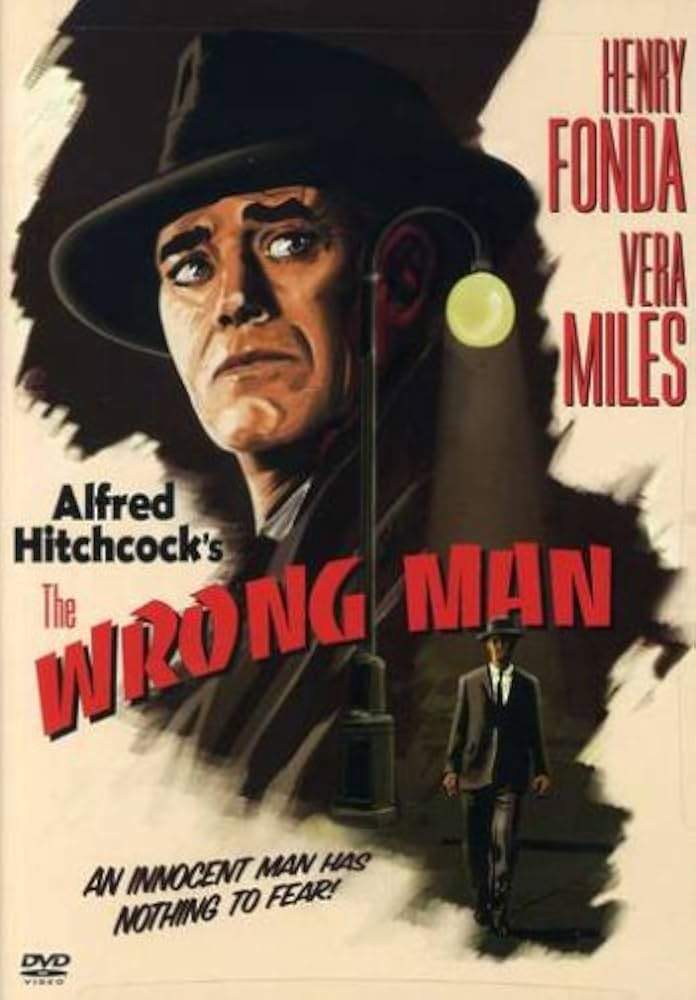
Wrongfully Accused Pursuits like in River’s End

An innocent person flees the law while searching for the real culprit. If you enjoyed the chase and suspense of River’s End, discover more movies featuring heroes wrongly accused of a crime. These films share a tense, urgent vibe as characters race against time to clear their names and uncover the truth. Find your next thrilling fugitive story here.

  • wrongly accused
  • fugitive
  • tense
  • urgent
  • suspenseful
  • determined
  • Tone: tense, urgent
  • Pacing: steady, forward-driving
Why these movies?

The story pattern: Stories in this thread begin with a false accusation that forces the protagonist into a life on the run. The plot unfolds as a cross-country chase, blending moments of tense hiding with an active investigation conducted by the fugitive. The journey is as much about evading capture as it is about gathering evidence, culminating in a final confrontation that reveals the truth.

Why they belong together: These movies are grouped by their shared premise of a desperate fugitive fighting for justice. They create a specific mood of constant anxiety and urgency, driven by a clear moral goal. The experience is defined by rooting for an underdog against a seemingly unstoppable system.
Frontier Justice and Impersonation movies like River’s End

A desperate character assumes a new identity in a rugged, lawless setting. Fans of River’s End will enjoy these stories of identity deception and moral conflict set against rugged backdrops. If you liked the premise of a man impersonating a Mountie to find justice, explore more films where characters blur the lines between right and wrong in a frontier setting. Discover similar tales of calculated risk and redemption.

  • impersonation
  • frontier
  • suspenseful
  • moral conflict
  • redemption
  • tense
  • Tone: tense, morally complex
  • Pacing: steady, deliberate
Why these movies?

The story pattern: The narrative pattern involves a character, often an outlaw or fugitive, assuming the identity of a law enforcement figure or someone in authority. This deception forces them to walk a tightrope, using their new position to achieve a personal goal—like clearing their name—while the constant threat of exposure creates sustained suspense. The rugged, isolated setting amplifies the stakes and moral complexity.

Why they belong together: These films share a unique blend of a tense, high-risk premise with the specific atmosphere of the frontier or an isolated setting. The combination of impersonation, moral conflict, and a battle for justice creates a distinct vibe that is both suspenseful and cathartic.

If you liked this

Movies Like River’s End

Similar movies to River’s End: the same genre, themes or kind of story. Each one comes with its own plot summary, timeline and ending explained.

Browse all movie summaries

Every angle

River’s End (1940) Explained: Plot, Timeline & Characters

Everything about River’s End in one place: what happens in the plot summary, the timeline in chronological order, the characters and meaning and a spoiler-free summary. What's After the Movie adds the cast, box office and post-credit scenes.

Coming soon on iOS and Android

The Plot Explained Movie Summary App

Plot summaries, endings explained and timelines on your phone. Catch up on any movie in minutes, save your favorites and never miss a twist again.

Be the first to know when we launch. Your email stays private, always.

Learn more about the app