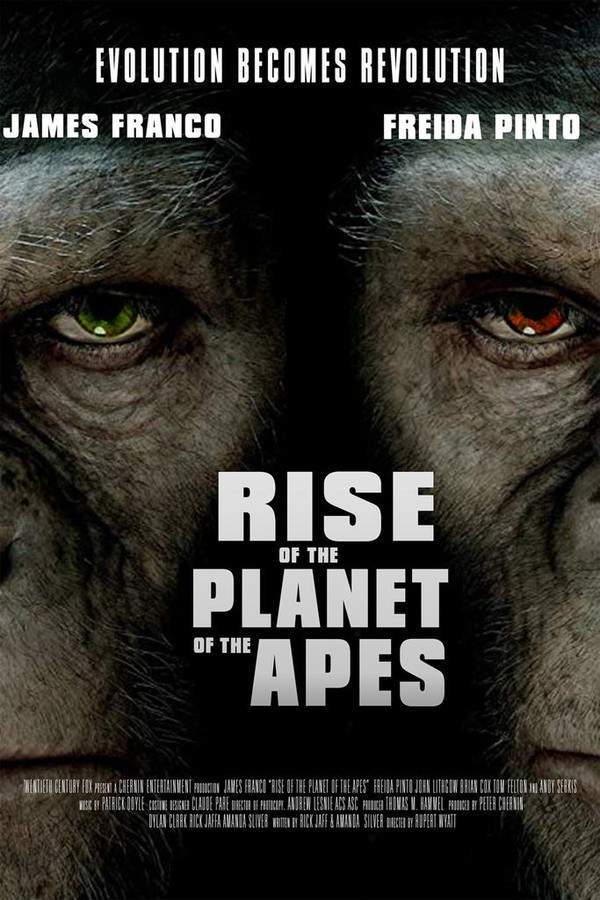
Driven by a desire to cure his father’s Alzheimer’s, biologist Will Rodman develops a promising experimental drug. Unexpectedly, the serum grants extraordinary intelligence to a chimpanzee named Caesar. As Caesar grows, his intellect and strength increase, leading him to question his place in the world and the treatment he receives. This sets in motion a series of events that challenge humanity's control and explore themes of freedom, prejudice, and the future of coexistence.
Find where to stream, rent, or buy Rise of the Planet of the Apes (2011) in the US with current JustWatch availability, up-to-date pricing, and platform listings for subscription, rental, and digital purchase options.
Warning: spoilers below!
Haven’t seen Rise of the Planet of the Apes yet? This summary contains major spoilers. Bookmark the page, watch the movie, and come back for the full breakdown. If you're ready, scroll on and relive the story!
Trace every key event in Rise of the Planet of the Apes (2011) with our detailed, chronological timeline. Perfect for unpacking nonlinear stories, spotting hidden connections, and understanding how each scene builds toward the film’s climax. Whether you're revisiting or decoding for the first time, this timeline gives you the full picture.
Last updated: November 21, 2024 at 11:30
Find frequently asked questions about the Rise of the Planet of the Apes (2011) timeline, including chronological order, nonlinear jumps, cause-and-effect links, and scene sequence clarifications. This timeline FAQ helps explain when key events happen, how moments connect, and why the story unfolds in that specific order.
Bright Eyes attacked because the ALZ-112 dramatically increased her cognitive abilities, but she was still kept in a cage. The sudden surge of intelligence combined with confinement caused her to panic and lash out. She wasn't malicious, she was overwhelmed and frightened by her new awareness and inability to escape.
The film hints at her enhanced intelligence when she demonstrates unusual alertness before the attack.
Will adopted Caesar because he felt responsible for the chimp's existence, Bright Eyes was part of his research, and she died during the chaos. Additionally, Caesar was the offspring of the first successfully enhanced chimp, making him invaluable to Will's research and personal connection to the project.
Will's discovery of Caesar during the chaos establishes his emotional investment from the start.
ALZ-112 worked on Bright Eyes because she was a young, healthy chimpanzee whose brain could readily adapt to the viral vector's effects. Will's father Charles had advanced Alzheimer's, his brain had already suffered significant damage. The drug initially improved his condition but couldn't reverse the extensive neural degeneration already present.
The film shows Charles responding initially, suggesting the drug works on undamaged neural tissue.
Caesar attacked Hunsiker because he was protecting his grandfather Charles, who was confused and vulnerable. Hunsiker was aggressively confronting the disoriented Charles in the driveway. Caesar's protective instinct override his usual restraint, leading to the violent confrontation that resulted in Caesar being sent to the ape shelter.
Earlier scenes show Caesar's deep bond with Charles and his growing awareness of protecting his family.
Will resigned because he discovered Steven Jacobs was planning to create ALZ-113, a more powerful and dangerous version of the intelligence drug. After witnessing Franklin's fatal exposure to ALZ-113, Will realized the company would proceed with human trials regardless of the consequences, and he refused to be complicit in what he knew would be disastrous.
Franklin's exposure to ALZ-113 and subsequent death directly triggers Will's decision to leave.
Franklin died from exposure to ALZ-113, the more potent successor to ALZ-112. During his work at Gen-Sys, Franklin accidentally came into contact with the aerosolized form of the new serum. The stronger drug caused rapid neurological deterioration, leading to his death, his body was later found at Will's doorstep as a grim warning.
The film builds tension around ALZ-113's dangers before Franklin's exposure scene.
Caesar freed the other apes after learning about Jacobs' plan to create ALZ-113 and after witnessing the brutal treatment of apes in the shelter and zoo. He realized that more intelligent apes would inevitably be created and subjected to the same exploitation. By freeing them, he gave them a chance at freedom before humans could capture them again.
Caesar's experiences in the ape shelter, particularly seeing Koba in captivity, harden his resolve for rebellion.
Earlier scenes show Buck's bravery and loyalty to Caesar as he becomes one of his fiercest protectors.
Caesar chose the redwoods because he realized his true home was with his own kind, living freely in nature. While he loved Will, Caesar understood that staying with humans would mean living in captivity again. The redwoods represented freedom and a new beginning for all intelligent apes, he couldn't turn his back on his species now that they had awakened.
The Muir Woods trip early in the film plants the idea of the redwoods as Caesar's ideal home.
Hunsiker was infected with the lethal ALZ-113 virus. His plane departure from San Francisco International Airport means he could spread the virus globally, starting a pandemic. The film ends with humanity facing the consequence of its own creation, the same intelligence-enhancing virus that gave apes freedom may now kill billions of humans.
Franklin's death from ALZ-113 establishes the virus's lethality to humans before Hunsiker's exposure.
Koba pushed the helicopter into the bay because he recognized Jacobs as the man responsible for the cruel experiments that harmed him and other apes. Unlike Caesar, who showed mercy, Koba harbored deep hatred toward the humans who tortured him. His act of vengeance killed Jacobs, demonstrating the darker side of the ape uprising.
Earlier scenes show Koba's scarred body and trauma from captivity, fueling his desire for revenge.
Caesar was sent to the ape shelter because his case was considered a special situation, authorities recognized he was unusually intelligent and could communicate through sign language. The shelter was a more controlled environment to study and contain him rather than simply euthanize him, which aligned with Gen-Sys's interests in continuing to observe his development.
Will's connection to Caesar and his research value protected him from immediate euthanasia.
Caesar became leader through a combination of his superior intelligence, communication ability, and demonstrated courage. He earned respect by standing up to the shelter's abusive keeper, protecting other apes like Maurice and Buck, and organizing their collective escape. His intelligence allowed him to strategize, while his willingness to risk himself for others solidified his status as the apes' leader.
His early ability to communicate through sign language and his protective actions toward other apes established his leadership potential.
Discover curated groups of movies connected by mood, themes, and story style. Browse collections built around emotion, atmosphere, and narrative focus to easily find films that match what you feel like watching right now.
Stories where a new consciousness rises to challenge its masters for freedom.If you enjoyed the ape uprising in Rise of the Planet of the Apes, explore more movies where oppressed groups or artificially intelligent beings fight for their freedom. These sci-fi and action stories feature tense conflicts, themes of prejudice, and thought-provoking challenges to authority.
This thread follows a pattern where a subjugated group—be it robots, animals, or a marginalized people—develops the capacity to resist. The story builds from a state of oppression to a climactic struggle for autonomy, exploring the costs of freedom and the blurred lines between right and wrong.
Movies are grouped here for their shared focus on a rebellion born from intelligence, not just brute force. They share a dark, urgent tone, high-stakes action, and a deep exploration of themes like freedom, prejudice, and the consequences of playing god.

Groundbreaking scientific ambition leads to profound and costly unintended outcomes.For viewers who liked the ethical dilemmas in Rise of the Planet of the Apes, this list features movies where scientific hubris has bittersweet outcomes. These stories blend heavy emotional weight with speculative science, exploring the cost of playing god and the ambiguous line between triumph and tragedy.
The narrative pattern centers on a scientific breakthrough, often driven by personal motives like curing a disease, which sets off an irreversible chain of events. The protagonist achieves their goal, but at a great cost, leaving the world permanently changed in a way that is both hopeful and somber.
These movies are united by their exploration of the 'Pandora's Box' trope in science fiction. They share a dark tone, heavy emotional weight, a variable pacing that builds tension, and a conclusive ending that feels bittersweet—a mix of success and sobering loss.
Don't stop at just watching - explore Rise of the Planet of the Apes in full detail. From the complete plot summary and scene-by-scene timeline to character breakdowns, thematic analysis, and a deep dive into the ending - every page helps you truly understand what Rise of the Planet of the Apes is all about. Plus, discover what's next after the movie.
Read a complete plot summary of Rise of the Planet of the Apes, including all key story points, character arcs, and turning points. This in-depth recap is ideal for understanding the narrative structure or reviewing what happened in the movie.
Discover the characters, locations, and core themes that shape Rise of the Planet of the Apes. Get insights into symbolic elements, setting significance, and deeper narrative meaning - ideal for thematic analysis and movie breakdowns.
Discover movies like Rise of the Planet of the Apes that share similar genres, themes, and storytelling elements. Whether you’re drawn to the atmosphere, character arcs, or plot structure, these curated recommendations will help you explore more films you’ll love.
Rise of the Planet of the Apes (2011) Plot Summary & Movie Recap
Rise of the Planet of the Apes (2011) Scene-by-Scene Movie Timeline
Rise of the Planet of the Apes (2011) Spoiler-Free Summary & Key Flow
Movies Like Rise of the Planet of the Apes – Similar Titles You’ll Enjoy
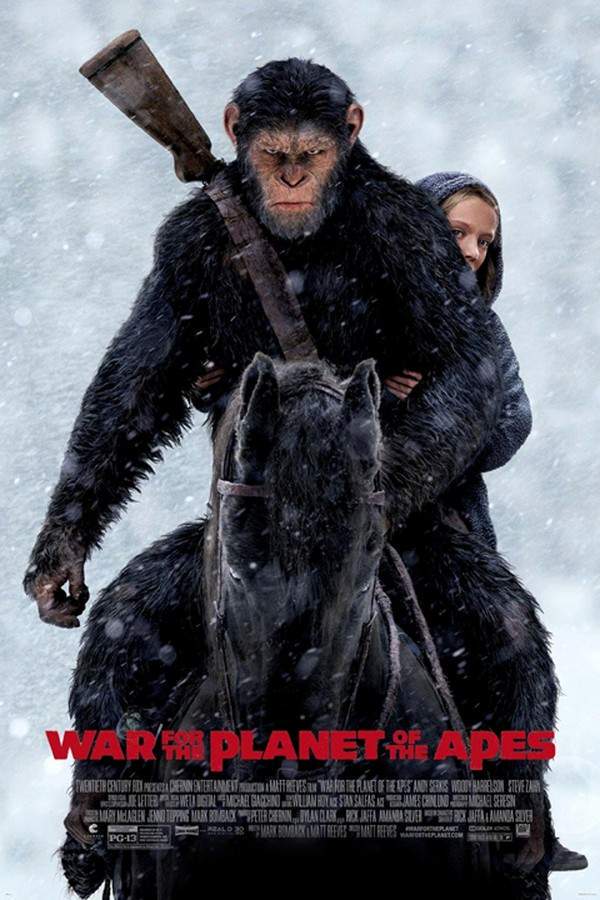
War for the Planet of the Apes (2017) Full Movie Breakdown
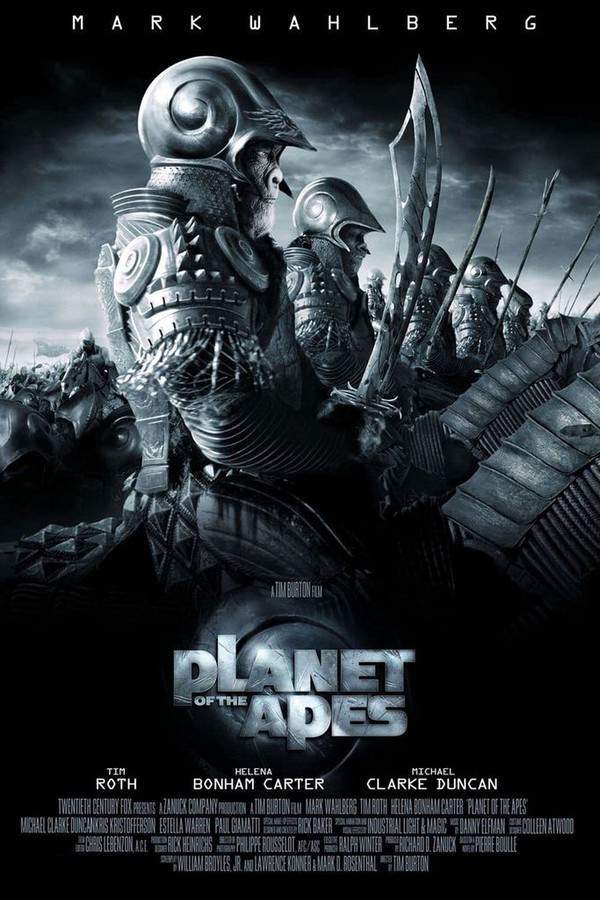
Planet of the Apes (2001) Film Overview & Timeline
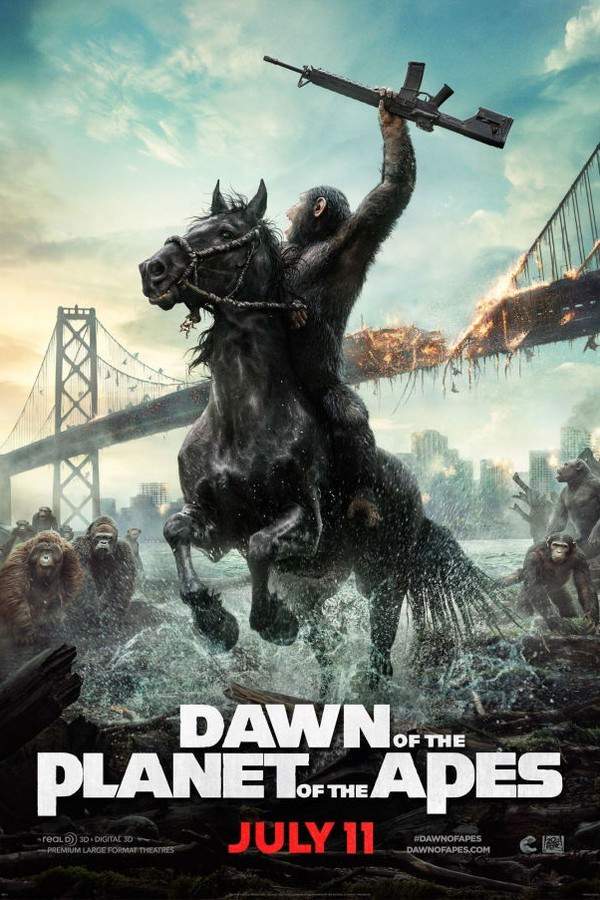
Dawn of the Planet of the Apes (2014) Story Summary & Characters
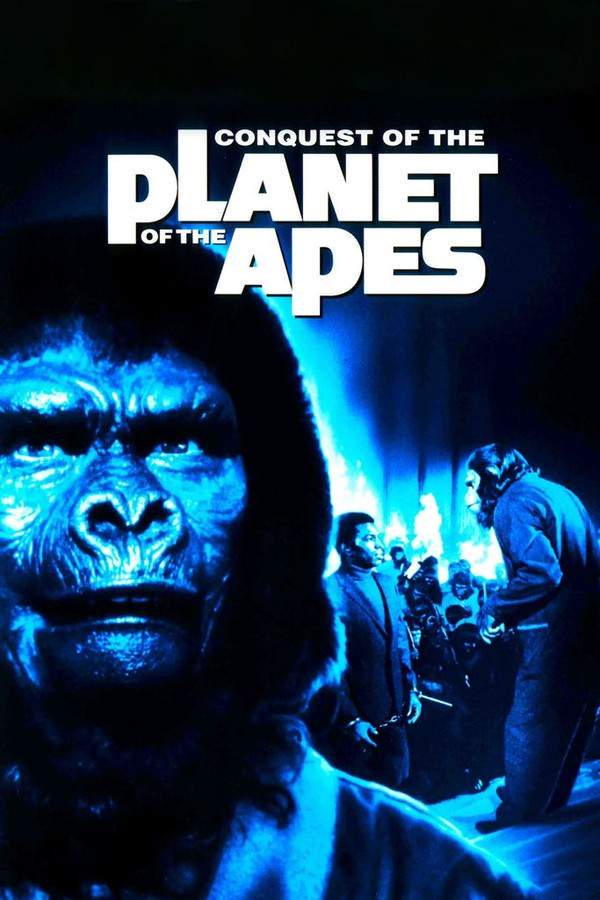
Conquest of the Planet of the Apes (1972) Detailed Story Recap
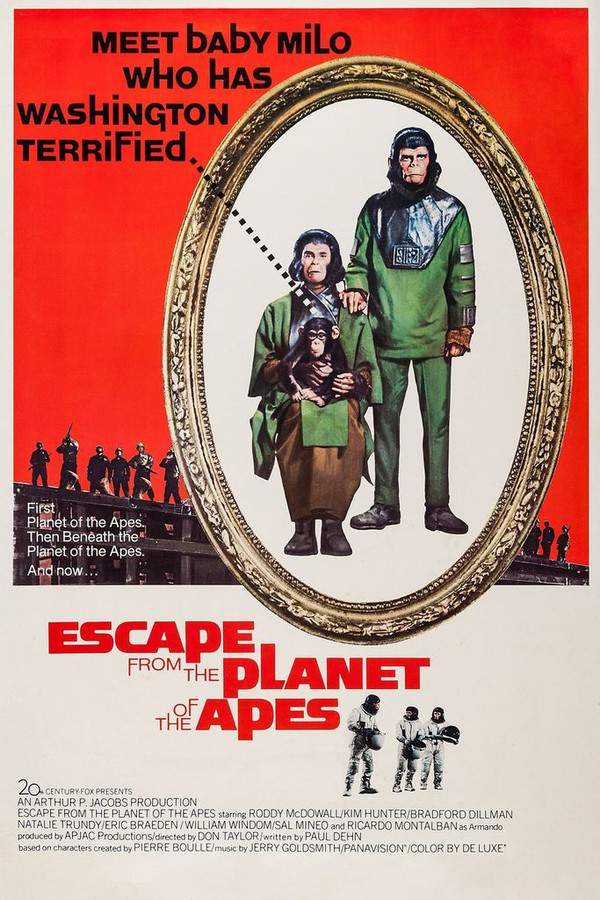
Escape from the Planet of the Apes (1971) Detailed Story Recap
Rampage (2018) Movie Recap & Themes
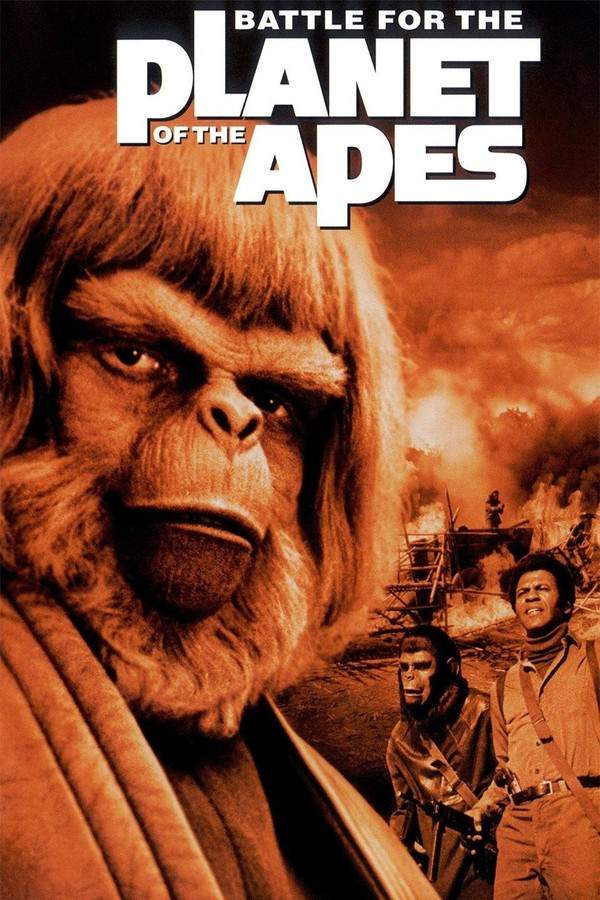
Battle for the Planet of the Apes (1973) Story Summary & Characters
Kingdom of the Planet of the Apes (2024) Plot Summary & Ending Explained
Rise of the Warrior Apes (2017) Full Movie Breakdown
Revolt of the Empire of the Apes (2017) Full Summary & Key Details
Back to the Planet of the Apes (1980) Full Summary & Key Details
Life, Liberty and Pursuit on the Planet of the Apes (1980) Plot Summary & Ending Explained
Farewell to the Planet of the Apes (1980) Full Summary & Key Details
Revenge of the Empire of the Apes (2023) Complete Plot Breakdown
Behind the Planet of the Apes (1998) Complete Plot Breakdown