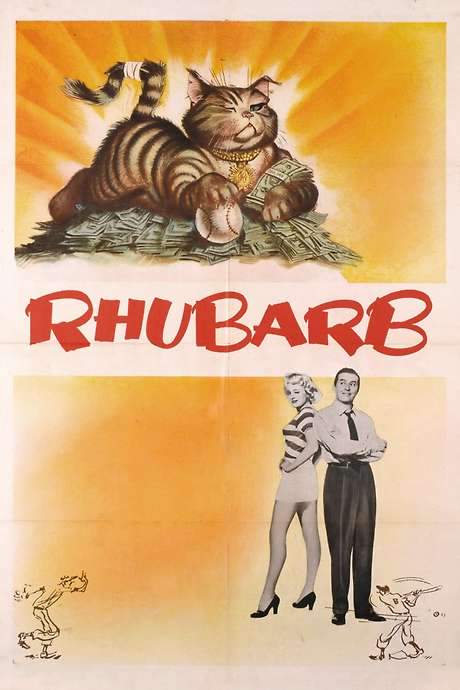
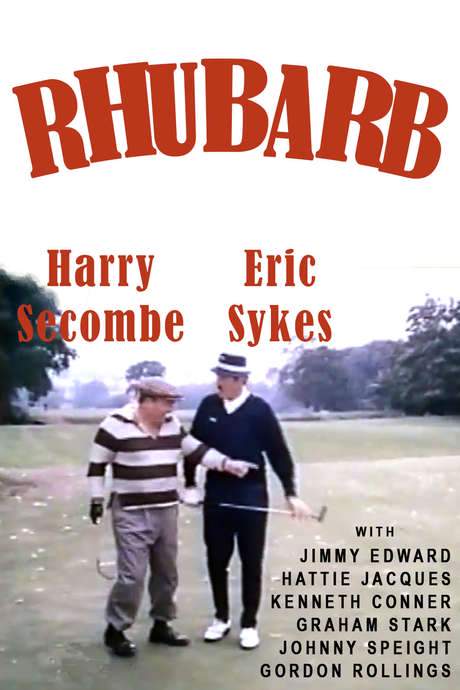
Thaddeus J. Banner, a lonely, eccentric millionaire who owns the Brooklyn Loons, takes in a dog-chasing stray cat and gives him the name Rhubarb—a playful nod to baseball slang for a on-field argument. The unlikely bond between man and cat becomes the quiet center of a tale that blends money, loyalty, and the quirks of major-league life, as the film unfolds with a gentle, deadpan charm.
When Banner dies, the will reveals a truly odd twist: Rhubarb is named the sole beneficiary, effectively inheriting the team. The cat’s guardian is appointed in the form of the team’s publicist, Eric Yeager, who must navigate the logistics of a feline owner while keeping the baseball dreams of a city intact. Yeager steps into a role both caretaker and unlikely strategist, trying to hold together a squad that suddenly finds itself under the paws of a four-legged proprietor. Meanwhile, the romance and family dynamics around the club add tension: Polly Sickles—the fiancée of Yeager and daughter of the team’s manager—learns she is terribly allergic to Rhubarb, complicating plan after plan with sneezes, worry, and a touch of comic misfortune.
Banner’s daughter, the spoiled and ever-demanding Myra Sickles, adds a different kind of pressure by contesting the will in court. The clash between pages of the will and the day-to-day gravity of running a baseball club creates a fresh kind of drama for a team already adjusting to an unusual new owner. Yet amid these legal and personal complications, the players themselves begin to sense something different: if Rhubarb can be the catalyst for good luck, maybe the unusual ownership can turn into real advantage. Yeager, trying to keep morale high, persuades the team that Rhubarb’s presence could be a source of luck rather than a problem, and the players gradually rally around this strange new superstition.
As Brooklyn stitches together a string of wins, the Loons head toward a championship showdown against the powerful New York squad. The presence of Rhubarb becomes a unifying symbol, with Len Sickles—the team’s manager—wrestling with the balance between pride, practicality, and the odd fortune that seems to follow the cat. The mood in the clubhouse shifts from skepticism to cautious optimism as the fans begin to believe that the feline beneficiary might actually tilt the odds in their favor.
Yet the story takes a sharper turn when a bookmaker, fearing a big loss if Brooklyn triumphs, decides to kidnap the cat. The mood darkens as the team’s fortune slides into doubt; with Rhubarb missing, the chase to recover him becomes a race against time that sweeps through the ballpark, the city streets, and the lives of everyone connected to the Loons. The search is frantic, and the tension is high as the audience wonders whether the club can survive a season without its most unlikely talisman.
In a climactic turn, Rhubarb escapes his captors and races back to the ballpark, reinvigorating the team with a surge of energy and hope. The cat’s return rekindles the players’ belief and steadies the ship just in time for the pivotal moments of the game. The final act ties together loyalty, luck, and a family of characters who weather legal battles, allergic reactions, and the highs and lows of small-time baseball fame to deliver a conclusion that feels earned, heartwarming, and true to the quirky premise that started it all.
This is a story about unlikely guardianship, the strange ways luck can appear, and a city’s enduring love for its baseball team, all wrapped in a warm, gently paced comedy that uses a cat named Rhubarb to remind everyone that sometimes the oddest things can change the course of a season.