Plot Explained Spoilers guaranteed!
Plot Explained

Browse by genre

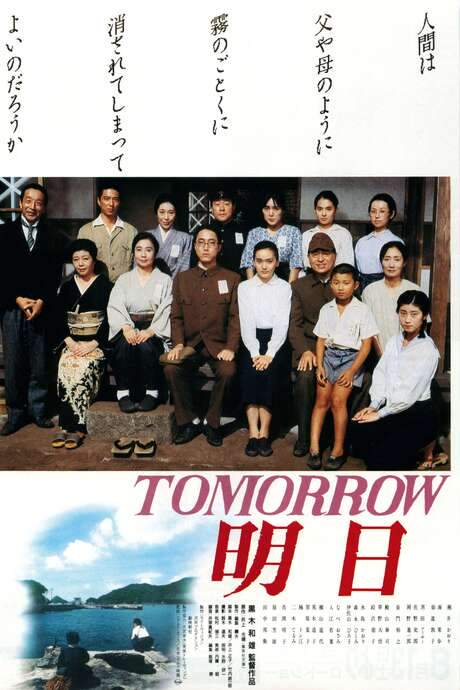
Rhapsody in August (1991) movie poster

Timeline

Rhapsody in August (1991) Timeline Explained – Every Event in Order

Release, runtime and language
1991 · 98 mins · Japanese
Directed by
Akira Kurosawa
Starring
Toshie Negishi, Richard Gere, Hisashi Igawa, Noriko Honma, Sachio Sakai, Eiko Koike

An elderly hibakusha, whose husband perished among the 80,000 victims of the 1945 Nagasaki atomic bombing, spends a summer caring for her four grandchildren. Amid tears, laughter, and quiet innocence, she discovers a long‑lost brother, Suzujiro, living in Hawaii, who asks her to visit before he dies.

On this page (5)
  1. 1 Events in order (13)
  2. 2 Timeline questions answered
  3. 3 Movie threads
  4. 4 Movies like Rhapsody in August
  5. 5 Every angle

13 events in order · contains spoilers

Rhapsody in August Timeline: Events in Chronological Order

Every key event of Rhapsody in August (1991) in order, scene by scene, with when and where it takes place. Use it to untangle flashbacks, time jumps and parallel storylines, to refresh your memory before the sequel or to find the exact scene you are thinking of.

  1. Grandchildren arrive at Kane's Kyushu home

    Four grandchildren arrive for a summer visit to their grandmother Kane at the family country home near Nagasaki. They are tasked by their parents with convincing Kane to visit her brother in Hawaii, setting the scene for intergenerational tension and memory-work. The visit initiates a thread of how the past and present intersect for this multi-generational family.

    When
    summer
    Where
    Kyushu countryside near Nagasaki
  2. Grandchildren explore Nagasaki and its scars

    The children spend a day in Nagasaki's urban landscape, visiting the spot where their grandfather was killed in 1945. They come to understand, for the first time, the emotional cost of the atomic bombing on ordinary families. Their perspective on Kane deepens as they question the morality of the weapons decision.

    When
    summer day
    Where
    Nagasaki city
  3. Telegram from American cousins about Hawaii

    Meanwhile a telegram from Kane's American relatives arrives, offering their parents a job managing pineapple fields in Hawaii. The news introduces a hopeful, yet disruptive, front in the family story and foreshadows choices beyond Nagasaki. The grandchildren's visit anchors the tension between old and new loyalties.

    When
    summer
    Where
    Nagasaki (via telegram to Kyushu)
  4. Kane writes to Hawaii about her husband's death

    Kane sends a letter to her Hawaiian relatives informing them of her husband's death in Nagasaki during the bombing. Her action raises concerns about how her grief will be received by the American family and how their expectations might affect Kane's memory. The letter also deepens the sense of distance between generations and places.

    When
    shortly after telegram
    Where
    Nagasaki (Kyushu)
  5. Children return from Hawaii; family friction grows

    Kane's two children return from Hawaii to visit, and tensions surface as they fear their mother's letter will spark friction with their American relatives. The visit foregrounds issues of loyalty, memory, and the way postwar American influence shapes the family. The mood grows more strained as everyone contends with differing expectations.

    When
    after letter
    Where
    Kyushu
  6. Clark travels to Nagasaki for the memorial

    Clark, Kane's nephew, travels to Japan to be with Kane for the memorial service honoring her husband who died in Nagasaki. His presence begins a personal reckoning with the bombing and the family's shared trauma. The trip deepens his connection to Kane and the Nagasaki community.

    When
    memorial week
    Where
    Nagasaki
  7. Clark witnesses Buddhist memorial rites; reconciliation

    Clark is deeply moved by the Buddhist memorial ceremony as the Nagasaki community remembers the victims of the bombing. Kane and Clark reach a quiet reconciliation over the bombing's legacy, acknowledging pain without resolving all questions. The moment marks a fragile bridge between generations.

    When
    during memorial events
    Where
    Nagasaki
  8. Telegram: Kane's brother dies in Hawaii

    A new telegram informs Clark that his father, Kane's brother, has died in Hawaii. He must return home for the funeral, intensifying the sense of loss already threaded through the trip. The news shifts everyone toward changes in the family's present and future.

    When
    soon after memorial
    Where
    Nagasaki and Hawaii
  9. Clark leaves for Hawaii; the circle tightens

    Clark departs for Hawaii to attend his father's funeral, leaving Kane with the grandchildren and the weight of unresolved memory. The distance between the Nagasaki family and their American relatives grows in the wake of the news. Kane's fragility deepens as separation increases.

    When
    immediately after telegram
    Where
    Hawaii
  10. Kane's memory falters; laying out her husband's clothes

    Kane's memory falters as memories of her husband mingle with present fear. She begins laying out her late husband's clothes as if he will return, a haunting ritual that reveals the fragility of memory. The home becomes a theater for the past's persistence.

    When
    following telegram
    Where
    Kyushu home
  11. Storm approaches; air-raid fear resurfaces

    A brewing storm triggers Kane's anxiety, and she confuses it with another air raid. She uses folk remedies to shield the visiting grandchildren, bewildering her children and unsettling the visitors. The scene dramatizes how trauma resurges in the vulnerable mind.

    When
    storm brewing
    Where
    Kyushu countryside
  12. Kane heads toward Nagasaki to warn her husband

    As the storm intensifies, Kane believes the atmospheric disturbance resembles the Nagasaki blast and resolves to save her husband, still living only in memory. She takes her umbrella and walks toward Nagasaki to warn him, determined but increasingly disoriented. The journey embodies memory's pull against reality.

    When
    storm peak
    Where
    From Kyushu home toward Nagasaki
  13. Grandchildren gain respect; question US actions

    The grandchildren observe Kane's steadfast memory and begin to respect her resilience while questioning the morality of using atomic weapons. Their perspective shifts toward empathy and critical thinking about history, rather than simple judgment. The film closes with a tempered, multigenerational understanding.

    When
    present
    Where
    Kyushu and Nagasaki

Last updated: October 09, 2025 at 14:53

Was this helpful?

Timeline questions answered

Rhapsody in August Timeline Explained: Your Questions Answered

When does it happen, and why in that order? The questions people ask about the chronology of Rhapsody in August (1991): time jumps, flashbacks, cause and effect between scenes and the correct order of events, each answered with spoilers.

Q1

Why does Kane walk toward Nagasaki during the storm?

Kane walks toward Nagasaki because her declining mental state causes her to confuse the approaching storm with an air raid, similar to the 1945 bombing. In her memory, her husband is still alive and in danger, so she takes an umbrella and attempts to walk to Nagasaki to warn him, driven by decades of unresolved trauma and grief.

Foreshadowing: Earlier, Kane begins laying out her husband's old clothes as if he might return, showing her grip on the present loosening.

  • Kane
  • storm
  • Nagasaki
  • trauma
  • memory loss
  • air raid
  • husband
Q2

How do the grandchildren's views change after visiting Nagasaki?

After visiting the site where their grandfather was killed, the grandchildren gain a visceral understanding of the atomic bombing's impact on their family. They move from casual curiosity to deep respect for their grandmother's suffering, and begin questioning the morality of the United States' decision to use atomic weapons.

Foreshadowing: The children initially arrive tasked with convincing Kane to visit Hawaii, showing their initial distance from her emotional reality.

  • grandchildren
  • Nagasaki
  • atomic bombing
  • perspective
  • understanding
  • grandmother
Q3

Why does Kane write to her brother in Hawaii about her husband's death?

Kane writes to inform her American relatives about her husband's death in the Nagasaki bombing, wanting them to know the truth about what happened to him. This act of sharing her grief is important to her, though it causes tension with her children who worry about how their Americanized relatives might interpret such tragic news.

Foreshadowing: The telegram about pineapple fields represents the family's divided loyalties between Japan and America.

  • Kane
  • letter
  • Hawaii
  • husband death
  • Nagasaki
  • bombing
  • family
Q4

Why does Clark travel to Japan for the memorial service?

Clark travels from Hawaii to attend the memorial service for Kane's husband, seeking to reconcile with his aunt and connect with his Japanese family roots. His visit represents an attempt to bridge the cultural and emotional divide between the American branch of the family and the Nagasaki survivors.

Foreshadowing: The telegram about the pineapple fields sets up the family's cross-cultural tensions before Clark arrives.

  • Clark
  • Japan
  • memorial service
  • reconciliation
  • Hawaii
  • family
  • Nagasaki
Q5

Why do Kane's children worry about her letter to Hawaii?

Kane's children fear that sharing details about her husband's death in the atomic bombing might create friction with their American relatives, who may not fully understand the weight of that trauma. They worry the letter could introduce cultural misunderstanding or create expectations that clash with the family's desire to protect their painful history.

Foreshadowing: The telegram about pineapple fields represents the different life paths the family branches have taken.

  • Kane's children
  • letter
  • Hawaii
  • fear
  • cultural tension
  • American relatives
Q6

What happens to Kane's memory at the end of the film?

Kane's memory deteriorates significantly as she becomes increasingly confused between past and present. She mistakes the storm for the Nagasaki bombing, believes her deceased husband is still alive, and ventures out to save him. This represents the psychological toll of unresolved trauma from surviving the atomic bomb.

Foreshadowing: Earlier, Kane begins laying out her husband's clothes and struggles to distinguish current events from wartime memories.

  • Kane
  • memory loss
  • trauma
  • Nagasaki
  • confusion
  • husband
  • decline
Q7

Why does Kane lay out her husband's old clothes?

Kane lays out her husband's clothes as a ritual to cope with her grief and fading memory, arranging them as if he might return. This haunting scene demonstrates how the trauma of losing him in the bombing continues to haunt her decades later, and how memory and grief intertwine in her vulnerable state.

Foreshadowing: This moment precedes her complete confusion during the storm, showing her grip on reality loosening.

  • Kane
  • husband
  • clothes
  • memory
  • grief
  • ritual
  • death
Q8

What is the significance of the telegram about pineapple fields in Hawaii?

The telegram offers Kane's American cousins an opportunity to manage new pineapple fields, representing the contrast between the family's hopeful American future and their traumatic Japanese past. It introduces a modern, hopeful narrative that conflicts with the older generation's grief and creates tension about whether the family should move forward or remain anchored in memory.

Foreshadowing: This telegram arrives before Kane writes her letter about her husband's death, setting up the cultural clash.

  • telegram
  • pineapple fields
  • Hawaii
  • American relatives
  • opportunity
  • family tension
Q9

Why is Clark deeply moved by the Buddhist memorial ceremony?

Clark is moved by the Nagasaki community's collective mourning during the Buddhist memorial, witnessing how an entire town gathers to honor the bombing victims. This experience helps him understand the depth of his aunt's grief and creates a moment of reconciliation between the Japanese and American sides of the family.

Foreshadowing: Clark came to Japan seeking connection but initially struggles to understand the family's trauma.

  • Clark
  • Buddhist ceremony
  • memorial
  • Nagasaki
  • moved
  • reconciliation
  • community
Q10

Why does Kane confuse the storm with an air raid?

Kane's post-traumatic stress from the 1945 Nagasaki bombing resurfaces when the storm creates atmospheric conditions similar to the bombing. Her mind, already declining due to age and unresolved trauma, cannot distinguish between the present storm and the historical disaster, triggering a survival response rooted in decades-old fear.

Foreshadowing: This moment builds on earlier scenes showing Kane's fragile mental state and her persistent grief.

  • Kane
  • storm
  • air raid
  • PTSD
  • trauma
  • Nagasaki
  • bombing
  • confusion

Movie threads

More Movies Like Rhapsody in August, by Mood & Story

Curated lists built around what makes Rhapsody in August tick: the same mood, the same kind of story or the same emotional payoff. Each list explains why these movies belong together.

Movies about intergenerational trauma like Rhapsody in August

Stories where personal and family histories are reshaped by past collective trauma. If you liked Rhapsody in August's exploration of the Nagasaki bombing's legacy, you'll find similar stories here. These movies connect personal family dramas to larger historical wounds, showing how trauma echoes across generations. They share a focus on memory, quiet reflection, and the bittersweet task of understanding a painful past.

  • historical grief
  • family legacy
  • memory
  • reflective
  • somber
  • heartfelt
  • Tone: melancholic, reflective, somber
  • Pacing: slow, contemplative
Why these movies?

The story pattern: Stories in this thread often center on a character, frequently elderly, who is a living vessel of a traumatic historical event. Their memories, sometimes fading, impact younger family members who must navigate this inherited grief. The plot involves a gradual uncovering or revisiting of the past, leading to emotional confrontations and a deeper, often sorrowful, understanding of family and history.

Why they belong together: Movies are grouped here for their shared focus on the intersection of personal family history and large-scale historical trauma. They share a melancholic, reflective tone, a slow, character-driven pace, and a heavy emotional weight centered on grief, memory, and the quiet, lasting impact of violence on the human psyche.

Quiet and melancholic dramas similar to Rhapsody in August

Slow-paced, reflective dramas that find profound beauty in sadness and memory. For viewers seeking movies with the same quiet, somber, and reflective mood as Rhapsody in August. These films share a slow pacing, a melancholic tone, and a heavy emotional focus on themes like memory, loss, and ageing. They are perfect for when you want a deeply moving, thoughtful cinematic experience.

  • quiet
  • somber
  • reflective
  • nostalgic
  • heartfelt
  • reverent
  • Tone: melancholic, somber, poignant
  • Pacing: very slow, atmospheric
Why these movies?

The story pattern: The narrative pattern here is less about a propulsive plot and more about an emotional journey. Scenes unfold slowly, allowing the viewer to sit with the characters' feelings. The conflict is often internal—a character wrestling with grief, regret, or fading memories. The journey is one of quiet contemplation, leading to a poignant, often bittersweet or sad, conclusion that emphasizes emotional truth over narrative resolution.

Why they belong together: These films are united by a specific mix of mood, tone, and pacing. The core similarity is a deeply melancholic and reflective atmosphere, achieved through slow pacing, a focus on quiet moments, and narratives that explore heavy themes like loss and memory with a sense of reverence and poetic beauty.

If you liked this

Movies Like Rhapsody in August

Similar movies to Rhapsody in August: the same genre, themes or kind of story. Each one comes with its own plot summary, timeline and ending explained.

Browse all movie summaries

Every angle

Rhapsody in August (1991) Explained: Plot, Timeline & Characters

Everything about Rhapsody in August in one place: what happens in the plot summary, the timeline in chronological order, the characters and meaning and a spoiler-free summary. What's After the Movie adds the cast, box office and post-credit scenes.

Coming soon on iOS and Android

The Plot Explained Movie Summary App

Plot summaries, endings explained and timelines on your phone. Catch up on any movie in minutes, save your favorites and never miss a twist again.

Be the first to know when we launch. Your email stays private, always.

Learn more about the app