
Reefer Madness: The Movie Musical

An ominous lecturer warns a modest 1930s Midwestern town about the Harper Affair: young Jimmy Harper’s promising future spirals into debauchery and murder after he falls under the influence of marijuana. He receives aid from his devoted girlfriend Mary and even a vision of Jesus, yet repeatedly ends up in the clutches of the Reefer Man and the colorful inhabitants of the Reefer Den.
Where to Watch Reefer Madness: The Movie Musical?
Find where to stream, rent, or buy Reefer Madness: The Movie Musical (2005) in the US with current JustWatch availability, up-to-date pricing, and platform listings for subscription, rental, and digital purchase options.









Warning: spoilers below!
Haven’t seen Reefer Madness: The Movie Musical yet? This summary contains major spoilers. Bookmark the page, watch the movie, and come back for the full breakdown. If you're ready, scroll on and relive the story!
Timeline & Setting – Reefer Madness: The Movie Musical (2005)
Explore the full timeline and setting of Reefer Madness: The Movie Musical (2005). Follow every major event in chronological order and see how the environment shapes the story, characters, and dramatic tension.
Last updated: October 03, 2025 at 14:17
Main Characters – Reefer Madness: The Movie Musical (2005)
Meet the key characters of Reefer Madness: The Movie Musical (2005), with detailed profiles, motivations, and roles in the plot. Understand their emotional journeys and what they reveal about the film’s deeper themes.
Last updated: October 03, 2025 at 14:17
Major Themes – Reefer Madness: The Movie Musical (2005)
Explore the central themes of Reefer Madness: The Movie Musical (2005), from psychological, social, and emotional dimensions to philosophical messages. Understand what the film is really saying beneath the surface.
Last updated: October 03, 2025 at 14:17
Reefer Madness: The Movie Musical (2005) Character & Theme Questions Answered – Info FAQ
Browse frequently asked questions about Reefer Madness: The Movie Musical (2005) focused on characters, relationships, themes, symbols, setting, and story context. This movie info FAQ gives spoiler-aware explanations for character arcs, world details, and thematic interpretation so readers can better understand what the film is really about.
Where is Reefer Madness set?
The movie takes place in a quiet, conservative small town in middle America during 1936. The central locations are Miss Poppy's Five and Dime, which serves as the heart of the community's social life, and the Reefer Den, a dangerous underworld establishment sitting at the town's edge. This setting functions as a microcosm for national anxieties about drugs, morality, and conformity during the Great Depression era.
What time period does the movie take place in?
The story is set in 1936, during the mid-1930s, a period marked by economic hardship and widespread moral panic. This era was characterized by authorities and communities attempting to control youth behavior through fear-based messaging, making the film's cautionary tale about marijuana particularly relevant to the cultural moment.
What is the propaganda theme in Reefer Madness?
The film explores how the Lecturer uses sensational warnings and theatrical performance to shape public opinion, transforming a local issue into a moral crusade. The narrative demonstrates how fear can be manufactured through rhetoric and spectacle, showing how communities were swayed to fear 'the demon weed' more than the actual realities of violence and addiction.
What does the theatrical theme represent in the movie?
The film relies heavily on stagecraft, dream sequences, and visual allegory to depict moral panic. The line between truth and showmanship is deliberately blurred, inviting viewers to question what is real and what is being performed for an audience. This theatrical approach intensifies the tragedy by turning personal choices into public spectacles.
What is the redemption theme about in Reefer Madness?
Despite the chaos and tragedy, the story pushes toward accountability and forgiveness. Jimmy faces consequences for his actions while Mae's tragic acts catalyze a political response. The ending reframes the harm as a national reckoning, culminating in a presidential pardon and symbolic acts that reclaim freedom and justice, arguing that redemption can exist within a community that confronts its fears.
Who is the Lecturer in the movie?
The Lecturer, played by Alan Cumming, is an enigmatic showman who frames a stark warning about marijuana as a moral sermon. His character blurs the line between professor, preacher, and politician, revealing how persuasive rhetoric can drive collective fear. He serves as the film's metafictional frame, simultaneously warning the audience while questioning the reliability of such warnings.
Who is Jimmy Harper in the story?
Jimmy Harper is a bright, carefree youth in love with Mary Lane who grapples with the temptations of his rough town. His optimism clashes with peer pressure and the lure of the Reefer Den, pulling him toward trouble he hopes to protect Mary from. His tragedy lies in his choices and his ultimate willingness to take responsibility, driving the story's moral arc.
Who is Mary Lane in the movie?
Mary Lane, played by Kristen Bell, is a hopeful and loving young woman whose relationship with Jimmy anchors the film's lighter moments. She faces danger as the couple becomes entangled with the town's darker side, and her faith and resolve are tested by violence and loss. Her tragic fate acts as a catalyst that intensifies the town's moral alarm and propels the political ramifications of the tale.
Who is Mae Coleman in Reefer Madness?
Mae Coleman, played by Ana Gasteyer, is a woman enduring an abusive relationship who ultimately rejects helplessness and takes decisive action. Her character arc shifts from victim to defiant agent of change as she challenges the cycle of violence, pleads for reform, and participates in the broader push for justice, representing the film's theme of personal transformation.
Who is Jack Stone in the movie?
Jack Stone, played by Steven Weber, is a streetwise figure who supplies drugs to Mae and others, wielding control through fear and manipulation. He embodies the dangerous underside of the town and resists change, becoming a volatile obstacle to a peaceful, thriving community. His character represents the corrupting influence of vice in small-town America.
How does the setting reflect the movie's themes?
The small-town setting is split between wholesome, everyday life and a dangerous underworld that erupts when temptation and fear collide. This duality reflects the film's exploration of innocence versus corruption, using the town as a microcosm for broader societal anxieties about drugs, morality, and conformity during the 1930s.
What is the tone and style of the movie?
The film maintains a whimsical tone achieved through its satirical reinterpretation of a serious anti-marijuana propaganda source, campy musical numbers, and cartoonish violence. Despite underlying themes of addiction, murder, and abuse, the serious material is deliberately presented as absurd and over-the-top, creating a bittersweet ending that achieves redemption through a ridiculously overblown patriotic finale.

Explore Movie Threads
Discover curated groups of movies connected by mood, themes, and story style. Browse collections built around emotion, atmosphere, and narrative focus to easily find films that match what you feel like watching right now.
Satirical Musicals like Reefer Madness: The Movie Musical
Catchy songs and comedic exaggeration expose the absurdity of social panics.If you enjoyed the hilarious and over-the-top satire of Reefer Madness: The Movie Musical, you'll love these films. Discover movies that blend catchy songs with sharp comedy to poke fun at moral panics, propaganda, and societal norms in an entertaining and theatrical way.
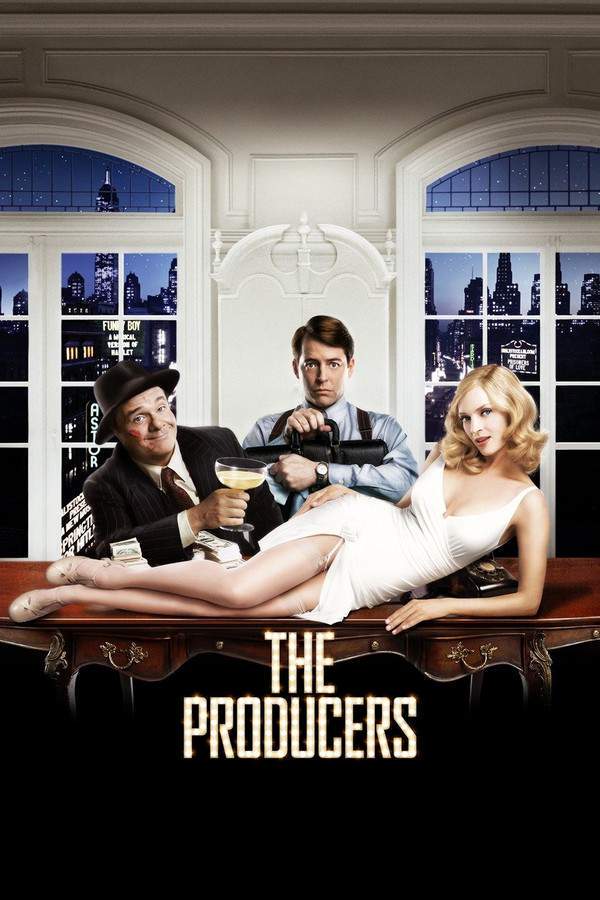
The Producers
2005
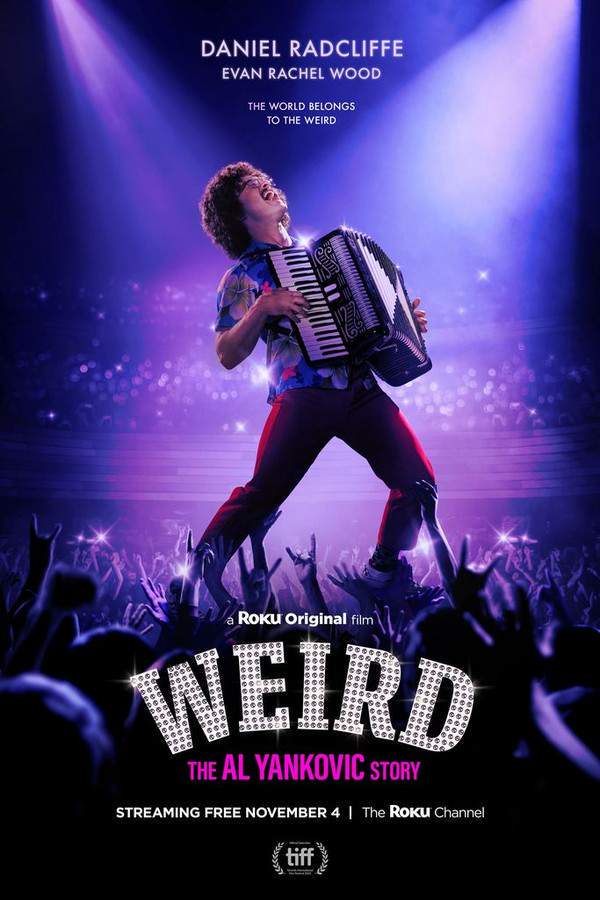
Weird: The Al Yankovic Story
2022
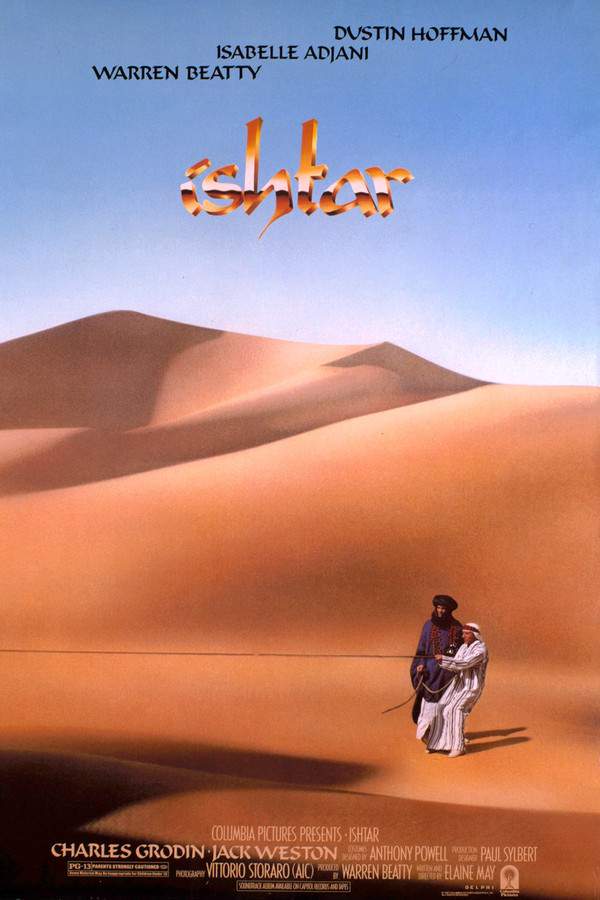
Ishtar
1987
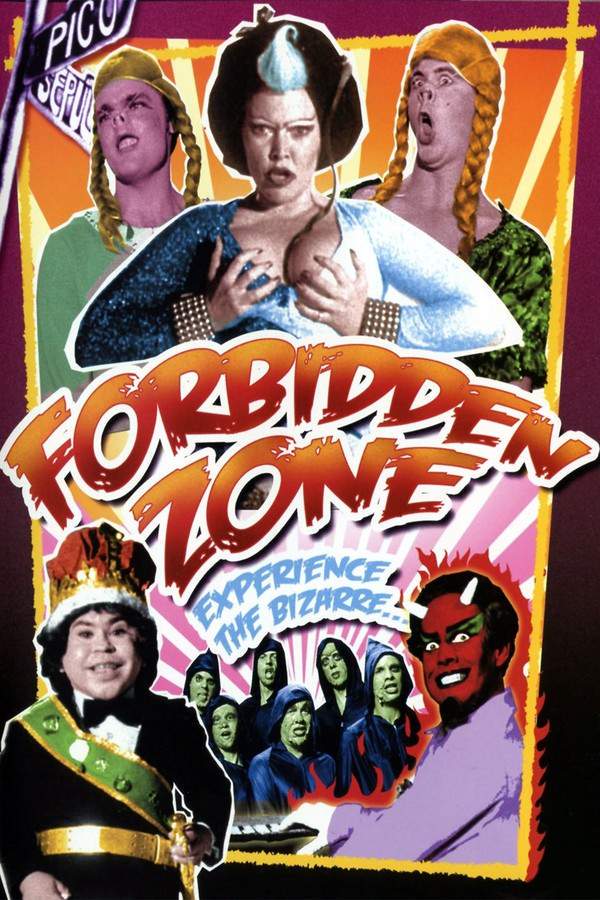
Forbidden Zone
1980
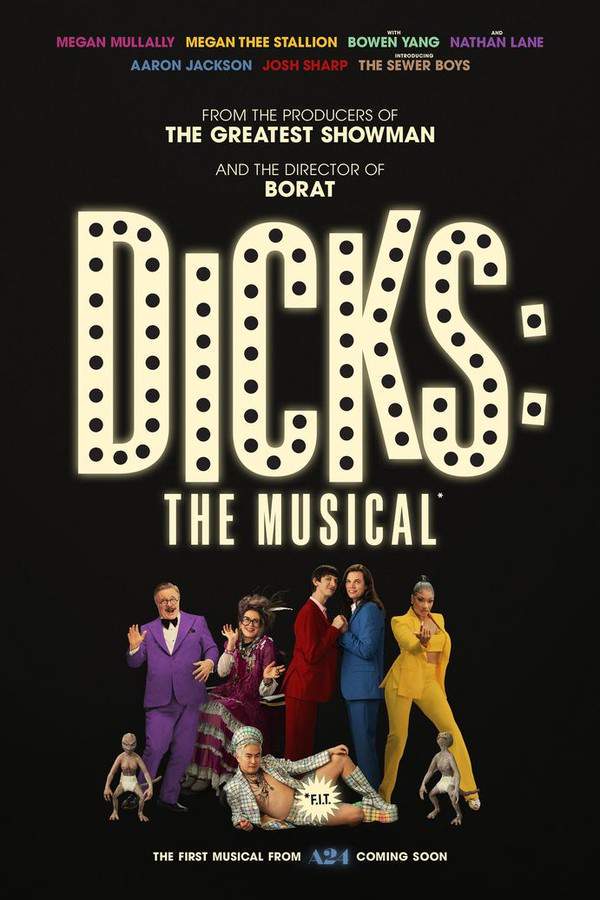
Dicks: The Musical
2023

Weird: The Al Yankovic Story
2010

The Toxic Avenger: The Musical
2018
Reefer Madness: The Movie Musical
2005

The Legend of the Stardust Brothers
1985
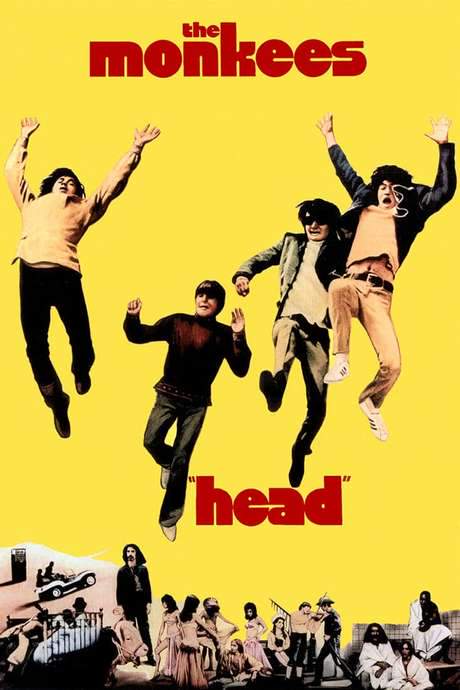
Head
1968

International House
1933

The Adventure of Sherlock Holmes’ Smarter Brother
1975

Artists and Models
1955

Hellzapoppin’
1941

The Sin of Harold Diddlebock
1947
Narrative Summary
These stories typically follow a straightforward, often melodramatic plot, but the serious-seeming events are constantly undercut by musical numbers that highlight their absurdity. Characters are often archetypes caught in a whirlwind of exaggerated consequences, leading to endings that are either ironically happy or knowingly bittersweet.
Why These Movies?
They are grouped by their unique blend of musical comedy and satirical intent. They share a whimsical tone, fast pacing, and a medium emotional weight, using humor to explore dark or heavy topics without becoming emotionally draining.
Genre Parody Movies like Reefer Madness: The Movie Musical
Over-the-top homages that lovingly exaggerate and mock classic film genres.Fans of Reefer Madness: The Movie Musical's campy exaggeration of 1930s scare films will find more to love here. Explore movies that take a well-known genre and push it into the realm of parody through heightened drama, caricatured characters, and a knowingly ridiculous tone.
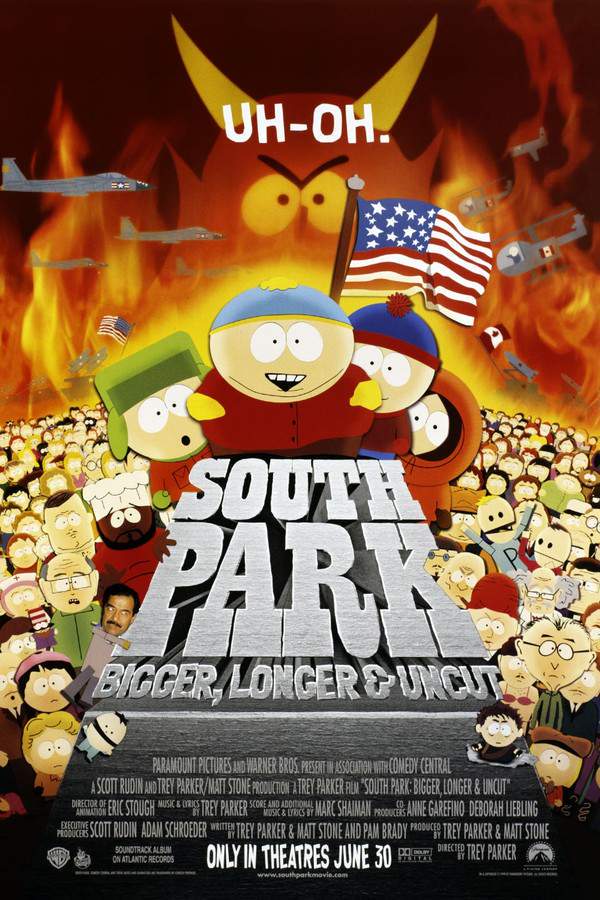
South Park: Bigger Longer & Uncut
1999

Tropic Thunder
2008
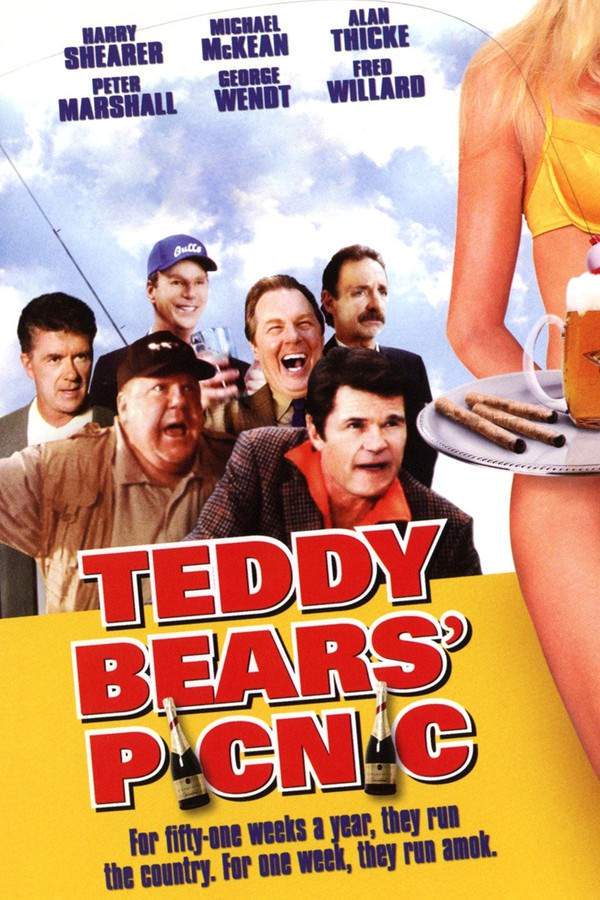
Teddy Bears' Picnic
2002
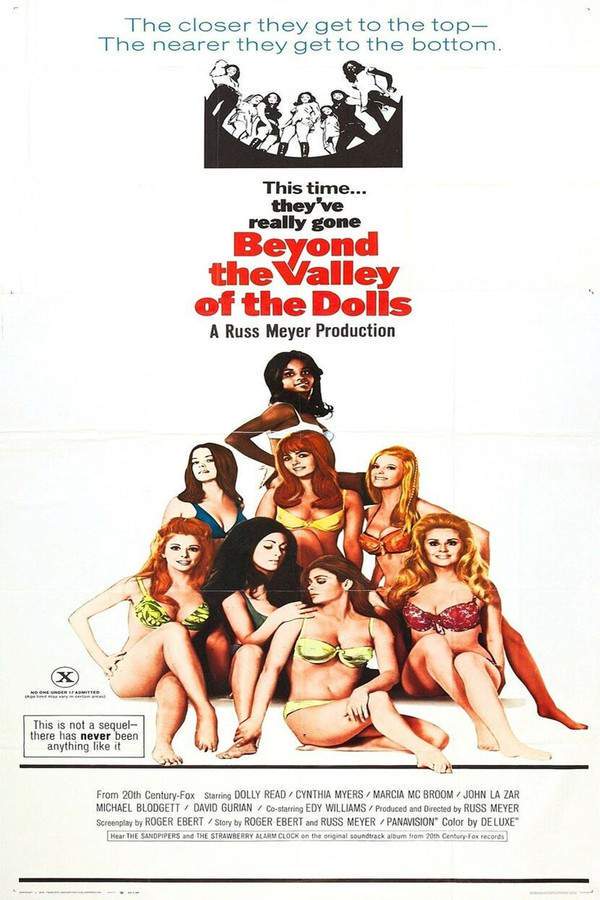
Beyond the Valley of the Dolls
1970

A Haunted House
2013

The Rocky Horror Picture Show
1975

Hey, Happy!
2002
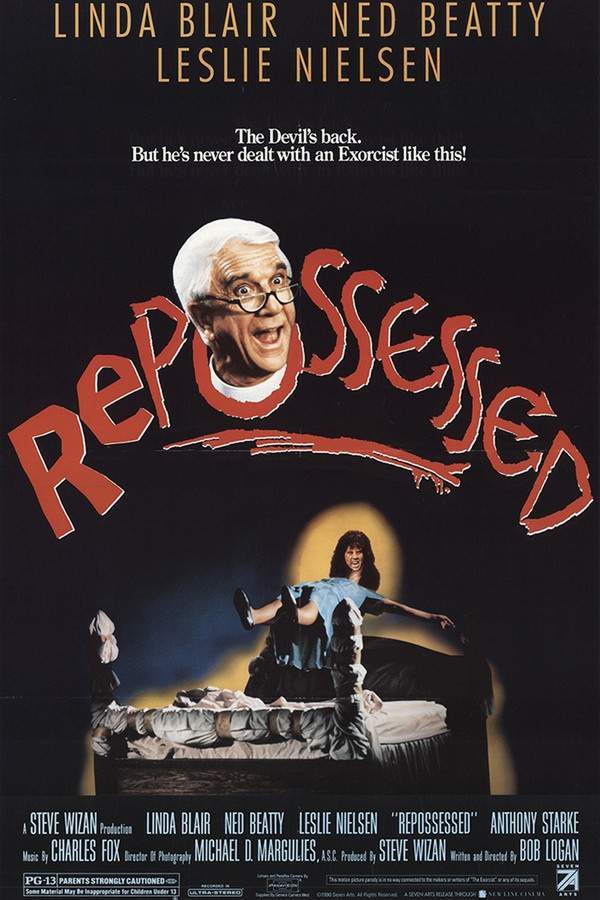
Repossessed
1990

Range 15
2016

Bloodbath at the House of Death
1984

Get Crazy
1983

Monster in the Closet
1986

Sleepaway Camp II: Unhappy Campers
1988

Return to Horror High
1987

Hollywood Boulevard
1976
Narrative Summary
Narratives in this thread are built on the foundation of a recognizable genre template, but every element is amplified for comedic or satirical effect. The plots are often linear but progress at a breakneck speed, filled with exaggerated stakes, cartoonish violence, and characters who are walking (and often singing) embodiments of genre clichés.
Why These Movies?
These films share a core approach of deconstructing genre conventions through exaggeration. They unite under a campy, theatrical mood, high intensity, and a focus on delivering a fun, meta-commentary on the stories they are modeled after.
Unlock the Full Story of Reefer Madness: The Movie Musical
Don't stop at just watching - explore Reefer Madness: The Movie Musical in full detail. From the complete plot summary and scene-by-scene timeline to character breakdowns, thematic analysis, and a deep dive into the ending - every page helps you truly understand what Reefer Madness: The Movie Musical is all about. Plus, discover what's next after the movie.
Reefer Madness: The Movie Musical Summary
Read a complete plot summary of Reefer Madness: The Movie Musical, including all key story points, character arcs, and turning points. This in-depth recap is ideal for understanding the narrative structure or reviewing what happened in the movie.

Reefer Madness: The Movie Musical Timeline
Track the full timeline of Reefer Madness: The Movie Musical with every major event arranged chronologically. Perfect for decoding non-linear storytelling, flashbacks, or parallel narratives with a clear scene-by-scene breakdown.


