
Reefer Madness: The Movie Musical

An ominous lecturer warns a modest 1930s Midwestern town about the Harper Affair: young Jimmy Harper’s promising future spirals into debauchery and murder after he falls under the influence of marijuana. He receives aid from his devoted girlfriend Mary and even a vision of Jesus, yet repeatedly ends up in the clutches of the Reefer Man and the colorful inhabitants of the Reefer Den.
Where to Watch Reefer Madness: The Movie Musical?
Find where to stream, rent, or buy Reefer Madness: The Movie Musical (2005) in the US with current JustWatch availability, up-to-date pricing, and platform listings for subscription, rental, and digital purchase options.









Warning: spoilers below!
Haven’t seen Reefer Madness: The Movie Musical yet? This summary contains major spoilers. Bookmark the page, watch the movie, and come back for the full breakdown. If you're ready, scroll on and relive the story!
Reefer Madness: The Movie Musical (2005) – Full Plot Summary & Ending Explained
Read the complete plot breakdown of Reefer Madness: The Movie Musical (2005), including all key story events, major twists, and the ending explained in detail. Discover what really happened, and what it all means.
In a small middle-America town in 1936, a mysterious Lecturer gathers a roomful of parents for an assembly and declares he has come to warn them about the evils of marijuana. The Lecturer, Alan Cumming, threads a grim cautionary tale titled “Tell Your Children,” weaving in sharp political points and a confident, sometimes patronizing rhythm as he explains how the “demon weed” could ruin the youth. His narration blurs the line between moral alarm and theatrical performance, guiding the audience through a story that sounds like a warning and a sermon all at once.
Jimmy Harper, Christian Campbell, and Mary Lane, Kristen Bell, are a bright, carefree young couple who radiate the simple joy of first love. They share laughs and plans, oblivious to the danger simmering just outside their circle. Across town, Mae Coleman, Ana Gasteyer, endures a painful home life under the thumb of her abusive boyfriend, Jack Stone, Steven Weber, a streetwise troublemaker who supplies drugs to Mae and others. The two worlds feel separate at first, a quiet hometown romance juxtaposed with a rougher, seedier side of town.
The youth’s hangout is Miss Poppy’s Five and Dime, where the mood shifts from innocent chatter to a darker undercurrent under the watchful eye of Miss Poppy, Neve Campbell. One evening, Jack arrives with a new plan to lure Jimmy into the Reefer Den, bringing Ralph Wiley, John Kassir—a college dropout who becomes entangled in the gang’s schemes—and Sally, Amy Spanger—a neighborhood prostitute who gets pulled into the night’s temptations.
Jimmy is taken to the Reefer Den, where the pressures of the group mount and he’s urged to take his first joint. The moment collapses into a fever dream: a wild, bacchanal sequence that unfolds as Jimmy Takes a Hit / The Orgy. The addict’s grip tightens quickly, and he drifts away from Mary, who prays at home in a lonely pew for his safety and return. The intensity deepens as a vision rushes in: a church heist, a moment of guilt, and a Vegas-style Heaven where Jesus appears to offer a stark choice.
Listen to Jesus, Jimmy
Jimmy’s reluctance to change his path drags him deeper into danger, and his relationship with Mary strains under the weight of temptation and fear. The pair share a fateful moment on a joyride in Mary’s stolen Packard; they’re buzzed, they collide with tragedy, and Jimmy is left to grapple with how to protect the person he loves while facing the consequences of his choices. He ultimately tells Mary that he must leave town for her safety, a decision that weighs heavily on both of them.
Back at the Reefer Den, Jack drags Jimmy back into the bad company with a pot brownie, injecting a cartoonish, hallucinatory layer into the story. Mary follows Jimmy to the Den, where Ralph—still a menacing presence—tries to manipulate her by suggesting Jimmy has joined a “fraternity.” They celebrate with another smoke, a moment that twists Mary into a darker role as she asserts herself with unsettling aggression toward Ralph. The scene intensifies into a brutal struggle, and Jack intervenes, knocking Jimmy unconscious and accidentally shooting Mary. He frames Jimmy for the crime, leaving Jimmy to bear the weight of the tragedy.
Mary’s death becomes a haunting turning point. Jimmy, now separated from the life he loved, is swept up by the authorities, and Ralph’s guilt-ridden mind spirals into a nightmarish series of visions. Ralph imagines Jimmy as a ghost, Mary as Satan’s ally, and the other children as the restless dead. In a cruel twist, Ralph himself descends into madness, ultimately killing Sally in a frenzy before Jack shoots Ralph to stop him. Mae, witnessing the catastrophe she’s caught in, realizes the error of her ways and pleads with Jack to abandon the violence; he refuses, and Mae seizes the moment to strike back, bludgeoning him to death with a garden hoe and reclaiming a powerful sense of agency.
Mae’s defiant act becomes a spark for a broader push for justice. She pleads with the visiting President about Jimmy’s case, and through a remarkable turn, Jimmy earns a presidential pardon. The tale shifts toward a symbolic resonance: Jimmy, Mae, the President, and the trio of Ralph, Jack, and Sally—reincarnated as Uncle Sam, George Washington, and Lady Liberty, respectively—join in a dramatic pledge that ridicules fear and champions freedom, law, and national identity. The film culminates as Jimmy burns down the Reefer Den’s weed garden, freeing Mary from the grip of Hell and Satan, and the vision of redemption broadens to a chorus of national pride.
The ending brings the whole audience into the frame as the anti-reefer message becomes a collective commitment. Mary ascends to Heaven, welcomed by Jesus and other holy souls, while the Lecturer—still theatrically calculating every bias—drives away, pleased that his performance has shaped the crowd’s beliefs. The scene resolves with a sweeping finale: a massive, almost ritual book burning that cements the film’s unapologetic stance against marijuana, sensationalism, and a broad spectrum of social fears. The work closes on a note of moral caution and public spectacle, inviting viewers to question the limits of persuasion while recognizing the power of a well-told, morally charged tale.
Last updated: October 09, 2025 at 16:48
Reefer Madness: The Movie Musical (2005) Plot Questions Answered – Summary FAQ
Explore frequently asked questions about Reefer Madness: The Movie Musical (2005) with spoiler-rich answers covering the full plot summary, major story beats, character motivations, hidden details, and ending meaning. This movie summary FAQ helps explain confusing scenes, plot twists, and narrative decisions in clear, searchable detail.
Why does Jimmy Harper go to the Reefer Den?
Jack Stone orchestrates a plan to lure Jimmy to the Reefer Den, using Ralph Wiley and Sally as part of the scheme. Jack wants to pull Jimmy into his criminal world, and the Den serves as the gateway where Jimmy is pressured into trying marijuana for the first time. The pressure from the group, combined with Jack's manipulation, leads Jimmy to accept the joint.
Earlier, Jack is established as a streetwise troublemaker who supplies drugs to Mae and others, foreshadowing his role in corrupting Jimmy.
What happens during Jimmy's fever dream at the Reefer Den?
After taking his first hit, Jimmy experiences a wild, bacchanal sequence that spirals into surreal hallucinations. The dreamlike scene blends revelry with menace, showing Jimmy drifting away from Mary while she prays for him at home. The vision includes a church heist, guilt, and a Vegas-style Heaven where Jesus appears to offer Jimmy a stark choice between redemption and continued destruction.
The scene sets up Jimmy's internal struggle between his love for Mary and his growing addiction.
Who kills Mary Lane and how does she die?
Jack Stone accidentally shoots Mary during a brutal struggle at the Reefer Den. After Jimmy is knocked unconscious, Jack tries to manipulate Mary by claiming Jimmy has joined a 'fraternity.' The confrontation escalates, and when Jack attempts to intervene violently, his gun goes off, striking Mary. Jack then frames Jimmy for the crime, leaving him to bear the weight of the tragedy.
The chaos at the Reefer Den follows the pattern of escalating violence established earlier in the story.
Why does Ralph Wiley kill Sally?
Overcome with guilt after Mary's death, Ralph descends into madness. His guilt-ridden mind spirals into nightmarish visions where he imagines Jimmy as a ghost, Mary as Satan's ally, and other characters as the restless dead. In this hallucinatory state, Ralph kills Sally in a frenzy before Jack shoots Ralph to stop him. The murder is a direct result of Ralph's mental breakdown caused by the traumatic events.
Ralph was introduced as a college dropout entangled in the gang's schemes, showing his vulnerability to the group's corruption.
Why does Jimmy decide to leave town after the crash?
After Jimmy and Mary's joyride in the stolen Packard ends in a collision, Jimmy decides he must leave town for Mary's safety. He recognizes that his growing involvement with the Reefer Den and Jack's criminal world puts Mary at risk. By leaving, Jimmy hopes to protect her from the dangers associated with his choices, even though the decision weighs heavily on both of them.
The joyride represents Jimmy's first major step toward dangerous behavior, foreshadowing the consequences that follow.
How does Jimmy Harper get a presidential pardon?
After the chaos at the Reefer Den leaves multiple people dead, Mae Coleman, having found the courage to stand up against Jack, pleads with the visiting President about Jimmy's case. Through this remarkable turn, Jimmy receives a presidential pardon, transforming his personal tragedy into political redemption. The pardon reframes the anti-drug crusade as a symbolic national victory.
Mae's transformation from abused victim to assertive survivor enables her to take political action.
Why does Mae Coleman kill Jack Stone?
After witnessing the catastrophe at the Reefer Den, the violence, Mary's death, Ralph's madness, and Sally's murder, Mae realizes the error of her ways and pleads with Jack to abandon the violence. When Jack refuses, Mae seizes the moment to reclaim her agency, bludgeoning him to death with a garden hoe. This act represents Mae's transformation from abused victim to someone who takes decisive action against her oppressor.
Mae's painful home life under Jack's thumb was established early, building toward her moment of defiance.
What is the significance of the ending with Uncle Sam, George Washington, and Lady Liberty?
In the film's symbolic finale, Jimmy, Mae, and the trio of Ralph, Jack, and Sally are reimagined as Uncle Sam, George Washington, and Lady Liberty respectively. They join in a dramatic pledge against fear and for national identity, law, and freedom. This reincarnation universalizes the cautionary tale, transforming the personal tragedy into a national allegory about patriotism and resisting vice.
The Lecturer's polemical framing sets up this national allegory from the beginning.
What happens in the final book burning scene?
The film concludes with Jimmy burning down the Reefer Den's weed garden, freeing Mary from Hell and Satan's grip. Mary ascends to Heaven, welcomed by Jesus and other holy souls. The Lecturer drives away satisfied that his performance shaped the crowd's beliefs. The finale culminates in a massive book burning, cementing the film's stance against marijuana, sensationalism, and fear, while also satirizing such moral panics.
The Lecturer's initial warning assembly sets up the book burning as the ultimate theatrical conclusion.
Who is the Lecturer character in the film?
The Lecturer, played by Alan Cumming, serves as both narrator and framing device for the entire story. He gathers parents at a town assembly to warn them about the dangers of marijuana through the cautionary tale 'Tell Your Children.' His narration blurs the line between moral alarm and theatrical performance, guiding the audience through the exaggerated story with a confident, sometimes patronizing rhythm. He represents the moralistic, fear-based messaging of 1930s anti-drug propaganda.
The Lecturer establishes from the start that the story is a deliberate polemical parable, not a neutral narrative.
What is the purpose of Jesus appearing to Jimmy?
During Jimmy's fever dream, Jesus appears in a Vegas-style Heaven to offer Jimmy a stark choice: listen to His warnings or continue down the destructive path. This vision represents Jimmy's conscience and the possibility of redemption, even amid temptation. The religious imagery underscores the film's mix of moral messaging and surreal comedy, while also serving as a turning point where Jimmy could choose to change his ways.
Mary's earlier prayer for Jimmy establishes the spiritual stakes of his journey.

Explore Movie Threads
Discover curated groups of movies connected by mood, themes, and story style. Browse collections built around emotion, atmosphere, and narrative focus to easily find films that match what you feel like watching right now.
Satirical Musicals like Reefer Madness: The Movie Musical
Catchy songs and comedic exaggeration expose the absurdity of social panics.If you enjoyed the hilarious and over-the-top satire of Reefer Madness: The Movie Musical, you'll love these films. Discover movies that blend catchy songs with sharp comedy to poke fun at moral panics, propaganda, and societal norms in an entertaining and theatrical way.
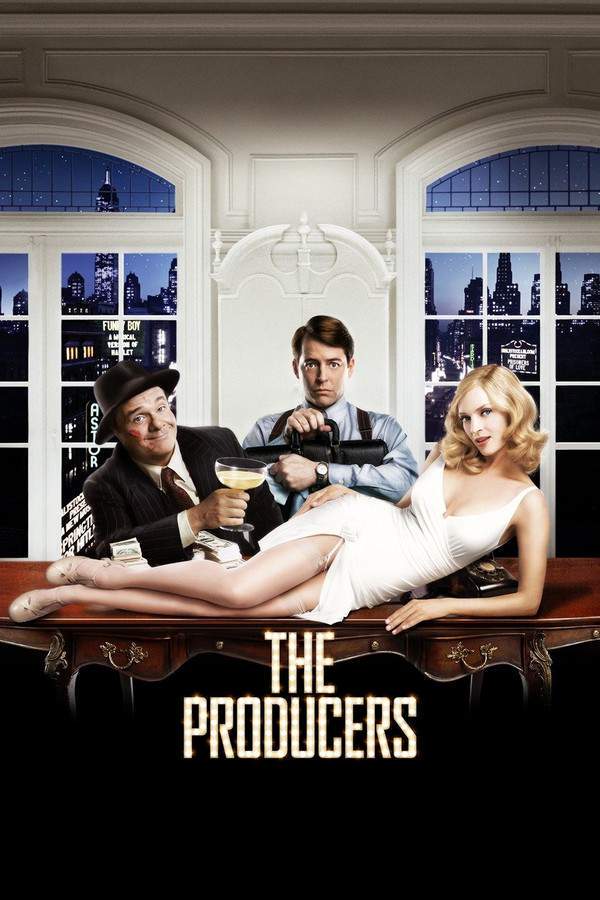
The Producers
2005

Weird: The Al Yankovic Story
2022
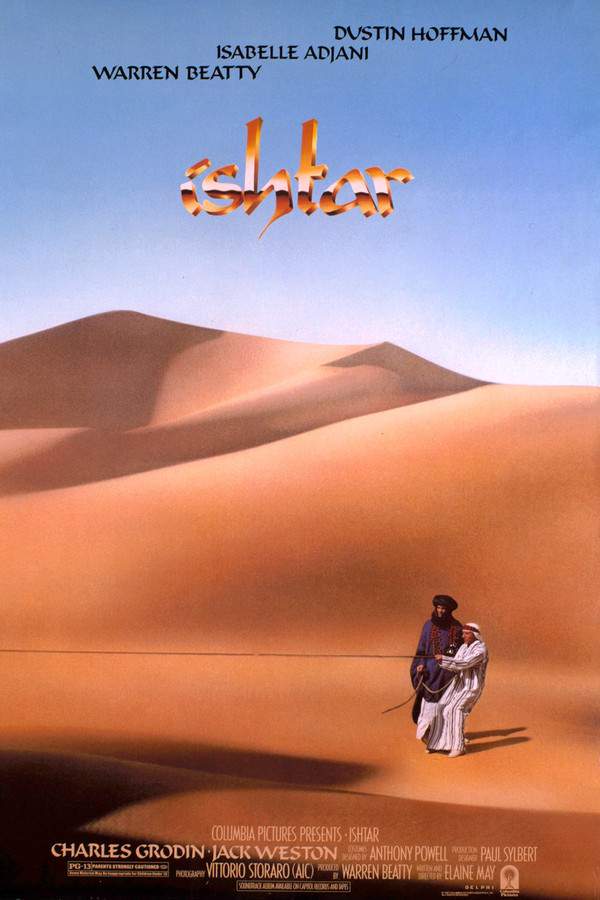
Ishtar
1987
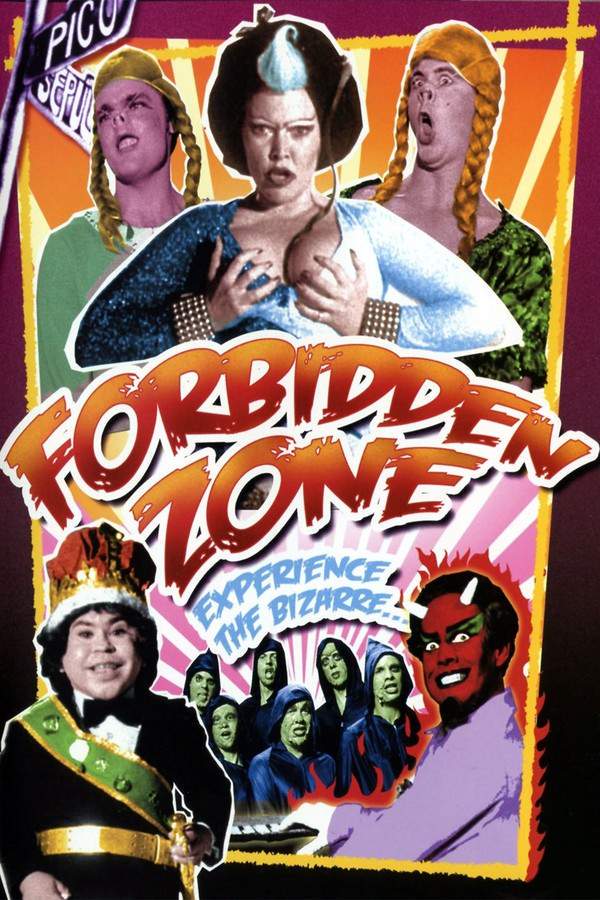
Forbidden Zone
1980
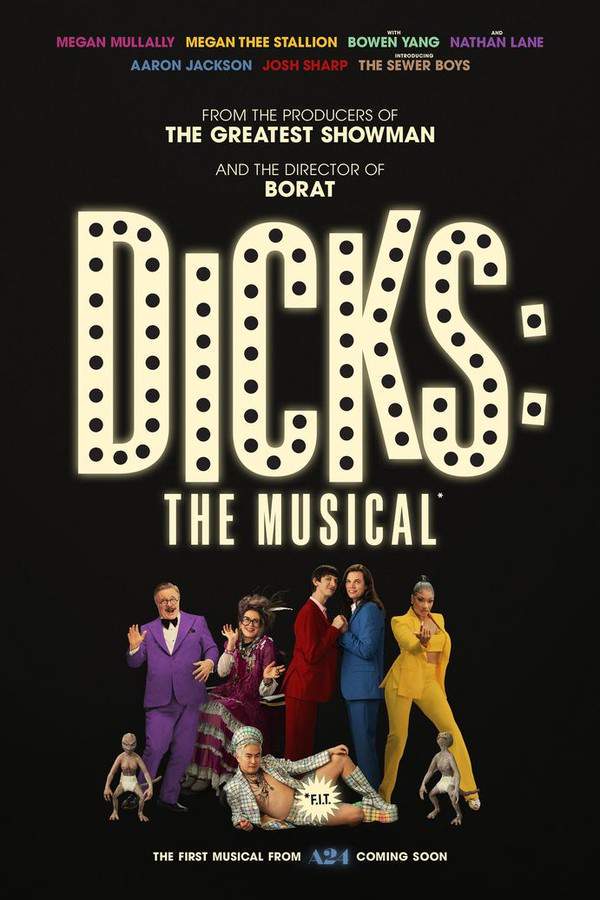
Dicks: The Musical
2023

Weird: The Al Yankovic Story
2010

The Toxic Avenger: The Musical
2018
Reefer Madness: The Movie Musical
2005

The Legend of the Stardust Brothers
1985
Head
1968

International House
1933

The Adventure of Sherlock Holmes’ Smarter Brother
1975

Artists and Models
1955

Hellzapoppin’
1941

The Sin of Harold Diddlebock
1947
Narrative Summary
These stories typically follow a straightforward, often melodramatic plot, but the serious-seeming events are constantly undercut by musical numbers that highlight their absurdity. Characters are often archetypes caught in a whirlwind of exaggerated consequences, leading to endings that are either ironically happy or knowingly bittersweet.
Why These Movies?
They are grouped by their unique blend of musical comedy and satirical intent. They share a whimsical tone, fast pacing, and a medium emotional weight, using humor to explore dark or heavy topics without becoming emotionally draining.
Genre Parody Movies like Reefer Madness: The Movie Musical
Over-the-top homages that lovingly exaggerate and mock classic film genres.Fans of Reefer Madness: The Movie Musical's campy exaggeration of 1930s scare films will find more to love here. Explore movies that take a well-known genre and push it into the realm of parody through heightened drama, caricatured characters, and a knowingly ridiculous tone.
South Park: Bigger Longer & Uncut
1999

Tropic Thunder
2008
Teddy Bears' Picnic
2002
Beyond the Valley of the Dolls
1970
A Haunted House
2013

The Rocky Horror Picture Show
1975

Hey, Happy!
2002
Repossessed
1990

Range 15
2016

Bloodbath at the House of Death
1984

Get Crazy
1983

Monster in the Closet
1986

Sleepaway Camp II: Unhappy Campers
1988

Return to Horror High
1987

Hollywood Boulevard
1976
Narrative Summary
Narratives in this thread are built on the foundation of a recognizable genre template, but every element is amplified for comedic or satirical effect. The plots are often linear but progress at a breakneck speed, filled with exaggerated stakes, cartoonish violence, and characters who are walking (and often singing) embodiments of genre clichés.
Why These Movies?
These films share a core approach of deconstructing genre conventions through exaggeration. They unite under a campy, theatrical mood, high intensity, and a focus on delivering a fun, meta-commentary on the stories they are modeled after.
Unlock the Full Story of Reefer Madness: The Movie Musical
Don't stop at just watching - explore Reefer Madness: The Movie Musical in full detail. From the complete plot summary and scene-by-scene timeline to character breakdowns, thematic analysis, and a deep dive into the ending - every page helps you truly understand what Reefer Madness: The Movie Musical is all about. Plus, discover what's next after the movie.
Reefer Madness: The Movie Musical Timeline
Track the full timeline of Reefer Madness: The Movie Musical with every major event arranged chronologically. Perfect for decoding non-linear storytelling, flashbacks, or parallel narratives with a clear scene-by-scene breakdown.

Characters, Settings & Themes in Reefer Madness: The Movie Musical
Discover the characters, locations, and core themes that shape Reefer Madness: The Movie Musical. Get insights into symbolic elements, setting significance, and deeper narrative meaning - ideal for thematic analysis and movie breakdowns.


