
























Plot Explained Spoilers guaranteed!
Plot Explained

Browse by genre

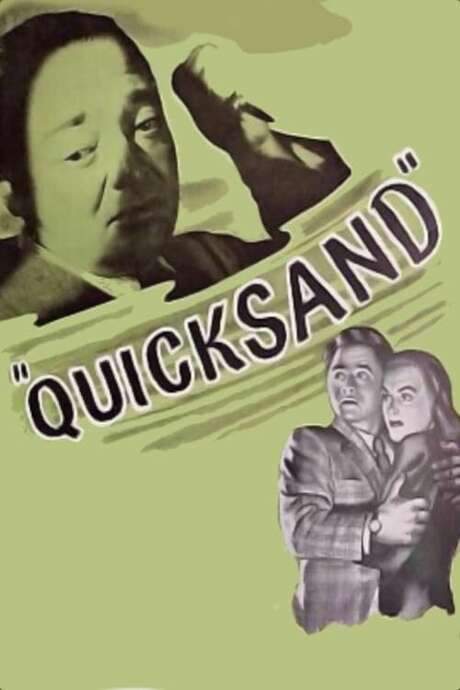
Quicksand (1950) movie poster

Characters & Themes

Quicksand (1950) Characters, Setting & Themes Explained

Release, runtime and language
1950 · 79 mins · English
JustWatch #17,837 8
Directed by
Irving Pichel
Starring
Mickey Rooney, Peter Lorre, Wally Cassell, Jeanne Cagney, Taylor Holmes, Barbara Bates

When young auto mechanic Dan Brady steals $20 from his shop’s cash register to impress the alluring Vera Novak, he plans to replace it before anyone notices. However, the bookkeeper arrives early, forcing Dan to conceal the theft. His cover‑up quickly spirals, pulling him deeper into a web of crime and danger that becomes difficult to escape.

On this page (8)
  1. 1 Where to watch
  2. 2 Characters explained (5)
  3. 3 Where & when it takes place
  4. 4 Themes & meaning (3)
  5. 5 Character & meaning questions
  6. 6 Movie threads
  7. 7 Movies like Quicksand
  8. 8 Every angle

Where to watch

Where to Watch Quicksand (1950)

Where can you watch Quicksand? Stream, rent or buy it in the US, including on Artiflix, fuboTV and IndieFlix: current JustWatch availability with up-to-date prices.

Streaming availability powered by JustWatch

5 main characters · contains spoilers

Quicksand Characters Explained: Who Is Who

The main characters of Quicksand (1950), heroes and villains: what drives them, how they change over the course of the story and what each of them reveals about the film's bigger ideas.

  • Daniel 'Dan' Brady (Mickey Rooney)

    A quick-witted, hard-working auto mechanic who slips from minor petty theft into a spiral of crime. He is impulsive and relentlessly optimistic, yet increasingly aware of the consequences of his actions. Desperation pushes him to take dangerous risks, while a stubborn core of loyalty to friends tests his judgment.

    • 💼 Mechanic
    • 🌀 Impulsive
    • 💰 Desperate
    • ⚖️ Moral-conflicted
  • Vera Novak (Jeanne Cagney)

    A femme fatale who uses her wiles to manipulate Dan and advance her own interests. She flaunts wealth (like a mink coat) and distances herself from consequences, showing little regard for others who get caught in the scheme. Her self-serving choices drive much of the plot's tension and tragedy.

    • 💃 Femme Fatale
    • 🪙 Self-serving
    • 🫶 Manipulative
  • Nick Dramoshag (Peter Lorre)

    The seedy arcade owner who supplies blackmail leverage and a past romantic tie to Vera. He uses information as leverage and pushes Dan toward ever riskier moves. His presence embodies the predatory urban backdrop of the story.

    • 🕵️‍♂️ Schemer
    • 🕷️ Blackmailer
    • 💰 Criminal
  • Oren Mackey (Art Smith)

    The hard-edged garage boss who treats people as commodities and leverages fear to keep control. He demands repayment or legal trouble, and his confrontation with Dan becomes a turning point in the protagonist's trajectory. He represents the ruthless, bottom-line business mentality at the heart of the plot.

    • 💼 Boss
    • 🗡️ Ruthless
    • 🧱 Pressure
  • Helen Calder (Barbara Bates)

    Dan's loyal former girlfriend who sees through his trouble and chooses to stand by him. She acts with quiet moral clarity, offering support and a possible exit route. Her patience contrasts with Vera's self-interest and grounds the story in a personal, emotional dimension.

    • 💞 Loyal
    • 🕊️ Hopeful
    • 🌟 Supportive

Last updated: October 04, 2025 at 19:44

Was this helpful?

Setting

Where and When Does Quicksand Take Place?

The setting of Quicksand (1950): the year and time period, the places and locations, and how they shape the characters, the mood and the tension of the story.

Time period

Early 1950s

Set in a contemporary postwar California, the film captures a lived-in, car-culture era. Daily life revolves around work, small crime, and quick bets on getting ahead. The period mood is noir-adjacent, with sunlit optimism shadowed by desperation and the threat of consequence.

Location

California, Santa Monica

The story unfolds in sunny but gritty Santa Monica, weaving between a busy garage, a pawnshop, a jewelry store, and the noisy Santa Monica Pier. The city serves as a postcard backdrop for a hard-edged crime plot, reflecting postwar California's mix of optimism and risk. The locations feel close-knit and downmarket, underscoring the moral stakes of Dan Brady's choices.

  • 🏖️ Coastal California
  • 🎡 Santa Monica Pier vibe

Last updated: October 04, 2025 at 19:44

Was this helpful?

3 major themes

Quicksand Meaning: Themes & Message Explained

What is Quicksand (1950) really about? The emotional, social and philosophical themes the film keeps returning to, its symbolism and the message beneath the surface.

  • Greed

    Greed sparks the chain of bad decisions that pulls Dan deeper into debt and crime. The urge to outsmart the system leads to risky pawning, theft, and a spiraling plan that forgets the human costs. Each calculated move raises the stakes and tightens the noose around Dan's future.

  • Desperation

    Desperation drives Dan to borrow, steal, and gamble with others' safety for his own survival. The pressure of the 24-hour deadline to repay the watch and the mounting debt twists his judgment. Desperation also strains relationships, pushing Vera to prioritize self-interest over trust or loyalty.

  • Loyalty and Betrayal

    The film contrasts loyalties—Dan's stubborn, dwindling loyalty to Helen and his more dubious alliance with Vera. Betrayal creeps in as self-serving motives override affection, leading to a climactic reckoning. The tension between who stands by him and who uses him underscored the noir's moral ambiguity.

Last updated: October 04, 2025 at 19:44

Was this helpful?

Character & theme questions

Quicksand Characters & Meaning: Your Questions Answered

The questions people ask about Quicksand (1950): who the characters really are, their relationships, what the symbols mean, where it takes place and what the movie is really about. Each answer contains spoilers.

Q1

Where is Quicksand set?

The movie takes place in Santa Monica, California. The story unfolds across several locations including a busy auto garage, a pawnshop, a jewelry store, and the Santa Monica Pier. These gritty, downmarket settings reflect the hard-edged crime plot and the moral stakes facing the characters.

  • santa monica
  • california
  • setting
  • locations
  • garage
  • pawnshop
Q2

What time period is the film set in?

Quicksand is set in the early 1950s, during postwar California. The era is characterized by a car-culture lifestyle where daily life revolves around work, small crimes, and desperate attempts to get ahead. The period mood blends noir elements with sunlit optimism, shadowed by desperation and the threat of consequence.

  • 1950s
  • postwar
  • era
  • time period
  • california
  • 1950s california
Q3

What are the main themes of Quicksand?

The film explores three interconnected themes: greed, desperation, and loyalty versus betrayal. Greed sparks the chain of bad decisions that pulls the protagonist deeper into crime. Desperation drives risky choices under pressure. The tension between loyalty and betrayal underscores the moral ambiguity central to noir narratives.

  • themes
  • greed
  • desperation
  • loyalty
  • betrayal
  • moral ambiguity
Q4

How does greed drive the story?

Greed propels the entire narrative as the protagonist's initial theft of $20 from his employer's register sets off a chain reaction. Each calculated move to cover up the crime raises the stakes, leading to risky pawning, further theft, and escalating consequences. The theme illustrates how greed blinds characters to the human costs of their actions.

  • greed
  • crime
  • theft
  • escalation
  • money
  • motivations
Q5

What does the movie say about loyalty and betrayal?

The film contrasts different types of loyalty: the protagonist's stubborn but dwindling loyalty to his former girlfriend versus his dubious alliance with a femme fatale. Betrayal emerges as self-serving motives override genuine affection, leading to a climactic reckoning. The movie suggests that loyalty is tested and often betrayed under pressure.

  • loyalty
  • betrayal
  • relationships
  • characters
  • moral choices
Q6

Who is Dan Brady?

Dan Brady is a quick-witted auto mechanic played by Mickey Rooney who starts as an honest worker but slips from minor petty theft into a spiral of crime. He is impulsive and relentlessly optimistic, yet becomes increasingly aware of the consequences his desperation pushes him to take dangerous risks, testing his core loyalty to friends.

  • dan brady
  • mickey rooney
  • protagonist
  • mechanic
  • crime
Q7

Who is Vera Novak?

Vera Novak is a femme fatale played by Jeanne Cagney who uses her wiles to manipulate the protagonist for her own advancement. She flaunts wealth, such as wearing a mink coat, and distances herself from consequences, showing little regard for others caught in her schemes. Her self-serving choices drive much of the plot's tension.

  • vera novak
  • jeanne cagney
  • femme fatale
  • manipulation
  • antagonist
Q8

Who is Helen Calder?

Helen Calder is Dan's loyal former girlfriend, played by Barbara Bates, who sees through his trouble and chooses to stand by him. She represents moral clarity and offers emotional support and a possible exit route from his downward spiral. Her patience contrasts sharply with Vera's self-interest and grounds the story in human connection.

  • helen calder
  • barbara bates
  • loyalty
  • support
  • love interest
Q9

Who is Nick Dramoshag?

Nick Dramoshag is a seedy arcade owner played by Peter Lorre who supplies blackmail leverage and has a past romantic connection to Vera. He uses information as a weapon, pushing Dan toward ever riskier moves. His presence embodies the predatory urban underworld that surrounds the characters.

  • nick dramoshag
  • peter lorre
  • arcade
  • blackmail
  • antagonist
Q10

Who is Oren Mackey?

Oren Mackey is the hard-edged garage boss who treats employees as commodities and uses fear to maintain control. He demands repayment or threatens legal action, becoming a pivotal antagonist whose confrontation with Dan marks a major turning point. He represents the ruthless, bottom-line business mentality that drives the plot's conflict.

  • oren mackey
  • art smith
  • boss
  • garage
  • antagonist
  • threat

Movie threads

More Movies Like Quicksand, by Mood & Story

Curated lists built around what makes Quicksand tick: the same mood, the same kind of story or the same emotional payoff. Each list explains why these movies belong together.

Noir crime spirals like Quicksand

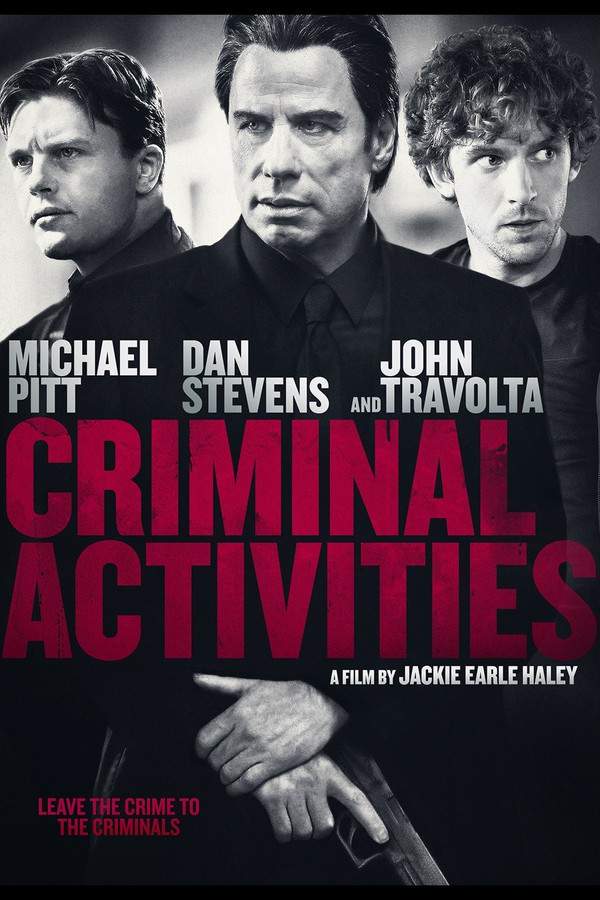
Ordinary people dragged into crime by a single, seemingly small mistake. If you liked watching Dan's life unravel in Quicksand, you'll find similar tension in these movies. This collection features films where a single bad decision triggers a rapid descent into the criminal underworld, full of desperate characters, femme fatales, and moral collapse.

  • desperate
  • anxious
  • noirish
  • cynical
  • criminal underworld
  • downward spiral
  • Tone: tense, cynical, bleak
  • Pacing: fast, relentless
Why these movies?

The story pattern: The narrative follows a linear but relentless downward trajectory. The story begins with a relatively minor transgression that immediately puts the protagonist in jeopardy. Each attempt to cover up the initial mistake leads to a more serious crime, escalating the stakes and tightening the trap until escape seems impossible.

Why they belong together: Movies in this thread are grouped by their shared core premise: the 'slippery slope' narrative. They create a consistent mood of anxiety and desperation through fast pacing, high intensity, and a tense, cynical tone that highlights the futility of the protagonist's struggle.

Thrillers with fugitives on the run like Quicksand

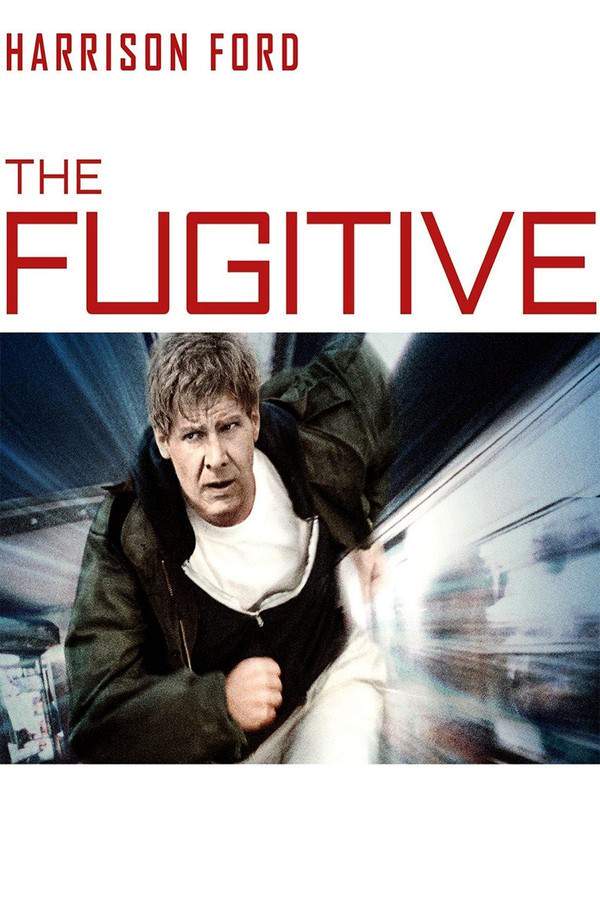
Pulse-pounding chases where the protagonist is hunted for a crime. For viewers who enjoyed the fugitive tension in Quicksand, this list features similar suspenseful crime stories. Discover movies about ordinary people forced to run after a crime, blending fast-paced action with heavy emotional weight and a constant threat of capture or death.

  • tense
  • paranoid
  • on the run
  • hunted
  • suspenseful
  • desperate
  • Tone: tense, desperate, paranoid
  • Pacing: fast, frantic
Why these movies?

The story pattern: The narrative structure is a pursuit, often starting shortly after a pivotal crime. The plot is driven by a series of close calls, narrow escapes, and shifting alliances as the fugitive tries to stay one step ahead of their pursuers while grappling with the moral consequences of their actions.

Why they belong together: This thread unites films through their core experience: the visceral thrill and psychological toll of being hunted. They share a fast pace, high intensity, and a tense tone that keeps viewers on the edge of their seats, emphasizing the protagonist's isolation and desperation.

If you liked this

Movies Like Quicksand

Similar movies to Quicksand: the same genre, themes or kind of story. Each one comes with its own plot summary, timeline and ending explained.

Browse all movie summaries

Every angle

Quicksand (1950) Explained: Plot, Timeline & Characters

Everything about Quicksand in one place: what happens in the plot summary, the timeline in chronological order, the characters and meaning and a spoiler-free summary. What's After the Movie adds the cast, box office and post-credit scenes.

Coming soon on iOS and Android

The Plot Explained Movie Summary App

Plot summaries, endings explained and timelines on your phone. Catch up on any movie in minutes, save your favorites and never miss a twist again.

Be the first to know when we launch. Your email stays private, always.

Learn more about the app