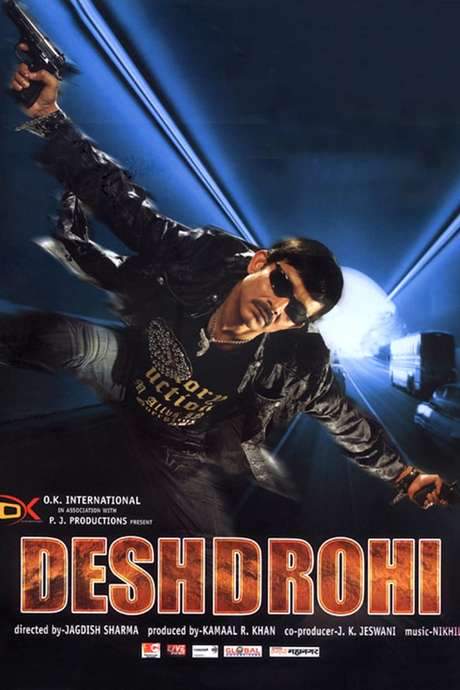
Amid financial strain in a tightly knit, middle-class family — two sisters, their devoted mother, and a steady father — the story centers on a fearless young man known as Rana. He emerges not just as a capable fighter but as a beacon of justice, a figure whose courage and sense of duty set him apart in a world where inequity often goes unchecked. The film follows his journey from everyday grit to a larger fight for fairness, all anchored by a strong sense of family responsibility and personal integrity.
One pivotal moment sets the entire arc in motion. While traveling with his pregnant sister on a crowded train, Rana pleads with strangers for a seat, insisting that family comes first. When a group of burglars begins looting, he acts without hesitation, stepping in to protect the passengers and his sister. This act of quick thinking and selflessness does more than save lives; it changes his path. In recognition of his bravery, he is offered and accepts a job as a police officer, a role that places him in the heart of the fight against crime and corruption in his jurisdiction.
Within Rana’s world, power struggles and moral battles collide. The area is ruled in part by an MLA named Bikas, a corrupt politician whose illegal activities cast a long shadow over the community. Opposing him is Azad, another steadfast fighter against injustice who shares Rana’s commitment to doing what is right. Into this volatile mix comes Jaya, the minister’s daughter, who falls for Rana, adding a personal dimension to the already charged political landscape. The romance becomes a thread that intertwines with Rana’s duty, complicating choices and amplifying the stakes of every decision he makes.
The story takes a dark turn when Rana faces a brutal test of loyalty and life. As his sister is preparing to give birth, Bikas makes a calculated bid to eliminate Rana. The attempt is brutal and reckless, resulting in Rana’s sister being injured and ultimately dying. The personal loss hardens Rana’s resolve and ignites a powerful desire for justice, even as it puts him at odds with the political machine that enabled such cruelty. The path from grief to vengeance is intricate, tempered by the need to honor his sister’s memory while staying true to his responsibilities as a protector of the public.
Revenge becomes a driving force, but it is not a reckless impulse. Rana seeks to confront Bikas within the bounds of his own ethics and the law, even when those around him doubt that justice can prevail. As the truth about Bikas’s character comes to light, the confrontation grows inevitable and intense. In a climactic clash, Bikas meets his end, his power and corruption finally exposed for all to see. The fall of the corrupt politician marks a turning point, underscoring the film’s core message: courage, perseverance, and the bonds of family can challenge even the most entrenched injustices.
Across its narrative, the film blends family dynamics, personal sacrifice, and a relentless pursuit of justice. The portrayal of Rana—brave, principled, and unwavering in the face of corruption—serves as the emotional throughline that keeps the story grounded. The supporting characters—ranging from siblings and parents to Azad and Jaya—enrich the tapestry, adding layers of devotion, danger, and moral ambiguity. In the end, the story leaves audiences with a resonant reflection on duty, resilience, and the costs of standing up for what is right.