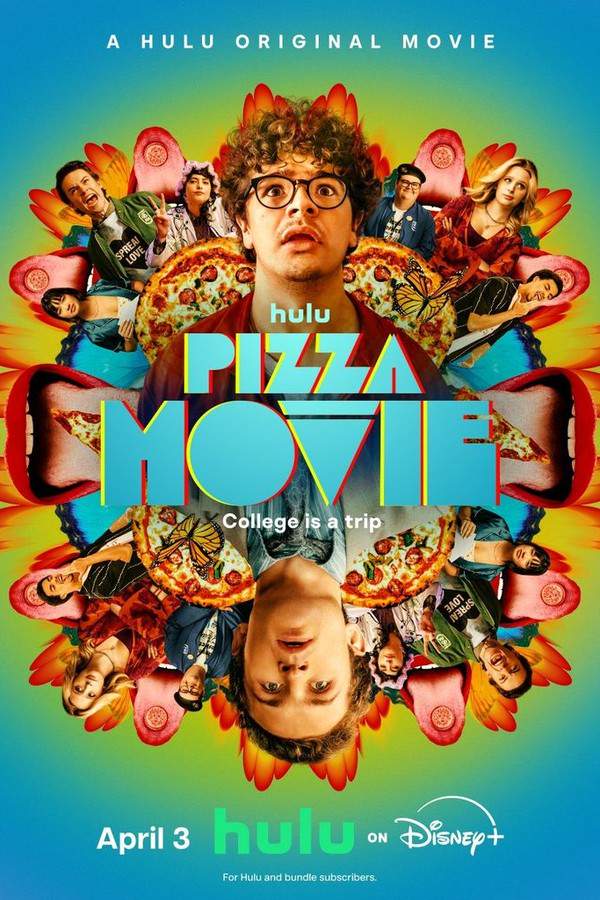
The chaotic climax of Pizza Movie resolves with a bizarre blend of supernatural hallucinations and meta-fictional commentary. As the antagonist, Blake, attempts to destroy the coveted pizza in a pit of toxic waste, the loyal robot Snackotron sacrifices itself to save the meal. Meanwhile, the protagonists face the sixth stage of the M.I.N.T.S. drug, where their worst nightmares manifest physically to attack them. However, the true twist comes when the trio stuffs the remaining drugs down Blake's throat. Instead of a typical hallucination, Blake experiences the "true nature of reality," breaking the fourth wall to find himself in the actual writers' room. Overhearing the creators dismiss the film's title and script, Blake realizes he is a disposable character in a poorly written story, a revelation that breaks his spirit and removes him as a threat. With the villain defeated by existential dread, the group finally retrieves their pizza, and the hallucinated monsters vanish, allowing Snackotron to "rest in peace" once the order is confirmed as satisfactory.
Beyond the surreal villain defeat, the ending serves as a crucial moment of maturation for the three friends. Jack overcomes his victim mentality, realizing that his self-centeredness caused many of his own problems, and he learns to value the friends who stand by him despite his insecurities. Montgomery sheds the false persona he built to impress his crush, Ashley, ultimately rejecting a relationship rooted in shallow internet discourse about masculinity. Perhaps most importantly, Lizzy finds the courage to cut ties with the popular crowd who only used her for money, physically confronting the manipulative jock Logan before rejoining the group who appreciates her for who she is. By facing their nightmares and choosing authentic connection over social climbing, the trio solidifies their bond.
The film closes on a surreal, peaceful note as the friends sit down to finish the board game they started, finally enjoying the pizza they risked everything to acquire. While the logic of the M.I.N.T.S. drug involves shared hallucinations and seemingly impossible time loops, the narrative leans into its self-aware nature to explain these discrepancies. The boundary between reality and fiction remains porous, but the emotional resolution is clear: the friends have transcended their social anxieties. As the delayed effects of the drugs hit them, they experience a sense of weightlessness and euphoria, symbolizing that, for these outcasts, genuine friendship is the ultimate escape from the absurdity of their reality.