






Plot Explained Spoilers guaranteed!
Plot Explained

Browse by genre

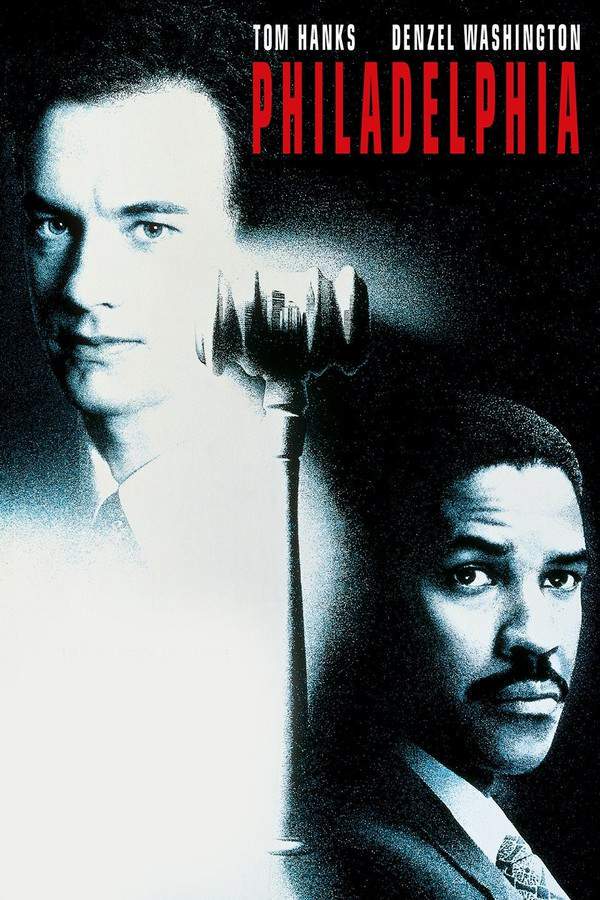
Philadelphia (1993) movie poster

Timeline

Philadelphia (1993) Timeline Explained – Every Event in Order

Release, runtime and language
1993 · 125 min · English
Directed by
Jonathan Demme
Starring
Tom Hanks, Denzel Washington
Budget
$26M

A brilliant lawyer, Andrew Beckett, is dismissed from his firm after it’s revealed he has HIV. Feeling unfairly dismissed and seeking justice, he enlists the help of Joe Miller, a homophobic lawyer who initially hesitates to take on the case. Together, they confront the powerful law firm in a landmark legal battle that challenges prejudice and fights for acceptance, ultimately changing perceptions and impacting the legal system.

On this page (6)
  1. 1 Where to watch
  2. 2 Events in order (15)
  3. 3 Timeline questions answered
  4. 4 Movie threads
  5. 5 Movies like Philadelphia
  6. 6 Every angle

Where to watch

Where to Watch Philadelphia (1993)

Where can you watch Philadelphia? Stream, rent or buy it in the US, including on YouTube Free, Amazon Video and Apple TV Store: current JustWatch availability with up-to-date prices.

Streaming availability powered by JustWatch

15 events in order · contains spoilers

Philadelphia Timeline: Events in Chronological Order

Every key event of Philadelphia (1993) in order, scene by scene, with when and where it takes place. Use it to untangle flashbacks, time jumps and parallel storylines, to refresh your memory before the sequel or to find the exact scene you are thinking of.

  1. Andrew Beckett's Career

    Andrew Beckett, a senior associate at a prestigious law firm in Philadelphia, is dedicated to his career. Despite his professional success, he harbors a secret about his sexual orientation and health condition, which adds a layer of complexity to his life.

    Where
    Philadelphia
  2. Receiving the Crucial Case

    On a pivotal day at the firm, Beckett is assigned an important case that could define his career. However, a colleague's notice of a small lesion on his forehead forces him to take unexpected leave to manage his health issues discreetly.

    Where
    Law Firm
  3. In the Hospital

    As Beckett is preparing the necessary legal paperwork for his case, he suffers severe bowel spasms and is rushed to the emergency room. From his hospital bed, he faces frantic inquiries from his firm about a missing complaint related to the crucial case.

    Where
    Hospital
  4. Unjust Dismissal

    Following his hospitalization, Beckett is abruptly fired by the partners at the firm, who previously referred to him as their 'buddy.' They use the missing document as a pretext to question his competency, which he believes is linked to his AIDS diagnosis.

    Where
    Law Firm
  5. Seeking Legal Representation

    In light of his wrongful termination, Beckett approaches personal injury lawyer Joe Miller to represent him. Initially, Miller is hesitant due to his own prejudices against homosexuality and AIDS, leading to a challenging beginning in their relationship.

    Where
    Joe Miller's Office
  6. Miller's Reluctance

    After contemplating the implications of representing Beckett and consulting with a doctor about AIDS transmission risks, Miller ultimately chooses not to take the case. This reflects the societal stigma surrounding the disease at the time.

    Where
    Joe Miller's Office
  7. Witnessing Prejudice

    While at a law library researching legal matters, Miller observes the blatant prejudice against Beckett as other patrons deliberately distance themselves from him. This moment profoundly impacts Miller and prompts him to reconsider his initial decision.

    Where
    Law Library
  8. Miller Takes the Case

    Moved by what he witnessed at the law library, Joe Miller makes the brave decision to represent Andrew Beckett. This marks a significant shift in his character, as he begins to confront his own biases and the prejudices faced by Beckett.

    Where
    Law Library
  9. Trial Begins

    As the trial commences, the head of the firm, Charles Wheeler, testifies against Beckett, labeling him as incompetent and attributing his illness to reckless behavior. The courtroom atmosphere is charged with tension as discourses of discrimination come into play.

    Where
    Courtroom
  10. Revealing the Truth

    During the trial, Miller successfully argues that Beckett’s visible condition was a result of his illness and highlights the prejudiced environment in which Beckett worked. This breakthrough challenges the narrative being crafted by the defense.

    Where
    Courtroom
  11. Beckett's Confession

    Beckett candidly acknowledges his anonymous encounters with men during the trial, which evokes both shock and empathy from the jury. A surprising revelation from a firm partner regarding their awareness of Beckett’s condition adds emotional weight to the proceedings.

    Where
    Courtroom
  12. The Collapse

    In a harrowing moment during the trial, Beckett collapses, underscoring the severity of his health condition. This pivotal incident contributes significantly to the jury's final decision.

    Where
    Courtroom
  13. The Verdict

    The jury ultimately rules in favor of Beckett, awarding him a staggering $4.5 million in damages. This verdict serves as a landmark moment not only for Beckett but also in addressing discrimination against individuals with AIDS.

    Where
    Courtroom
  14. Miller's Affection

    Following the trial's conclusion, Miller visits Beckett in the hospital, where he finds the strength to express his feelings of affection. This moment signifies a transformation in Miller's character and acceptance of Beckett’s identity.

    Where
    Hospital
  15. A Moving Tribute

    After Andrew Beckett's passing, a poignant reception is held in his honor, where family and friends gather. They reflect on his vibrant life through shared memories and home movies, mourning the loss of a beloved figure.

    Where
    Reception Hall

Last updated: November 04, 2024 at 00:30

Was this helpful?

Timeline questions answered

Philadelphia Timeline Explained: Your Questions Answered

When does it happen, and why in that order? The questions people ask about the chronology of Philadelphia (1993): time jumps, flashbacks, cause and effect between scenes and the correct order of events, each answered with spoilers.

Q1

Why was Andrew Beckett fired from his law firm?

Andrew Beckett was fired under the pretext of incompetence due to a missing legal complaint, but he believed the real reason was his AIDS diagnosis. The firm had previously called him their 'buddy' and valued his work, but after his hospitalization and visible deterioration, they used the missing document as a pretext to terminate him. The timing of his firing shortly after his health crisis suggested discriminatory motives linked to his medical condition.

Foreshadowing: Earlier, a partner noticed a lesion on Beckett's forehead, prompting him to take leave to conceal his condition, hinting at the firm's awareness of his health issues.

  • andrew beckett firing
  • aids discrimination
  • law firm termination
  • wrongful termination
Q2

Why did Joe Miller initially refuse to represent Andrew Beckett?

Joe Miller initially refused because of his own prejudices against homosexuality and his lack of knowledge about AIDS transmission. He consulted his doctor about the risks of contracting the virus and, based on fear and misinformation, decided he could not represent Beckett. His reluctance stemmed from the societal stigma surrounding the disease in the early 1990s.

  • joe miller refusal
  • aids stigma
  • homophobia
  • legal representation
Q3

What changed Joe Miller's mind about taking Andrew Beckett's case?

While researching at a law library, Miller witnessed other patrons deliberately moving away from Beckett due to his visible AIDS symptoms and the stigma attached to his condition. This direct experience of the prejudice Beckett faced on a daily basis moved Miller to reconsider his decision and choose to represent him, marking a pivotal character transformation.

Foreshadowing: Miller's initial refusal and his consultation with a doctor about AIDS transmission risks established his fears, which the law library incident directly challenged.

  • joe miller transformation
  • law library scene
  • prejudice witness
  • aids discrimination
Q4

How did the law firm find out about Andrew Beckett's AIDS diagnosis?

A partner at the firm noticed a small lesion on Beckett's forehead, which is a symptom of AIDS-related complex. This visual clue prompted Beckett to take time off to manage his health discreetly. During the trial, it was revealed that a partner suspected Beckett's illness but chose to remain silent rather than address the matter directly.

Foreshadowing: The initial lesion notice forced Beckett to take leave, creating the circumstances that led to the missing document and subsequent termination.

  • aids diagnosis revealed
  • lesion
  • firm knowledge
  • hidden condition
Q5

What caused Andrew Beckett to collapse during the trial?

Beckett collapsed due to the severe progression of his AIDS, which had been deteriorating throughout the trial. The physical and emotional strain of the legal battle, combined with his advanced illness, caused his body to fail him at a critical moment in the courtroom. This harrowing incident underscored the gravity of his condition and significantly impacted the jury's decision.

Foreshadowing: Beckett's earlier hospitalization with severe bowel spasms established his declining health as a critical plot element.

  • beckett collapse
  • aids progression
  • trial health
  • courtroom collapse
Q6

What was the outcome of the trial against Beckett's former firm?

The jury ruled in Andrew Beckett's favor, awarding him $5 million in damages. The verdict was a landmark moment in addressing discrimination against individuals with AIDS, establishing important legal precedent while also representing a personal victory for Beckett despite his failing health.

Foreshadowing: Miller's successful argument that Beckett's visible condition and the prejudiced work environment contributed to his termination set the stage for the favorable verdict.

  • trial verdict
  • beckett wins
  • landmark case
  • discrimination damages
Q7

Why did Andrew Beckett choose Joe Miller as his lawyer despite his known prejudices?

Beckett approached Miller because he was a personal injury lawyer with a past connection, and no other lawyers would take his case. Despite Miller's known homophobic views, Beckett had few options as other attorneys refused to represent him, likely due to the controversial nature of an AIDS discrimination lawsuit in the early 1990s.

Foreshadowing: The timeline shows Beckett approaching multiple lawyers who all declined, leaving Miller as his last viable option.

  • beckett lawyer choice
  • no other lawyers
  • discrimination case
Q8

What happened between Joe Miller and Andrew Beckett after the verdict?

After winning the trial, Miller visited Beckett in the hospital and found the courage to express affection toward him, marking a significant transformation in Miller's character. This moment represented his complete acceptance of Beckett's identity, overcoming the prejudices he had struggled with throughout the film.

Foreshadowing: Miller's journey from refusing the case to witnessing prejudice to defending Beckett in court showed his gradual transformation toward acceptance.

  • miller beckett relationship
  • hospital scene
  • acceptance
  • affection shown
Q9

What happened to Andrew Beckett after the trial?

Andrew Beckett passed away following the trial. The film concludes with a reception held in his honor, where family and friends gathered to reflect on his life through home movies. Despite his death, his legal victory created lasting change in how AIDS discrimination was addressed in the workplace.

Foreshadowing: Beckett's collapse during the trial and his declining health throughout the narrative foreshadowed his ultimate fate.

  • beckett death
  • aftermath
  • legacy
  • reception tribute
Q10

What revelation about the firm's knowledge came out during the trial?

During the trial, a partner revealed that he had suspected Beckett's illness but chose to remain silent rather than addressing the matter. This revelation added emotional weight to the proceedings and strengthened the case that the firm had known about Beckett's condition and used it as grounds for his termination.

  • partner testimony
  • firm knowledge silent
  • revelation trial

Movie threads

More Movies Like Philadelphia, by Mood & Story

Curated lists built around what makes Philadelphia tick: the same mood, the same kind of story or the same emotional payoff. Each list explains why these movies belong together.

Landmark Social Justice Dramas like Philadelphia

Stories of courageous individuals fighting systemic prejudice in the courtroom. Movies like Philadelphia that tell powerful stories of individuals taking on the system. If you enjoyed the compelling legal fight against discrimination, you'll find similar films here about landmark cases and the personal courage behind social change.

  • social justice
  • courtroom drama
  • uphill battle
  • courageous
  • tense
  • emotional
  • Tone: hopeful, tense, emotional
  • Pacing: steady, procedural
Why these movies?

The story pattern: The narrative follows a protagonist who faces blatant discrimination and decides to fight back through the legal system. The journey is an uphill battle against powerful institutions, using the courtroom as a stage to expose prejudice and argue for fundamental human rights, often with high personal stakes.

Why they belong together: These films are grouped by their focus on real-world social issues fought through legal drama. They share a tone of hopeful determination amid serious subject matter, a steady procedural pace, and the emotional weight of a cause that extends beyond the individual.
Bittersweet Journeys of Personal Legacy like Philadelphia

Emotional stories where a personal sacrifice leads to a lasting impact. For viewers seeking movies with an emotional tone similar to Philadelphia. These films explore how a person's struggle, often against illness or adversity, creates a meaningful legacy, resulting in a story that is both heartbreaking and ultimately hopeful.

  • bittersweet
  • heart-wrenching
  • hopeful
  • legacy
  • emotional
  • somber
  • Tone: bittersweet, hopeful, heart-wrenching
  • Pacing: steady, character-driven
Why these movies?

The story pattern: The narrative intertwines a character's personal decline or struggle with their pursuit of a larger goal. The central conflict is both internal (coping with illness or hardship) and external (fighting for justice or acceptance). The story concludes with a hard-won victory for the cause, but a deep personal loss, creating a powerfully bittersweet resonance.

Why they belong together: Movies in this thread share a specific emotional mix: the heaviness of personal tragedy balanced against the hope of a lasting impact. They are defined by a bittersweet ending feel, heavy emotional weight, and a tone that finds light even in the darkest circumstances.

If you liked this

Movies Like Philadelphia

Similar movies to Philadelphia: the same genre, themes or kind of story. Each one comes with its own plot summary, timeline and ending explained.

Browse all movie summaries

Every angle

Philadelphia (1993) Explained: Plot, Timeline & Characters

Everything about Philadelphia in one place: what happens in the plot summary, the timeline in chronological order, the characters and meaning and a spoiler-free summary. What's After the Movie adds the cast, box office and post-credit scenes.

Coming soon on iOS and Android

The Plot Explained Movie Summary App

Plot summaries, endings explained and timelines on your phone. Catch up on any movie in minutes, save your favorites and never miss a twist again.

Be the first to know when we launch. Your email stays private, always.

Learn more about the app