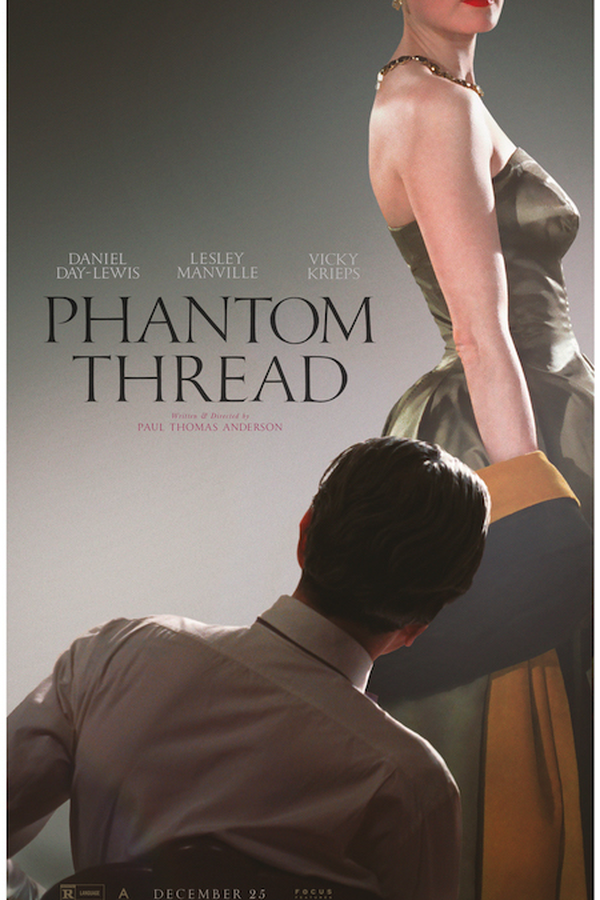
The ending of Phantom Thread reveals a complex and twisted understanding between Reynolds and Alma, where their toxic relationship finds a strange, if fragile, balance through cycles of love and sacrifice. Reynolds, who is tormented by his past — particularly the death of his mother — and obsessed with control and routine, initially resents Alma’s attempts to get closer to him, yet ultimately falls under her spell. Alma’s act of poisoning Reynolds with mushrooms is a deliberate move, not out of malice but as a way to break his rigidity and reassert her importance in his life. The first poisoning nearly kills Reynolds, but after being cared for by Alma, he rekindles his love and asks her to marry him, understanding that their bond is rooted in mutual dependence, even if it is dysfunctional.
In the final scene, Reynolds knowingly eats a poisoned omelet Alma prepares, fully aware of her intentions and embracing his own sickness. This act signifies his acceptance of their intertwined, parasitic relationship: he gains a renewed emotional connection and a sense of genuine care that he has been craving throughout his life. Reynolds’s past trauma — especially the loss of his mother — and his obsessive need for routine find relief in Alma’s control, which manifests through her poisoning him. It’s as if the sickness allows him to shed his emotional armor and momentarily become vulnerable, the way he wishes to be with those he loves.
While to outsiders their relationship might appear destructive and unhealthy, Reynolds and Alma seem to have found a type of harmony within their chaos. By the end, Reynolds asks Alma to kiss him before she might poison him again, signifying that their love, though unconventional, is real for both of them. Their future together appears to be a continuous cycle of torment and tenderness, with Alma’s manipulations and Reynolds’s surrender becoming the foundation of their connection. The film’s title, Phantom Thread, metaphorically refers to the invisible, haunting threads of obsession, love, and sacrifice that weave through their bond — much like the invisible threads seamstresses feel after hours of sewing, or Reynolds’s own subconscious signals sewn into his dresses. Ultimately, the movie suggests that their love is as fragile and complex as a “phantom thread”: elusive, possibly toxic, but also deeply intertwined and essential to their identities. They accept their twisted love, finding a strange kind of peace in their shared cycle of pain and care, with Cyril watching over as a silent witness to their unconventional bond.