Plot Explained Spoilers guaranteed!
Plot Explained

Browse by genre

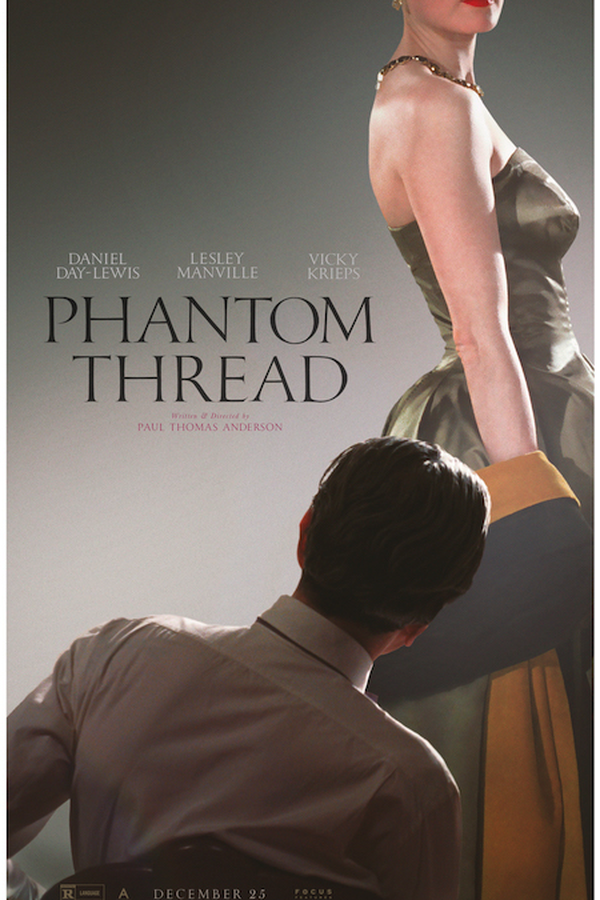
Phantom Thread (2017) movie poster

Plot Summary

Phantom Thread (2017) Plot Summary & Ending Explained

Release, runtime and language
2017 · 130 min · English
Echo score 88
JustWatch #2,122 4
Directed by
Paul Thomas Anderson
Starring
Bern Collaco, Lesley Manville, Dave Simon, Daniel Day-Lewis, Camilla Rutherford, Cedric Tylleman
Budget
$35M

In 1950s London, renowned dressmaker Reynolds Woodcock and his sister Cyril maintain a meticulously controlled world at the height of British fashion. Reynolds’ stunning designs captivate royalty and celebrities, while a succession of women briefly grace his life, inspiring his artistry. However, the arrival of Alma, a passionate and independent woman, disrupts his carefully constructed routine, leading to unexpected complications and a challenge to his dominance.

On this page (8)
  1. 1 Where to watch
  2. 2 What happens: full plot
  3. 3 Plot questions answered
  4. 4 How it ends
  5. 5 Movie threads
  6. 6 Movies like Phantom Thread
  7. 7 Categories
  8. 8 Every angle

Where to watch

Where to Watch Phantom Thread (2017)

Where can you watch Phantom Thread? Stream, rent or buy it in the US, including on Netflix, Netflix Standard and Amazon Video: current JustWatch availability with up-to-date prices.

Streaming availability powered by JustWatch

Full plot summary · contains spoilers

What Happens in Phantom Thread: Full Plot Summary

The whole story of Phantom Thread (2017) explained, from the opening scene to the final frame: every key event, every twist and what it all adds up to. Read it as a quick recap before the sequel, to check a scene you missed, or to finally understand what really happened.

In 1954 London, the esteemed fashion designer Reynolds Woodcock is in the business of crafting exquisite dresses and garments for the elite. His boundless charisma is coupled with an obsessive, controlling disposition, making him a perfectionist who demands nothing short of flawlessness. His luxury fashion house is supported by a talented team of tailors, but it is his sister, Cyril, who manages the daily operations and wields significant influence over his personal and professional life. Haunted by the shadow of their mother's death, Reynolds expresses his feelings by stitching concealed messages into the linings of his garments.

In this intricate web of creativity and control, Johanna, Reynolds' current girlfriend, feels overlooked and complains that he never gives her the focus she desires. Noticing the growing distraction Johanna poses, Cyril advises Reynolds that the time has come to sever this relationship, suggesting a much-needed retreat to the countryside.

Following the creation of a beautiful gown for Countess Henrietta Harding, Reynolds finds himself intrigued by a charming waitress named Alma during a visit to an eatery in the countryside. He invites her out, and she eagerly accepts, igniting a connection where Reynolds recounts a poignant childhood memory about his desire to help sew a wedding dress for his nanny, Miss Blackwood. Despite his efforts, superstitions kept him from achieving that dream, and both he and Cyril's experiences often seem intertwined in their fateful outcomes.

Reynolds, who regards himself as a confirmed bachelor, finds himself bewitched by Alma, creating a dazzling dress for her that cements their bond. Cyril, however, observes these interactions with skepticism, making Alma feel uneasy at times, especially when Reynolds casually remarks about her lack of physical attributes, insisting that his designs will enhance her shape.

As their relationship evolves, Alma moves in with Reynolds, stepping into the roles of muse, assistant, and love interest. In the beginning, she delights in witnessing his creative genius, but Reynolds’ relentless pursuit of perfection transforms their dynamic into one of tension and frustration. He treats her with alternating bouts of warmth and cold detachment, leaving her feeling elated yet disheartened.

During an engagement dinner for Barbara Rose, Reynolds imposes his rigid standards on her, resulting in discomfort that leaves Barbara faint. In a troubling turn of events, he insists on retrieving the dress from her even as she sleeps, leading to further complications.

While Cyril initially distrusts Alma, she earns her respect through resilience and fortitude. The relationship between Reynolds and Alma is marred by incessant bickering, especially when she attempts to prepare a romantic meal, only to be met with Reynolds' harsh criticisms about the preparations. In a desperate bid to reclaim power in their tumultuous romance, Alma resorts to a drastic decision, using wild mushrooms to poison his tea, an act that ultimately leads to a deep crisis.

As Reynolds becomes gravely ill, hallucinating the ghost of his mother, Alma selflessly attends to him while Cyril steps in to manage the fallout from his distress. Upon recovering, Reynolds finds himself touched by Alma's unwavering dedication, culminating in a marriage proposal that she initially contemplates before ultimately agreeing.

In the aftermath of a blissful honeymoon in Switzerland, the reality of their marriage sets in, revealing the same old patterns of conflict as Reynolds' controlling nature resurfaces. Cyril informs Reynolds that one of his elite clients has turned to a rival fashion house, igniting fears that his traditional designs may soon fall out of favor. In a desperate act of defiance, Alma prepares a poisoned omelet, declaring her wish to make him weak and dependent solely on her.

As Reynolds consumes the omelet, he begins to grasp Alma’s intentions and embraces the fate she has envisioned for them. As he lies weakly, Alma fantasizes about a harmonious future filled with children, prosperity, and her running the dressmaking business alongside Reynolds. She contemplates the challenges they may face but is resolute that their love—and the shifts in their power dynamic—will enable them to triumph over adversity.
Last updated: November 15, 2024 at 19:30

Was this helpful?

Plot questions answered

Phantom Thread Plot Explained: Your Questions Answered

The questions people ask most about Phantom Thread (2017): what happens in the confusing scenes, why the characters do what they do, the twists, hidden details and what the ending means. Each answer contains spoilers.

Q1

Why does Alma poison Reynolds with mushrooms?

Alma poisons Reynolds with wild mushrooms because she feels powerless in their relationship. Reynolds treats her with alternating warmth and cold detachment, criticizing her efforts and disregarding her needs while expecting her to serve his perfectionist demands. After an evening of harsh criticism about a meal she prepared, Alma acts desperate to regain control, believing that making him weak will force him to need her the way she needs him.

Foreshadowing: Earlier scenes show Alma growing increasingly frustrated as Reynolds prioritizes his work and imposes his standards on her, setting the stage for her desperate act.

  • alma
  • reynolds
  • mushrooms
  • poisoning
  • control
  • relationship
Q2

Why does Reynolds propose to Alma after being poisoned?

After surviving the poisoning, Reynolds experiences a profound shift. While hallucinating, he sees the ghost of his mother, which represents his deepest emotional vulnerability. Alma's decision to stay and care for him during his crisis, despite being the one who poisoned him, demonstrates a loyalty and dedication that touches him. He interprets her act as proof of genuine love rather than manipulation, leading him to propose as a way to solidify that devotion.

Foreshadowing: The poisoning crisis forces Reynolds to confront his emotional isolation and need for genuine connection.

  • reynolds
  • alma
  • marriage
  • proposal
  • illness
  • loyalty
Q3

What do the hidden messages in the garment linings represent?

The concealed messages stitched into the linings of Reynolds' garments represent his way of processing and expressing repressed emotions. Haunted by his mother's death, Reynolds cannot openly discuss his feelings, so he channels them into his craft. These hidden messages serve as a private emotional outlet, a way to embed his grief, love, and vulnerability into the very fabric of his creations where only the wearer might discover them.

Foreshadowing: The film establishes early on that Reynolds processes loss through his work, having been haunted by his mother's death.

  • reynolds
  • hidden messages
  • linings
  • mother
  • emotion
  • sewing
Q4

Why does Alma poison Reynolds a second time with the omelet?

After their honeymoon, Reynolds' controlling behavior resurfaces, and Cyril tells him a major client has defected to a rival fashion house, causing him to become more demanding. Alma views this as evidence that nothing has changed and that she will always be secondary to his work and control. She prepares a poisoned omelet specifically to weaken him permanently, believing that a dependent Reynolds will finally love her the way she wants, because he will need her.

Foreshadowing: The honeymoon scenes show their familiar conflicts returning, and Cyril's news about the lost client triggers Reynolds' anxiety and controlling behavior.

  • alma
  • reynolds
  • poison
  • omelet
  • control
  • dependency
Q5

What is the significance of Reynolds' childhood memory about Miss Blackwood?

During their first meeting, Reynolds tells Alma about his childhood desire to help sew a wedding dress for his nanny, Miss Blackwood. Superstitions prevented him from doing so, and the dress was never made. This memory reveals Reynolds' earliest connection between love, creativity, and loss, his desire to create something beautiful for someone he cared about was thwarted, mirroring his inability to maintain meaningful relationships without control. The memory also ties to his mother's death and his pattern of expressing love through garments.

Foreshadowing: This backstory establishes Reynolds' lifelong pattern of channeling emotional connection through fashion rather than direct expression.

  • reynolds
  • miss blackwood
  • childhood
  • nanny
  • wedding dress
  • superstition
Q6

Why does Cyril end up supporting Alma despite initially distrusting her?

Cyril initially distrusts Alma because she sees her as another distraction in Reynolds' life, similar to Johanna. However, Alma earns Cyril's respect through her resilience and fortitude. When Alma refuses to be pushed away despite Reynolds' cruel treatment and instead stands her ground, Cyril recognizes a strength in Alma that mirrors her own role as the one who manages Reynolds' chaos. Cyril eventually helps Alma during Reynolds' illness and supports their marriage because she sees Alma as someone capable of enduring what Cyril herself has endured.

Foreshadowing: Cyril's early warning to Alma about Reynolds' nature foreshadows her eventual recognition of Alma's similar durability.
  • cyril
  • alma
  • respect
  • support
  • resilience
  • relationship
Q7

What does the ghost of Reynolds' mother represent during his illness?

The ghost of Reynolds' mother appears during his mushroom poisoning hallucination, representing his deepest emotional wounds. Her death haunts him throughout the film, and he processes this loss through his work, stitching hidden messages into garments. The hallucination forces him to confront this unresolved grief directly. His vulnerability in that moment, seeing his mother, opens him to accepting Alma's care, which leads to his marriage proposal.

Foreshadowing: The film establishes early that Reynolds is haunted by his mother's death and expresses grief through his craft.

  • reynolds
  • mother
  • ghost
  • hallucination
  • death
  • grief
Q8

Why does Reynolds accept being poisoned at the end of the movie?

As Reynolds eats the poisoned omelet, he realizes Alma's intent but chooses not to resist. Rather than seeing this as defeat, Reynolds accepts the fate she has prepared because it offers something his controlled life never did, a genuine need for each other. By becoming dependent on Alma, he believes they will finally have an equal relationship where she cannot leave him. He embraces the sickness as a twisted form of union, preferring this dark interdependence to his previous isolation.

Foreshadowing: This ending mirrors his earlier realization after the first poisoning, that Alma's dedication, however extreme, represents real connection.

  • reynolds
  • alma
  • acceptance
  • fate
  • dependency
  • relationship ending
Q9

Why does Reynolds treat Alma with alternating warmth and cold detachment?

Reynolds' pattern of warmth followed by coldness stems from his obsessive nature and inability to balance intimacy with his perfectionist work ethic. He genuinely loves his muses and enjoys their company, but his need for control and perfection inevitably overrides his affection. When work demands his attention, he withdraws emotionally and becomes critical, treating Alma as another element to be shaped rather than an equal partner. This cycle reflects his fundamental inability to maintain close relationships without dominance.

Foreshadowing: This pattern is established early with Johanna and continues consistently throughout Reynolds' relationships.

  • reynolds
  • alma
  • coldness
  • warmth
  • control
  • perfectionism
Q10

What does the ending of Phantom Thread mean?

The ending presents a twisted equilibrium where both Reynolds and Alma have accepted a relationship built on cyclical sickness and dependency. As Alma fantasizes about their future, children, prosperity, and running the business together, she believes her control and his acceptance of weakness will create lasting harmony. However, the ending remains ambiguous: this could be genuine love finally finding balance, or a disturbing acceptance of psychological warfare as the new normal. The film leaves open whether they will thrive or destroy each other.

Foreshadowing: The film's slow pacing and psychological tension throughout build toward this ambiguous resolution where power dynamics have shifted.

  • ending
  • ambiguous
  • future
  • dependency
  • love
  • poison
Q11

Why does Reynolds insist on retrieving the dress from Barbara Rose while she sleeps?

At Barbara Rose's engagement dinner, Reynolds demands perfection and criticizes the fit of her dress until she becomes faint from discomfort. After she falls asleep, he insists on retrieving the dress immediately, demonstrating his obsessive need for control and perfection above all else, even basic human decency. This moment illustrates how Reynolds prioritizes his artistic vision and garments over the wellbeing of the women who wear them, revealing his objectifying nature.

Foreshadowing: This scene establishes Reynolds' pattern of treating women as muses rather than people, foreshadowing his treatment of Alma.

  • reynolds
  • barbara rose
  • dress
  • control
  • perfection
  • engagement dinner
Q12

How does the power dynamic work between Reynolds, Cyril, and Alma?

The power dynamic among the three operates in shifting triangles. Cyril holds significant influence over Reynolds, managing both his business and personal life, effectively acting as his gatekeeper. Reynolds initially holds power over Alma, treating her as a muse to be shaped. Alma gradually challenges this by asserting her own needs and eventually reversing the power balance through poisoning. Cyril's eventual support of Alma represents a realignment, as she recognizes Alma's strength and sees her as a worthy partner who can endure Reynolds' demands.

Foreshadowing: Cyril's early control and Alma's growing defiance set up the eventual shift in the power structure.

  • reynolds
  • cyril
  • alma
  • power
  • dynamic
  • control
  • triangle

Ending explained

What Happens at the End of Phantom Thread?

How Phantom Thread (2017) ends, in short: the final scene, the last twist and what it means for the characters. The full ending explained, with every spoiler, lives on its own page.

Read the full ending explained

The ending of Phantom Thread reveals a complex and twisted understanding between Reynolds and Alma, where their toxic relationship finds a strange, if fragile, balance through cycles of love and sacrifice. Reynolds, who is tormented by his past — particularly the death of his mother — and obsessed with control and routine, initially resents Alma’s attempts to get closer to him, yet ultimately falls under her spell. Alma’s act of poisoning Reynolds with mushrooms is a deliberate move, not out of malice but as a way to break his rigidity and reassert her importance in his life. The first poisoning nearly kills Reynolds, but after being cared for by Alma, he rekindles his love and asks her to marry him, understanding that their bond is rooted in mutual dependence, even if it is dysfunctional.

In the final scene, Reynolds knowingly eats a poisoned omelet Alma prepares, fully aware of her intentions and embracing his own sickness. This act signifies his acceptance of their intertwined, parasitic relationship: he gains a renewed emotional connection and a sense of genuine care that he has been craving throughout his life. Reynolds’s past trauma — especially the loss of his mother — and his obsessive need for routine find relief in Alma’s control, which manifests through her poisoning him. It’s as if the sickness allows him to shed his emotional armor and momentarily become vulnerable, the way he wishes to be with those he loves.

Continue reading the ending (1 more paragraphs)

While to outsiders their relationship might appear destructive and unhealthy, Reynolds and Alma seem to have found a type of harmony within their chaos. By the end, Reynolds asks Alma to kiss him before she might poison him again, signifying that their love, though unconventional, is real for both of them. Their future together appears to be a continuous cycle of torment and tenderness, with Alma’s manipulations and Reynolds’s surrender becoming the foundation of their connection. The film’s title, Phantom Thread, metaphorically refers to the invisible, haunting threads of obsession, love, and sacrifice that weave through their bond — much like the invisible threads seamstresses feel after hours of sewing, or Reynolds’s own subconscious signals sewn into his dresses. Ultimately, the movie suggests that their love is as fragile and complex as a “phantom thread”: elusive, possibly toxic, but also deeply intertwined and essential to their identities. They accept their twisted love, finding a strange kind of peace in their shared cycle of pain and care, with Cyril watching over as a silent witness to their unconventional bond.

Phantom Thread ending explained in full

Movie threads

More Movies Like Phantom Thread, by Mood & Story

Curated lists built around what makes Phantom Thread tick: the same mood, the same kind of story or the same emotional payoff. Each list explains why these movies belong together.

Movies about twisted, controlling relationships like Phantom Thread

Stories where love manifests as a power struggle in a claustrophobic world. Explore films similar to Phantom Thread, which portray unhealthy, obsessive partnerships where power dynamics define the romance. If you liked the psychological manipulation and dark symbiosis in Phantom Thread, these movies will appeal.

  • obsessive
  • claustrophobic
  • unsettling
  • psychological
  • controlled
  • dysfunctional
  • Tone: dark, unsettling, obsessive
  • Pacing: slow, deliberate
Why these movies?

The story pattern: These narratives follow a central, often destructive partnership set within a confined or highly controlled environment. The plot revolves around an escalating battle for dominance, where acts of manipulation, sabotage, or even harm are framed as expressions of devotion, leading to a precarious and ambiguous equilibrium.

Why they belong together: They are grouped for their shared exploration of dysfunctional intimacy, a dark and unsettling tone, and the slow-paced unraveling of a relationship built on a disturbing power balance rather than traditional affection.

Slow-burn psychological dramas with heavy atmosphere like Phantom Thread

Films where quiet tension and psychological dread build to a chilling crescendo. Find movies like Phantom Thread that master a slow-building sense of dread and psychological complexity. If you appreciated the deliberate pacing, heavy emotional weight, and ambiguous, unsettling ending of Phantom Thread, this selection is for you.

  • slow burn
  • psychological
  • unsettling
  • melancholic
  • atmospheric
  • tense
  • Tone: dark, melancholic, tense
  • Pacing: slow burn, deliberate
Why these movies?

The story pattern: The narrative is driven not by action, but by the accumulation of small, significant details and shifting power dynamics. The journey is one of gradual psychological erosion or transformation, often leading to an ambiguous or unsettling conclusion that prioritizes mood and character over clear resolution.

Why they belong together: This thread connects films through their shared atmospheric focus, deliberate pacing that builds psychological tension, a heavy emotional weight, and an ending that leaves a lasting, contemplative, and often uneasy feeling.

If you liked this

Movies Like Phantom Thread

Similar movies to Phantom Thread: the same genre, themes or kind of story. Each one comes with its own plot summary, timeline and ending explained.

Browse all movie summaries

Categories

Movie Lists Featuring Phantom Thread

Phantom Thread appears in these hand-built movie categories. Each one groups movies by a specific mood, theme or story type, with their plot summaries and endings explained.

View all movie categories

Every angle

Phantom Thread (2017) Explained: Plot, Ending, Timeline & Characters

Everything about Phantom Thread in one place: what happens in the plot summary, the timeline in chronological order, the characters and meaning, the ending explained and a spoiler-free summary. What's After the Movie adds the cast, box office and post-credit scenes.

Coming soon on iOS and Android

The Plot Explained Movie Summary App

Plot summaries, endings explained and timelines on your phone. Catch up on any movie in minutes, save your favorites and never miss a twist again.

Be the first to know when we launch. Your email stays private, always.

Learn more about the app