Plot Explained Spoilers guaranteed!
Plot Explained

Browse by genre

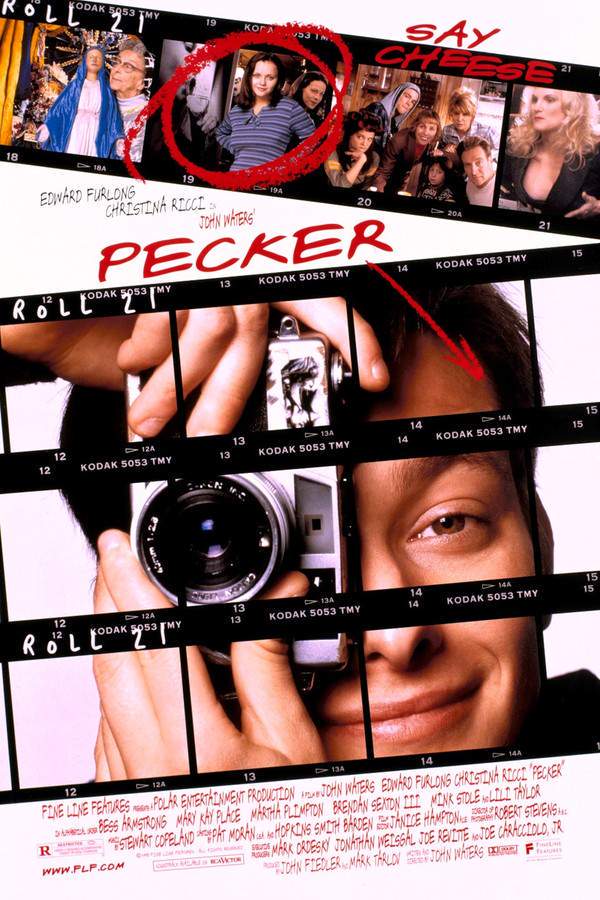
Pecker (1998) movie poster

Plot Summary

Pecker (1998) Plot Summary Explained

Release, runtime and language
1998 · 87 min · English
Loading streaming availability…
Starring
Christina Ricci, Edward Furlong

A young man from Baltimore gains unexpected fame when his unique and unfiltered photography captures the attention of the art world. His portraits of ordinary people, taken with a simple camera, propel him from obscurity to the vibrant art scene of New York City, offering a humorous and insightful look at life and ambition.

On this page (6)
  1. 1 Where to watch
  2. 2 What happens: full plot
  3. 3 Plot questions answered
  4. 4 Movie threads
  5. 5 Movies like Pecker
  6. 6 Every angle
Loading streaming availability…

Full plot summary · contains spoilers

What Happens in Pecker: Full Plot Summary

The whole story of Pecker (1998) explained, from the opening scene to the final frame: every key event, every twist and what it all adds up to. Read it as a quick recap before the sequel, to check a scene you missed, or to finally understand what really happened.

Pecker is an unassuming 18-year-old in a Baltimore neighborhood known for its thickest local accent. By day he works in a sandwich shop, and by night he quietly photographs his loving but peculiar circle of family and friends. His camera of choice is a cheap Canon Canonet 28, and the resulting images are dark, grainy, and deliberately unglamorous—yet they feel intimate and real. These raw, non-glossy portraits strike a chord with New York art collectors who are hungry for something that feels true to everyday life.

Things take a sharp turn when a savvy New York art dealer, Rorey Wheeler, discovers his work and begins to push him toward a larger stage. What begins as a lucky break quickly reveals the downsides of instant exposure: the offbeat world Pecker captures threatens to be overwhelmed by the glare of the art market. The push to transform him into a celebrated sensation tempts him to depart from his simple, low-key roots, and he eventually abandons his trusty old rangefinder in favor of a new, more feature-rich Nikon N50 in hopes of refining his craft.

As fame grows, practical consequences ripple through his life. Pecker’s best friend Matt can no longer shoplift with the same ease, now that Pecker’s photographs have brought him new visibility. At the same time, Shelley, Pecker’s obsessive girlfriend who runs a laundromat, wrestles with distress as the press labels her a “stain goddess,” misreading her good-natured, pin-up poses as something salacious. The tabloids’ attention turns his entire circle into public spectacles, and the family begins to feel the crushing glare of stardom.

The personal pressure mounts for Pecker’s mother Joyce, who can no longer freely dispense fashion tips to the homeless customers at her thrift shop, and for Memama, his grandmother, who endures embarrassment when a statue of the Virgin Mary is photographed and splashed across a national art magazine. Tina, his older sister who once emceed go-go dancing at a gay bar, is fired from her job because Pecker’s edgy photos chronicle the club’s patrons and their intimate moments. Even Little Chrissy, his six-year-old sister, faces consequences as her eating disorder is exposed to the public, prompting concerns from child welfare agencies and a misdiagnosis of ADHD that leads to treatment with Ritalin.

Seeing how quickly fame can destabilize the lives around him, Pecker refuses to participate in a scheduled Whitney Museum of Art show. Instead, he invites New York art collectors to Baltimore to view his latest work in the place that inspired him, presenting portraits that include the very people who had dismissed his family. One shocking image shows Lynn Wentworth adjusting her breasts in a mirror, a provocative moment that fuels further debate about art, privacy, and the boundaries of depiction.

When pressed about his next steps, Pecker quietly expresses a future ambition: he would like to direct a film. The film remains a candid, humorous, and humane look at how fame can upend ordinary life, a portrait of a young photographer trying to navigate authenticity in a world that suddenly insists on perception over reality.

Last updated: November 22, 2025 at 15:58

Was this helpful?

Plot questions answered

Pecker Plot Explained: Your Questions Answered

The questions people ask most about Pecker (1998): what happens in the confusing scenes, why the characters do what they do, the twists, hidden details and what the ending means. Each answer contains spoilers.

Q1

Why does Pecker switch from his Canon to a Nikon camera?

Pecker upgrades to a Nikon N50 to capitalize on his sudden attention and appeal to the broader art market. The new camera offers more professional features and sharper image quality, which aligns with what collectors expect from a rising artist. However, this transition also symbolizes his shift from authentic, grassroots documentation toward more polished, commercial work.

  • camera upgrade
  • nikon
  • canon
  • art market
  • photography career
Q2

Why does Pecker refuse to participate in the Whitney Museum show?

Pecker refuses the Whitney show because he witnesses how fame has destabilized and hurt the people he loves. His family's privacy has been violated, his girlfriend Shelley was labeled inappropriately, his sister Tina lost her job, and his younger sister Chrissy's medical issues became public spectacle. By rejecting the curated New York exhibition, he regains control over how his work is presented.

  • whitney museum
  • art exhibition
  • celebrity
  • fame consequences
  • family protection
Q3

Why does the press call Shelley the 'stain goddess'?

Shelley runs a laundromat and posed innocently for Pecker's photos in a pin-up style that she thought was playful and supportive. However, the press distorted these images into something salacious, labeling her a 'stain goddess' as a sensationalized nickname. The misreading of her genuine, wholesome poses as provocative content exemplifies how fame distorts ordinary people into stereotypes.

  • shelley
  • laundromat
  • press
  • tabloid
  • fame distortion
Q4

Why does Pecker’s sister Tina get fired from the gay bar?

Tina was a go-go dancer and emcee at a gay bar. Pecker's edgy photographs documented the club's patrons and their intimate moments. When these images gained attention, the bar's owners felt the content was too explicit and fired Tina, holding her responsible for exposing the venue's atmosphere. This demonstrates how Pecker's art affected people beyond his immediate family.

  • tina
  • gay bar
  • job loss
  • photography controversy
  • patrons
Q5

Why is Little Chrissy diagnosed with ADHD and given Ritalin?

Pecker's photographs exposed Little Chrissy's eating disorder to the public eye. Child welfare agencies became involved, and rather than properly addressing her eating issues, doctors misdiagnosed her with ADHD and prescribed Ritalin. This tragic sequence shows how fame can medicalize family problems that would have been handled privately.

  • chrissy
  • eating disorder
  • adhd
  • ritalin
  • child welfare
  • medical misdiagnosis
Q6

Why does Pecker bring the New York art collectors to Baltimore instead of showing in New York?

By inviting collectors to Baltimore, Pecker reclaims his artistic narrative and forces them to experience his work in the environment that inspired it. This act pushes back against the art world's tendency to exoticize and commodify his humble origins. It also allows him to include portraits of the very people who had previously looked down on his family.

  • baltimore
  • art collectors
  • whitney
  • art world
  • reclaiming narrative
Q7

Why does Memama’s Virgin Mary statue end up in a national art magazine?

Pecker photographed Memama with a talking Virgin Mary statue that held personal significance in their home. This image was picked up by a major art magazine and featured on the cover, bringing unwanted national attention to what was a private, family symbol. The public ridicule that followed invaded Memama's personal space and beliefs.

  • memama
  • virgin mary statue
  • magazine
  • art
  • public embarrassment
Q8

Why can’t Matt shoplift easily anymore after Pecker becomes famous?

Pecker's rising visibility in the art world means his circle of friends and family are more recognizable in Baltimore. As a result, Matt, Pecker's best friend who previously shoplifted without notice, now attracts attention when he tries to steal. The increased scrutiny makes his old habits impossible, showing how fame ripples outward to affect even minor behaviors.

  • matt
  • shoplifting
  • fame
  • visibility
  • friendship
Q9

Why does the Lynn Wentworth photo cause such a stir in the art world?

One of Pecker's photographs shows Lynn Wentworth adjusting her breasts in a mirror, a raw and intimate moment captured without the polish of traditional portraiture. This provocative image sparks heated debates about taste, class, privacy, and the boundaries of what constitutes art. It becomes a flashpoint that polarizes collectors and critics alike.

  • lynn wentworth
  • nude photograph
  • art controversy
  • privacy
  • boundaries of art
Q10

What motivates Pecker to want to direct a film?

After experiencing the complexities of fame and the impact of his still photography on others, Pecker expresses interest in directing a film as his next artistic evolution. This ambition suggests he wants to continue storytelling in a format that gives him even greater control over narrative and perspective, potentially allowing him to address the themes of authenticity versus perception that defined his photography career.

  • film directing
  • future ambition
  • photography
  • artistic evolution
  • director
Q11

Why does an art critic call Pecker’s family 'culturally challenged'?

An overzealous art critic labels Pecker's family as 'culturally challenged' as part of the sensational coverage surrounding his sudden rise in the art world. This dismissive label reduces his loving but unconventional family to a caricature, forcing them into the glare of the art world spotlight and making them targets of ridicule rather than understanding.

  • art critic
  • culturally challenged
  • famiiy
  • label
  • stardom

Movie threads

More Movies Like Pecker, by Mood & Story

Curated lists built around what makes Pecker tick: the same mood, the same kind of story or the same emotional payoff. Each list explains why these movies belong together.

Art World Satire Movies like Pecker

Quirky and humorous looks at the absurdities and pretensions of the art scene. If you enjoyed the humorous take on the art scene in Pecker, you'll like these movies. This thread gathers films that satirize the art world with a quirky and witty vibe, exploring themes of authenticity, fame, and commerce through comedic and humanistic stories.

  • satirical
  • quirky
  • witty
  • irreverent
  • observational
  • humanistic
  • Tone: whimsical, satirical, witty
  • Pacing: steady, observational
Why these movies?

The story pattern: These stories typically follow an unconventional artist or observer as they navigate the often-absurd ecosystem of galleries, critics, and collectors. The narrative arc often involves a rise to fame that challenges the protagonist's original intentions, leading to a reflection on the true value and cost of artistic success.

Why they belong together: These films are grouped together because they share a specific tonal blend: a whimsical, often irreverent sense of humor directed at the art establishment, combined with a underlying warmth for their characters. The pacing is usually steady, focusing on character interactions and satirical scenarios rather than high-stakes drama.

Bittersweet Fame Stories like Pecker

Ordinary lives are upended by unexpected success, with mixed blessings. For viewers who liked Pecker's exploration of fame's impact, this thread features movies about ordinary people thrust into the spotlight. These stories examine the bittersweet price of success, focusing on family dynamics, authenticity, and the emotional cost of sudden recognition.

  • bittersweet
  • observational
  • humanistic
  • reflective
  • disruptive
  • family dynamics
  • Tone: bittersweet, observational, humanistic
  • Pacing: steady, cause-and-effect
Why these movies?

The story pattern: The narrative pattern follows a protagonist whose unique talent or circumstance catapults them from obscurity to notoriety. The central conflict arises as this new fame strains their relationships and personal identity. The journey often culminates in a realization of what has been lost, leading to an ending that balances achievement with a sense of cost.

Why they belong together: This thread connects movies through a shared thematic focus on the downsides of fame and a consistent emotional trajectory. They blend medium-intensity drama with observational humor, resulting in a bittersweet ending feel. The pacing is steady, charting a clear cause-and-effect story from discovery to fallout.

If you liked this

Movies Like Pecker

Similar movies to Pecker: the same genre, themes or kind of story. Each one comes with its own plot summary, timeline and ending explained.

Browse all movie summaries

Every angle

Pecker (1998) Explained: Plot, Timeline & Characters

Everything about Pecker in one place: what happens in the plot summary, the timeline in chronological order, the characters and meaning and a spoiler-free summary. What's After the Movie adds the cast, box office and post-credit scenes.

Coming soon on iOS and Android

The Plot Explained Movie Summary App

Plot summaries, endings explained and timelines on your phone. Catch up on any movie in minutes, save your favorites and never miss a twist again.

Be the first to know when we launch. Your email stays private, always.

Learn more about the app