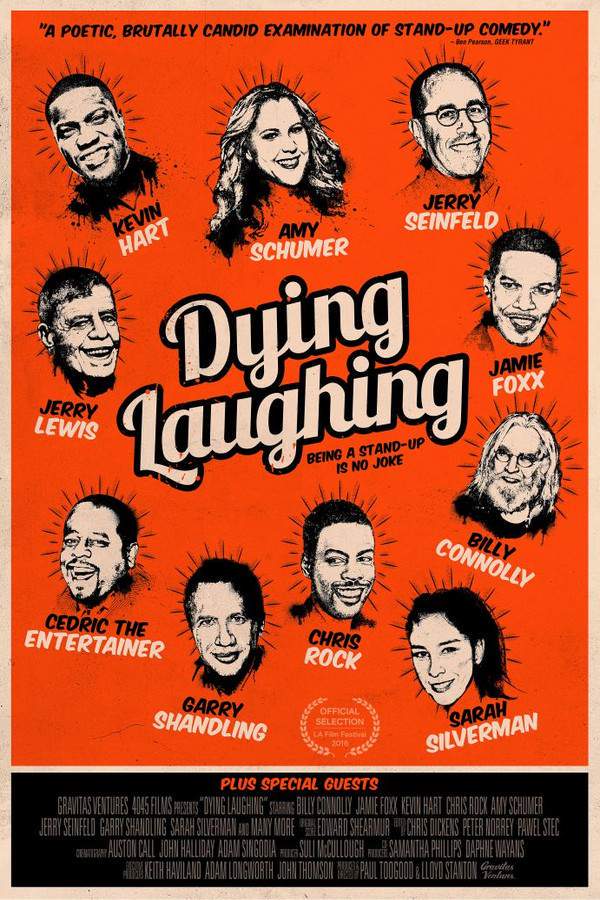
An intimate, behind-the-scenes look at the life of Pauly Shore, tracing his rise on MTV and his early notoriety as the star of a string of 1990s comedies. The story centers on Shore’s rapid ascent into fame as the charismatic, laid‑back son of a millionaire, a persona that fuels a parade of media attention and adoration. But the ascent hits a brutal snag when the Fox pilot he headlines collapses commercially and critically, turning the once‑popular figure into a social pariah. As friends distance themselves to protect their own careers, Shore finds himself isolated, living in his mother’s attic, and watching BackDoor Sluts 9 featuring his ex‑girlfriend, who will no longer see him. Desperation drives him to spend his last $84 on a hooker, a moment that underscores how far his life has fallen and how little control he now has over his public image.
One night, the ghost of his mentor, comic Sam Kinison, appears and pushes Shore toward an extreme plan: fake his own death to reignite interest in his career and the Pauly Shore brand. The scheme initially seems to work as word of his “death” spreads, and a flood of celebrities flock to television to mourn him and hail him a genius. The newfound publicity allows Shore to surface in public with a disguise, capitalizing on the wave of sympathy and attention. But the ruse quickly unravels—he is recognized, exposed, and arrested, a fall from grace that lands him in prison.
In prison, Shore endures a brutal confrontation with a former fan, Bucky from Kentucky, whose worldview—shattered by the revelation of Shore’s deception—becomes a catalyst for Shore’s own awakening. The attack leaves him shaken but ultimately gives him a clearer sense of his audience: even when fame dims, there are still fans who care about him beyond the hype. The experience becomes a turning point, and Shore emerges with a decision to rebuild his career from the ground up, embracing a more grounded, authentic approach.
Upon release, Shore sets out to document his meteoric rise and fall in a self‑aware project, reviving the Pauly Shore brand with a new film about his life, while bluntly leveraging the information he has gathered from years in Hollywood to secure cameos from a mix of B‑list celebrities. He even reserves the juicier secrets for a potential sequel, signaling a calculated plan to revive his name and sustain his comeback through a new wave of publicity, merchandise, and media curiosity. In the end, the narrative presents a portrait of resilience, showmanship, and the complicated relationship between fame and the audience that loves—and judges—celebrities for who they are, both on and off the screen.