Year: 1997
Runtime: 91 mins
Language: English
Directors: Leslie Libman, Larry Williams
The documentary examines how the 1993 bombing of New York’s World Trade Center unfolded, revealing missed warning signs and investigative breakthroughs that eventually led to the capture and prosecution of the terrorists, showing how the tragedy might have been prevented.
Warning: spoilers below!
Haven’t seen Path to Paradise: The Untold Story of the World Trade Center Bombing yet? This summary contains major spoilers. Bookmark the page, watch the movie, and come back for the full breakdown. If you're ready, scroll on and relive the story!
Read the complete plot breakdown of Path to Paradise: The Untold Story of the World Trade Center Bombing (1997), including all key story events, major twists, and the ending explained in detail. Discover what really happened, and what it all means.
The movie opens with a tense scene where Allison Janney, playing an Assistant D.A., discusses terrorist training tapes, setting the tone for a story rooted in law enforcement investigations. The narrative then shifts to a seemingly routine traffic stop in New Jersey, where a car is pulled over and the driver, El Sayyid Nosair, claims to be a city worker and runs a car dealership. Despite his claims, the officer just lets him go, unwittingly allowing a key figure in the plot to escape.
As the story unfolds, we are introduced to an array of plotters involved in a complex terrorist scheme. These include Rodney Hampton-El, a [hospital worker], Ibrahim El-Gabrowy, a [contractor], Mohammed Salameh, a [delivery man], and Mahmud Abouhalima, a [limo driver]. Their lives and routines are intertwined with the escalating conspiracy, highlighting the meticulous planning behind their actions.
The narrative then introduces Emad Salem, a pivotal figure who formally approaches the FBI as an informant. Despite initial skepticism, his credibility as an intelligence officer is acknowledged, and he provides vital information about the suspects. Salem requests a weekly salary of $500 for his cooperation, emphasizing the uneasy balance between law enforcement and informants.
In September 1992, two key figures arrive in the United States: Razmi Yousef, a confessed mastermind and bomb builder, and Ahmad Ajaj, a pizza delivery man. They face suspicion from immigration inspectors; Yousef has multiple IDs and lacks a visa, requesting political asylum, which raises alarms. Ajaj’s interrogation reveals diagrams of a bomb, intensifying the concern about their intentions. Despite red flags surrounding Yousef’s multiple identities, he is eventually released due to overcrowded cells, while Ajaj remains under scrutiny.
Over the following months, the plot intensifies. Ramzi Ahmed Yousef rents an abandoned house, while Salameh pays for a storage unit where chemicals necessary for the bomb are stored. Yousef begins acquiring chemicals, with help from chemical engineer Nidal Ayyad, who orders the remaining ingredients. During transport, Salameh and Yousef are involved in a car accident that hospitalizes Ramzi, temporarily disrupting their plans.
On February 25th, 1993, Salameh and Yousef purchase a Ryder van to carry the explosives. Despite encountering a storage facility manager who informs them that chemicals are not allowed on-site, they persuade him by claiming a van will pick up the chemicals later. That night, the terrorists assemble the bomb inside the van and park it beneath the World Trade Center. When Yousef ignites the fuse and runs away, the bomb detonates, causing death and injury — two people die, and over a hundred are injured. Miraculously, the towers remain standing, though the attack exposes their vulnerability.
Back at FBI headquarters, investigators work tirelessly to identify the perpetrators. Meanwhile, Salameh attempts to reimburse his money for the van by claiming it was stolen, but with no receipt, his effort fails. He tries again, only to be secretly monitored by federal agents, leading to his arrest once the transaction concludes.
In May 1993, Salem uses a tape recorder to secretly monitor the remaining conspirators. Rodney reveals that they are using code names for their targets. Salem then meets with the controversial Sheikh Omar Abdel-Rahman, discussing future targets. The Sheikh hints that the next attack will not involve the United Nations, but refuses to specify further details, heightening the tension and unpredictability of the threat.
As law enforcement closes in, more arrests are made, and Yousef is marked for bounty. Peter Gallagher, playing John Anticev, questions Salem about his involvement. Salem is later seen recording conversations with Hampton about plans to blow up the Holland Tunnel and other key sites, underscoring the scale of the threat.
Finally, the FBI gathers enough compelling evidence to make arrests, successfully dismantling the conspiracy. In November 1995, the terrorists face trial, receiving lengthy prison sentences—Salem is awarded a million dollars and enters a witness protection program, while Yousef is extradited and vows to "bring them both down," signaling the ongoing danger and unresolved stakes in this battle against terrorism.
Last updated: August 19, 2025 at 05:15
Explore frequently asked questions about Path to Paradise: The Untold Story of the World Trade Center Bombing (1997) with spoiler-rich answers covering the full plot summary, major story beats, character motivations, hidden details, and ending meaning. This movie summary FAQ helps explain confusing scenes, plot twists, and narrative decisions in clear, searchable detail.
El Sayyid Nosair was released because he claimed to be a city worker running a car dealership. The New Jersey officer accepted his explanation at face value and let him go, not realizing he was a key figure in the terrorist plot. This early missed opportunity allowed Nosair to escape detention.
Emad Salem, a former Egyptian intelligence officer, approached the FBI directly offering information about the terrorist suspects. After establishing his credibility, he began providingphotos and intelligence about the conspirators, requesting a weekly salary of $500 for his cooperation.
Ramzi Yousef was released because the immigration facilities were overcrowded. Despite having multiple fake identities and lacking a proper visa while requesting political asylum, authorities chose to release him rather than keep him in custody due to space constraints.
On February 25, 1993, Mohammed Salameh and Ramzi Yousef purchased a Ryder van and assembled the bomb inside it at a storage facility. Despite the manager's concerns about chemicals, they persuaded him by claiming a different van would pick up the materials. Yousef then drove the van into the World Trade Center basement, lit the fuse, and escaped before the explosion.
The earlier acquisition of chemicals and the car accident that hospitalized Yousef had delayed their original timeline.
The bomb, though powerful enough to kill two people and injure over a hundred, was not designed to bring down the towers. It was placed in the underground parking garage and caused massive structural damage but failed to compromise the buildings' core structural integrity, allowing them to remain standing.
Salameh attempted to claim insurance money for the Ryder van by reporting it stolen, but he had no receipt. Federal agents secretly monitored his attempt to reimburse himself at a store. When he completed the transaction, agents arrested him on the spot.
In May 1993, Emad Salem recorded conversations revealing that the conspirators used code names for their targets. During these recordings, Rodney Hampton-El mentioned specific targets, and Salem documented plans to blow up the Holland Tunnel and other key sites, though the Sheikh Omar Abdel-Rahman refused to confirm the exact next target.
Salem provided crucial intelligence by photographing the suspects, recording their conversations, and revealing details about their plans and target selections. His work inside the conspiracy gave the FBI evidence they could not obtain through conventional surveillance, leading directly to identifying and dismantling the plot.
Sheikh Omar Abdel-Rahman, a controversial figure, met with Emad Salem and discussed future attack targets. While he hinted that the next attack would not target the United Nations, he deliberately refused to provide specific details, maintaining an element of unpredictability and plausible deniability.
In November 1995, the conspirators faced trial and received lengthy prison sentences. Emad Salem was awarded one million dollars and entered a witness protection program for his cooperation. Ramzi Yousef was arrested, extradited, and during his trial vowed to "bring them both down," indicating the ongoing threat.
Nidal Ayyad, a chemical engineer, assisted Ramzi Yousef by ordering the remaining chemical ingredients needed to build the bomb. His technical expertise was essential in completing the explosive device that would be placed in the World Trade Center.
The film highlights several critical missed warning signs: the release of El Sayyid Nosair after the traffic stop, the release of Ramzi Yousef from immigration despite multiple fake IDs and suspicious circumstances, and the failure to act on Emad Salem's early intelligence about the conspirators before the bombing occurred.
Discover curated groups of movies connected by mood, themes, and story style. Browse collections built around emotion, atmosphere, and narrative focus to easily find films that match what you feel like watching right now.
Stories that methodically reveal the missed opportunities that led to disaster.If you were gripped by the investigative detail and sense of impending doom in Path to Paradise, explore these movies like it. This thread collects similar true crime and docudrama stories that methodically show how a major disaster could have been stopped, focusing on missed clues and institutional failures.
The narrative follows a procedural, often chronological path, building towards a known historical tragedy. The tension comes not from if the event will happen, but from watching the various points where intervention was possible fail. The focus is on the investigation, the clues, and the people involved, culminating in a bittersweet resolution where justice may be served, but the tragedy's shadow remains.
Movies in this thread are grouped by their shared focus on forensic storytelling, high tension derived from known outcomes, and a heavy emotional weight centered on the concept of preventable failure. They share a methodical pacing and a tone of somber reflection.
A slow, steady buildup of tension where an inevitable disaster looms.For viewers who appreciated the gripping, methodical buildup of tension in Path to Paradise, this collection highlights other movies with a similar feel. Find more films like it that use a steady pace to create a deep sense of foreboding and anxiety, without relying on fast-paced action.
Stories in this thread unfold with a controlled, often procedural rhythm. The tension is built through gradual reveals, mounting evidence, and the characters' growing awareness of an unavoidable negative outcome. The emotional journey is one of increasing anxiety and dread, rather than excitement or thrill.
These films are connected by their shared atmospheric quality—a specific blend of steady pacing, high tension, and a somber, anxious mood. They prioritize a feeling of impending doom over chaotic action, creating a cohesive and intense viewing experience.
Don't stop at just watching - explore Path to Paradise: The Untold Story of the World Trade Center Bombing in full detail. From the complete plot summary and scene-by-scene timeline to character breakdowns, thematic analysis, and a deep dive into the ending - every page helps you truly understand what Path to Paradise: The Untold Story of the World Trade Center Bombing is all about. Plus, discover what's next after the movie.
Track the full timeline of Path to Paradise: The Untold Story of the World Trade Center Bombing with every major event arranged chronologically. Perfect for decoding non-linear storytelling, flashbacks, or parallel narratives with a clear scene-by-scene breakdown.
Discover the characters, locations, and core themes that shape Path to Paradise: The Untold Story of the World Trade Center Bombing. Get insights into symbolic elements, setting significance, and deeper narrative meaning - ideal for thematic analysis and movie breakdowns.
Get a quick, spoiler-free overview of Path to Paradise: The Untold Story of the World Trade Center Bombing that covers the main plot points and key details without revealing any major twists or spoilers. Perfect for those who want to know what to expect before diving in.
Visit What's After the Movie to explore more about Path to Paradise: The Untold Story of the World Trade Center Bombing: box office results, cast and crew info, production details, post-credit scenes, and external links - all in one place for movie fans and researchers.
Discover movies like Path to Paradise: The Untold Story of the World Trade Center Bombing that share similar genres, themes, and storytelling elements. Whether you’re drawn to the atmosphere, character arcs, or plot structure, these curated recommendations will help you explore more films you’ll love.
Path to Paradise: The Untold Story of the World Trade Center Bombing (1997) Scene-by-Scene Movie Timeline
Path to Paradise: The Untold Story of the World Trade Center Bombing (1997) Movie Characters, Themes & Settings
Path to Paradise: The Untold Story of the World Trade Center Bombing (1997) Spoiler-Free Summary & Key Flow
Movies Like Path to Paradise: The Untold Story of the World Trade Center Bombing – Similar Titles You’ll Enjoy
7 Days in September (2002) Film Overview & Timeline
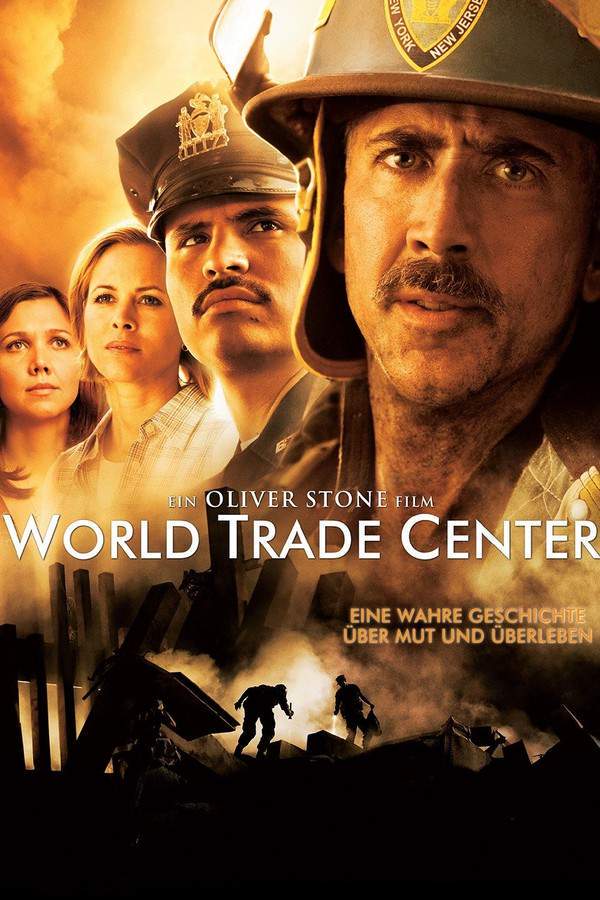
World Trade Center (2006) Story Summary & Characters
WTC the First 24 Hours (2004) Plot Summary & Ending Explained
Collateral Damages (2004) Ending Explained & Film Insights
An American Bombing: The Road to April 19th (2024) Complete Plot Breakdown
Oklahoma City Bombing: American Terror (2025) Complete Plot Breakdown
The Miracle of Stairway B (2006) Ending Explained & Film Insights
The Path to 9/11 (1000) Spoiler-Packed Plot Recap
911 Mysteries Part 1: Demolitions (2006) Ending Explained & Film Insights
9/11: The Twin Towers (2006) Full Movie Breakdown
Rise & Fall: The World Trade Center (2021) Plot Summary & Ending Explained
The 26th Street Garage: The FBI’s Untold Story of 9/11 (2021) Plot Summary & Ending Explained
American Manhunt: The Boston Marathon Bombing (1000) Detailed Story Recap
9/11: The Day the World Stood Still (2025) Spoiler-Packed Plot Recap
The Bombing of Pan Am 103 (1000) Story Summary & Characters