Plot Explained Spoilers guaranteed!
Plot Explained

Browse by genre

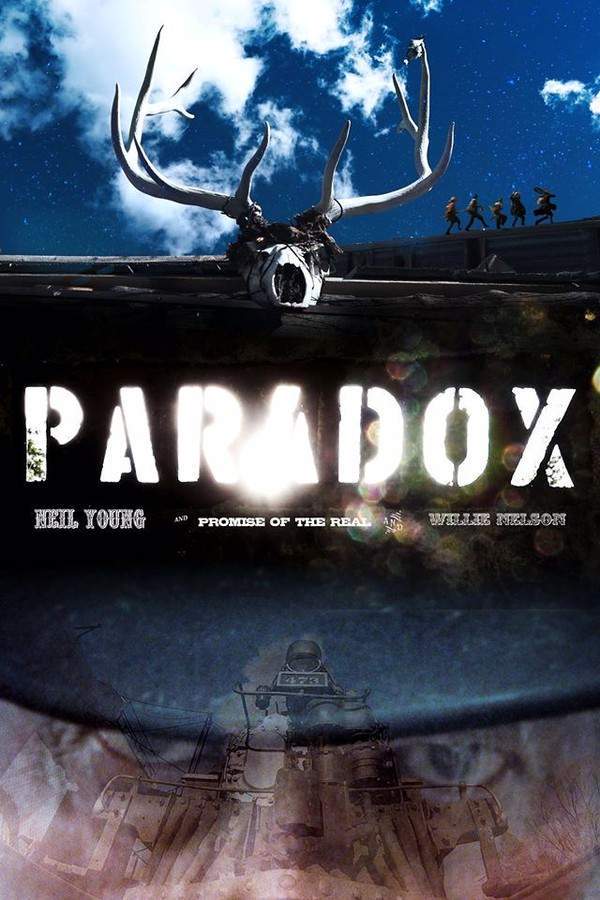
Paradox (2016) movie poster

Plot Summary

Paradox (2016) Plot Summary Explained

Release, runtime and language
2016 · 90 min · English
Directed by
Michael Hurst

A group of outlaws, after carrying out a series of risky heists, find temporary shelter in a deserted stagecoach stop. While hiding out, old conflicts resurface, and the close quarters intensify their existing tensions. They are forced to reckon with their individual histories and ultimately decide whether to remain on their criminal path or attempt to find a chance at redemption.

On this page (6)
  1. 1 Where to watch
  2. 2 What happens: full plot
  3. 3 Plot questions answered
  4. 4 Movie threads
  5. 5 Movies like Paradox
  6. 6 Every angle

Where to watch

Where to Watch Paradox (2016)

Where can you watch Paradox? Stream, rent or buy it in the US, including on Hoopla, Plex and Tubi TV: current JustWatch availability with up-to-date prices.

Streaming availability powered by JustWatch

Full plot summary · contains spoilers

What Happens in Paradox: Full Plot Summary

The whole story of Paradox (2016) explained, from the opening scene to the final frame: every key event, every twist and what it all adds up to. Read it as a quick recap before the sequel, to check a scene you missed, or to finally understand what really happened.

Lee Chung-chi, a Hong Kong police inspector, flies to Pattaya after his 16-year-old daughter, Lee Wing-chi, disappears during a trip abroad. The search quickly pulls him into a dangerous web that interweaves crime, politics, and personal grief. In Thailand, he teams up with local Chinese detective Chui Kit and his Thai colleague Tak, and they cross paths with the American gangster Sacha. The investigation hints at a link between Wing-chi’s disappearance and the ambitions of Pattaya’s mayoral candidate, who requires a heart transplant, a detail that pulls the case into the heart of a high-stakes medical and political plot. Lee grows convinced that the mayoral candidate’s assistant, Cheng Hon-sau, is colluding with Sacha to abduct his daughter, turning a private tragedy into a national crisis.

To force progress, Lee makes a desperate move: he abducts a corrupt officer, Ban, hoping to unearth information and press the case forward. This reckless action drags him into the limelight as a wanted man, turning him into a nationwide target while he continues to chase the truth about his daughter’s whereabouts. The stakes escalate as Chui and Tak follow leads, and the two detectives find a taxi-driver’s apartment whose dashcam video may hold the key to Wing-chi’s fate. But Sacha and his gang reach the driver first, igniting a brutal confrontation. In the ensuing struggle, Chui fights Sacha’s men while Tak corners Sacha. The rooftop confrontation ends in tragedy: Tak dominates the fight and appears to have won, but Sacha feigns defeat, then launches a shocking attack that sends a bystander child plunging from the building. Tak saves the child but is betrayed and knocked off the roof himself, plunging to his death. The loss of Tak hardens the case and fuels the need for answers.

Back at the center of the conspiracy, Ban provides a crucial location for Wing-chi’s whereabouts, pushing the investigation toward a deadly intersection of crime and state power. On the way to that location, disaster strikes again when Lee’s car collides with Cheng’s vehicle, which is carrying Wing-chi. The police quickly close in on Lee, and he narrowly escapes as his daughter is taken to Sacha’s headquarters by Cheng. Ban is killed in the hospital after his interrogation reveals the grim truth. The situation grows even more perilous when Police Commissioner Chai—aware of a broader plot to shield the mayoral candidate—tells Chui to drop the case, signaling that a cover-up is already underway and that everyone’s lives are at risk.

The clock keeps ticking toward a grim crescendo. After the heart transplant operation for Wing-chi is completed, Cheng orders Chai to crush Sacha and his henchmen. Lee rushes into Sacha’s lair, engaging in a brutal showdown with overwhelmed odds. Chai’s orders push the operation forward, aiming to kill Lee as well, but Chui intervenes, saving Lee and continuing the fight against Sacha and his men. Chui’s relentless assault reduces Sacha’s forces, and the police SWAT team finally storms the headquarters, forcing Sacha into a tighter, more desperate defense. With the attackers dispersed, Lee, Chui, and Sacha find themselves in a final, brutal clash that demands every ounce of grit from both sides.

In a devastating turn, Chui reveals a horrifying truth to Lee. The revelation forces Lee to confront the possibility that the worst may be yet to come: the fight isn’t just about Wing-chi’s fate but about a larger conspiracy that could destroy them all. Lee discovers his daughter’s corpse, a moment that shatters him and reframes everything he’s done. As Chui fights to stop Sacha, Lee unleashes a ferocious onslaught, ultimately overpowering Sacha with a decisive, lethal strike. Chai arrives, ready to execute Lee, but Chui urges restraint, reminding the authorities that they are still law enforcers, not vigilantes. In a staggering twist, Chai becomes aware that Chui’s wife has been kidnapped by Cheng, deepening the moral maze.

Lee offers to rescue Chui’s wife, prompting a perilous plan. He is dropped off at the mayoral candidate’s residence during a birthday celebration, where he secretly listens to Wing-chi’s heart inside the sleeping room. Cheng appears and confronts him, revealing that his crimes were not about protecting the mayoral candidate but about personal power and control. Lee asks whether Chui and his wife will be left alive, and Cheng seems to concede that Lee’s own fate might be sealed. In a final, brutal confrontation, Lee kills Cheng and spares the mayoral candidate, a choice that weighs heavily on him as he drifts toward collapse. Overwhelmed by loss—his wife and daughter gone—Lee turns the gun on himself just as Chui and the others respond to the sounds outside. The moment marks a grim closure to Lee’s relentless pursuit of truth.

In the aftermath, Chui’s wife is released and later gives birth, a fragile note of new life in the wake of so much grief. Chui’s initial elation at the arrival of a newborn life gradually gives way to the heavy memory of Lee’s sacrifice and the price paid in pursuit of justice. The film ends with Chui carrying the weight of those choices, forever aware that Lee’s courage came at a devastating personal cost, and that the line between duty and tragedy can blur in the darkest hours.

Last updated: October 09, 2025 at 16:15

Was this helpful?

Plot questions answered

Paradox Plot Explained: Your Questions Answered

The questions people ask most about Paradox (2016): what happens in the confusing scenes, why the characters do what they do, the twists, hidden details and what the ending means. Each answer contains spoilers.
Q1

Why was Lee's daughter kidnapped?

Lee's daughter Wing-chi was kidnapped because a Pattaya mayoral candidate desperately needed a heart transplant. Cheng Hon-sau and Sacha abducted her to supply the candidate with a matching organ, turning a personal tragedy into a political conspiracy.

Foreshadowing: Early clues hint at Wing-chi's disappearance being linked to high-level medical needs in Pattaya.

  • Lee Wing-chi
  • kidnapping
  • heart transplant
  • mayoral candidate
  • Cheng Hon-sau
Q2

What happened to Tak on the rooftop?

Tak cornered Sacha during a rooftop confrontation and appeared to have won after saving a bystander child. However, Sacha feigned defeat, then attacked by hurling the child. Tak caught the child but was kicked off the roof himself, falling to his death.

Foreshadowing: The earlier dashcam investigation leads Chui and Tak to Sacha's men, setting up the deadly confrontation.

  • Tak
  • Sacha
  • rooftop fight
  • death
  • child rescue
Q3

What truth did Chui reveal to Lee about his daughter?

Chui revealed the horrifying truth about Cheng Hon-sau's full role in the conspiracy. Shortly after, Lee discovered his daughter's corpse at Sacha's headquarters, confirming that Wing-chi had been killed for her heart.

Foreshadowing: The investigation's relentless push toward Sacha's lair builds toward this devastating revelation.

  • Chui
  • Lee
  • Wing-chi
  • corpse
  • truth
  • revelation
Q4

Why did Lee kidnap the corrupt officer Ban?

Lee kidnapped Ban to force information about his daughter's whereabouts after the investigation stalled. This desperate move turned him into a nationwide wanted man, making him a target while he continued chasing the truth.

Foreshadowing: Lee's growing desperation as a father mirrors his increasingly reckless investigative methods.
  • Ban
  • kidnapping
  • police corruption
  • Lee Chung-chi
Q5

Why did Lee turn the gun on himself at the end?

After killing Cheng and sparing the mayoral candidate, Lee was overwhelmed by the loss of both his daughter and his will to live. With Wing-chi and his wife dead, he saw no reason to continue and ended his life in grief.
Foreshadowing: The film builds toward this tragic conclusion through Lee's relentless descent into vengeance.

  • Lee suicide
  • grief
  • loss
  • ending
  • Cheng
Q6

Why did Cheng kidnap Chui's wife?

Cheng kidnapped Chui's wife to maintain power and control over the situation. When Chai was about to execute Lee, Chui learned his wife had been taken, creating leverage and deepening the conspiracy's moral maze.

Foreshadowing: Cheng's earlier reveal that his crimes were about personal power and control foreshadows this desperate act.

  • Cheng
  • Chui's wife
  • kidnapping
  • leverage
  • conspiracy
Q7

What was the mayoral candidate's connection to the crime?

The Pattaya mayoral candidate needed a heart transplant and was the ultimate beneficiary of Wing-chi's abduction. However, Cheng revealed that he committed the crimes for personal power, not to protect the candidate, whom Lee ultimately spared.

Foreshadowing: Early hints connect the disappearance to high-stakes political ambitions in Pattaya.

  • mayoral candidate
  • heart transplant
  • political conspiracy
  • Cheng Hon-sau
Q8

Why did Police Commissioner Chai order Lee to be killed?

Chai was part of the cover-up protecting the mayoral candidate. When Lee stormed Sacha's headquarters, Chai ordered the police assault to kill both Sacha's men and Lee to silence everyone involved in the conspiracy.

Foreshadowing: Chai's earlier warning to Chui to drop the case signaled the depth of the corruption.

  • Chai
  • cover-up
  • police corruption
  • assassination order
Q9

What happened after Lee found his daughter's body?

After discovering Wing-chi's corpse, Lee was shattered and unleashed a ferocious attack on Sacha. He overpowered Sacha with a bonesaw, biting his ear and slashing his throat in brutal revenge for his daughter's death.

Foreshadowing: The revelation of Wing-chi's death transforms Lee's grief into violent vengeance.

  • Wing-chi corpse
  • Lee
  • Sacha
  • revenge
  • bonesaw
Q10

Why did Lee spare the mayoral candidate?

Despite discovering the candidate needed his daughter's heart, Lee chose to spare him. After killing Cheng, Lee turned the gun on himself rather than continue living in a world without his daughter.

Foreshadowing: Lee's moral struggle between vengeance and justice culminates in this tragic choice.

  • Lee
  • mayoral candidate
  • spared
  • sacrifice
  • mercy

Movie threads

More Movies Like Paradox, by Mood & Story

Curated lists built around what makes Paradox tick: the same mood, the same kind of story or the same emotional payoff. Each list explains why these movies belong together.

Bleak crime stories with tragic endings like in Paradox

Stories where a desperate quest for justice leads only to tragedy and loss. If you liked Paradox, explore more movies like it: gritty, high-intensity crime thrillers where the hero's quest for justice spirals into a tragic descent. These films share a dark tone, heavy emotional weight, and devastatingly somber conclusions, focusing on the personal cost of confronting systemic corruption and violence.

  • gritty
  • desperate
  • tragic
  • suspenseful
  • melancholic
  • bleak
  • Tone: dark, bleak, tragic
  • Pacing: fast, relentless
Why these movies?

The story pattern: The narrative pattern is a focused, fast-paced descent. A character, often driven by grief or a need for answers, is pulled into a dangerous conspiracy or criminal world. Their initial determination is eroded by escalating violence and moral compromises, leading to an ending where the objective is achieved at a devastating personal cost, resulting in a profound sense of loss.

Why they belong together: Movies in this thread are grouped by their shared commitment to a dark, unforgiving tone and a narrative structure that prioritizes tragic consequences over triumph. They resonate through their intense pacing, heavy emotional focus on themes like grief and corruption, and their ultimately bleak outlook on redemption and justice.

Gritty conspiracy thrillers with high stakes like Paradox

High-stakes journeys exposing dark secrets and systemic corruption from the inside. For viewers who enjoyed the conspiracy and corruption elements of Paradox, this list features similar movies. Discover other high-intensity action dramas where a lone figure investigates a dark secret, facing police corruption and criminal networks in a desperate, suspenseful race for the truth.

  • gritty
  • anxious
  • suspenseful
  • paranoid
  • tense
  • conspiratorial
  • Tone: dark, tense, paranoid
  • Pacing: fast, suspenseful
Why these movies?

The story pattern: The narrative follows an investigative arc into a concealed, powerful organization—be it corporate, governmental, or criminal. The protagonist, often an outsider or a rogue agent, pieces together clues while being hunted by unseen forces. The plot is fueled by a series of betrayals, violent confrontations, and shocking revelations, creating a sense of escalating danger and a world where no one is safe.

Why they belong together: These films are connected by their core plot engine: the unraveling of a sinister conspiracy. They share a fast pacing driven by action and discovery, a dark and anxious mood, and a focus on themes like institutional corruption, betrayal, and the vulnerability of the individual against a powerful, hidden system.

If you liked this

Movies Like Paradox

Similar movies to Paradox: the same genre, themes or kind of story. Each one comes with its own plot summary, timeline and ending explained.

Browse all movie summaries

Every angle

Paradox (2016) Explained: Plot, Timeline & Characters

Everything about Paradox in one place: what happens in the plot summary, the timeline in chronological order, the characters and meaning and a spoiler-free summary. What's After the Movie adds the cast, box office and post-credit scenes.

Coming soon on iOS and Android

The Plot Explained Movie Summary App

Plot summaries, endings explained and timelines on your phone. Catch up on any movie in minutes, save your favorites and never miss a twist again.

Be the first to know when we launch. Your email stays private, always.

Learn more about the app