
Pachchak Kuthira
Year: 2006
Runtime: More mins
Language: Tamil
He lives in the slums, has a reputation for harassing others, and remains oblivious to the resentment he provokes. Once the hostility becomes clear, he resolves to radically change his behavior and seek redemption, confronting his past actions and to rebuild his relationships with the community.
Warning: spoilers below!
Haven’t seen Pachchak Kuthira yet? This summary contains major spoilers. Bookmark the page, watch the movie, and come back for the full breakdown. If you're ready, scroll on and relive the story!
Timeline – Pachchak Kuthira (2006)
Trace every key event in Pachchak Kuthira (2006) with our detailed, chronological timeline. Perfect for unpacking nonlinear stories, spotting hidden connections, and understanding how each scene builds toward the film’s climax. Whether you're revisiting or decoding for the first time, this timeline gives you the full picture.
Last updated: April 07, 2026 at 21:05
Pachchak Kuthira (2006) Timeline Questions Answered – Chronology FAQ
Find frequently asked questions about the Pachchak Kuthira (2006) timeline, including chronological order, nonlinear jumps, cause-and-effect links, and scene sequence clarifications. This timeline FAQ helps explain when key events happen, how moments connect, and why the story unfolds in that specific order.
Why did Pachcha force Poovu to marry him?
Pachcha became fixated on Poovu after spying on her through a hole in the wedding pandal's dressing room. He saw her in a vulnerable, intimate moment and was instantly aroused. Driven by his predatory nature and desire for control, he beat the groom, manipulated the crowd, and forced Poovu into marriage to satisfy his sexual desires and expand his domination over the community.
Earlier scenes establish Pachcha's pattern of using intimidation and force to get whatever he wants from the slum dwellers.
Why did the villagers celebrate when they thought Pachcha was dead?
The villagers celebrated because Pachcha had ruled the slum through brutal fear and exploitation for years. He tortured the weak, exploited the vulnerable, took dirty money from moneylenders, and treated everyone, including his own mother, like servants. His tyranny had created such widespread resentment that his supposed death was met with genuine relief and jubilation throughout the community.
The earlier description of Pachcha's reign of fear establishes the deep community resentment that makes this celebration possible.
What triggered Pachcha's transformation?
Pachcha's transformation was triggered when he faked his own death to test the community's loyalty and discovered the truth: nearly everyone celebrated his death. The only person who truly mourned was his mother. This stark revelation, that his control was built purely on fear rather than any genuine connection, shattered his worldview and became the catalyst for his redemption.
Pachcha's decision to test loyalty through fake death directly sets up the moment that changes him.
Why did only Pachcha's mother not join the celebration?
Pachcha's mother did not celebrate because, unlike the rest of the community, she still loved him unconditionally as her son despite his cruelty. Even though he treated her like a servant and caused her pain, a mother's love persisted. This contrast between the community's hatred and his mother's grief became a pivotal moment that helped Pachcha realize what genuine loyalty looked like.
The narrative notes that Pachcha treats even his own mother like a servant, yet she remains the only one who truly cares.
How did Pachcha change after seeing the community's reaction?
After realizing the community celebrated his death, Pachcha abandoned his violent, predatory lifestyle. He dismantled the ruthless moneylenders' gang that had sustained his power, stopped extorting the slum dwellers, and began seeking redemption by rebuilding trust with the people he once terrorized. His transformation moved from pure cruelty to seeking reconciliation and community acceptance.
The story progression shows a clear shift from Pachcha's violent control to his active dismantling of the criminal network.
What role did Poovu play in the story?
Poovu served as a moral counterpoint to Pachcha's cruelty. Though she was forced into marriage and subjected to his domination, she displayed surprising kindness and compassion toward the frightened slum dwellers. Her empathy stood in contrast to Pachcha's brutality and helped humanize the community he controlled. She represented the potential for kindness even within an oppressive situation.
The contrast between Poovu's kindness and Pachcha's cruelty is established early when she shows compassion despite her circumstances.
Why did Pachcha rule the slum through fear and violence?
Pachcha ruled through fear because he was driven by a sadistic appetite for power and profit. He used intimidation as his primary tool, exploiting vulnerable people and taking quick money from schemes. The summary describes him as a man who 'uses intimidation to keep everyone in line' and shows 'no hesitation to take dirty work if the pay is right.' His cruelty was methodical rather than impulsive, creating a harsh ecosystem of coercion.
The opening establishes Pachcha's nature as someone who thrives on controlling others through fear.
What happened to the moneylenders' gang after Pachcha's transformation?
Pachcha actively dismantled the moneylenders' gang that had sustained his power and terrorized the community. By breaking up this operation, he removed the criminal infrastructure that maintained the slum's oppressive system. This concrete action demonstrated his genuine commitment to reform rather than just claiming to have changed.
The timeline shows Pachcha's breaking up of the gang as a key step following his decision to renounce violence.
How did Pachcha's fake death test work?
Pachcha faked his own death to gauge who would remain loyal to him and who would abandon him. The test was designed to reveal the community's true feelings. However, the plan backfired spectacularly, the entire colony celebrated his death, demonstrating that his control was entirely based on fear rather than any genuine loyalty or respect.
The test was a calculated risk meant to expose hidden loyalties but instead exposed his isolation.
Why did the villagers accept Pachcha's reform?
The villagers accepted Pachcha's reform because he took concrete, visible actions to prove his change. He abandoned his violent ways, dismantled the moneylenders' gang that exploited them, and actively worked to rebuild trust. The community's initial celebration of his 'death' had already released years of accumulated fear, and his genuine attempts at reconciliation created a path toward collective healing and unity.
The transition from the village's celebration to their acceptance follows logically from Pachcha's concrete reform actions.

Explore Movie Threads
Discover curated groups of movies connected by mood, themes, and story style. Browse collections built around emotion, atmosphere, and narrative focus to easily find films that match what you feel like watching right now.
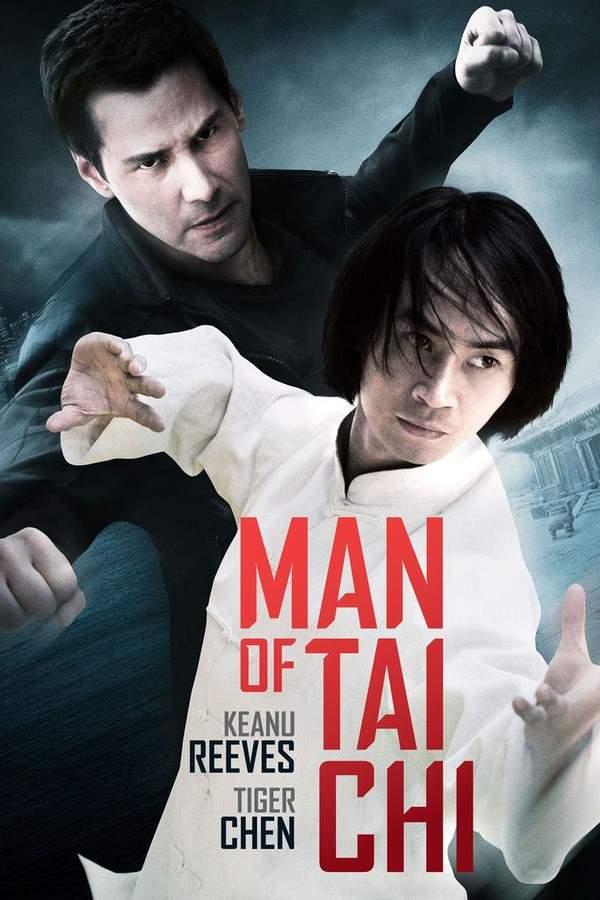
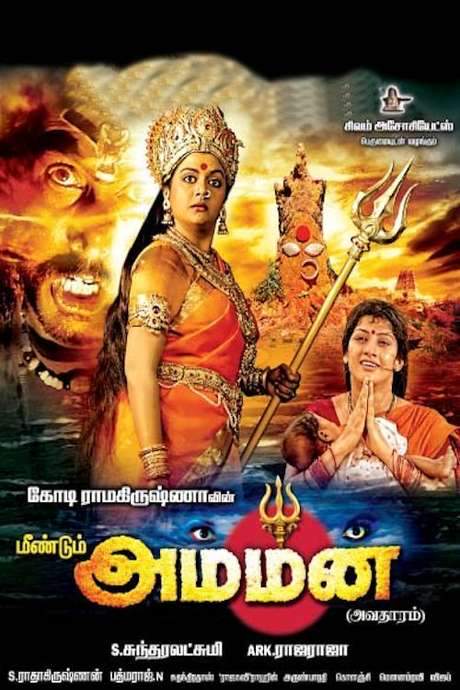
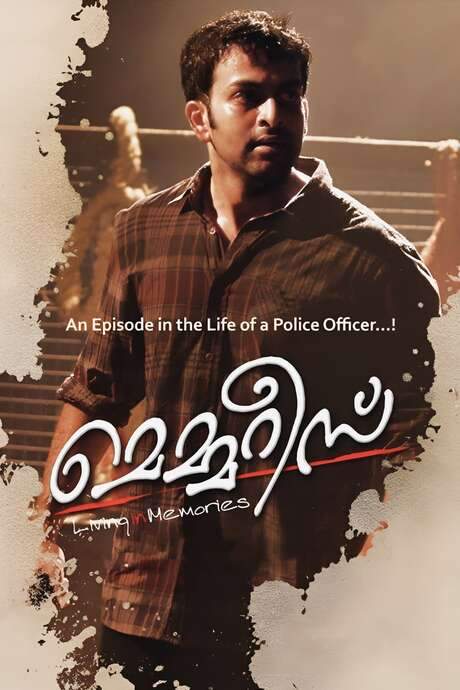
Movies with powerful redemption arcs like Pachchak Kuthira
Stories of deeply flawed characters confronting their past to seek a better future.If you were moved by the protagonist's difficult journey in Pachchak Kuthira, you'll find similar stories of moral awakening and redemption here. This collection features dark, character-driven dramas about deeply flawed individuals seeking to atone for their past and rebuild their lives.










Narrative Summary
These films follow a clear narrative pattern: a character is established as deeply problematic, often abusive or exploitative. A pivotal moment of self-realization or confrontation forces them to see the damage they've caused, sparking a difficult and often painful journey of atonement and personal change, typically culminating in a hopeful, earned resolution.
Why These Movies?
Movies in this thread are grouped by their shared focus on a profound character transformation from darkness to light. They share a heavy emotional weight, a dark tone that gradually gives way to hope, and a steady pacing that allows the redemption arc to feel authentic and earned.
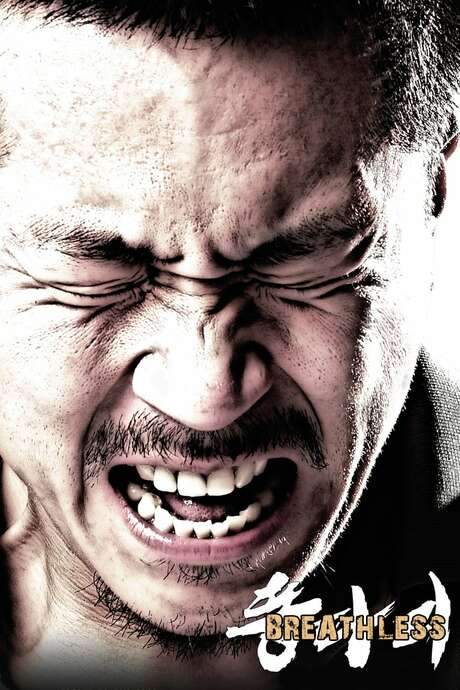
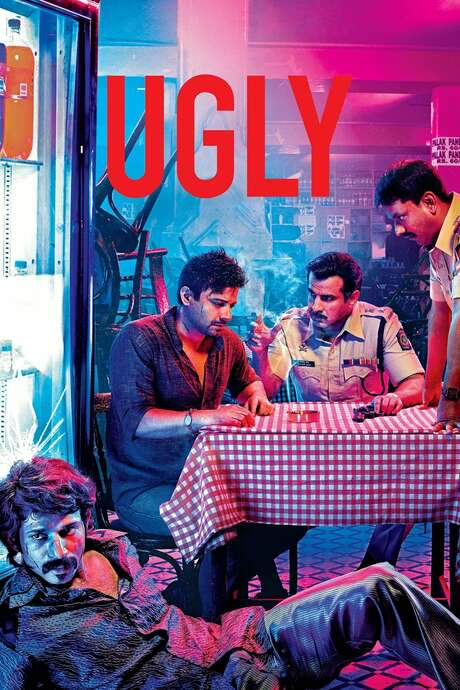
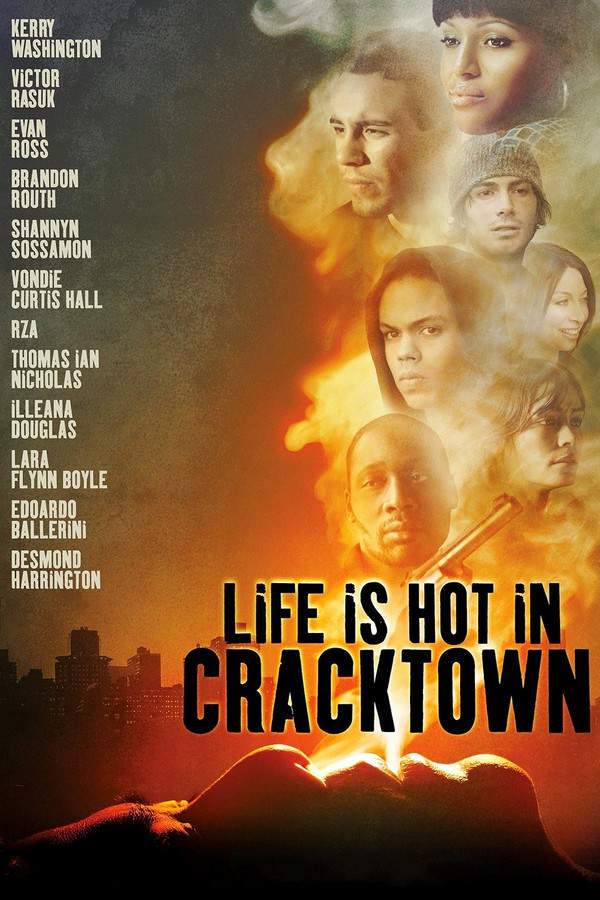
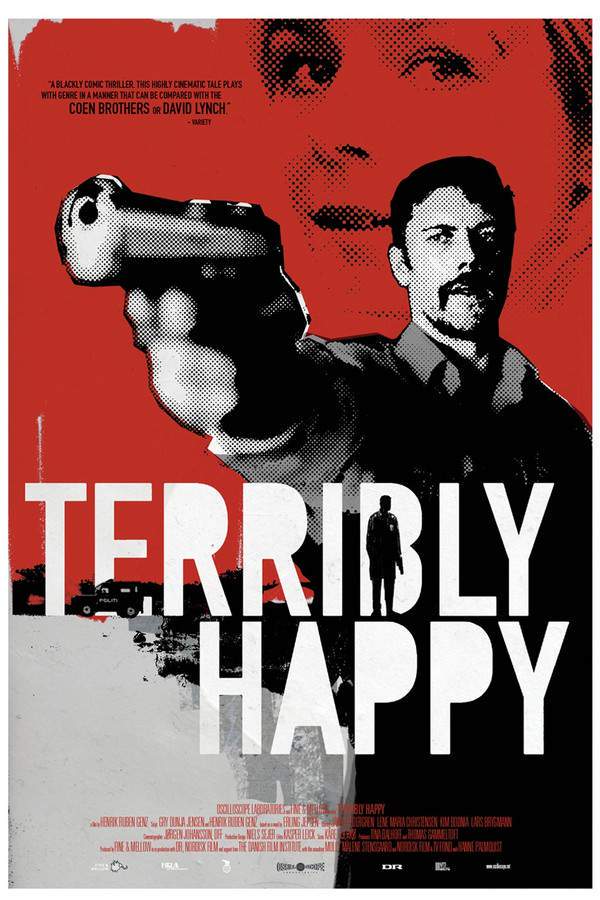
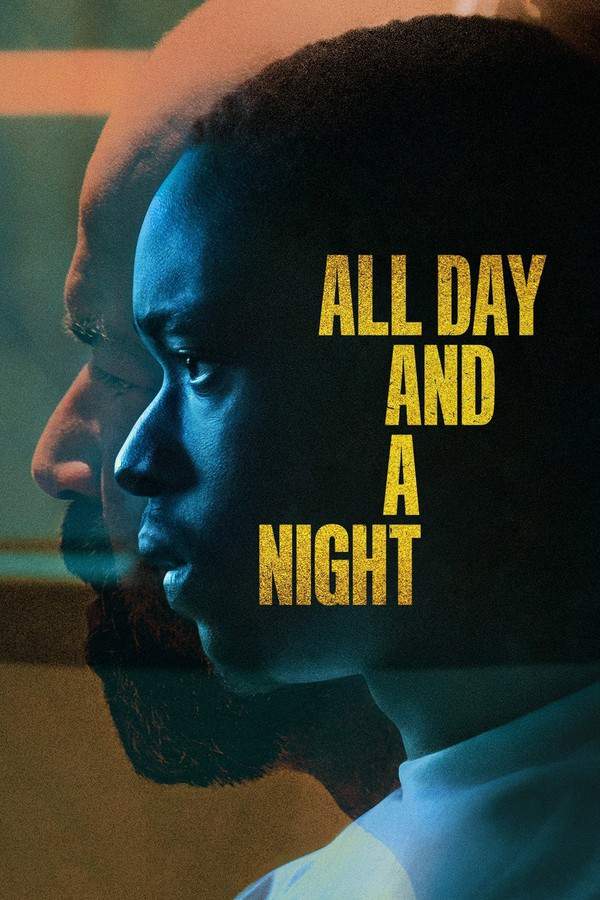
Gritty community dramas like Pachchak Kuthira
Intense stories set within tight-knit, struggling communities under pressure.Fans of Pachchak Kuthira's intense portrayal of slum life will appreciate these similar films. Discover other powerful dramas that explore the complex social dynamics, struggles, and moral conflicts within tight-knit, often impoverished communities.










Narrative Summary
These films are defined by their setting as much as their plot. A struggling community—be it a slum, small town, or isolated neighborhood—serves as the crucible for the drama. The narrative explores the tensions between individuals and the collective, often focusing on themes of ostracism, abuse, exploitation, and the difficult path toward communal healing or reconciliation.
Why These Movies?
These movies are grouped by their shared focus on community as a central force in the narrative. They create an oppressive, tense atmosphere and explore how social dynamics shape individual actions. The films share a high intensity, dark tone, and heavy emotional weight derived from their realistic portrayal of struggle and conflict.
Unlock the Full Story of Pachchak Kuthira
Don't stop at just watching - explore Pachchak Kuthira in full detail. From the complete plot summary and scene-by-scene timeline to character breakdowns, thematic analysis, and a deep dive into the ending - every page helps you truly understand what Pachchak Kuthira is all about. Plus, discover what's next after the movie.
Pachchak Kuthira Summary
Read a complete plot summary of Pachchak Kuthira, including all key story points, character arcs, and turning points. This in-depth recap is ideal for understanding the narrative structure or reviewing what happened in the movie.

Characters, Settings & Themes in Pachchak Kuthira
Discover the characters, locations, and core themes that shape Pachchak Kuthira. Get insights into symbolic elements, setting significance, and deeper narrative meaning - ideal for thematic analysis and movie breakdowns.


