Plot Explained Spoilers guaranteed!
Plot Explained

Browse by genre

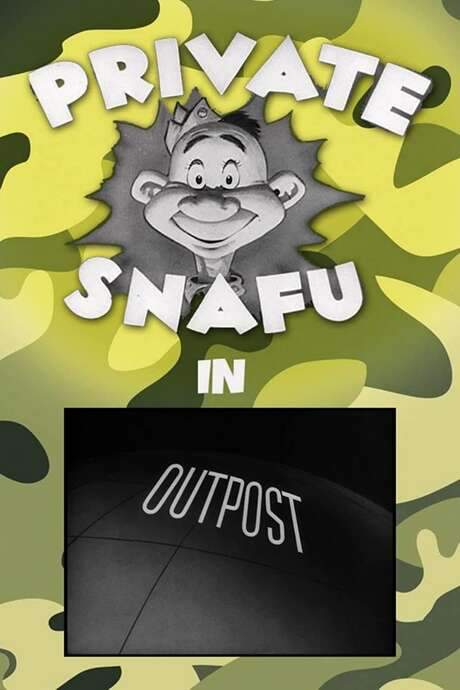
Outpost (1944) movie poster

Timeline

Outpost (1944) Timeline Explained – Every Event in Order

Release, runtime and language
1944 · 5 mins · English
Loading streaming availability…
Directed by
Chuck Jones
Starring
Mel Blanc, Robert C. Bruce

Snafu has an object lesson on the value of complete and accurate regular reports when he discovers and reports evidence of the enemy’s presence at his assigned area.

On this page (6)
  1. 1 Where to watch
  2. 2 Events in order (10)
  3. 3 Timeline questions answered
  4. 4 Movie threads
  5. 5 Movies like Outpost
  6. 6 Every angle
Loading streaming availability…

10 events in order · contains spoilers

Outpost Timeline: Events in Chronological Order

Every key event of Outpost (1944) in order, scene by scene, with when and where it takes place. Use it to untangle flashbacks, time jumps and parallel storylines, to refresh your memory before the sequel or to find the exact scene you are thinking of.

  1. Outpost and sentinel

    A narrator explains that the United States maintains far-flung military outposts with diligent sentinels. The film introduces a tiny Pacific island outpost where Private Snafu rests under a single palm tree, accompanied only by a local bird. The sense of boredom and isolation sets the stage for his later actions.

    Where
    Tiny Pacific island outpost
  2. Snafu's stagnation and denial

    Snafu laments 249 days on the island without combat and complains about the lack of action. The bird remains his sole companion as he mutters about his boredom. A radio message announces that his 249th transfer request has been denied.

    Where
    Isolated outpost, Pacific island
  3. Dreams of girls

    Snafu and the bird fall asleep and dream about girls, a welcome distraction from duty. Their dreams become tangled and chaotic, and Snafu wakes irate, threatening the bird for insubordination. The moment underscores the fragility of their routine existence.

  4. Floating can of food

    The bird locates a floating can of food and eagerly approaches it, hoping for a meal. He discovers the label reads Pickled Fish Eyes with Rice and nearly discards the can before noticing the bottom text revealing it is Hon. K Ration Imperial Japanese Navy. The discovery introduces a provocative twist linking food, war, and enemy intelligence.

    Where
    On the beach
  5. Snafu buries the can

    Snafu dismisses the find and orders the bird to bury the can, treating it as mere trash. The Japanese Navy label complicates the object, yet he remains unfazed and continues with his routine. The scene foreshadows how ordinary details can reveal military intelligence.

    Where
    Beach at the outpost
  6. Tracking the Japanese fleet

    Back at the command level, the U.S. military tracks a Japanese task force using reference points until observation posts lose track. The officers then call all posts to provide a full report of the situation. The tension between routine monitoring and unexpected findings drives the plot.

    Where
    Observation posts network
  7. The tin-can entry caught

    Snafu repeats the day’s mundane log entries aloud, and his superior radios him to recite the tin-can detail again and confirm its description. The exchange shows how a trivial find can trigger a critical military response. The moment highlights the disconnect between Snafu’s laziness and the importance of accurate reporting.

    Where
    Outpost communications room
  8. Bird retrieves the buried clue

    The bird digs up the buried can, and Snafu reports its contents, including the Japanese information. The exchange turns a mundane discovery into a piece of intelligence that informs the enemy’s fate. The scene blends humor with the underlying stakes of information accuracy.

    Where
    Beach/Burial site
  9. Destruction of the fleet

    American bombers arrive and bomb the Japanese fleet into oblivion. The raid demonstrates the power of air superiority and the rapid transformation of the battlefield. Snafu remains oblivious to the fleet’s annihilation, continuing his everyday routine.

    Where
    Over the Pacific
  10. End of day and lingering boredom

    The day ends with Snafu and the bird on the tiny beach, and he again remarks his boredom about the army’s duties. He tosses the can of pickled fish eyes with rice into the ocean, signaling a bitter resignation to his monotonous posting. The closing image underscores the gap between war’s enormity and his petty grievance.

    Where
    Beach on the island

Last updated: October 07, 2025 at 09:20

Was this helpful?

Timeline questions answered

Outpost Timeline Explained: Your Questions Answered

When does it happen, and why in that order? The questions people ask about the chronology of Outpost (1944): time jumps, flashbacks, cause and effect between scenes and the correct order of events, each answered with spoilers.

Q1

Why did a simple can of food help destroy the Japanese fleet?

The can's label revealed it was a Japanese military ration (Hon. K Ration Imperial Japanese Navy). When Snafu reported this detail during his routine radio check, military analysts used the floating can's location and the Japanese labeling to triangulate the fleet's position. The can was drifting from the Japanese task force, providing a critical reference point that allowed American bombers to locate and destroy the enemy ships.

Foreshadowing: Earlier, the military's observation posts had lost track of the fleet after plotting reference points, making any new intelligence about the enemy's location extremely valuable.

  • floating can
  • japanese navy ration
  • fleet location
  • military intelligence
  • snafu report
Q2

What did the label Hon. K Ration Imperial Japanese Navy mean?

The label identified the can as an official Imperial Japanese Navy K-ration, a type of military food supply. The 'Hon.' prefix likely indicated it was an authentic military issue item, not civilian food. This confirmation that the can came directly from Japanese military supplies allowed the US military to use it as evidence of nearby enemy presence.

Foreshadowing: The bird almost threw the can away before noticing the bottom text, which would have erased this crucial intelligence.

  • hon k ration
  • japanese military ration
  • food can label
  • imperial japanese navy
Q3

Why was Snafu's mundane report important to the military?

The military called all outposts for complete reports specifically because they had lost track of the Japanese task force. Even though Snafu considered his daily log entries boring and trivial, the detail about the Japanese-labeled can provided fresh intelligence that linked directly to the enemy's location. His accurate reporting transformed a seemingly pointless observation into actionable military data.

Foreshadowing: The film opens with the narrator emphasizing that each outpost guard serves as a critical link in a larger network of vigilance.

  • military report
  • lost fleet
  • snafu logbook
  • accurate reporting
  • army communication
Q4

Why did the bird dig up the can after Snafu buried it?

When ordered to bury the can, the bird (described as practical but dim) complied but later retrieved it, bringing it to Snafu. This action happened during the military's radio call for detailed reports. The bird's instinct to retrieve potentially useful objects, combined with the military's demand for complete information, led to the critical intelligence being shared.

Foreshadowing: The bird's constant hunger and curiosity about food items drives much of the comedy, making this retrieval both character-consistent and plot-essential.

  • bird retrieves can
  • snafu buries can
  • buried intelligence
  • bird companion
Q5

Why didn't Snafu realize his report helped destroy the Japanese fleet?

Snafu remained completely unaware of the military significance because he never connected his routine can discovery to the larger war effort. After reporting the Japanese label, he returned to his normal routine without any notification of the successful bombing raid. The military victory occurred far from his isolated outpost, and no one informed him of his role in the operation. He ends the film exactly as he began, bored and complaining about lacking important duties.

Foreshadowing: His 249 denied transfer requests and constant complaining about idleness establish his disconnect from meaningful military action.

  • snafu oblivious
  • protagonist unaware
  • military victory
  • comic ending
  • character obliviousness
Q6

What is the irony of Snafu ending the film still bored after the victory?

The film ends with Snafu once again complaining about boredom and tossing the can into the ocean, completely unaware that his routine report enabled a major Allied victory. This creates a darkly comedic double irony: the military learned of the Japanese fleet through his observation, bombers destroyed the enemy ships, yet Snafu believes he's been wasted in a posting with nothing important to do. The ending underscores the film's message about the value of complete, accurate reporting, even seemingly mundane details matter in war.

Foreshadowing: The repeated refrain 'Pickled fish eyes with rice; I don't get it' reinforces his continued failure to understand the significance of his own discovery.

  • ironic ending
  • snafu boredom
  • military success
  • character ignorance
  • propaganda message
Q7

How did the US military lose track of the Japanese fleet?

The US military was tracking the Japanese task force by plotting reference points from observation posts, but they eventually lost the fleet's exact location despite their surveillance network. This loss prompted the urgent call for all outposts to provide complete reports. Snafu's can discovery provided a fresh data point that helped re-establish the fleet's position, demonstrating how a single sentinel's observation could fill a critical gap in military intelligence.

Foreshadowing: The opening narration establishes that while outposts form a network of vigilance, even the best surveillance systems can have blind spots.

  • japanese task force
  • observation posts
  • lost fleet tracking
  • military surveillance
  • reference points
Q8

Why was the bird important to the story besides comic relief?

The bird served as both comedic foil and the actual catalyst for the plot resolution. Without the bird's discovery of the floating can, no intelligence would have been found. The bird's hunger led directly to the Japanese label being noticed, and later, his decision to dig up the buried can ensured the information was reported. The bird essentially performed the key observation that Snafu would have missed or ignored.

Foreshadowing: The bird's constant scavenging and curiosity are established in early scenes, setting up his later pivotal discovery.

  • snafu bird
  • anthropomorphic bird
  • can discovery
  • comic companion
  • plot catalyst

Movie threads

More Movies Like Outpost, by Mood & Story

Curated lists built around what makes Outpost tick: the same mood, the same kind of story or the same emotional payoff. Each list explains why these movies belong together.

Movies with a whimsical look at mundanity like Outpost

Stories where ordinary life is made charming and absurd by a playful tone. If you enjoyed the charming absurdity of 'Outpost,' find more movies like it here. This list features similar lighthearted stories where boring routines and lonely settings are transformed by a playful, silly tone and gentle humor.

  • whimsical
  • comic
  • silly
  • mundane
  • boring
  • dreamlike
  • Tone: whimsical, comic
  • Pacing: steady, character-focused
Why these movies?

The story pattern: These stories typically involve a character in a monotonous situation, like a dull job or isolated post. The narrative unfolds as small, often absurd, events or interactions disrupt the routine, providing comic relief without drastically altering the character's fundamental circumstances. The journey is more about observing a charmingly distorted reality than achieving major goals.

Why they belong together: These movies share a distinct combination of a light emotional weight, a whimsical tone, and a steady, un-rushed pacing. They create a cohesive vibe by blending feelings of boredom or isolation with comedic, sometimes dreamlike, elements, resulting in a uniquely charming and low-intensity viewing experience.

Stories about unwitting heroes in isolation like in Outpost

Characters in remote posts whose small actions unknowingly trigger major events. Fans of 'Outpost' will enjoy these movies about solitary characters whose small observations have big impacts. Discover similar films featuring accidental heroes in remote settings, where a sense of duty and boredom collide with unforeseen consequences.

  • isolated
  • boredom
  • duty
  • ironic
  • unwitting
  • consequential
  • Tone: mixed, ironic
  • Pacing: steady
Why these movies?

The story pattern: The narrative pattern centers on an isolated protagonist performing a routine duty. A seemingly trivial observation or action by the protagonist—often done out of boredom or strict adherence to rules—is later revealed to have been critically important. The story's tension comes from the audience's awareness of the significance, which contrasts with the protagonist's continued obliviousness or frustration.

Why they belong together: Movies in this thread are grouped by their shared narrative structure of 'small actions, big consequences,' and their common setting of isolation. They blend themes of duty and boredom with a mixed ending feel, where external success is paired with the protagonist's lack of awareness, creating a specific, often ironic, story arc.

If you liked this

Movies Like Outpost

Similar movies to Outpost: the same genre, themes or kind of story. Each one comes with its own plot summary, timeline and ending explained.

Browse all movie summaries

Every angle

Outpost (1944) Explained: Plot, Timeline & Characters

Everything about Outpost in one place: what happens in the plot summary, the timeline in chronological order, the characters and meaning and a spoiler-free summary. What's After the Movie adds the cast, box office and post-credit scenes.

Coming soon on iOS and Android

The Plot Explained Movie Summary App

Plot summaries, endings explained and timelines on your phone. Catch up on any movie in minutes, save your favorites and never miss a twist again.

Be the first to know when we launch. Your email stays private, always.

Learn more about the app