Plot Explained Spoilers guaranteed!
Plot Explained

Browse by genre

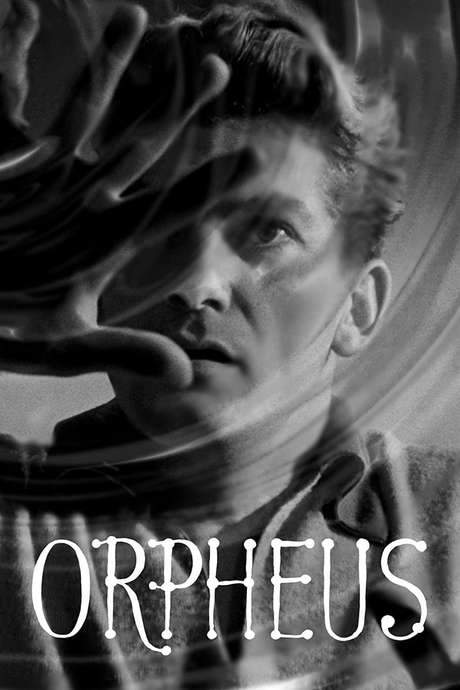
Orpheus (1950) movie poster

Timeline

Orpheus (1950) Timeline Explained – Every Event in Order

Release, runtime and language
1950 · 95 mins · French
Loading streaming availability…
Starring
Jean Marais, Jean Cocteau, François Périer, María Casares, Paul Amiot, André Carnège

In post‑war Paris a celebrated poet, derided by the Left‑Bank bohemians, is torn between his wife Eurydice and an enigmatic princess. In his quest for artistic inspiration he becomes increasingly obsessed, ultimately pursuing the princess beyond the realm of the living into the land of the dead.

On this page (6)
  1. 1 Where to watch
  2. 2 Events in order (11)
  3. 3 Timeline questions answered
  4. 4 Movie threads
  5. 5 Movies like Orpheus
  6. 6 Every angle
Loading streaming availability…

11 events in order · contains spoilers

Orpheus Timeline: Events in Chronological Order

Every key event of Orpheus (1950) in order, scene by scene, with when and where it takes place. Use it to untangle flashbacks, time jumps and parallel storylines, to refresh your memory before the sequel or to find the exact scene you are thinking of.

  1. Orpheus and Eurydice's Thrace home and the mysterious horse

    The scene unfolds in Orpheus and Eurydice's home in Thrace. A mirror on the left wall and a white horse protruding from a niche set a surreal mood. Orpheus tries to interpret the horse's hoof-taps as messages from the unknown, while Eurydice resents the creature that consumes her husband's attention.

    When
    Opening scene
    Where
    Thrace, Orpheus and Eurydice's home
  2. The horse reveals a message in a poem

    The horse taps out a message that becomes a poem: 'Madame Eurydice Will Come Back From Hell.' Orpheus records the verse and ponders its meaning, sensing a hint of resurrection. The presence of the horse and the stage mirror underscores art, fate, and the supernatural in their life.

    When
    Early scene
    Where
    Thrace, at the home stage
  3. Orpheus enters the poem in a contest and faces scandal

    Orpheus submits the poem to a contest, hoping to honor the unknown's message. The judges erupt in fury when they discover the initial letters of the words spell 'MERDE' (SHIT), turning the recital into a scandal. The moment blurs the line between performance, blasphemy, and myth.

    When
    During the contest
    Where
    Contest venue
  4. Eurydice is murdered by her Bacchante ex-friends

    While Orpheus is at the contest, Eurydice is murdered by her ex-friends, the Bacchantes. The sudden loss shatters the couple's world and fuels Orpheus's resolve to defy death and bring her back. The event sets in motion a quest that blends tragedy with magical realism.

    When
    During the contest night
    Where
    Thrace, near Eurydice's circle
  5. Orpheus is guided to rescue Eurydice by the angel Heurtebise

    Returning from the catastrophe, Orpheus is instructed by the angel Heurtebise to rescue Eurydice from death. He is told to pass through the mirror and bring her back to life. The directive marks a shift from mourning to a perilous, otherworldly journey.

    When
    Immediately after Eurydice's death
    Where
    From town to the mirror portal
  6. Orpheus passes through the mirror and retrieves Eurydice

    Orpheus passes through the mirror and retrieves Eurydice, restoring her to life. Their reunion is miraculous but fragile, because they are not allowed to live together normally. The portal scene emphasizes the perilous boundary between the living world and the realm beyond.

    When
    Immediately after the journey begins
    Where
    Through the mirror into the other world and back
  7. Revived life is restricted: no looking at Eurydice

    Even with Eurydice alive, joy is blocked by a prohibitive rule: Orpheus may not look at her as they remain in limbo. The constraint tests their love, turning happiness into a tense, precarious balance. The magical rescue yields a haunting price.

    When
    After the revival
    Where
    Near the threshold between life and afterlife
  8. The Bacchantes harass Orpheus again

    The Bacchantes return to torment Orpheus, accusing him of presenting an obscene poem and disrupting the returned life with Eurydice. Their harassment tests the couple's fragile arrangement and the limits of the miracle. The scene reinforces the clash between sacred art and societal judgment.

    When
    Post-revival
    Where
    Thrace, near the home
  9. Orpheus is decapitated and Eurydice guides him back through the mirror

    Orpheus is decapitated, and Eurydice leads his severed head back through the mirror. The image is surreal and devastating, symbolizing the violence that often accompanies ambition and desire. The lovers' bond persists even as death reasserts its power.

    When
    After the harassment
    Where
    Near the mirror
  10. The angel places the head on a pedestal and it speaks to the police

    The angel places Orpheus's severed head on a pedestal, where it answers questions from the police. The head declares its identity and provides surreal, self-referential hints about its origin. The scene blends myth, bureaucracy, and meta-cinema in a single, startling image.

    When
    Following the decapitation
    Where
    A pedestal scene, with police involvement
  11. The head proclaims itself as Jean Cocteau and reveals his address

    The severed head proclaims it is Jean Cocteau and provides his address: 10 rue d'Anjou. This final revelation completes the film's playful boundary-blurring between creator, character, and audience. The ending leaves a lingering sense of self-awareness about art and storytelling.

    When
    Final moment
    Where
    On the pedestal during the final reveal

Last updated: February 24, 2026 at 09:56

Was this helpful?

Timeline questions answered

Orpheus Timeline Explained: Your Questions Answered

When does it happen, and why in that order? The questions people ask about the chronology of Orpheus (1950): time jumps, flashbacks, cause and effect between scenes and the correct order of events, each answered with spoilers.

Q1

Why can't Orpheus look at Eurydice after bringing her back from death?

The rule against looking is the condition imposed for Eurydice's return from the underworld. Heurtebise instructs Orpheus that he must not look at her as they pass back through the mirror and exist in limbo together. This prohibition creates the film's central tension, while Eurydice is alive, their love cannot be fully expressed or even confirmed through sight, turning their reunion into a haunting, uncertain existence.

  • orpheus
  • eurydice
  • looking rule
  • underworld
  • condition
Q2

Why is Orpheus's poem considered obscene at the contest?

Orpheus submits the poem delivered by the horse, but the judges discover that the first letters of each word spell MERDE (French for "shit"), creating an acrostic that shocks the judges and turns the recital into a scandal. This crude message, hidden within what Orpheus believed was a divine transmission, blurs the line between sacred inspiration and profane art.

Foreshadowing: The horse delivers the message 'Madame Eurydice Reviendra Des Enfers', the very verse Orpheus submits contains the hidden acrostic.

  • poem
  • contest
  • merde
  • acrostic
  • obscene
Q3

How does Orpheus rescue Eurydice from death?

After Eurydice is murdered by the Bacchantes, the angel Heurtebise appears to guide Orpheus. He instructs Orpheus to pass through the mirror in their home, which serves as a portal to the realm of the dead. Orpheus travels through this mirror, retrieves Eurydice, and brings her back to life, though their revival comes with the prohibitive rule that he must not look at her.

  • heurtebise
  • mirror
  • rescue
  • underworld
  • portal
Q4

Why do the Bacchantes kill Eurydice?

The Bacchantes are Eurydice's ex-friends who murder her while Orpheus is away at the poetry contest. Their violence appears motivated by their role as destructive, primal forces, figures associated with the worship of Dionysus who punish those who abandon or transgress against their circle. Eurydice's connection to Orpheus, especially his controversial art, makes her a target.

  • bacchantes
  • eurydice
  • murder
  • ex-friends
Q5

What is the message the horse delivers to Orpheus?

The horse taps out a message that becomes the poem: 'Madame Eurydice Reviendra Des Enfers', meaning 'Mrs. Eurydice Will Come Back From Hell.' Orpheus records this verse and senses it portends resurrection. The message foreshadows the entire narrative: Eurydice's death and subsequent return from the underworld.

  • horse
  • message
  • poem
  • resurrection
  • foreshadowing
Q6

Why is Orpheus decapitated in the film?

The Bacchantes return to torment Orpheus after his return with Eurydice, accusing him of presenting an obscene poem. In the climactic sequence, Orpheus is decapitated, his head severed from his body. This surreal violence symbolizes the deadly consequences of artistic ambition and defying the rules of the underworld, while also drawing from the mythological Orpheus story where the poet suffers ultimate destruction.

  • decapitation
  • bacchantes
  • death
  • artistic ambition
Q7

Why does Orpheus's severed head claim to be Jean Cocteau?

After Orpheus is decapitated, his severed head is placed on a pedestal by Heurtebise. When questioned by police, the head declares it is Jean Cocteau, the film's actual director, and provides his address at 10 rue d'Anjou. This self-referential moment blurs the boundary between creator and character, making Orpheus literally speak for Cocteau himself.

  • cocteau
  • head
  • address
  • meta
  • director
Q8

What happens when Orpheus looks at Eurydice?

The summary indicates the rule against looking creates tension in their revived existence, though the exact consequence of breaking this prohibition is not detailed in the provided summary. The threat of looking creates psychological suspense, if Orpheus were to look at Eurydice, he would presumably lose her again or destroy their fragile state of being together in limbo.

  • orpheus
  • eurydice
  • looking
  • breaking rule
Q9

Why does Eurydice guide Orpheus's head back through the mirror?

After Orpheus is decapitated, Eurydice leads his severed head back through the mirror, the same portal that once brought her back from death. This act demonstrates the depth of their bond: even in death and dismemberment, Eurydice ensures Orpheus's passage, reversing their earlier journey. It is a final act of devotion that reunites them in the realm beyond.

  • eurdice
  • head
  • mirror
  • reunion
  • death
Q10

What is the significance of the mirror as a portal in the film?

The mirror in Orpheus and Eurydice's home serves as a threshold between the living world and the realm of the dead. Heurtebise guides Orpheus to pass through this mirror to reach the underworld and retrieve Eurydice. The mirror symbolizes the boundary between life and death, reality and the supernatural, the surreal pathway that makes the journey into death possible.

  • mirror
  • portal
  • underworld
  • threshold
  • heurtebise

Movie threads

More Movies Like Orpheus, by Mood & Story

Curated lists built around what makes Orpheus tick: the same mood, the same kind of story or the same emotional payoff. Each list explains why these movies belong together.

Mythological Surrealism like in Orpheus

Ancient myths reimagined through a dreamlike and surreal modern lens. If you enjoyed the blend of Greek myth and dreamlike visuals in Orpheus, you'll appreciate these other films. This list features movies like Orpheus that use surrealism to reinterpret ancient tales in modern or fantastical worlds.

  • surreal
  • mythological
  • dreamlike
  • contemplative
  • symbolic
  • enigmatic
  • Tone: whimsical, contemplative, enigmatic
  • Pacing: slow, deliberate, ritualistic
Why these movies?

The story pattern: Stories in this thread follow archetypal characters—like poets, gods, and heroes—navigating worlds where the supernatural intrudes upon the mundane. The plot often involves a journey into an underworld or other symbolic realm, driven by obsession, love, or a search for meaning, challenging the protagonist's perception of reality.

Why they belong together: These films are grouped by their shared approach to storytelling: they use the framework of ancient myths but filter them through a distinctly modern, surrealist aesthetic. This creates a unique tone that is at once whimsical, contemplative, and deeply symbolic.

Movies about artistic obsession like Orpheus

Creatives whose desperate search for inspiration leads them into supernatural peril. Orpheus is a classic tale of a poet's dangerous obsession. This collection gathers similar movies like Orpheus where artists make fateful pacts, exploring themes of creativity, sacrifice, and the perilous journey into the unknown for the sake of art.

  • obsessive
  • melancholic
  • artistic
  • supernatural
  • bittersweet
  • philosophical
  • Tone: melancholic, bittersweet, whimsical
  • Pacing: slow, character-driven
Why these movies?

The story pattern: The narrative follows a gifted but discontented artist who feels their inspiration has dried up. A mysterious, often supernatural, figure enters their life, offering unparalleled creative insight at a grave personal cost. The artist becomes consumed, embarking on a perilous journey that threatens their sanity, relationships, and ultimately their very soul, leading to a bittersweet or tragic resolution.

Why they belong together: These movies share a powerful core theme: the Faustian bargain of the artist. They blend a melancholic, medium-emotional-weight exploration of creativity with moments of whimsy and wonder, creating a specific, compelling vibe centered on the high price of genius.

If you liked this

Movies Like Orpheus

Similar movies to Orpheus: the same genre, themes or kind of story. Each one comes with its own plot summary, timeline and ending explained.

Browse all movie summaries

Every angle

Orpheus (1950) Explained: Plot, Timeline & Characters

Everything about Orpheus in one place: what happens in the plot summary, the timeline in chronological order, the characters and meaning and a spoiler-free summary. What's After the Movie adds the cast, box office and post-credit scenes.

Coming soon on iOS and Android

The Plot Explained Movie Summary App

Plot summaries, endings explained and timelines on your phone. Catch up on any movie in minutes, save your favorites and never miss a twist again.

Be the first to know when we launch. Your email stays private, always.

Learn more about the app