Plot Explained Spoilers guaranteed!
Plot Explained

Browse by genre

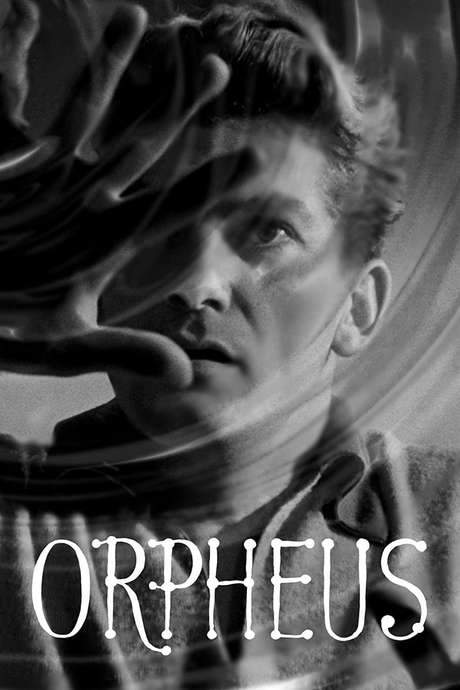
Orpheus (1950) movie poster

Characters & Themes

Orpheus (1950) Characters, Setting & Themes Explained

Release, runtime and language
1950 · 95 mins · French
Loading streaming availability…
Starring
Jean Marais, Jean Cocteau, François Périer, María Casares, Paul Amiot, André Carnège

In post‑war Paris a celebrated poet, derided by the Left‑Bank bohemians, is torn between his wife Eurydice and an enigmatic princess. In his quest for artistic inspiration he becomes increasingly obsessed, ultimately pursuing the princess beyond the realm of the living into the land of the dead.

On this page (8)
  1. 1 Where to watch
  2. 2 Characters explained (4)
  3. 3 Where & when it takes place
  4. 4 Themes & meaning (3)
  5. 5 Character & meaning questions
  6. 6 Movie threads
  7. 7 Movies like Orpheus
  8. 8 Every angle
Loading streaming availability…

4 main characters · contains spoilers

Orpheus Characters Explained: Who Is Who

The main characters of Orpheus (1950), heroes and villains: what drives them, how they change over the course of the story and what each of them reveals about the film's bigger ideas.

  • Orphée — Jean Marais

    Orphée is a gifted poet whose devotion to Eurydice drives him to challenge the boundaries between life and death. He interprets the supernatural horse’s hoof-taps as messages from the unknown, yet his passion makes him reckless under mortal rules. He journeys through the mirror to retrieve Eurydice, but his love is entwined with danger and tragedy as he is ultimately decapitated and his head speaks from a pedestal, even naming its creator, Jean Cocteau.

    • 🎭 Poet
    • 🗝️ Obsessive
    • 🗺️ Visionary
  • Eurydice — Marie Déa

    Eurydice is a mortal beloved whose jealousy of the supernatural horse marks the story’s tensions. Her murder by ex-friends, the Bacchantes, becomes the catalyst for Orphée’s quest to rescue her from death. She returns with Orphée, but their life together remains fragile, as Orphée must not gaze upon her. Her fate critiques desire and the limits of love against mortality.

    • 💔 Jealous lover
    • 🕊️ Tragic figure
    • 🗝️ Bound by fate
  • Heurtebise — François Périer

    An angelic guide who instructs Orphée on crossing between the living and the dead. Heurtebise leads Orphée through the mirror and anchors the surreal in a sense of purpose, acting as a threshold guardian between realms. He embodies the film’s moral and metaphysical crossings, offering guidance amid the mythic peril.

    • 👼 Angel
    • 🪞 Mirror-guide
    • 🧭 Threshold guardian
  • Death — María Casares

    Death appears as a personified figure who looms over the lovers and intersects with the living world. Her presence accelerates the couple’s jeopardy and underscores mortality as a constant companion in the narrative. The portrayal of Death heightens the surreal tension between finality and the possibility of reversal within the story.

    • 💀 Death
    • 🪶 Otherworldly
    • 🧭 Portal

Last updated: February 19, 2026 at 09:41

Was this helpful?

Setting

Where and When Does Orpheus Take Place?

The setting of Orpheus (1950): the year and time period, the places and locations, and how they shape the characters, the mood and the tension of the story.

Time period

Timeless mythic era

The narrative unfolds in a timeless dimension that blends ancient myth with surreal theater. Events hinge on prophecies, ritual crossings, and the boundary between life and death. The mirror and magical elements anchor the story in a dreamlike, non-contemporary moment.

Location

Thrace

The scene unfolds in Orphée and Eurydice’s home in Thrace, featuring a mirror on the left wall and a white horse protruding from a niche. The space blends intimate domestic life with uncanny, mythic imagery. This setting establishes a frame where poetry, jealousy, and the supernatural collide.

  • 🏺 Thrace
  • 🗺️ Mythic setting

Last updated: February 19, 2026 at 09:41

Was this helpful?

3 major themes

Orpheus Meaning: Themes & Message Explained

What is Orpheus (1950) really about? The emotional, social and philosophical themes the film keeps returning to, its symbolism and the message beneath the surface.

  • Love and Death

    Orpheus's attempt to resurrect Eurydice frames a central tension between love's pull and the finality of death. The couple's bond drives the narrative, blurring boundaries between life, afterlife, and art. The journey through the mirror is motivated by devotion, yet fragile, and fate ultimately asserts itself.

  • Surrealism and Art

    The story fuses poetry, theater, and cinema into a dreamlike unity. Surreal elements—the talking horse, the mirror passage, Bacchante interruptions—reframe ordinary events as symbolic rituals. The initial letters of a contest poem spelling MERDE and the decapitated head as a police comment illustrate art’s power to transcend ordinary reality.

  • Language and Censorship

    A contest poem is sabotaged by the initial letters forming a crude word, exposing censorship and the fragility of artistic communication. The film treats words as magical forces capable of provoking authorities and moral judgment. This tension between expression and judgment recurs as Orpheus’s art and his actions become evidence in a police inquiry.

Last updated: February 19, 2026 at 09:41

Was this helpful?

Character & theme questions

Orpheus Characters & Meaning: Your Questions Answered

The questions people ask about Orpheus (1950): who the characters really are, their relationships, what the symbols mean, where it takes place and what the movie is really about. Each answer contains spoilers.

Q1

Where is Orpheus set?

The film is set primarily in Thrace, a mythic location from Greek legend that serves as home to Orphée and Eurydice. The setting blends intimate domestic spaces, like their house with its distinctive mirror and white horse, with surreal, supernatural environments. Post-war Paris is also referenced as the bohemian world where Orphée circulates among Left-Bank artists.

  • thrace
  • mythic setting
  • paris
  • cocteau
  • location
Q2

What time period does Orpheus take place in?

Orpheus unfolds in a timeless mythic era rather than a specific historical period. The narrative blends ancient Greek mythology with surreal theater, creating a dreamlike dimension where prophecies, ritual crossings, and the boundary between life and death take precedence over contemporary reality.

  • mythic era
  • timeless
  • ancient
  • greek legend
  • surreal
Q3

What is the main theme of Orpheus?

The central theme revolves around the interplay between love and death, Orphée's attempt to resurrect Eurydice creates tension between love's pull and the finality of death. This theme drives the narrative as Orphée journeys through the mirror to retrieve his beloved, blurring boundaries between life, afterlife, and art.

  • love
  • death
  • resurrection
  • afterlife
  • orpheus
  • eurydice
Q4

How does surrealism feature in Orpheus?

Surrealism is central to the film, fusing poetry, theater, and cinema into a dreamlike unity. Surreal elements include the talking horse, the mirror passage between realms, and Bacchante interruptions, all of which reframe ordinary events as symbolic rituals. The style emphasizes art's power to transcend ordinary reality.

  • surrealism
  • dreamlike
  • art
  • poetry
  • theater
  • cocteau
  • magic
Q5

Who is Heurtebise in Orpheus?

Heurtebise is an angelic guide who appears in the film as a threshold guardian between the living and the dead. He instructs Orphée on how to cross between realms, leading him through the mirror into the land of the dead. He embodies the film's metaphysical crossings and serves as a moral compass amid the mythic peril.

  • heurtebise
  • angel
  • guide
  • death
  • supernatural
Q6

How is Death portrayed in Orpheus?

Death appears as a personified female figure played by María Casares, lovable over the lovers and intersecting with the living world. Her presence accelerates the couple's jeopardy and underscores mortality as a constant companion. This portrayal heightens the surreal tension between finality and the possibility of reversal.

  • death
  • maría casares
  • mortality
  • personified death
Q7

What role does poetry play in Orpheus?

Poetry is central to the film's themes, with Orphée being a celebrated poet whose art drives much of the narrative. A contest poem sabotaged by initial letters forming a crude word exposes censorship and the fragility of artistic communication. Words function as magical forces capable of provoking authorities and moral judgment.

  • poetry
  • art
  • censorship
  • language
  • orpheus
  • poet
Q8

What does the mirror symbolize in Orpheus?

The mirror serves as a magical passage between the living world and the realm of the dead. It acts as a threshold that Orphée must cross to rescue Eurydice, anchoring the story in its dreamlike, non-contemporary moment. The mirror represents the boundary between life and death that the film repeatedly explores.

  • mirror
  • threshold
  • death realm
  • passage
  • supernatural
Q9

What is the tone of Orpheus?

The tone is primarily whimsical due to Cocteau's surreal and dreamlike storytelling, with playful humor evident in moments like the acrostic MERDE. This is balanced by melancholic undertones stemming from Orphée's artistic obsession and the tragic consequences of his journey, creating a bittersweet atmosphere.

  • tone
  • whimsical
  • melancholy
  • bittersweet
  • cocteau
  • humor
Q10

What is the significance of the white horse in Orpheus?

The white horse appears as a supernatural being in Orphée and Eurydice's home in Thrace, protruding from a niche. Orphée interprets the horse's hoof-taps as messages from the unknown. The horse marks the story's tensions between the mortal and supernatural worlds, embodying the uncanny mythic imagery that pervades the film.

  • white horse
  • supernatural
  • messages
  • mythic
  • uncanny

Movie threads

More Movies Like Orpheus, by Mood & Story

Curated lists built around what makes Orpheus tick: the same mood, the same kind of story or the same emotional payoff. Each list explains why these movies belong together.

Mythological Surrealism like in Orpheus

Ancient myths reimagined through a dreamlike and surreal modern lens. If you enjoyed the blend of Greek myth and dreamlike visuals in Orpheus, you'll appreciate these other films. This list features movies like Orpheus that use surrealism to reinterpret ancient tales in modern or fantastical worlds.

  • surreal
  • mythological
  • dreamlike
  • contemplative
  • symbolic
  • enigmatic
  • Tone: whimsical, contemplative, enigmatic
  • Pacing: slow, deliberate, ritualistic
Why these movies?

The story pattern: Stories in this thread follow archetypal characters—like poets, gods, and heroes—navigating worlds where the supernatural intrudes upon the mundane. The plot often involves a journey into an underworld or other symbolic realm, driven by obsession, love, or a search for meaning, challenging the protagonist's perception of reality.

Why they belong together: These films are grouped by their shared approach to storytelling: they use the framework of ancient myths but filter them through a distinctly modern, surrealist aesthetic. This creates a unique tone that is at once whimsical, contemplative, and deeply symbolic.

Movies about artistic obsession like Orpheus

Creatives whose desperate search for inspiration leads them into supernatural peril. Orpheus is a classic tale of a poet's dangerous obsession. This collection gathers similar movies like Orpheus where artists make fateful pacts, exploring themes of creativity, sacrifice, and the perilous journey into the unknown for the sake of art.

  • obsessive
  • melancholic
  • artistic
  • supernatural
  • bittersweet
  • philosophical
  • Tone: melancholic, bittersweet, whimsical
  • Pacing: slow, character-driven
Why these movies?

The story pattern: The narrative follows a gifted but discontented artist who feels their inspiration has dried up. A mysterious, often supernatural, figure enters their life, offering unparalleled creative insight at a grave personal cost. The artist becomes consumed, embarking on a perilous journey that threatens their sanity, relationships, and ultimately their very soul, leading to a bittersweet or tragic resolution.

Why they belong together: These movies share a powerful core theme: the Faustian bargain of the artist. They blend a melancholic, medium-emotional-weight exploration of creativity with moments of whimsy and wonder, creating a specific, compelling vibe centered on the high price of genius.

If you liked this

Movies Like Orpheus

Similar movies to Orpheus: the same genre, themes or kind of story. Each one comes with its own plot summary, timeline and ending explained.

Browse all movie summaries

Every angle

Orpheus (1950) Explained: Plot, Timeline & Characters

Everything about Orpheus in one place: what happens in the plot summary, the timeline in chronological order, the characters and meaning and a spoiler-free summary. What's After the Movie adds the cast, box office and post-credit scenes.

Coming soon on iOS and Android

The Plot Explained Movie Summary App

Plot summaries, endings explained and timelines on your phone. Catch up on any movie in minutes, save your favorites and never miss a twist again.

Be the first to know when we launch. Your email stays private, always.

Learn more about the app