Year: 2013
Runtime: 160 mins
Language: Hindi
Director: Milan Luthria
Shoaib’s life takes a precarious turn when he finds himself pitted against a younger contemporary - not just in “business”, but in love…
Warning: spoilers below!
Haven’t seen Once Upon a Time in Mumbai Dobaara! yet? This summary contains major spoilers. Bookmark the page, watch the movie, and come back for the full breakdown. If you're ready, scroll on and relive the story!
Explore the full timeline and setting of Once Upon a Time in Mumbai Dobaara! (2013). Follow every major event in chronological order and see how the environment shapes the story, characters, and dramatic tension.
Last updated: October 01, 2025 at 10:02
Meet the key characters of Once Upon a Time in Mumbai Dobaara! (2013), with detailed profiles, motivations, and roles in the plot. Understand their emotional journeys and what they reveal about the film’s deeper themes.
Last updated: October 01, 2025 at 10:02
Explore the central themes of Once Upon a Time in Mumbai Dobaara! (2013), from psychological, social, and emotional dimensions to philosophical messages. Understand what the film is really saying beneath the surface.
Last updated: October 01, 2025 at 10:02
Browse frequently asked questions about Once Upon a Time in Mumbai Dobaara! (2013) focused on characters, relationships, themes, symbols, setting, and story context. This movie info FAQ gives spoiler-aware explanations for character arcs, world details, and thematic interpretation so readers can better understand what the film is really about.
The movie is primarily set in Mumbai, with its dense streets and vibrant neighborhoods serving as the backdrop for the underworld operations. The setting showcases sharp contrasts between glamour, violence, and the precarious lives of those chasing power in the criminal world.
The narrative spans from the mid-1970s, when Shoaib Khan rises to power, to 1987 when he returns to Mumbai to solidify his dominance. The late 70s and 80s era is portrayed with opulence, rivalries, and brutal enforcement, reflecting a turbulent period in Mumbai's underworld.
Shoaib Khan is a charismatic yet ruthless gangster who has built a vast criminal empire extending beyond India into the Middle East. He commands fear and respect, using charm to manipulate allies and lovers. His obsession with Jasmine drives many of his decisions, leading to violent confrontations to maintain dominance.
Aslam is a teenager from the slums who grows into a central player in the criminal underworld. He becomes Jasmine's love interest and is torn between loyalty to Khan and his own feelings. He survives brutal confrontations and ultimately challenges Khan's hold on power.
Jasmine is a rising starlet whose career and heart become the focal point of a dangerous rivalry between Shoaib Khan and Aslam. She rejects Khan's advances, complicating a love triangle that triggers betrayals and violence. Her involvement with both men heightens the peril of loving in a crime-dominated world.
Mumtaz is Khan's former lover who remains a presence from his past, providing emotional texture to his ascent. She embodies a personal tether amid the ruthless pursuit of power and represents the empire's unraveling, showing the human side of a crime lord.
The Power theme demonstrates how power is built through calculated violence, loyalty, and manipulation. Shoaib's reach into the Middle East illustrates ambition without borders. The plot continually reframes who holds power as alliances shift and rivals threaten the throne, showing the precarious nature of criminal dominance.
Romance drives crucial choices in the story: Jasmine's affection for both Khan and Aslam creates a volatile triangle that destabilizes loyalties. Love complicates criminal ambitions and often fuels conflict, leading to betrayals and tragedy. The theme explores how love becomes a weapon and weakness in the criminal world.
Loyalty binds key figures to Khan even as betrayals simmer beneath the surface. Dedh Tang's actions reveal how devotion can fracture under pressure, while Khan's manipulations push friends toward conflict. This theme reshapes the underworld's balance of power, showing how trust is always conditional in the criminal world.
Shoaib Khan's empire extends beyond India into the Middle East, signaling a global criminal network. This international reach demonstrates the scale of his operations and ambition, showing that his criminal enterprise operates across borders rather than being confined to Mumbai alone.
Dedh Tang is Shoaib's loyal aide who helps orchestrate operations and stage diversions. He remains close to Khan even as the plot tightens around him, illustrating how loyalty can strain under pressure. His actions inadvertently expose Aslam's feelings for Jasmine, accelerating tensions between the characters.
Discover curated groups of movies connected by mood, themes, and story style. Browse collections built around emotion, atmosphere, and narrative focus to easily find films that match what you feel like watching right now.
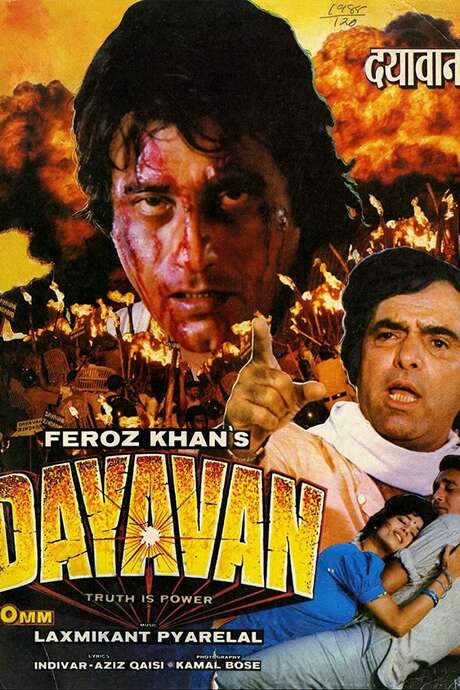
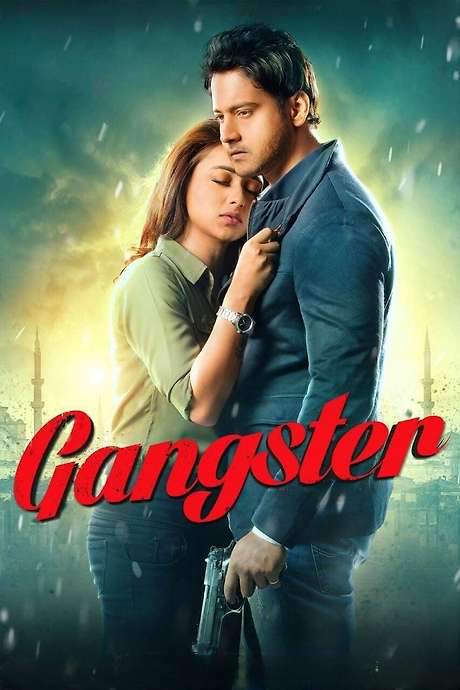
Stories of powerful, charismatic gangsters undone by ambition and betrayal.If you enjoyed the story of a powerful don's tragic downfall in Once Upon a Time in Mumbai Dobaara!, explore these similar crime sagas. These movies feature charismatic anti-heroes at the height of their power, whose empires crumble due to betrayal, rivalry, or love, leading to emotionally heavy and melancholic conclusions.
These narratives typically build around a formidable crime lord whose confidence and power seem unshakable. The central conflict arises from a threat to their authority—often a younger rival or a personal betrayal—which spirals into a violent power struggle. The story arc is a descent, moving from a position of strength to one of isolation and defeat, emphasizing the hollowness of power gained through violence.
Movies in this thread share a dark tone and high intensity, driven by themes of power, corruption, and loyalty. They feature a strong, central charismatic performance and follow a similar emotional journey from dominance to despair, resulting in a sad, contemplative ending that questions the cost of ambition.
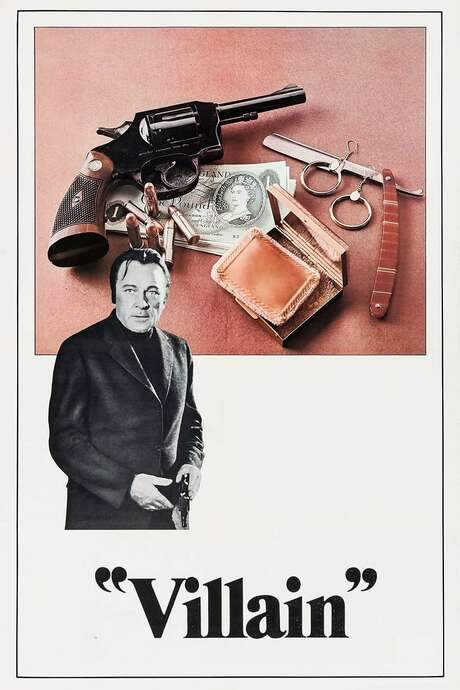
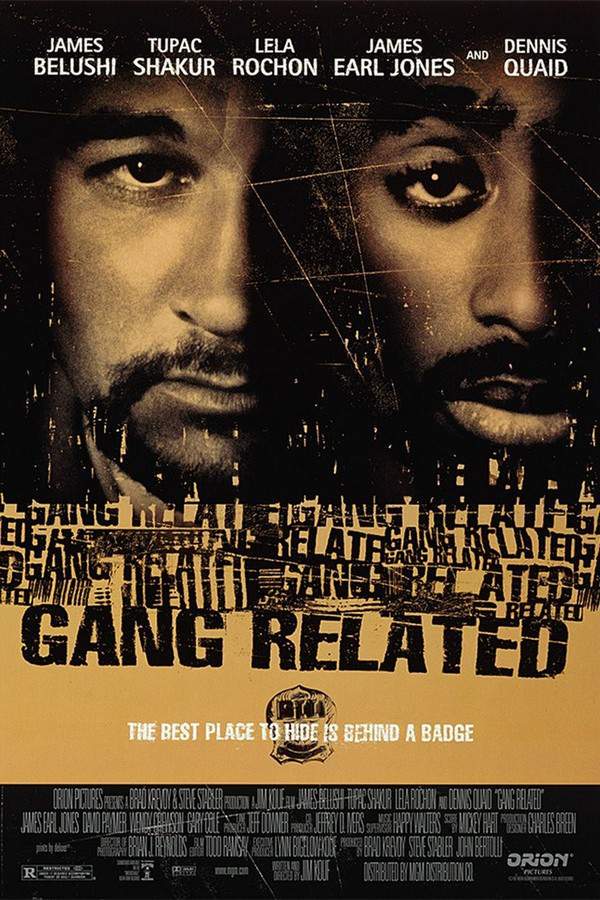
Where dangerous criminal ambitions collide with complicated, destructive romance.For viewers who liked the blend of gangster rivalry and romantic conflict in Once Upon a Time in Mumbai Dobaara!, this list highlights similar movies. These films intertwine a dangerous love triangle with the brutal politics of the criminal world, creating stories that are both tense and emotionally devastating.
The narrative pattern involves a protagonist deeply entrenched in a dangerous world whose professional and personal lives become dangerously intertwined. A romantic interest becomes a prize or a point of contention between rivals, blurring the lines between business and pleasure. This personal conflict escalates the professional rivalry, leading to betrayals that have fatal consequences for both the criminal empire and the heart.
These movies are grouped together because they masterfully blend the high-intensity, violent world of organized crime with the heavy emotional weight of a romantic rivalry. The pacing is steady, driven by both action and emotional tension, culminating in endings that are often sad, reflecting the cost of mixing love with power.
Don't stop at just watching - explore Once Upon a Time in Mumbai Dobaara! in full detail. From the complete plot summary and scene-by-scene timeline to character breakdowns, thematic analysis, and a deep dive into the ending - every page helps you truly understand what Once Upon a Time in Mumbai Dobaara! is all about. Plus, discover what's next after the movie.
Read a complete plot summary of Once Upon a Time in Mumbai Dobaara!, including all key story points, character arcs, and turning points. This in-depth recap is ideal for understanding the narrative structure or reviewing what happened in the movie.
Track the full timeline of Once Upon a Time in Mumbai Dobaara! with every major event arranged chronologically. Perfect for decoding non-linear storytelling, flashbacks, or parallel narratives with a clear scene-by-scene breakdown.