Year: 1989
Runtime: 95 mins
Language: Cantonese
Director: Taylor Wong
After his father is killed in a peace meeting set by a rival gang, Li Man‑Ho comes to Hong Kong to inherit the family crime empire. Rival gangs exploit the leadership void; the business collapses and seniors thrust him into command. Determined to restore order, he faces violence, betrayal and turmoil in the underworld he tried to avoid.
Warning: spoilers below!
Haven’t seen Triads: The Inside Story yet? This summary contains major spoilers. Bookmark the page, watch the movie, and come back for the full breakdown. If you're ready, scroll on and relive the story!
Read the complete plot breakdown of Triads: The Inside Story (1989), including all key story events, major twists, and the ending explained in detail. Discover what really happened, and what it all means.
Lee Man Ho is the son of Uncle Kwan, the stern but loyal leader of the Hung Hing Gang. Raised far from the grit of Hong Kong’s streets in the United States, Ho built a stable life with a family and believed he had escaped the violence that defines his father’s world. That illusion is shattered when Shrimp ambushes and kills [Uncle Kwan] during a brutal clash between rival factions. Ho returns home for his father’s funeral and is quickly chosen to assume the throne, a succession that thrusts him into a role he barely understands and a culture he barely knows. The transition sets a tone of quiet tension, where every decision can ripple through the gang’s delicate fabric of loyalty and fear. Ho must navigate the old codes while trying not to lose the humanity that once drove his American life, all while the men around him weigh him not just as a leader, but as a person.
Ho’s lack of familiarity with the local underworld quickly becomes a flashpoint. Yeung Kong, a wily and seasoned rival, frequently corrects Ho with blunt moves and biting skepticism. Tse Shing, another respected member, also challenges Ho’s approach, testing whether the new head can command without alienating long-standing allies. The tension erupts during a banquet, where Kong and Shing clash in a confrontation that could fracture the gang. Yet Ho steps in, choosing a path that preserves a fragile harmony rather than allowing old grudges to flare into open war. Because of Ho’s consistent kindness and emphasis on brotherhood, the Hung Hing Gang begins to cling to him—not because he is the strongest, but because his leadership feels like a renewed family, a place where a man’s loyalty can still be earned with fairness rather than fear.
That emotional loyalty is tested when the rival triad’s head, Coffin Rope, is captured. Ho intends to finish the threat, but his temperament—more merciful than vengeful—leads him to a controversial move: he shaves Coffin Rope’s eyebrows, a humiliation designed to humiliate, not annihilate. Yet the act becomes a spark for a larger counter-strategy. Ho cooperates with Chow, a powerful and morally ambiguous businessman who becomes a key ally in a plan that exploits the lingering frictions between Kong and Shing. Coffin Rope, in turn, escalates his vendetta: his men are sent to threaten Shing’s family, and he frames Kong, tarnishing the internal cohesion of the Hung Hing Gang. The police, drawn into the escalating web, arrest Kong as the danger intensifies and as a reminder that every calculated move has consequences beyond the immediate turf war.
In the climactic turn, Kong cautions Ho about the limits of mercy in a world where loyalty can be both a shield and a chain. With tension at its peak and trust fraying, Ho confronts the harsh reality that leadership in a criminal empire may demand a fire that cannot be contained. In a dramatic decision, Ho sets the Hung Hing office ablaze, signifying not just a final severing of the gang’s criminal era but a personal renunciation of the violence he never truly intended to inherit. The blaze marks a turning point, a decisive break with the life he never fully embraced and a plea for absolution from a man who has tried to balance mercy with duty.
In the end, Ho returns to America, seeking normalcy with his family and hoping that the past can simmer into memory rather than define the future. The story leaves us with a meditation on leadership, loyalty, and the cost of attempting to reform a cycle of crime from within. Ho’s journey is not a triumph of power, but a quiet struggle to reconcile the man who once sought a peaceful life with the realities of a world where family and brotherhood can demand both protection and sacrifice. The final image lingers on the possibility of a new beginning, one forged not by domination, but by a careful, enduring humanity.
Last updated: December 03, 2025 at 23:58
Explore frequently asked questions about Triads: The Inside Story (1989) with spoiler-rich answers covering the full plot summary, major story beats, character motivations, hidden details, and ending meaning. This movie summary FAQ helps explain confusing scenes, plot twists, and narrative decisions in clear, searchable detail.
Ho chooses to humiliate Coffin Rope by shaving his eyebrows rather than kill him because he believes mercy is more powerful than vengeance. This decision reflects Ho's leadership philosophy, he wants to lead through kindness and brotherhood, not fear and violence. By sparing Coffin Rope, Ho demonstrates that he is fundamentally different from traditional triad leaders who rule through brutality. However, this mercy ultimately backfires, as Coffin Rope interprets the humiliation as a challenge and escalates his vendetta against Hung Hing.
Ho sets fire to the Hung Hing office as a symbolic act of renouncing the criminal underworld. After witnessing the destruction caused by internal rivalries, betrayals, and the cyclical violence of triad life, Ho decides to break free from the world he never truly wanted to inherit. The blaze represents both his personal rejection of the triad lifestyle and an attempt to destroy the legacy of crime his father built. It is also framed as an apology to his father, a final act meant to honor Uncle Kwan's memory while rejecting the violent path that defined it.
Kong's earlier warning about the limits of mercy foreshadows Ho's realization that he cannot reform the triad from within.
Coffin Rope frames Kong to create chaos within Hung Hing and weaken the gang from within. By ordering his men to threaten Shing's family and then making it appear that Kong was responsible, Coffin Rope exploits the existing rivalry between Kong and Shing. This strategy successfully turns Hung Hing members against each other, fracturing the gang's unity and creating an opportunity for Coffin Rope to reclaim power. The frame job is part of Coffin Rope's larger plan to destabilize Ho's leadership and destroy Hung Hing from the inside out.
Ho returns to America because he realizes he cannot reform the triad or escape its violent cycle. After everything, the betrayals, the arrests, the destruction of his father's legacy, Ho understands that the criminal underworld will never allow him to lead with mercy. By burning down the Hung Hing office, he symbolically destroys the criminal empire and frees himself to return to the peaceful life he built in the United States with his family. The return represents Ho's final choice between his blood legacy and the humanity he preserved during his American upbringing.
Ho allies with Boss Chow, a powerful and morally ambiguous businessman, to strengthen his position against rival triad leader Coffin Rope. Recognizing that his merciful approach has created enemies, Ho seeks an ally with resources and influence he lacks. Chow offers to help Ho manipulate the rivalry between Kong and Shing for his own purposes. This alliance represents Ho's first major compromise of his principles, he begins using the same cunning and manipulation tactics he initially rejected, showing the corrupting influence of the underworld he пытается (tries) to lead differently.
Kong gets arrested because Coffin Rope plants cocaine in Kong's car and tips off the police. Even though Ho tries to rescue Kong and clear his name, the police arrive at the scene before Ho can fully execute his plan. Kong's arrest represents the consequences of living in the criminal underworld, despite Ho's attempts to manipulate events from behind the scenes, the law enforcement intervention disrupts everything. The arrest also marks a turning point where Ho realizes his influence has limits; he cannot protect his men from both rival gangs and the police.
Ho leads differently because he was raised in America, far removed from the Hong Kong criminal underworld. He built a stable family life and never embraced the violent traditions of triad culture. When he inherits leadership, Ho emphasizes brotherhood, fairness, and mercy rather than fear and brutality. This approach initially earns him loyalty from gang members who see him as a refreshing alternative to ruthless rulers. However, his kindness becomes a weakness in a world where rivals exploit mercy and internal enemies use his trusting nature against him.
Ho's upbringing in America, separate from the triad world, establishes his fundamentally different approach from the start.
Uncle Kwan's murder by rival Shrimp creates a sudden power vacuum within Hung Hing, forcing the gang to find a new leader quickly. Because Kwan was the core of the gang's unity and authority, his death leaves senior members like Yeung Kong and Tse Shing vying for control. Neither fully accepts the other's claim, which is why they turn to Ho, Kwan's son, as a compromise candidate. The crisis is exacerbated by rival gangs like Coffin Rope's, who immediately exploit the instability to attack Hung Hing's territory and business interests.
Kong and Shing conflict because they represent rival factions within Hung Hing with competing visions for the gang's future. Both are senior, respected members who believe they deserve to lead after Kwan's death. Their rivalry is personal and ideological, Kong is more aggressive and traditional, while Shing has his own loyal base. During the tense banquet scene, their clash nearly fractures the gang entirely. Ho's intervention preserves peace temporarily, but Coffin Rope later exploits this divide by framing Kong for attacks on Shing's family, deepening the rifts that Ho struggled to mend.
Coffin Rope is ultimately defeated when Ho decides to take decisive action against him. After Coffin Rope's scheme to frame Kong and destroy Hung Hing from within escalates beyond repair, Ho resolves to eliminate the rival triad leader. While the exact outcome of their final confrontation is not detailed in the summary, Coffin Rope's removal marks the culmination of Ho's shift from mercy to decisive violence. However, this victory comes at a cost, Ho realizes that even defeating Coffin Rope cannot save the gang or fulfill his vision of leading with kindness.
Shrimp kills Uncle Kwan during a brutal clash between rival factions as part of the ongoing turf wars between Hong Kong triads. As a rival gang member, Shrimp ambushes Kwan in an attempt to weaken the Hung Hing Gang and seize power. Kwan's death is not personal, it is a strategic move in the larger conflict between competing criminal organizations. However, this act sets the entire plot in motion, forcing Ho to return from America and assume leadership of the empire his father built.
Ho cannot fully reconcile Kong and Shing because their rivalry is rooted in years of competition and deeply held grievances, not just misunderstandings. Although Ho intervenes during the banquet and temporarily preserves harmony through his personal authority and kindness, the underlying tensions remain. Coffin Rope exploits these fractures by framing Kong for attacks on Shing's family, which reignites the conflict beyond Ho's ability to control. The failure reveals a fundamental weakness in Ho's leadership, he can inspire loyalty but cannot overcome the entrenched rivalries that define triad culture.
Discover curated groups of movies connected by mood, themes, and story style. Browse collections built around emotion, atmosphere, and narrative focus to easily find films that match what you feel like watching right now.
When an heir is forced to take control of a violent criminal empire they tried to avoid.If you liked the premise of Triads: The Inside Story, explore other movies where an unwilling heir must take control of a crime empire. These films share themes of family legacy, violent succession, and the moral conflict of a protagonist trapped by a birthright they never wanted.
The narrative typically begins with a sudden power vacuum, often caused by the death of a patriarch, forcing an unprepared or reluctant heir into leadership. The protagonist must navigate a web of internal betrayal, external threats, and their own moral ambiguity while trying to survive and assert control, often at great personal cost.
Movies in this thread share a core narrative structure of inherited criminal power, a tense and gritty atmosphere, and a focus on the protagonist's internal struggle against their predetermined fate, creating a consistent experience of tragic ascension.
Fast-paced stories of loyalty tested and broken within the violent hierarchies of organized crime.For viewers who enjoyed the tense atmosphere and complex betrayals in Triads: The Inside Story, this section collects similar fast-paced crime dramas. These films are characterized by high-stakes underworld politics, brutal violence, and a somber exploration of brotherhood shattered by ambition.
Stories in this thread unfold within a tightly-knit criminal world where trust is a liability. The plot is propelled by internal coups, fractured loyalties, and the violent resolution of conflicts. The journey is often linear and relentless, moving from a stable order into chaos and a bittersweet or bleak resolution.
These films are grouped by their shared high-intensity, fast-paced view of organized crime, a consistently tense and gritty tone, and a thematic focus on the corrosive nature of power and the fragility of loyalty within criminal brotherhoods.
Don't stop at just watching - explore Triads: The Inside Story in full detail. From the complete plot summary and scene-by-scene timeline to character breakdowns, thematic analysis, and a deep dive into the ending - every page helps you truly understand what Triads: The Inside Story is all about. Plus, discover what's next after the movie.
Track the full timeline of Triads: The Inside Story with every major event arranged chronologically. Perfect for decoding non-linear storytelling, flashbacks, or parallel narratives with a clear scene-by-scene breakdown.
Discover the characters, locations, and core themes that shape Triads: The Inside Story. Get insights into symbolic elements, setting significance, and deeper narrative meaning - ideal for thematic analysis and movie breakdowns.
Discover movies like Triads: The Inside Story that share similar genres, themes, and storytelling elements. Whether you’re drawn to the atmosphere, character arcs, or plot structure, these curated recommendations will help you explore more films you’ll love.
Triads: The Inside Story (1989) Scene-by-Scene Movie Timeline
Triads: The Inside Story (1989) Movie Characters, Themes & Settings
Triads: The Inside Story (1989) Spoiler-Free Summary & Key Flow
Movies Like Triads: The Inside Story – Similar Titles You’ll Enjoy
Shanghai Triad (1995) Ending Explained & Film Insights
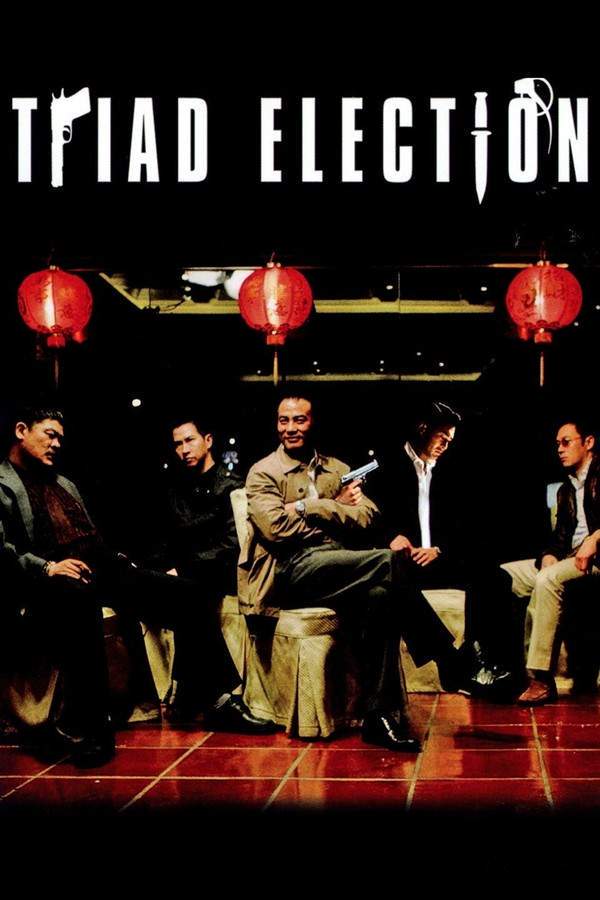
Triad Election (2007) Ending Explained & Film Insights
Infernal Affairs (2004) Spoiler-Packed Plot Recap
Cop on a Mission (2001) Full Summary & Key Details
Triangle (2007) Movie Recap & Themes
Colour of the Loyalty (2005) Complete Plot Breakdown
Man on the Brink (1981) Full Movie Breakdown
Tragic Hero (1987) Plot Summary & Ending Explained
Triads: The Inside Story (1989) Ending Explained & Film Insights
Crime Story (1993) Plot Summary & Ending Explained
Once Upon a Time in Triad Society (1996) Ending Explained & Film Insights
Turning Point (2009) Movie Recap & Themes
Triad Wars (2008) Detailed Story Recap
To Live and Die in Tsimshatsui (1994) Plot Summary & Ending Explained
Organized Crime & Triad Bureau (1994) Full Summary & Key Details