Plot Explained Spoilers guaranteed!
Plot Explained

Browse by genre

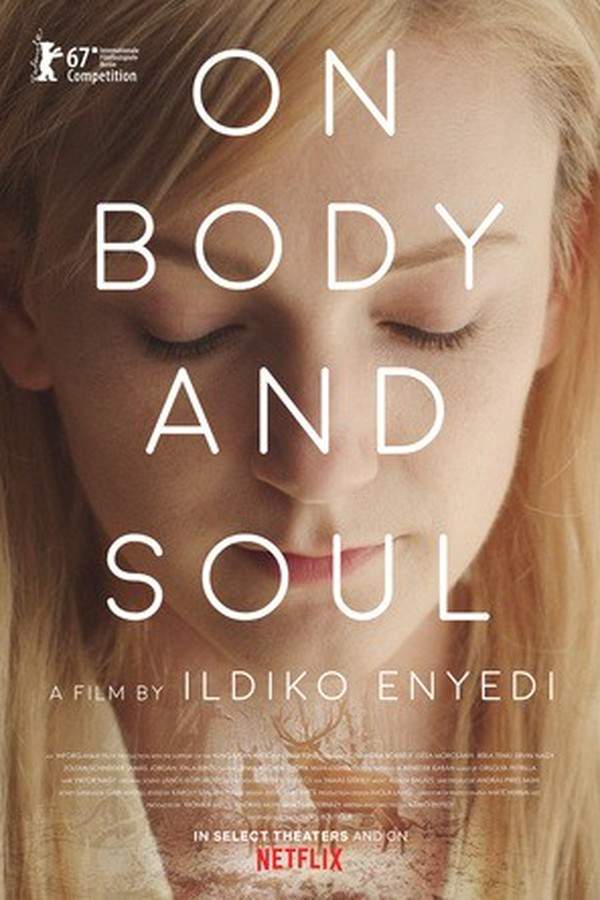
On Body and Soul (2018) movie poster

Timeline

On Body and Soul (2018) Timeline Explained – Every Event in Order

Release, runtime and language
2018 · 116 min · Hungarian
Echo score 80
Directed by
Ildikó Enyedi
Starring
Alexandra Borbély, Ervin Nagy, Éva Bata, Géza Morcsányi, Itala Békés, Júlia Nyakó

In a Budapest slaughterhouse, a tender and unusual romance develops between Mária, a cleaning lady, and Endre, the head of security. Both are introverted individuals who find comfort in routine and order, but their shared appreciation for precision creates an unexpected bond. They discover that they are sharing the same vivid dreams, leading them on a delicate and poignant journey to understand their connection and find happiness within their constrained world.

On this page (4)
  1. 1 Events in order (13)
  2. 2 Timeline questions answered
  3. 3 Movie threads
  4. 4 Every angle

13 events in order · contains spoilers

On Body and Soul Timeline: Events in Chronological Order

Every key event of On Body and Soul (2018) in order, scene by scene, with when and where it takes place. Use it to untangle flashbacks, time jumps and parallel storylines, to refresh your memory before the sequel or to find the exact scene you are thinking of.

  1. Recurring Dreams

    Endre and Mária both experience a shared recurring dream in which they transform into a pair of deer roaming freely in the forest. This dream symbolizes their internal struggles and longing for freedom from their mundane realities.

    When
    Recurring
    Where
    Dream World
  2. Mária's Arrival

    Mária joins the team at the abattoir, immediately facing hostility due to her autism and strict approach to meat quality inspection. Her interactions create tension, particularly with Endre, who tries to be welcoming but is met with uncomfortable remarks.

    When
    Present Day
    Where
    Abattoir
  3. The Unpleasant Incident

    During their first conversation, Mária makes a rude comment about Endre's lame arm, revealing her bluntness and lack of social cues. This incident leaves both feeling awkward, highlighting the beginning of their strained relationship.

    When
    Present Day
    Where
    Abattoir
  4. Introducing Sanyi

    The abattoir hires Sanyi, a brash new butcher whose arrogant demeanor and indifference towards animals repulse Endre. Sanyi's presence adds to the tension within the workplace and escalates conflicts among staff.

    When
    Present Day
    Where
    Abattoir
  5. Investigation Begins

    Tension at the abattoir peaks when mating powder mysteriously disappears from the inventory, prompting an investigation led by the management. Endre and his friend Jenő suspect Sanyi, which exacerbates existing animosities.

    When
    Present Day
    Where
    Abattoir
  6. Psychological Assessments

    To uncover the truth behind the missing powder, the management employs a psychologist to assess the staff's personalities and sexual histories. This leads to unexpected revelations about their dreams, especially between Endre and Mária.

    When
    Present Day
    Where
    Abattoir
  7. Shared Dream Revelation

    During the assessments, Endre and Mária reveal they both had the same strange dream, which the psychologist dismisses as a prank. However, this incident unexpectedly strengthens their connection as they realize they share deeper thoughts and feelings.

    When
    Present Day
    Where
    Abattoir
  8. Mária's Transformation

    Mária undergoes a transformation, exploring her feelings and desires following her closeness with Endre. She begins to listen to romantic music and watch adult films, seeking to understand her emotional responses and relationships better.

    When
    Present Day
    Where
    Mária's Home
  9. Endre's Disillusionment

    Despite initial romantic feelings, Endre grows disillusioned with his relationship with Mária. He seeks companionship elsewhere, but ultimately finds himself unsatisfied, reflecting on the complexities of their bond.

    When
    Present Day
    Where
    Various Locations
  10. Despondency and Suicide Attempt

    Feeling depressed and overwhelmed, Mária contemplates suicide and attempts to cut her wrist in the bathtub. This serious moment is interrupted by a call from Endre, leading to a brief but pivotal conversation about their feelings.

    When
    Present Day
    Where
    Mária's Home
  11. Confession of Love

    During their awkward phone call, Endre confesses his love for Mária, which she reciprocates. This moment allows them to confront their feelings, setting the stage for a deeper relationship despite past tensions.

    When
    Present Day
    Where
    Mária's Home
  12. Night of Intimacy

    After treating her wound, Mária visits Endre, leading to a night of intimacy that signifies a turning point in their relationship. This deep connection fosters a newfound understanding between them.

    When
    Present Day
    Where
    Endre's Home
  13. A Dreamless Morning

    The morning after spending the night together, both Endre and Mária awaken realizing they did not experience a dream. This poignant moment marks a significant shift in their relationship dynamics, representing growth and change.

    When
    Present Day
    Where
    Endre's Home

Last updated: November 08, 2024 at 03:07

Was this helpful?

Timeline questions answered

On Body and Soul Timeline Explained: Your Questions Answered

When does it happen, and why in that order? The questions people ask about the chronology of On Body and Soul (2018): time jumps, flashbacks, cause and effect between scenes and the correct order of events, each answered with spoilers.

Q1

Why do Endre and Mária share the same dream about deer?

The shared dream represents a psychic connection between them that reflects their inner emotional states. Both are lonely, introverted people who feel trapped in their mundane lives - Endre by his job at the slaughterhouse and Mária by her autism and social isolation. The deer in the forest symbolize their desire for freedom and authentic connection. The dream manifests their unspoken longing to escape their constrained realities and find genuine intimacy.

Foreshadowing: The dream appears from the very beginning of the film, establishing the spiritual connection that will later manifest in their waking relationship.

  • shared dream
  • deer
  • psychic connection
  • endre
  • maria
  • symbolism
Q2

Why does Mária comment on Endre's lame arm?

Mária's comment about Endre's lame arm stems from her autistic tendency to speak directly without social filtering. She notices his physical limitation and makes a factual observation about it, connecting it logically to his food choices in the cafeteria. However, she lacks the social awareness to recognize how such a remark could be hurtful or awkward. This incident reflects her genuine but clumsy attempt to understand him, mixed with her inability to navigate normal social conventions.

  • maria
  • endre
  • lame arm
  • autism
  • social awkwardness
Q3

What happened to the mating powder at the abattoir?

The mating powder was stolen from the abattoir inventory, triggering an investigation. Initially, Endre and his friend Jenő suspect the new butcher Sanyi due to his arrogant attitude. However, Endre later discovers that Jenő himself was the actual thief. Endre chooses not to report him because there were no identifiable victims - the powder was essentially useless inventory that would have been discarded anyway.

Foreshadowing: The investigation brings the psychologist into the story, which becomes the catalyst for Endre and Mária's relationship developing.

  • mating powder
  • stolen
  • investigation
  • sanyi
  • jeno
  • abattoir
Q4

Why does Endre end things with Mária despite their connection?

Endre ends the relationship because he feels emotionally exhausted and unable to bridge the gap between their deep spiritual connection and the difficulties of physical intimacy. Despite their profound bond through the shared dreams, Mária becomes overwhelmed when Endre tries to initiate physical contact, shutting down completely. This leaves Endre feeling rejected and confused, leading him to seek companionship elsewhere. However, he finds no satisfaction in casual encounters, realizing his emotional connection was deepest with Mária.

  • endre
  • maria
  • breakup
  • relationship
  • intimacy
  • rejected
Q5

Why does Mária attempt suicide after Endre ends their relationship?

Mária's suicide attempt stems from profound emotional devastation after Endre leaves her. Throughout the film, she has struggled with social isolation and feelings of being fundamentally broken or unable to connect with others. When Endre, the one person who truly understood her through their shared dreams, also abandons her, she sees no way forward. She describes feeling like a machine that has lost its purpose, and in her despair, she cuts her wrist in the bathtub. The timing is critical - Endre calls just as she is about to die, giving her a reason to live.

  • suicide
  • maria
  • depression
  • endre
  • bathtub
  • emotional breakdown
Q6

Why do the shared dreams stop after Endre and Mária become intimate?

The dreams stop because their connection has now shifted from the spiritual realm to physical reality. Throughout the film, the shared dreams served as the only space where they could be truly free and connected - away from the awkwardness of their waking lives. Once they finally achieve physical intimacy, they no longer need the dreamscape to bridge their emotional gap. The dreamless morning signifies that their relationship has matured from fantasy to reality, though it also marks the loss of that magical, otherworldly bond that defined their connection.

Foreshadowing: The deer dream first appears as a symbol of their trapped souls seeking freedom - once they find freedom in reality, the dream is no longer necessary.

  • dreams
  • stop
  • intimacy
  • deer
  • morning
  • reality vs fantasy
Q7

What does the deer dream symbolize in the film?

The deer dream symbolizes freedom, purity, and the authentic selves that both Endre and Mária cannot express in their waking lives. In the dream, they run freely through the forest as a pair of deer - gentle, graceful, and unburdened by the social constraints that trap them in reality. The slaughterhouse setting contrasts sharply with this forest paradise, representing how their mundane jobs and emotional isolation have caged their true souls. The dream is their only sanctuary where they can be together without fear or awkwardness.

  • deer
  • dream
  • symbolism
  • freedom
  • forest
  • soul
Q8

What is the significance of the psychologist discovering the shared dream?

The psychologist's investigation is initially meant to uncover who stole the mating powder, but it becomes the catalyst for Endre and Mária's relationship. When both report the same dream during their personality assessments, the psychologist dismisses it as a prank. However, this revelation unexpectedly brings Endre and Mária closer together, as they realize their shared dreams are real and meaningful. It validates their connection and gives them the confidence to pursue their relationship in waking life, knowing their spiritual bond is not imaginary.

Foreshadowing: The shared dream has been recurring throughout the film before this discovery, but neither character knew the other experienced it.

  • psychologist
  • dream
  • discovery
  • assessment
  • connection
Q9

Why does Mária start exploring new experiences after her encounter with Endre?

Mária begins exploring new sensations - listening to romantic music, watching adult films, observing couples in parks - because she is trying to understand and develop her emotional and physical responses to Endre. Her autism makes social and emotional navigation difficult for her, so she approaches these feelings analytically, seeking to learn what is considered normal or desirable. This transformation shows her growth and willingness to step outside her comfort zone, driven by her genuine desire to connect with Endre beyond their shared dreams.

  • maria
  • transformation
  • music
  • adult films
  • emotions
  • growth
Q10

Why does Endre apologize to Sanyi after discovering the truth about the mating powder?

Endre apologizes to Sanyi because he feels guilty for wrongly suspecting him of stealing the mating powder. After discovering that his own friend Jenő was the actual thief, Endre realizes he misjudged Sanyi's character based on superficial impressions. Sanyi may be brash and arrogant, but he was not the culprit. Endre's apology shows his moral growth and willingness to acknowledge his mistakes, even though it means confronting his own prejudice.

  • endre
  • sanyi
  • apology
  • mating powder
  • jeno
  • mistaken suspicion
Q11

What is the significance of the slaughterhouse setting in the film?

The slaughterhouse creates a constant sense of unease that mirrors the characters' emotional states. The violence and death occurring daily in the facility contrast sharply with the tender, delicate romance developing between Endre and Mária. The job is grim, repetitive, and emotionally draining - much like their isolated lives. The setting also emphasizes themes of vulnerability and the cycle of life and death, which connects to the film's exploration of finding beauty and connection in unexpected places.

  • slaughterhouse
  • setting
  • symbolism
  • abattoir
  • contrast
  • hungary
Q12

How does Endre's phone call save Mária's life?

Endre calls Mária at the exact moment she is about to die from her wrist cutting. Though the conversation is brief and awkward, Endre confesses his love for her during the call. This confession gives Mária a reason to live - she realizes that despite their breakup, Endre still cares for her deeply. After hanging up, she treats her wound and goes to Endre's home, leading to their reconciliation and physical intimacy.

Foreshadowing: The film's melancholic tone and the earlier mention of Mária's suicidal thoughts set up this pivotal moment.

  • phone call
  • suicide
  • confession
  • love
  • maria
  • endre
  • saved

Movie threads

More Movies Like On Body and Soul, by Mood & Story

Curated lists built around what makes On Body and Soul tick: the same mood, the same kind of story or the same emotional payoff. Each list explains why these movies belong together.

Unconventional Real-World Romances like in On Body and Soul

Tender connections that flourish in unexpected, even difficult, places. Discover movies like On Body and Soul that feature tender, authentic romances blossoming in unexpected settings between unique individuals. If you liked the quiet, poignant connection between Mária and Endre, you'll find similar stories of love against the odds in these carefully selected films.

  • tender
  • poignant
  • quiet
  • introverted
  • unconventional
  • melancholic
  • Tone: tender, poignant, melancholic
  • Pacing: slow, contemplative
Why these movies?

The story pattern: Narratives in this thread follow characters who are often isolated or neurodivergent, finding a profound connection with another soul who understands their specific world. The central conflict is typically internal, revolving around communication barriers and the courage to be vulnerable, rather than external dramatic forces. The journey is one of subtle emotional breakthroughs.

Why they belong together: These movies are grouped together because they share a focus on raw, authentic, and unconventional romantic bonds. They prioritize emotional honesty over grand gestures, often featuring a slow-burn development of affection in settings that contrast with the tenderness of the relationship itself, creating a uniquely poignant vibe.

Dreamlike Melancholy and Inner Worlds like in On Body and Soul

Stories where dreams and reality blur to explore profound loneliness and connection. Find movies similar to On Body and Soul that blend dream sequences with stark reality to delve into deep emotional states. If you were captivated by the shared dreams and the exploration of inner loneliness in On Body and Soul, this collection of films with a dreamlike, melancholic vibe is for you.

  • dreamlike
  • melancholic
  • poignant
  • introspective
  • unsettling
  • quiet
  • Tone: melancholic, dreamlike, poignant
  • Pacing: slow, deliberate
Why these movies?

The story pattern: The narrative pattern involves characters retreating into rich inner lives or shared subconscious spaces to escape or make sense of a challenging reality. The plot often revolves around the convergence of these two worlds, leading to a climax where the characters must reconcile their fantasies with the truths of their waking lives, resulting in a bittersweet resolution.

Why they belong together: These films are connected by their dreamlike aesthetic and a core thematic focus on introspection, loneliness, and the non-linear paths to human connection. They share a slow, deliberate pacing that allows the viewer to immerse themselves in the characters' psyches, and a melancholic tone that acknowledges the pain of existence while searching for beauty within it.

Every angle

On Body and Soul (2018) Explained: Plot, Timeline & Characters

Everything about On Body and Soul in one place: what happens in the plot summary, the timeline in chronological order, the characters and meaning and a spoiler-free summary. What's After the Movie adds the cast, box office and post-credit scenes.

Coming soon on iOS and Android

The Plot Explained Movie Summary App

Plot summaries, endings explained and timelines on your phone. Catch up on any movie in minutes, save your favorites and never miss a twist again.

Be the first to know when we launch. Your email stays private, always.

Learn more about the app