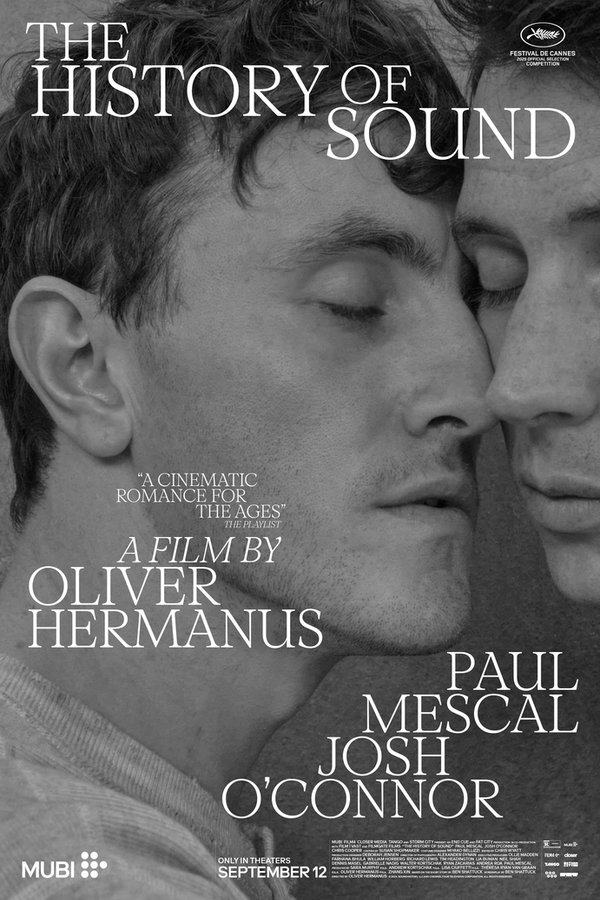
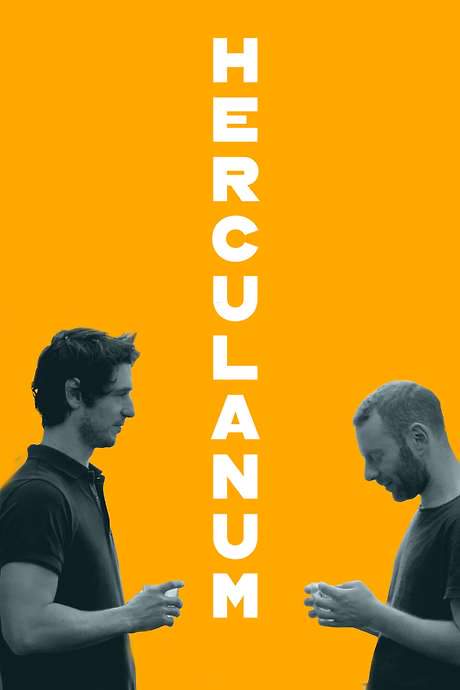
In 1978, during the Years of Lead in Italy, a shy medical student named Pietro discovers a film screening at the Nuovo Olimpo, a cinema run by the exuberant Titti. The venue also serves as a space where gay men congregate, adding a charged undercurrent to the night. There, he meets Enea, a bold film student who radiates confidence and charm. An immediate pull draws them together, and Enea invites Pietro to a private moment in the theater’s bathroom. Pietro hesitates, torn between restraint and desire. Soon after, Enea shares the encounter with a friend and lover, Alice, who responds with practical support by lending him the key to her grandmother’s unoccupied apartment. The next day, they reunite at the theater and consummate their connection, spending a night that deepens their budding feelings. They plan to meet again at the Nuovo Olimpo, and Pietro even arranges a dinner at a nearby trattoria, promising to return after a hospital visit to his mother. But outside, a protest erupts, turning violent, and chaos spills from the streets into the theater. Titti helps Enea slip away, and he searches for Pietro in vain as contact between them slips through their fingers.
A decade later, in 1988, the two men live very different lives. Enea has become a successful director, known for a film that fictionalizes their brief romance, while Pietro has married Giulia and built a conventional life. When they and their partners watch Enea’s film, Pietro is overwhelmed by the parallels to his own past, and Giulia grows increasingly wary of his emotional reaction. Seeking closure or perhaps closure’s illusion, Pietro returns to the Nuovo Olimpo, now repurposed as an adult movie theater. There he encounters Ernesto, a figure from the earlier chapter who reveals that Enea’s rise as a filmmaker is real. At a party, Enea meets another man, Antonio, and their immediate chemistry hints at a different love story that has developed in the years since their first kiss.
In 1993, a train scene unfolds as Enea, Antonio, and Alice prepare for a film festival. Enea is shaken by the news of Federico Fellini’s passing and glances out the window to glimpse Pietro and Giulia on a neighboring train. The moment passes without a word, and later, Pietro—now an ophthalmologist—watches a televised interview with Enea at a festival. While shopping, Enea spots Titti, who reminds him that Pietro left a letter bearing his phone number. He attempts to call, only to find the number disconnected. The beloved film Pietro and Enea watched together resurfaces on television, and both men watch with their partners, a reminder of what could have been. Driven by the past, Pietro travels to Rome and confronts Enea at a press conference, where Enea publicly credits his relationship with Antonio for his decision to come out. Pietro leaves with a heavy mix of hope and disappointment, while Enea remains haunted by the letter and memories that won’t fade.
Fast-forward to 2015, when Enea is directing his fourteenth film. A stunt goes wrong, and he is rushed to the hospital with glass powder briefly blinding him. The operating surgeon is Pietro, who recognizes the man he once loved. The operation is successful, and Enea recovers behind a bandage that hides his eyes for a week. In the recovery room and during treatment consultations, Enea recognizes Pietro’s voice and invites him to visit the apartment that once belonged to Alice’s grandmother. They exchange cautious, carefully worded words, but Pietro leaves before Enea can reveal himself fully behind the bandages. Back home, Giulia invites Enea to dinner at her and Pietro’s house, and the tension between past and present thickens. Giulia notices the intense stare they share and, sensing a history neither can fully ignore, urges Pietro to pursue what his heart still remembers. After a farewell dinner, the two men meet again in the street. They recognize that their lives have diverged too much to reclaim what they had, yet they part with a mutual commitment not to forget the chapter that first brought them together, a chapter that still lingers like a faint, stubborn film on their hearts.













-hbTR_oK2SWsInw.jpg)


