Year: 2004
Runtime: 80 min
Language: French
Director: Jean-Luc Godard
This film explores themes of violence, media influence, and ethical dilemmas through a unique three-part structure. The first segment, "Hell," contrasts graphic war imagery with cinematic representations, prompting reflection on the portrayal of conflict. Subsequently, "Purgatory" follows two journalists traveling to Sarajevo, where they grapple with the increasingly ambiguous relationship between artistic expression and the harsh realities they witness.
Warning: spoilers below!
Haven’t seen Notre musique yet? This summary contains major spoilers. Bookmark the page, watch the movie, and come back for the full breakdown. If you're ready, scroll on and relive the story!
Trace every key event in Notre musique (2004) with our detailed, chronological timeline. Perfect for unpacking nonlinear stories, spotting hidden connections, and understanding how each scene builds toward the film’s climax. Whether you're revisiting or decoding for the first time, this timeline gives you the full picture.
Last updated: November 15, 2024 at 16:28
Find frequently asked questions about the Notre musique (2004) timeline, including chronological order, nonlinear jumps, cause-and-effect links, and scene sequence clarifications. This timeline FAQ helps explain when key events happen, how moments connect, and why the story unfolds in that specific order.
The three-part structure (Hell, Purgatory, Heaven) serves as an allegorical framework for examining human conflict and redemption. Hell represents the reality of war through documentary footage, Purgatory depicts the ongoing struggle for understanding through dialogue and philosophical inquiry, and Heaven offers an ambiguous, serene conclusion that leaves questions of salvation and resolution open.
The Hell segment contrasts real war footage with fictional cinematic representations, forcing viewers to confront how media shapes our understanding of conflict. Godard uses this to critique the desensitizing effect of repeated war imagery and question whether cinema itself can adequately represent violence.
Godard argues that conventional shot/reverse shot diminishes the uniqueness of individual characters by forcing them into a rigid visual relationship. He contends this technique can serve as propaganda by controlling how viewers perceive characters and their perspectives, particularly in conflicts where moral clarity is complex.
After the conference, a young woman enters a theater claiming to have a bomb and demands that someone die with her for Israeli-Palestinian peace. The audience flees in panic, police arrive and shoot her, and her bag is found to contain only books. Ramos later suspects the woman may have been his niece Olga.
The earlier discussion between Olga and Ramos about the philosophical implications of suicide hints at her possible vulnerability.
The film deliberately leaves this ambiguous. Ramos suspects the woman might be Olga based on circumstances, but this is never confirmed. The uncertainty reflects the film's broader theme of unclear boundaries between fiction and reality, and the difficulty of knowing the truth in situations of violence.
The Heaven epilogue shows Olga wandering peacefully by a lake watched over by American marines. This surreal, ambiguous ending suggests possible salvation, afterlife, or continued surveillance. The serene setting contrasts sharply with the preceding violence, leaving open whether Olga survived, died, or exists in some symbolic space between realities.
The tragic theater incident directly precedes this peaceful yet unsettling finale.
Judith Lerner visits the Mostar bridge to reflect on Emmanuel Levinas's philosophy, particularly his work Entre Nous. The bridge represents both physical and symbolic connection between divided peoples. Levinas's ethics of responsibility to the 'Other' informs her exploration of Israeli-Palestinian relations, suggesting that understanding requires confronting the other's perspective.
Their philosophical conversation about suicide explores themes of despair, identity, and whether extreme acts can carry meaning in the face of intractable political violence. The discussion foreshadows the theater incident and reflects the film's broader meditation on whether personal sacrifice can catalyze political change.
As a journalist from Tel Aviv, Judith actively pursues dialogue about Jewish-Palestinian relations. She approaches the French ambassador seeking 'not a just conversation; just a conversation,' emphasizing that dialogue itself matters more than achieving resolution. Her conversations with poet Mahmoud Darwish explore how Israeli identity shapes the Palestinian struggle.
Godard's return to tending his garden represents a retreat from the intense political and philosophical discussions into private life. This moment contrasts public discourse with personal solitude, suggesting that while big ideas are exchanged at conferences, individuals ultimately return to their everyday routines, a quiet reflection on the limits of intellectual engagement.
Discover curated groups of movies connected by mood, themes, and story style. Browse collections built around emotion, atmosphere, and narrative focus to easily find films that match what you feel like watching right now.
Slow, philosophical films exploring the ethical ruins of conflict.Discover movies like Notre musique that explore war from a philosophical and ethical perspective. If you appreciated the slow, reflective pace and heavy emotional weight of Notre musique, you'll find similar contemplative journeys here.
Stories in this thread often follow journalists, artists, or intellectuals as they navigate post-conflict zones or engage with the legacy of violence. The plot is typically driven by dialogue, reflection, and ethical dilemmas rather than traditional action, leading to ambiguous or bittersweet conclusions that prioritize thought over resolution.
These films are grouped together because they share a specific mood: a slow, melancholic, and deeply intellectual engagement with the aftermath of war. They prioritize ethical questioning and artistic responsibility, creating a coherent viewing experience for those seeking thoughtful, rather than thrilling, war stories.
Intellectual films questioning the role of art and language in a violent world.Find movies similar to Notre musique that delve into the ethics of art and journalism. If you were captivated by the complex structure and profound themes of artistic responsibility in Notre musique, this collection offers more intellectually demanding stories.
Narratives in this thread are often non-linear or segmented, mirroring the structure of an essay with distinct parts or arguments. The central conflict is typically an internal, philosophical one, as characters—often writers, filmmakers, or journalists—grapple with the moral implications of their work and its impact on the world they document.
These movies are united by their shared focus on meta-textual themes: the ethics of representation, the power of media, and the responsibility of the artist. They combine a complex narrative structure with a heavy, thought-provoking mood, creating a distinct category for intellectually ambitious cinema.
Don't stop at just watching - explore Notre musique in full detail. From the complete plot summary and scene-by-scene timeline to character breakdowns, thematic analysis, and a deep dive into the ending - every page helps you truly understand what Notre musique is all about. Plus, discover what's next after the movie.
Read a complete plot summary of Notre musique, including all key story points, character arcs, and turning points. This in-depth recap is ideal for understanding the narrative structure or reviewing what happened in the movie.
Discover the characters, locations, and core themes that shape Notre musique. Get insights into symbolic elements, setting significance, and deeper narrative meaning - ideal for thematic analysis and movie breakdowns.
Discover movies like Notre musique that share similar genres, themes, and storytelling elements. Whether you’re drawn to the atmosphere, character arcs, or plot structure, these curated recommendations will help you explore more films you’ll love.
Notre musique (2004) Plot Summary & Movie Recap
Notre musique (2004) Scene-by-Scene Movie Timeline
Notre musique (2004) Spoiler-Free Summary & Key Flow
Movies Like Notre musique – Similar Titles You’ll Enjoy
No Man's Land (2001) Movie Recap & Themes
War Photographer (2002) Complete Plot Breakdown
Marooned in Iraq (2003) Film Overview & Timeline
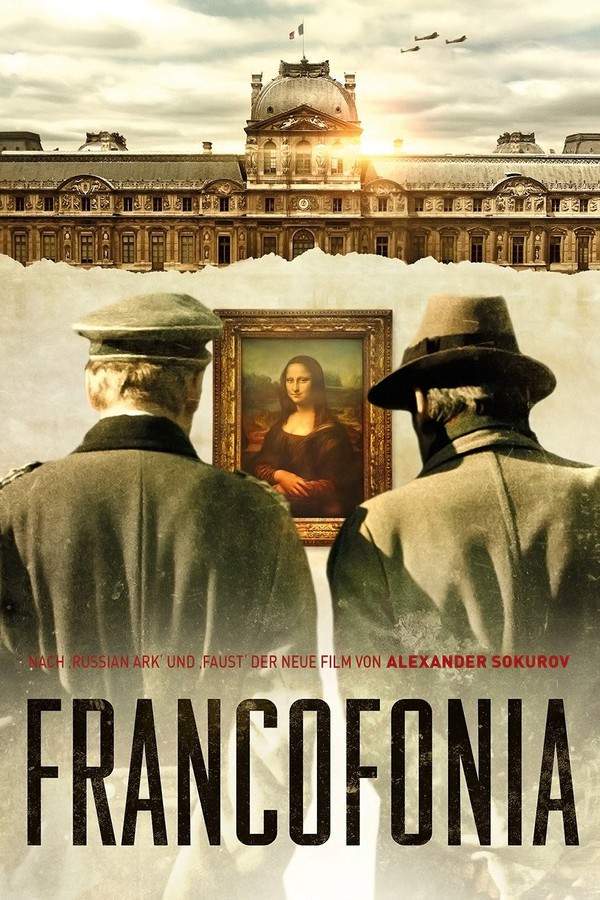
Francofonia (2016) Full Movie Breakdown
Taking Sides (2003) Complete Plot Breakdown
Incendies (2011) Full Movie Breakdown
Ararat (2002) Full Summary & Key Details
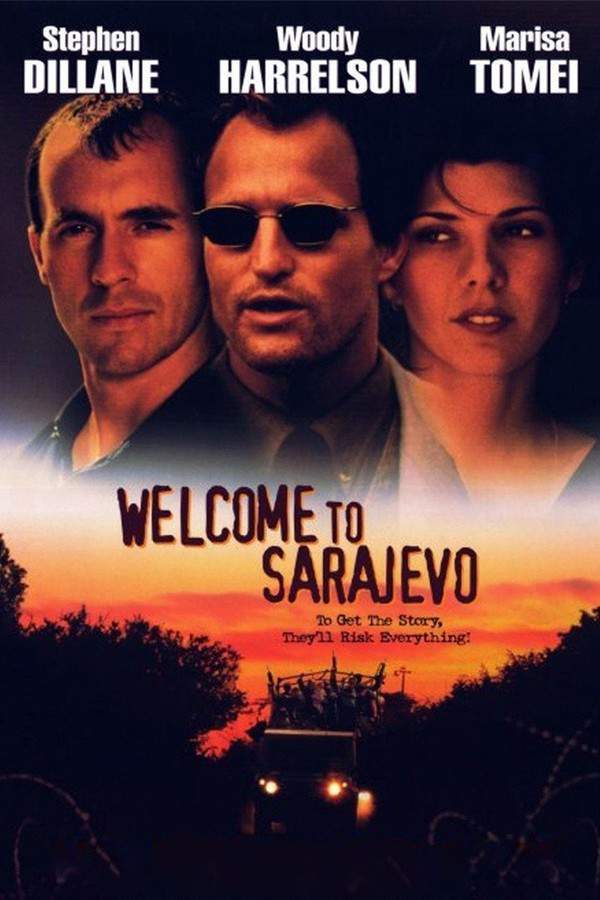
Welcome to Sarajevo (1997) Plot Summary & Ending Explained
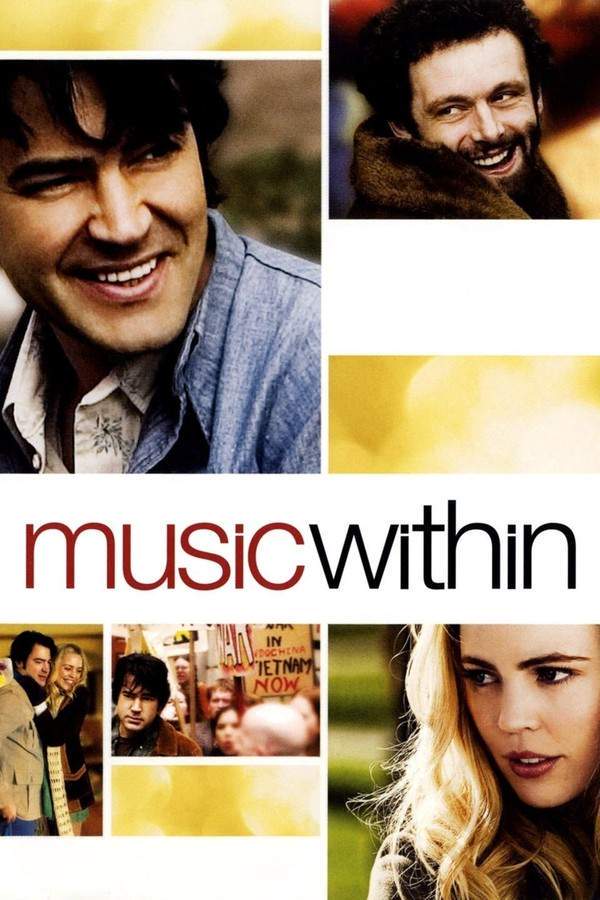
Music Within (2007) Plot Summary & Ending Explained
Sympathy for the Devil (2019) Movie Recap & Themes
The Concert (1954) Detailed Story Recap
Nahla (1979) Complete Plot Breakdown
The Troubles We’ve Seen (1994) Detailed Story Recap
For Ever Mozart (1996) Complete Plot Breakdown
Beirut, Oh Beirut (1975) Detailed Story Recap