Year: 2004
Runtime: 80 min
Language: French
Director: Jean-Luc Godard
This film explores themes of violence, media influence, and ethical dilemmas through a unique three-part structure. The first segment, "Hell," contrasts graphic war imagery with cinematic representations, prompting reflection on the portrayal of conflict. Subsequently, "Purgatory" follows two journalists traveling to Sarajevo, where they grapple with the increasingly ambiguous relationship between artistic expression and the harsh realities they witness.
Warning: spoilers below!
Haven’t seen Notre musique yet? This summary contains major spoilers. Bookmark the page, watch the movie, and come back for the full breakdown. If you're ready, scroll on and relive the story!
Explore the full timeline and setting of Notre musique (2004). Follow every major event in chronological order and see how the environment shapes the story, characters, and dramatic tension.
Last updated: October 22, 2024 at 21:52
Meet the key characters of Notre musique (2004), with detailed profiles, motivations, and roles in the plot. Understand their emotional journeys and what they reveal about the film’s deeper themes.
Last updated: October 22, 2024 at 21:52
Explore the central themes of Notre musique (2004), from psychological, social, and emotional dimensions to philosophical messages. Understand what the film is really saying beneath the surface.
Last updated: October 22, 2024 at 21:52
Browse frequently asked questions about Notre musique (2004) focused on characters, relationships, themes, symbols, setting, and story context. This movie info FAQ gives spoiler-aware explanations for character arcs, world details, and thematic interpretation so readers can better understand what the film is really about.
The film takes place primarily in Sarajevo and Mostar, two cities in Bosnia and Herzegovina. Sarajevo serves as the main backdrop for the story, while Mostar appears as a significant location featuring its iconic bridge, symbolizing the intersection of cultures and histories.
Sarajevo's complex history and cultural diversity make it a powerful setting for discussions about Jewish-Palestinian relations and the impacts of war. The city itself becomes a symbol of conflict and reconciliation, providing a real-world context for the film's philosophical explorations.
The film is set in the contemporary era, specifically during a period marked by geopolitical tensions related to the Israeli-Palestinian conflict. This modern setting reflects the ongoing challenges of achieving peace and dialogue in regions affected by violence.
The film explores peace through characters discussing Jewish-Palestinian relations, critiquing the barriers to genuine dialogue and understanding. It highlights personal and cultural struggles in the quest for harmony, showing how difficult it is to achieve reconciliation across deep historical divides.
The film examines art as a means of exploring identity through Godard's critique of cinematic techniques and Olga's participation in his lecture. It underscores how art reflects complex human experiences and the shared narratives that shape cultures, using the filmmaking process itself as a subject of inquiry.
Existential themes emerge through philosophical discussions between Ramos and Olga about life and death. The film delves into the meaning of existence in the face of violence and chaos, prompting reflections on personal choice and societal conditions.
Jean-Luc Godard is portrayed by Nade Dieu as a filmmaker who embodies intellectual critique and philosophical inquiry. His character navigates themes of war and identity while challenging conventional cinematic narratives, serving as a vehicle for the film's meta-commentary on film itself.
Ramos Garcia, played by Rony Kramer, is a French Israeli interpreter who balances personal joy with the weight of his cultural identity. His character reflects both hope and despair in the context of the conference, embodying the complex intersections of national and personal identity.
Olga Brodsky, portrayed by Sarah Adler, is a young woman caught between cultures and the heavy legacy of history. Her character engages deeply with philosophical questions about existence and the consequences of human action, serving as a central figure in the film's exploration of personal and collective memory.
The film uses Sarajevo as a backdrop for discussions about Jewish-Palestinian relations, presenting characters who grapple with the complexities of this conflict. It explores the barriers to dialogue and understanding, reflecting broader themes of reconciliation and mutual recognition.
The film is divided into three segments titled 'Hell,' 'Purgatory,' and 'Heaven.' This structure creates an allegorical journey: 'Hell' contrasts real war imagery with cinematic representations, 'Purgatory' follows journalists in Sarajevo grappling with art and reality, and 'Heaven' offers a brief, serene, yet ambiguous finale.
The film critiques how war is portrayed in media, particularly in the 'Hell' segment which contrasts graphic war imagery with cinematic representations. It prompts reflection on the ethical responsibilities of depicting conflict and questions whether artistic representation can ever responsibly capture the reality of violence.
Discover curated groups of movies connected by mood, themes, and story style. Browse collections built around emotion, atmosphere, and narrative focus to easily find films that match what you feel like watching right now.
Slow, philosophical films exploring the ethical ruins of conflict.Discover movies like Notre musique that explore war from a philosophical and ethical perspective. If you appreciated the slow, reflective pace and heavy emotional weight of Notre musique, you'll find similar contemplative journeys here.
Stories in this thread often follow journalists, artists, or intellectuals as they navigate post-conflict zones or engage with the legacy of violence. The plot is typically driven by dialogue, reflection, and ethical dilemmas rather than traditional action, leading to ambiguous or bittersweet conclusions that prioritize thought over resolution.
These films are grouped together because they share a specific mood: a slow, melancholic, and deeply intellectual engagement with the aftermath of war. They prioritize ethical questioning and artistic responsibility, creating a coherent viewing experience for those seeking thoughtful, rather than thrilling, war stories.

Intellectual films questioning the role of art and language in a violent world.Find movies similar to Notre musique that delve into the ethics of art and journalism. If you were captivated by the complex structure and profound themes of artistic responsibility in Notre musique, this collection offers more intellectually demanding stories.
Narratives in this thread are often non-linear or segmented, mirroring the structure of an essay with distinct parts or arguments. The central conflict is typically an internal, philosophical one, as characters—often writers, filmmakers, or journalists—grapple with the moral implications of their work and its impact on the world they document.
These movies are united by their shared focus on meta-textual themes: the ethics of representation, the power of media, and the responsibility of the artist. They combine a complex narrative structure with a heavy, thought-provoking mood, creating a distinct category for intellectually ambitious cinema.
Don't stop at just watching - explore Notre musique in full detail. From the complete plot summary and scene-by-scene timeline to character breakdowns, thematic analysis, and a deep dive into the ending - every page helps you truly understand what Notre musique is all about. Plus, discover what's next after the movie.
Read a complete plot summary of Notre musique, including all key story points, character arcs, and turning points. This in-depth recap is ideal for understanding the narrative structure or reviewing what happened in the movie.
Track the full timeline of Notre musique with every major event arranged chronologically. Perfect for decoding non-linear storytelling, flashbacks, or parallel narratives with a clear scene-by-scene breakdown.
Discover movies like Notre musique that share similar genres, themes, and storytelling elements. Whether you’re drawn to the atmosphere, character arcs, or plot structure, these curated recommendations will help you explore more films you’ll love.
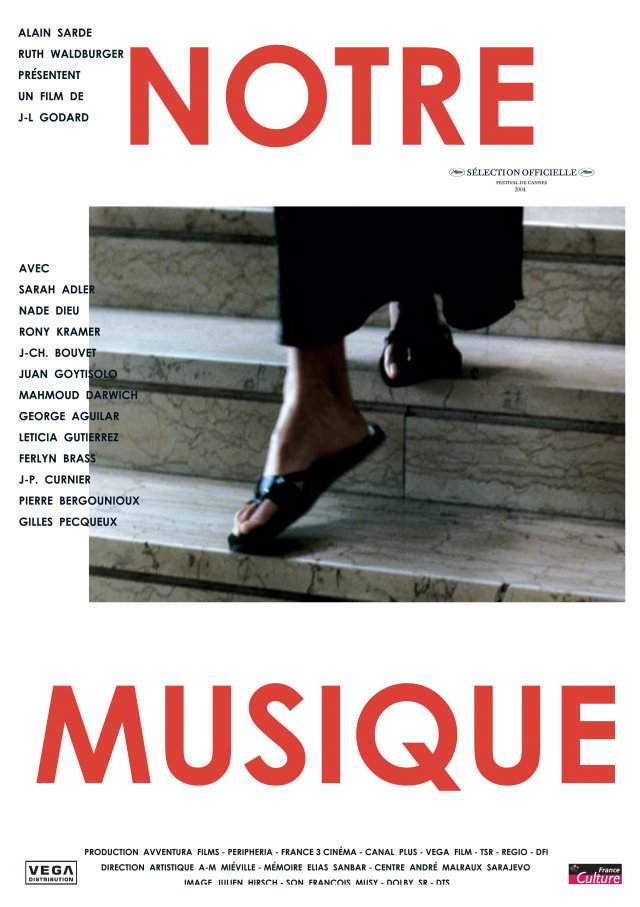
Notre musique (2004) Plot Summary & Movie Recap
Notre musique (2004) Scene-by-Scene Movie Timeline
Notre musique (2004) Spoiler-Free Summary & Key Flow
Movies Like Notre musique – Similar Titles You’ll Enjoy
No Man's Land (2001) Movie Recap & Themes
War Photographer (2002) Detailed Story Recap
Marooned in Iraq (2003) Story Summary & Characters
Francofonia (2016) Ending Explained & Film Insights
Taking Sides (2003) Film Overview & Timeline
Incendies (2011) Full Summary & Key Details
Ararat (2002) Full Summary & Key Details
Welcome to Sarajevo (1997) Ending Explained & Film Insights
Music Within (2007) Full Movie Breakdown
Sympathy for the Devil (2019) Full Summary & Key Details
The Concert (1954) Movie Recap & Themes
Nahla (1979) Ending Explained & Film Insights
The Troubles We’ve Seen (1994) Full Summary & Key Details
For Ever Mozart (1996) Plot Summary & Ending Explained
Beirut, Oh Beirut (1975) Story Summary & Characters