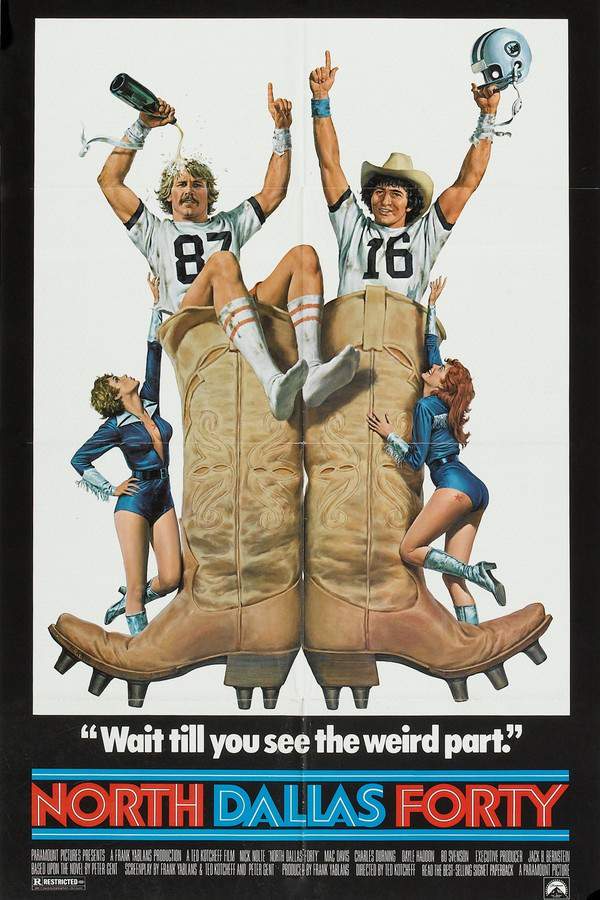
A veteran wide receiver struggles against the demanding coaches and rigid team structure of a professional football franchise. His refusal to conform and independent nature creates conflict, exposing the intense pressure and harsh realities hidden behind the glamorous facade of the sport. The film offers a cynical look at the business of professional football and the toll it takes on the players.
Find where to stream, rent, or buy North Dallas Forty (1979) in the US with current JustWatch availability, up-to-date pricing, and platform listings for subscription, rental, and digital purchase options.
Warning: spoilers below!
Haven’t seen North Dallas Forty yet? This summary contains major spoilers. Bookmark the page, watch the movie, and come back for the full breakdown. If you're ready, scroll on and relive the story!
Trace every key event in North Dallas Forty (1979) with our detailed, chronological timeline. Perfect for unpacking nonlinear stories, spotting hidden connections, and understanding how each scene builds toward the film’s climax. Whether you're revisiting or decoding for the first time, this timeline gives you the full picture.
Last updated: November 16, 2024 at 15:09
Find frequently asked questions about the North Dallas Forty (1979) timeline, including chronological order, nonlinear jumps, cause-and-effect links, and scene sequence clarifications. This timeline FAQ helps explain when key events happen, how moments connect, and why the story unfolds in that specific order.
Phil dreams of retiring to a simpler life running a horse farm with his girlfriend Charlotte. He's tired of the demanding coaches, rigid team structure, and the toxic environment of drugs, sex, and excessive partying that surrounds professional football. After years of physical toll and being benched despite his skills, he sees leaving as his only path to peace.
Earlier scenes show Phil repeatedly expressing longing for a quiet life away from the chaos of the Bulls.
Even though Phil is celebrated as having 'the best hands in the game,' he's aging and the team increasingly views him as past his prime. The coaches prioritize current performance metrics and younger players over his experience. His rebellious attitude toward the team's culture also puts him at odds with Coach Strother, who warns him his attitude could jeopardize his future.
The summary notes Phil is increasingly dependent on painkillers, reflecting his physical decline.
In a key locker room scene, player Shaddock confronts assistant Coach Johnson about the team's contradictory priorities. Shaddock points out that whenever he calls football a 'game,' the coaches call it a 'business,' and whenever he calls it a 'business,' they call it a 'game.' This highlights the central tension of the film: the team treats players as commodities for profit while demanding they sacrifice their bodies and well-being.
This confrontation establishes the film's cynical view of professional football's dual nature.
The coaches pressure Phil into coercing a younger rookie into using painkillers because they want to ensure the rookie performs at peak levels regardless of injury. This demonstrates the exploitative nature of the organization - they prioritize winning over player health and are willing to manipulate veterans into enabling the destructive cycle. It's a power play that shows how deeply corruption runs in the team culture.
Phil himself is already dependent on painkillers, making him an easy tool for this manipulation.
When Seth Maxwell throws Phil a farewell football and Phil lets it hit him in the chest and fall to the ground, it symbolizes his definitive break from the sport. Rather than catching it - which would mean accepting one last gesture of camaraderie from the football world - he lets it drop, representing his complete severance from the game he once loved. It's a powerful moment of choosing his own terms over the sport that defined him.
This final gesture echoes Phil's repeated statements about wanting to leave and his resignation speech about not needing their money.
The team owners, including Conrad Hunter, inform Phil that a Dallas detective has been surveilling him. They present evidence of his marijuana use and his affair with Joanne, who is engaged to team executive Emmett Hunter. While similar surveillance exists on quarterback Maxwell, his indiscretions are ignored. The suspension appears to be a strategic maneuver to void Phil's contract and avoid paying him, using his personal conduct as a pretext.
This revelation comes after the season ends, showing the team's calculated nature.
Charlotte is portrayed as financially sound and completely disinterested in the world of football because she comes from an affluent family and receives a trust fund. She supports Phil emotionally and financially, representing the stable, normal life he craves. Her detachment from football underscores the contrast between Phil's current world and the simpler life he desires.
Charlotte's financial independence is mentioned early, establishing her as Phil's escape route.
When Phil encounters Maxwell outside the Bulls headquarters, Maxwell reveals he was aware of the detective's investigation the entire time. This revelation adds a layer of betrayal and complexity to their relationship. Maxwell's knowledge but continued silence suggests he chose self-preservation over loyalty to his teammate, highlighting the cutthroat nature of professional football where even close relationships are secondary to personal survival.
The summary notes Maxwell is also under surveillance but his indiscretions are conveniently ignored.
Phil resigns because he's completely disillusioned with the team's tactics and the entire professional football system. When informed of his suspension without pay - a transparent maneuver to void his contract - he declares he doesn't need their money. This represents his ultimate act of rebellion: walking away on his own terms rather than continuing to battle an organization that has exploited him and others. It's the culmination of his rebellious nature throughout the film.
Phil's repeated conflicts with Coach Strother and his dream of leaving have been building to this moment.
The Dallas detective's surveillance produced evidence of Phil's marijuana use and his affair with Joanne, who was engaged to team executive Emmett Hunter. The team owners also insinuate that Emmett may be gay, suggesting they have information about that relationship as well. However, similar evidence exists against quarterback Maxwell but is ignored, exposing the selective and politically motivated nature of the investigation.
The film establishes early that the organization selectively enforces rules based on their strategic interests.
In the season finale, Phil successfully catches a touchdown pass that brings the Bulls to within one point of their Chicago rivals. However, a botched extra point attempt - the kick that would have given them the lead - results in their defeat. This heartbreaking loss underscores the fragile nature of success in professional sports, where a single mistake can undo an entire game's effort.
This moment represents Phil's last significant contribution to the team, highlighting both his skill and the cruel randomness of the sport.
Phil's rebellious spirit and refusal to conform to the team's rigid structure puts him constantly at odds with Coach Strother. While Strother overlooks off-field antics to keep players fit for games, he demands loyalty and obedience. Phil's independent nature and willingness to challenge the system directly contradicts Strother's authoritarian approach. Strother explicitly warns Phil that his attitude could jeopardize his future, making their conflict a central dynamic of the film.
Their confrontations occur throughout the film, building tension until Phil's ultimate departure.
Discover curated groups of movies connected by mood, themes, and story style. Browse collections built around emotion, atmosphere, and narrative focus to easily find films that match what you feel like watching right now.
Stories exposing the disillusionment of individuals fighting soulless institutions.If you liked the biting critique of professional football in North Dallas Forty, explore more movies like it. This thread features similar satirical dramas and comedies about individuals rebelling against exploitative systems, capturing that same feeling of disillusioned rebellion.
The narrative typically involves a protagonist who initially buys into a system's ideals, only to become disillusioned by its corrupt or dehumanizing practices. Their rebellion is often personal and costly, leading to a bittersweet victory where they reclaim their integrity but at the expense of their place within that world.
Movies are grouped here for their shared cynical tone, focus on systemic corruption, and the central theme of an individual's rebellion against an impersonal authority. They balance dramatic weight with satirical observation, creating a specific vibe of intelligent disillusionment.

Behind-the-scenes stories revealing the painful reality of glamorous professions.Fans of North Dallas Forty who appreciated its unflinching look at the dark side of professional sports will find more movies like it here. These films deconstruct glamorous worlds to show the personal cost and harsh realities faced by the people living the dream.
The narrative pattern involves immersing the viewer in a high-stakes, enviable world only to systematically dismantle its glamorous image. The protagonist, often a veteran of this world, grapples with the disparity between public perception and private suffering, leading to a crisis that forces them to confront the true cost of their life.
These films are connected by their shared goal of demystifying a celebrated institution or lifestyle. They create a cohesive experience through a bittersweet or melancholic mood, a steady pacing that allows for contemplation, and a focus on the psychological and physical exploitation hidden beneath success.
Don't stop at just watching - explore North Dallas Forty in full detail. From the complete plot summary and scene-by-scene timeline to character breakdowns, thematic analysis, and a deep dive into the ending - every page helps you truly understand what North Dallas Forty is all about. Plus, discover what's next after the movie.
Read a complete plot summary of North Dallas Forty, including all key story points, character arcs, and turning points. This in-depth recap is ideal for understanding the narrative structure or reviewing what happened in the movie.
Discover the characters, locations, and core themes that shape North Dallas Forty. Get insights into symbolic elements, setting significance, and deeper narrative meaning - ideal for thematic analysis and movie breakdowns.
Discover movies like North Dallas Forty that share similar genres, themes, and storytelling elements. Whether you’re drawn to the atmosphere, character arcs, or plot structure, these curated recommendations will help you explore more films you’ll love.
North Dallas Forty (1979) Plot Summary & Movie Recap
North Dallas Forty (1979) Scene-by-Scene Movie Timeline
North Dallas Forty (1979) Spoiler-Free Summary & Key Flow
Movies Like North Dallas Forty – Similar Titles You’ll Enjoy
Friday Night Lights (2004) Film Overview & Timeline
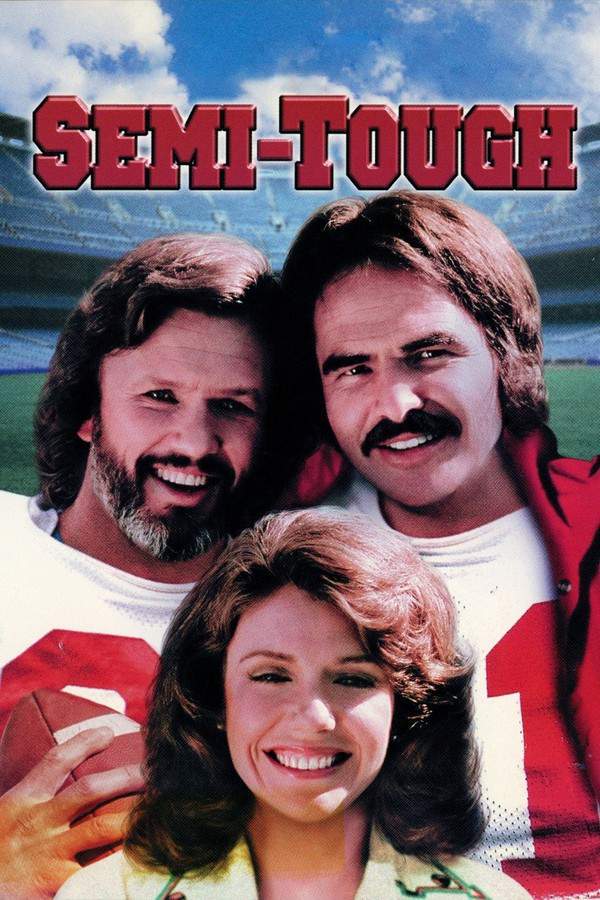
Semi-Tough (1977) Full Movie Breakdown
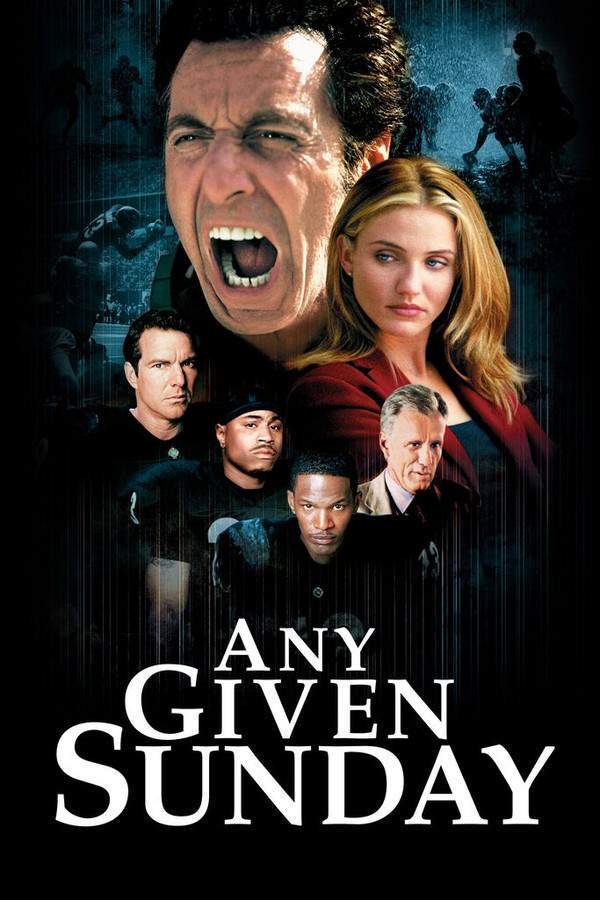
Any Given Sunday (1999) Detailed Story Recap
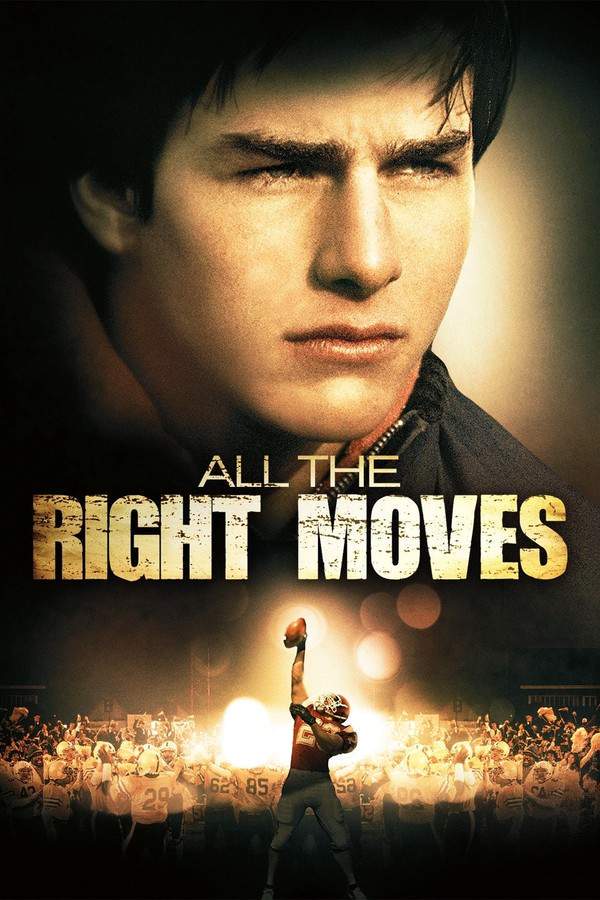
All the Right Moves (1983) Ending Explained & Film Insights
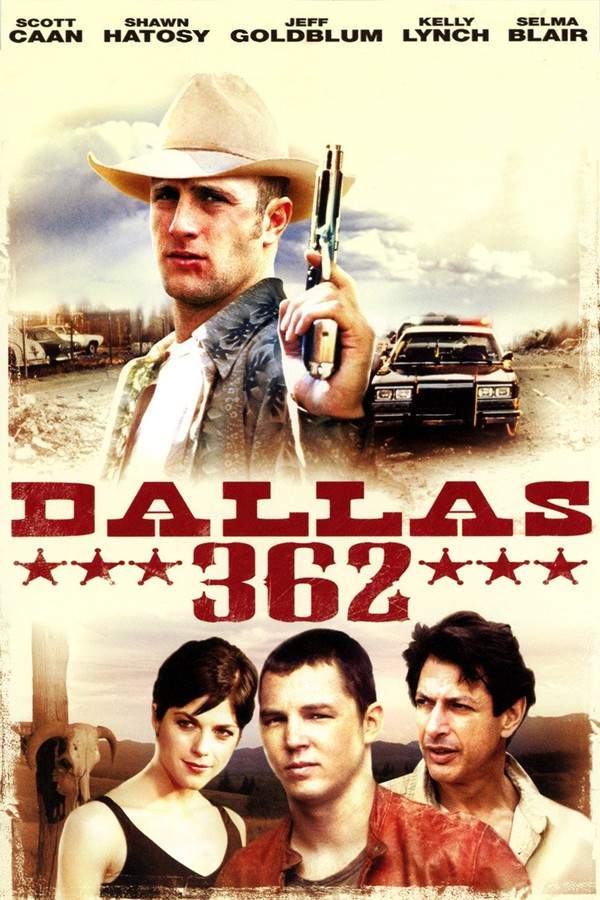
Dallas 362 (2005) Movie Recap & Themes
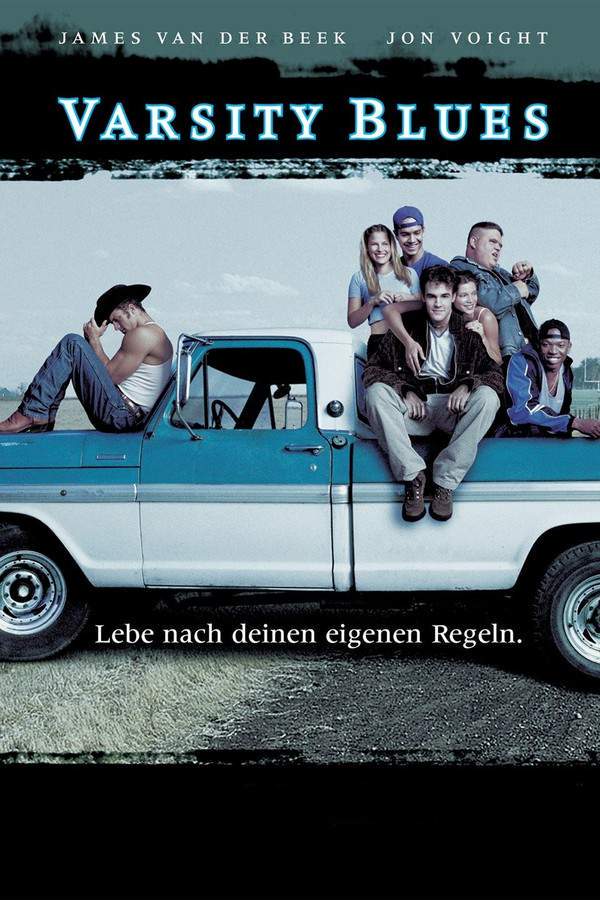
Varsity Blues (1999) Film Overview & Timeline
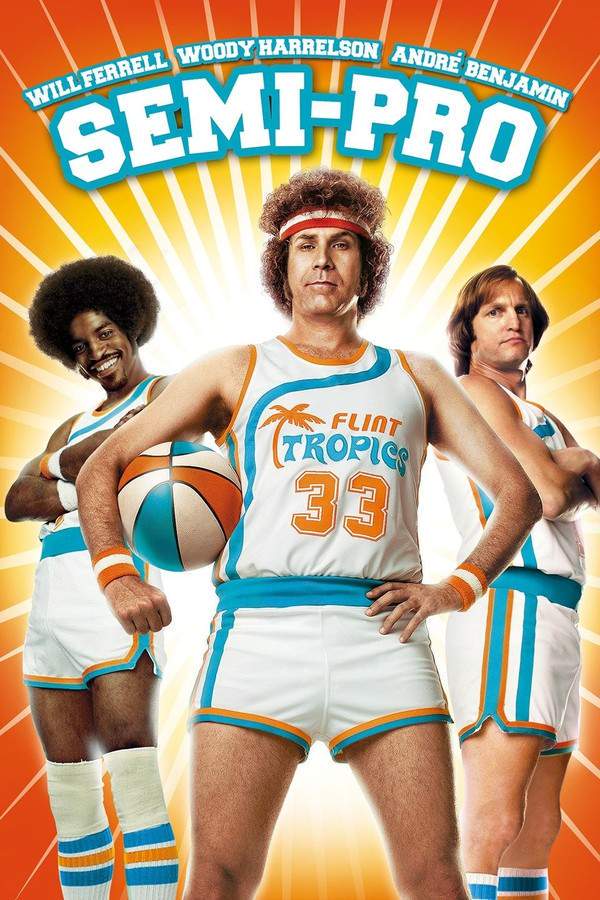
Semi-Pro (2008) Film Overview & Timeline
The Replacements (2000) Plot Summary & Ending Explained
The Program (1993) Detailed Story Recap
Friday Night (2003) Full Summary & Key Details
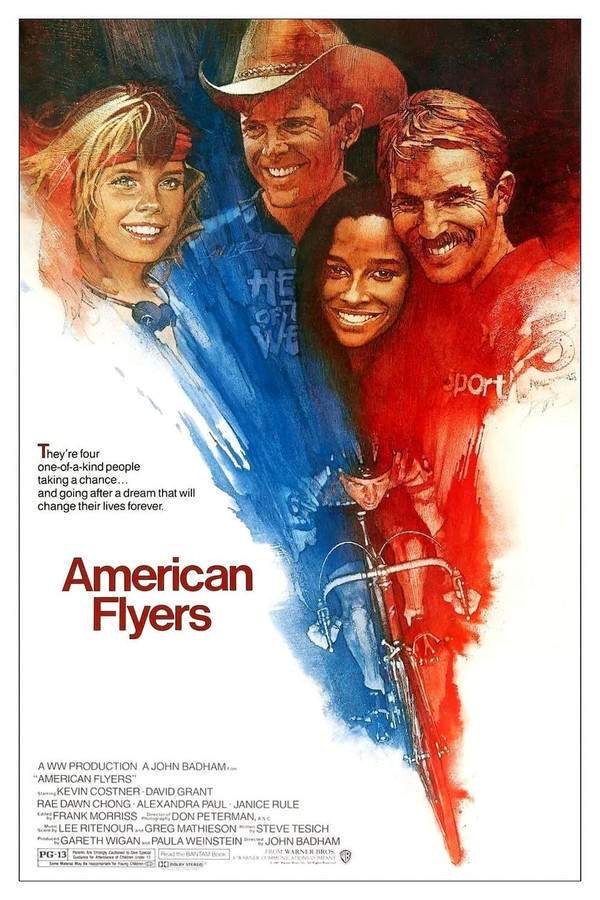
American Flyers (1985) Detailed Story Recap
Giants Being Lonely (2021) Story Summary & Characters
Undrafted (2016) Complete Plot Breakdown
Dallas Cowboys Cheerleaders (1979) Detailed Story Recap
Number One (1969) Detailed Story Recap