Plot Explained Spoilers guaranteed!
Plot Explained

Browse by genre

Any Given Sunday (1999) movie poster

Plot Summary

Any Given Sunday (1999) Plot Summary Explained

Release, runtime and language
1999 · 162 min · English
JustWatch #1,878 15
Directed by
Oliver Stone
Starring
Al Pacino, Dennis Quaid
Budget
$55M

The Miami Sharks football team faces turmoil both on and off the field as they struggle with a losing streak. Coach Tony DAmato battles declining fortunes, strained relationships with his family, and a power struggle with the team’s ambitious new president. The team’s aging players and dwindling fan support add to the pressure, especially for a veteran quarterback whose career is on the line. As the Sharks face adversity, DAmato must confront his personal demons and fight to save his team and his legacy.

On this page (6)
  1. 1 Where to watch
  2. 2 What happens: full plot
  3. 3 Plot questions answered
  4. 4 Movie threads
  5. 5 Movies like Any Given Sunday
  6. 6 Every angle

Where to watch

Where to Watch Any Given Sunday (1999)

Where can you watch Any Given Sunday? Stream, rent or buy it in the US, including on Philo, Starz and Fandango at Home Free: current JustWatch availability with up-to-date prices.

Streaming availability powered by JustWatch

Full plot summary · contains spoilers

What Happens in Any Given Sunday: Full Plot Summary

The whole story of Any Given Sunday (1999) explained, from the opening scene to the final frame: every key event, every twist and what it all adds up to. Read it as a quick recap before the sequel, to check a scene you missed, or to finally understand what really happened.

The Miami Sharks, once a formidable force in American football, find themselves in chaos as they strive to secure a spot in the 2001 AFFA (Associated Football Franchises of America) playoffs. Under the guidance of seasoned coach Tony D'Amato, who has dedicated thirty years to the game, the team faces significant challenges.

In a pivotal first game, which marks the thirteenth of the season, the Sharks experience a brutal setback when both starting quarterback Jack "Cap" Rooney and the backup Tyler Cherubini succumb to injuries triggered by shoddy offensive line performances. This misfortune leads to the phrase, “on any given Sunday, anything can happen.” As desperation sets in, the Sharks have no choice but to turn to their third-string quarterback, Willie Beamen (played by Jamie Foxx). Initially, Beamen's nerves get the best of him, resulting in a series of blunders that highlight his unfamiliarity with the playbook. For instance, he mistakenly lines up under the guard instead of the center, and later calls an audibles for a non-existent play. His anxiety culminates in a moment where he throws up in the huddle, a quirk he later continues throughout his games, reminiscent of Hall of Fame quarterback Jim Kelly. Despite the team's loss in this match, Beamen's performance is commendable and marks the beginning of his journey toward self-assurance.

As the season progresses, Beamen gradually finds his footing, quickly adapting to the offense, although he grows frustrated with the conservative strategies favored by Coach D'Amato. In a bold move, Beamen begins altering the plays during huddles without acknowledging the implications of such disrespect towards his coaches. Utilizing his extraordinary athletic talent, he smashes expectations, leading the Sharks to victory in the last three out of four games, ultimately finishing the season with a record of 9-7 and clinching a playoff spot. This surge in performance cultivates a sense of egotism in Beamen, who becomes known as “Steamin'” Willie Beamen, enjoying widespread recognition and lucrative advertising deals, including a music video.

However, the escalation of his fame leads to division within the Sharks' locker room and strained relations with the front office. D'Amato confronts Beamen regarding his changes to the plays, only to be met with a self-serving response. When D'Amato realizes that Beamen can't effectively lead the team, he returns Cap to the starting position as he recovers, relegating Beamen back to the bench. Struggling with a sense of self-pity and resentment over his past career, Beamen's rift with D'Amato deepens further when he learns just how much he still needs to mature to realize his potential.

The disdain escalates, compounded when Beamen becomes alienated from his teammates, culminating in a severe act of vandalism when his car is sawed in half at a party. In a critical home game that could have provided the Sharks with a home-field advantage in the playoffs, they suffer a humiliating defeat. However, a moment of introspection prompts Beamen to reevaluate his behavior.

In a thrilling playoff game, Miami achieves a dramatic comeback win against the Dallas Knights, securing a spot in the next round. The game sees Cap return as the starting quarterback and performing admirably until an injury forces him to be replaced by Beamen. During the climactic game-winning drive, Beamen takes the opportunity to apologize to his teammates in a show of unity.

In the aftermath, Miami triumphs over Minnesota for the conference championship but faces defeat against San Francisco in the Pantheon Cup Championship, echoing the events of Super Bowl XIX with a score of 32-13. At D'Amato's final press conference as head coach, any lingering conflicts are set aside, and he receives heartfelt gratitude from owner Christina Pagniacci (Cameron Diaz) and the media for his loyal service to the team. Yet, as he is expected to announce his retirement, he unexpectedly declares his new position as Head Coach and General Manager of the expansion team, the Albuquerque Aztecs. In a shocking twist, he announces that he has signed Beamen as his starting quarterback and franchise player after the Sharks failed to extend Beamen's contract mid-season. As the scene fades, Christina and the other executives express outrage towards Crozier over their failure to secure Beamen for the next season.

Initially, the media is rife with hysteria, but consensus emerges that this solution will benefit all parties—the continuing presence of Coach D'Amato and Crozier cannot coexist. It also provides Cap Rooney with the chance to remain as Miami's starting quarterback, affording him the dignity of retiring on his terms rather than facing relegation to a backup position.

Last updated: November 03, 2024 at 13:36

Was this helpful?

Plot questions answered

Any Given Sunday Plot Explained: Your Questions Answered

The questions people ask most about Any Given Sunday (1999): what happens in the confusing scenes, why the characters do what they do, the twists, hidden details and what the ending means. Each answer contains spoilers.

Q1

Why did both quarterbacks get injured in the same game?

Both starting quarterback Jack 'Cap' Rooney and backup Tyler Cherubini sustained injuries during the thirteenth game of the season due to poor offensive line performance. This double injury forced the team to turn to third-string quarterback Willie Beamen, who had no prior NFL experience. The phrase 'on any given Sunday, anything can happen' originates from this game, referencing the unpredictable nature of football where such catastrophic luck can strike at any moment.

Foreshadowing: Earlier in the season, the Sharks' offensive line had been struggling, setting the stage for this catastrophic injury cascade.

  • cap rooney injury
  • tyler cherubini injury
  • offensive line
  • third string quarterback
  • miami sharks injuries
Q2

Why did Willie Beamen start changing the plays?

Willie Beamen began altering plays during huddles because he grew frustrated with Coach D'Amato's conservative offensive strategies. Despite his lack of experience, Beamen possessed exceptional athletic talent and believed the conservative playbook limited the team's potential. His changes showcased his growing confidence but also demonstrated disrespect toward his coaches, creating a rift in the team's hierarchy.

Foreshadowing: During his debut, Beamen showed nerves but also made plays that hinted at his raw talent and willingness to take risks.

  • willie beamen plays
  • offensive strategy
  • coach damato conflict
  • play changes
  • quarterback authority
Q3

Why was Willie Beamen benched for Cap Rooney?

Coach D'Amato benched Beamen and returned Cap Rooney to the starting position because he realized Beamen couldn't effectively lead the team. Despite his physical talent, Beamen's self-centered attitude and inability to work within the team's framework made him a poor leader. When Cap recovered from his injury, D'Amato made the decision to restore him as starter, believing Cap's experience and leadership were essential for the team's success.

Foreshadowing: Earlier confrontations between D'Amato and Beamen revealed fundamental disagreements about teamwork and leadership that foreshadowed this benching.

  • cap rooney starting
  • quarterback controversy
  • team leadership
  • benching
  • miami sharks quarterback
Q4

What happened to Willie Beamen's car at the party?

At a team party, Willie Beamen's car was sawed in half by his teammates as a symbolic act of vandalism. This extreme act represented the growing divide between Beamen and the rest of the Sharks roster. His rising ego, fame, and disconnect from his teammates had alienated him from the locker room, leading to this hostile gesture that shocked even Beamen himself.

Foreshadowing: The vandalism was the culmination of escalating tension after Beamen became increasingly isolated from his teammates following his benching.

  • car sawed in half
  • team party vandalism
  • teammate conflict
  • willie beamen car
  • sharks locker room
Q5

Why did Tony D'Amato leave for the Albuquerque Aztecs?

Tony D'Amato left the Miami Sharks to become Head Coach and General Manager of the expansion team, the Albuquerque Aztecs. Though initially expected to announce his retirement, D'Amato chose to continue coaching rather than step away from the game. The move represented a new chapter in his career after thirty years with the Sharks, allowing him to build something from the ground up with a new franchise.

Foreshadowing: D'Amato's final press conference hinted at his desire to prove he could still compete, suggesting he wasn't ready for retirement.

  • albuquerque aztecs
  • coaching move
  • tony damato new team
  • expansion team
  • coach resignation
Q6

Why did D'Amato sign Beamen to the Aztecs?

D'Amato signed Willie Beamen as his starting quarterback and franchise player for the Albuquerque Aztecs because the Miami Sharks failed to extend Beaman's contract during the season. This shocking move surprised everyone, especially the Sharks' front office. D'Amato recognized Beamen's exceptional talent and believed he could develop him into a great quarterback, giving Beamen the opportunity to be 'the guy' on a new team while allowing Cap Rooney to remain Miami's starter.

Foreshadowing: The earlier conflict between D'Amato and Beamen revealed a complex relationship that evolved from tension to mutual respect.

  • willie beamen signed
  • franchise player
  • contract failure
  • new team
  • quarterback move
Q7

What does the title 'Any Given Sunday' mean in the movie?

The phrase 'on any given Sunday, anything can happen' is first spoken during the Sharks' disastrous thirteenth game when both quarterbacks went down with injuries. This phrase encapsulates the unpredictable nature of football where underdogs can win, favorites can lose, and fortunes can change in an instant. The title reflects the movie's theme that no outcome is guaranteed in sports or life, emphasizing the drama and uncertainty that defines professional football.

Foreshadowing: The origin of this phrase directly ties to the pivotal injury crisis that drives the entire second half of the movie.

  • movie title meaning
  • football unpredictability
  • any given sunday quote
  • anything can happen
  • sports drama theme
Q8

Why did the Sharks lose the Pantheon Cup Championship?

The Miami Sharks lost the Pantheon Cup Championship to San Francisco with a score of 32-13, echoing the real-life outcome of Super Bowl XIX where the Dolphins lost to the 49ers. Despite their dramatic playoff run and conference championship victory, the Sharks could not overcome San Francisco in the final. The loss represented the ultimate limitation of their underdog story, though the team had exceeded expectations by reaching the championship game at all.

Foreshadowing: The Sharks' inconsistent season and internal conflicts had weakened their chances against a strong San Francisco team.

  • pantheon cup loss
  • championship game
  • san francisco
  • final score
  • super bowl reference
Q9

Why did Willie Beamen apologize during the playoff game?

Willie Beamen apologized to his teammates during the climactic playoff drive against Dallas because he had previously been alienated from the locker room due to his ego and play-changing antics. After a moment of introspection following a humiliating home loss, Beamen realized the error of his ways. When he entered the game as a replacement for an injured Cap Rooney, he used the high-pressure moment to publicly acknowledge his mistakes and reconnect with his teammates, fostering unity during the crucial game-winning drive.

Foreshadowing: The home game heartbreak served as Beamen's wake-up call, prompting the character transformation that led to his apology.

  • playoff apology
  • team unity
  • dallas knights
  • comeback
  • quarterback redemption
Q10

What is Christina Pagniacci's role in the movie?

Christina Pagniacci is the owner of the Miami Sharks and represents the business side of professional football. She initially appears supportive of Coach D'Amato but becomes embroiled in the power struggle between him and Beamen. At D'Amato's final press conference, she thanks him for his loyal service. However, she expresses outrage when D'Amato announces he's taking Beamen to Albuquerque, as the Sharks lost both their coach and quarterback to the new expansion team.

Foreshadowing: The power struggle between D'Amato and Beamen always had executive implications, with Christina caught between supporting tradition and embracing change.

  • team owner
  • sharks executive
  • christina pagniacci
  • front office
  • business side football

Movie threads

More Movies Like Any Given Sunday, by Mood & Story

Curated lists built around what makes Any Given Sunday tick: the same mood, the same kind of story or the same emotional payoff. Each list explains why these movies belong together.

High-Octane Pressure Cooker Dramas like Any Given Sunday

Intense stories of professionals pushed to their breaking point. If the intense, high-stakes world of Any Given Sunday gripped you, explore more movies like it. This thread gathers similar gritty dramas about professionals in high-pressure environments, featuring power struggles, fierce competition, and stories where careers and legacies are on the line.

  • intense
  • gritty
  • anxious
  • high-stakes
  • confrontational
  • turbulent
  • Tone: tense, gritty, confrontational
  • Pacing: fast, relentless
Why these movies?

The story pattern: Stories in this thread typically follow a group of professionals (athletes, soldiers, traders) navigating a high-pressure season or event. The plot is driven by internal conflicts, rivalries, and the threat of failure, building towards a climax that tests the characters' resolve. The ending often provides a personal resolution for the protagonist, even if the overall goal isn't fully achieved.

Why they belong together: These films are grouped by their shared high intensity, fast pacing, and tense tone. They create a similar viewing experience of being in a pressure-cooker environment, focusing on the gritty realities of ambition, leadership, and survival within a competitive system.

Bittersweet Tales of Aging and Legacy like Any Given Sunday

Stories where veterans confront the end of their era. For viewers who appreciated the generational conflict and legacy themes in Any Given Sunday, this thread finds similar movies. Discover stories focused on aging professionals, the struggle to remain relevant, and the bittersweet endings that come with accepting change and finding new purpose.

  • bittersweet
  • reflective
  • generational conflict
  • aging
  • legacy
  • redemptive
  • Tone: tense, bittersweet, reflective
  • Pacing: steady, character-driven
Why these movies?

The story pattern: The narrative pattern involves an established figure facing obsolescence, often challenged by a newer, faster rival. The journey is one of reluctant adaptation and introspection, leading to an ending that mingles loss with a glimmer of hope or personal redemption. The final victory is often spiritual or personal rather than a outright triumph.

Why they belong together: This thread connects movies through their shared focus on generational conflict, the emotional weight of fading relevance, and a bittersweet narrative resolution. The tone balances the tension of competition with the melancholy of time's passage.
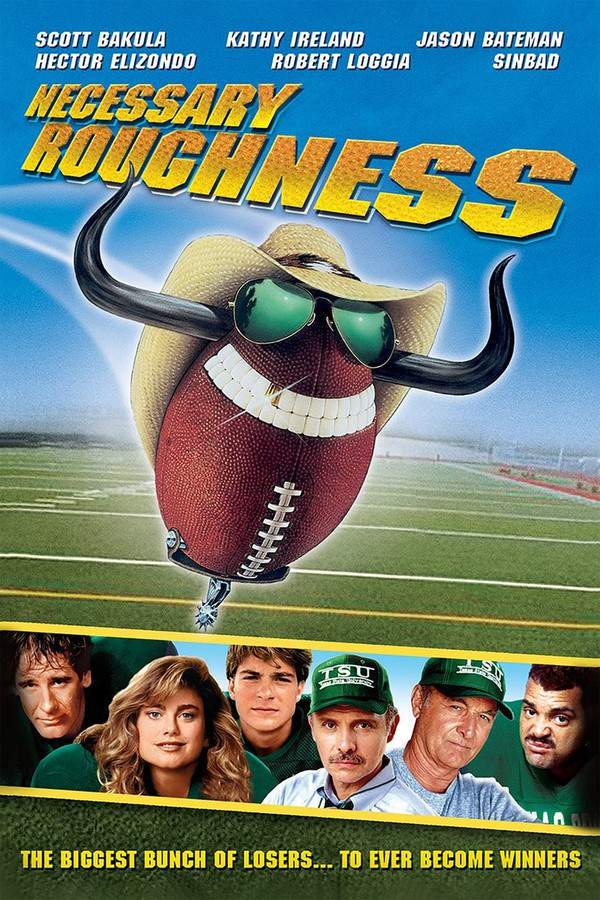
If you liked this

Movies Like Any Given Sunday

Similar movies to Any Given Sunday: the same genre, themes or kind of story. Each one comes with its own plot summary, timeline and ending explained.

Browse all movie summaries

Every angle

Any Given Sunday (1999) Explained: Plot, Timeline & Characters

Everything about Any Given Sunday in one place: what happens in the plot summary, the timeline in chronological order, the characters and meaning and a spoiler-free summary. What's After the Movie adds the cast, box office and post-credit scenes.

Coming soon on iOS and Android

The Plot Explained Movie Summary App

Plot summaries, endings explained and timelines on your phone. Catch up on any movie in minutes, save your favorites and never miss a twist again.

Be the first to know when we launch. Your email stays private, always.

Learn more about the app