












Plot Explained Spoilers guaranteed!
Plot Explained

Browse by genre

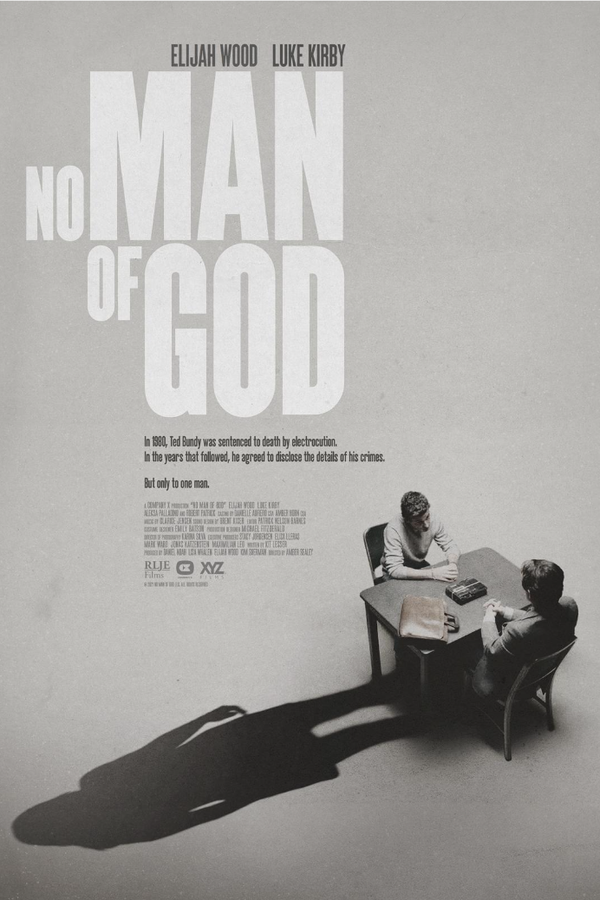
No Man of God (2021) movie poster

Timeline

No Man of God (2021) Timeline Explained – Every Event in Order

Release, runtime and language
2021 · 100 min · English
Echo score 64
JustWatch #21,740 3
Directed by
Amber Sealey
Starring
Mac Brandt, Aleksa Palladino, Robert Patrick, Elijah Wood, Luke Kirby, Gilbert Owuor

As Ted Bundy faced execution, he shared his most disturbing secrets with FBI agent Bill Hagmaier. The film portrays the unusual relationship that developed between the notorious serial killer and the investigator, examining their interactions in the years before Bundy's death. Through these conversations, the film attempts to illuminate the psychology of a chilling criminal and the complexities of confronting evil.

On this page (6)
  1. 1 Where to watch
  2. 2 Events in order (14)
  3. 3 Timeline questions answered
  4. 4 Movie threads
  5. 5 Movies like No Man of God
  6. 6 Every angle

Where to watch

Where to Watch No Man of God (2021)

Where can you watch No Man of God? Stream, rent or buy it in the US, including on AMC+, Philo and Sundance Now: current JustWatch availability with up-to-date prices.

Streaming availability powered by JustWatch

14 events in order · contains spoilers

No Man of God Timeline: Events in Chronological Order

Every key event of No Man of God (2021) in order, scene by scene, with when and where it takes place. Use it to untangle flashbacks, time jumps and parallel storylines, to refresh your memory before the sequel or to find the exact scene you are thinking of.

  1. Introduction of Bill Hagmaier

    In 1985, rookie FBI agent Bill Hagmaier is introduced as part of the Behavior Science Unit's investigation into Ted Bundy. Tasked with delving into Bundy's complex psyche, Hagmaier approaches the assignment with both enthusiasm and trepidation due to Bundy's notorious distrust of the FBI.

    When
    1985
  2. First Correspondence with Bundy

    Hagmaier begins communicating with Bundy through letters, aiming to build a rapport. Bundy starts to open up, sharing his interests while cleverly probing Hagmaier's personal vulnerabilities, setting the stage for their unique relationship.

    When
    1985
  3. Hagmaier Visits Bundy in Prison

    Hagmaier visits Florida State Prison for a face-to-face meeting with Bundy. During this visit, the conversation shifts to darker themes, such as the influence of pornography on killer behavior, as Bundy manipulates the dialogue to extract intimate details about Hagmaier's life.

    When
    1985
    Where
    Florida State Prison
  4. Bundy's Fisherman Analogy

    During their discussion, Bundy makes a chilling analogy where he compares investigators to fishermen, suggesting that the deeper they probe, the more elusive the truth becomes. This moment reveals Bundy's manipulative nature and foreshadows the complexity of their exchanges.

    When
    1985
    Where
    Florida State Prison
  5. Further Meetings in 1986

    In 1986, Hagmaier returns to the prison for another meeting with Bundy, where they examine crime scene photographs related to the Green River case. Bundy provides psychological insights into the case, furthering his manipulation and drawing Hagmaier deeper into his world.

    When
    1986
    Where
    Florida State Prison
  6. Conversations About Family

    By 1987, Hagmaier meets Bundy again, and they engage in a discussion about their children. Bundy's awareness of Hagmaier’s emotional involvement leads him to taunt the agent, inciting reflections on the nature of evil and innocence, challenging Hagmaier's beliefs about Bundy.

    When
    1987
    Where
    Florida State Prison
  7. Approaching Execution

    As Bundy's execution date in 1989 approaches, tension escalates with protests outside the prison. Bundy insists he must confess his crimes, believing only Hagmaier can facilitate this crucial moment, while media attention intensifies the situation.

    When
    1989
    Where
    Florida State Prison
  8. Carolyn Lieberman Represents Bundy

    Carolyn Lieberman arrives to represent Bundy, asserting her control over the situation while being cautious of Hagmaier's presence. Bundy, however, adamantly demands Hagmaier's involvement during the confessions, creating a tense dynamic.

    When
    1989
    Where
    Florida State Prison
  9. Bundy's Admission of Murders

    During interviews with investigators, Bundy admits to an astonishing number of murders, totaling 30. This shocking revelation emphasizes the chilling nature of his character, as the gravity of his crimes weighs heavily on everyone involved.

    When
    1989
    Where
    Florida State Prison
  10. Last-Minute Sanity Hearing

    With his execution looming, Bundy's mental clarity begins to diminish, prompting a last-minute sanity hearing. Hagmaier's testimony becomes crucial as the psychiatric board must decide on Bundy's fitness for execution, showcasing the psychological complexities at play.

    When
    1989
  11. Heartbreaking Dialogue Before Execution

    On the eve of his execution, Hagmaier and Bundy share a poignant conversation where Bundy recounts the murder of one of his victims. Hagmaier is left reeling from the emotional weight of Bundy’s chilling reminiscences, contrasting life and death.

    When
    1989
    Where
    Florida State Prison
  12. Bundy's Suicidal Intensity

    Throughout their final exchanges, Bundy expresses gratitude for Hagmaier's support while revealing his own suicidal thoughts. This moment creates a stark juxtaposition between Bundy's intense personal struggles and the grim reality of his actions.

    When
    1989
    Where
    Florida State Prison
  13. Hagmaier Omitted from Execution

    As execution day arrives, Hagmaier learns that he will not be present for Bundy's execution, reducing his role to that of a mere observer. Overwhelmed by the emotional turmoil, he seeks solace in a phone call to his son, illustrating the personal toll of the events.

    When
    1989
    Where
    Florida State Prison
  14. The Execution and Aftermath

    Cheers erupt outside the prison as news of Bundy's execution circulates, encapsulating the mixed feelings surrounding justice. For those involved, the conclusion of Bundy's life does not equate to satisfaction, leaving lingering questions about morality and evil.

    When
    1989
    Where
    Florida State Prison

Last updated: November 19, 2024 at 20:41

Was this helpful?

Timeline questions answered

No Man of God Timeline Explained: Your Questions Answered

When does it happen, and why in that order? The questions people ask about the chronology of No Man of God (2021): time jumps, flashbacks, cause and effect between scenes and the correct order of events, each answered with spoilers.

Q1

Why did Ted Bundy choose to open up to Bill Hagmaier?

Bundy saw Hagmaier as a vulnerable target - a rookie FBI agent who was genuinely interested in understanding criminal psychology. Bundy carefully probed for personal weaknesses during their correspondence, eventually extracting intimate details about Hagmaier's life. This manipulation allowed Bundy to build a false sense of trust while maintaining psychological control over their relationship.

Foreshadowing: Early in their correspondence, Bundy cleverly asked personal questions while sharing only surface-level information about himself.

  • ted bundy
  • bill hagmaker
  • fbi
  • psychology
  • manipulation
  • relationship
Q2

What was the fisherman analogy Bundy used?

Bundy compared investigators to fishermen, suggesting that the deeper they cast their lines into his psyche, the more elusive the truth becomes. This chilling analogy revealed Bundy's view of their interactions as a psychological game where he controlled what information surfaced, while implying he could take Hagmaier on a metaphorical journey into the depths of his mind.

Foreshadowing: This analogy foreshadowed Bundy's later manipulation tactics and his ability to control the narrative during their meetings.

  • ted bundy
  • analogy
  • fisherman
  • psychology
  • manipulation
Q3

Why did Ted Bundy admit to 30 murders?

As his execution approached in 1989, Bundy used the confessions as a final form of control and attention. By admitting to 30 murders - far more than the handfuls he was convicted of - he maintained his psychological dominance even in his final days. His insistence that only Hagmaier could facilitate these confessions further demonstrated his need to manipulate those around him.

Foreshadowing: Throughout their meetings, Bundy gradually revealed psychological insights about killer behavior, building toward this ultimate confession.

  • ted bundy
  • confession
  • murders
  • execution
  • 30 murders
Q4

What happened at Ted Bundy's sanity hearing?

With only days left before execution, Bundy's mental clarity began to diminish, triggering a last-minute sanity hearing. Bill Hagmaier's testimony was crucial in assessing whether Bundy was fit for execution. The psychiatric board ultimately determined that Bundy was sane, allowing the execution to proceed despite his deteriorating mental state.

Foreshadowing: The hearing represented the final legal hurdle before Bundy's execution, where Hagmaier's professional assessment became pivotal.

  • ted bundy
  • sanity hearing
  • execution
  • fbi
  • hagmaier
Q5

Why was Bill Hagmaier excluded from Bundy's execution?

Despite their years of intimate conversations and Bundy's insistence that Hagmaier be present during confessions, the warden informed Hagmaier that he would not be part of the execution team. He was reduced to merely an observer, leaving him alone and overwhelmed by the circumstances. This exclusion contrasted sharply with the unique relationship they had developed.

Foreshadowing: This moment represented the ultimate irony of their relationship - after all their psychological intimacy, Bundy still controlled the final outcome.

  • bill hagmaker
  • execution
  • excluded
  • florida state prison
Q6

Why did Bundy insist on Hagmaier being present during his confessions?

Bundy believed Hagmaier was the only person who truly understood him psychologically, having spent years building their unique relationship through letters and prison visits. By demanding Hagmaier's presence, Bundy maintained his control over the confession narrative and ensured his final statement would be shaped by their established dynamic.

Foreshadowing: Their earlier meetings, where Bundy extracted personal details from Hagmaier, established the psychological intimacy that Bundy relied upon.

  • ted bundy
  • bill hagmaker
  • confession
  • presence
  • demand
Q7

What did Bundy reveal about his victims in his final conversation with Hagmaier?

In their last conversation before execution, Bundy recounted the specific murder of one of his victims in chilling detail. This revelation left Hagmaier deeply shaken, forcing him to confront the real human cost of Bundy's crimes. The moment contrasted starkly with their earlier psychological games, bringing raw reality to Bundy's actions.

Foreshadowing: This final revelation was the culmination of Bundy's psychological manipulation, finally exposing the depth of his depravity.

  • ted bundy
  • victim
  • murder
  • confession
  • hagmaier
  • final conversation
Q8

Why did Hagmaier call his son after learning he wouldn't attend the execution?

After being excluded from Bundy's execution and overwhelmed by the emotional weight of their final conversation, Hagmaier reached out to his son for a moment of human connection. This call represented his attempt to ground himself in normalcy and love after being immersed in years of psychological darkness with Bundy.

Foreshadowing: Their 1987 conversation about children and innocence had already highlighted Hagmaier's emotional investment in family.

  • bill hagmaker
  • son
  • phone call
  • emotional
  • family
Q9

What was Carolyn Lieberman's role in Bundy's final days?

Carolyn Lieberman arrived as Bundy's legal representative, taking control of his case while remaining wary of Hagmaier's FBI connections. She arranged a meeting between Bundy and Dr. James Dobson in hopes of securing a reprieve, but Dobson revealed the governor had no intention of granting clemency. Despite her control over the situation, Bundy still insisted on Hagmaier's presence.

Foreshadowing: Carolyn's arrival created tension between Bundy's legal team and the FBI, but couldn't override Bundy's personal demands.

  • carolyn lieberman
  • lawyer
  • bundy
  • representation
  • clemency
Q10

Why did Bundy analyze the Green River case with Hagmaier?

In 1986, Bundy and Hagmaier examined crime scene photographs from the Green River case, one of America's most notorious serial killer investigations. Bundy provided psychological insights into the twisted logic driving such killers, using this opportunity to demonstrate his intellectual understanding of criminal behavior while further engaging Hagmaier in their psychological chess match.

Foreshadowing: This discussion deepened their relationship by involving Bundy in legitimate criminal psychology work.

  • green river case
  • crime scene
  • psychology
  • serial killer
  • analysis

Movie threads

More Movies Like No Man of God, by Mood & Story

Curated lists built around what makes No Man of God tick: the same mood, the same kind of story or the same emotional payoff. Each list explains why these movies belong together.

Movies with tense, confined dialogues like No Man of God

Movies built around tense, intimate conversations in confined spaces. If you liked the intense, dialogue-driven tension of No Man of God, you'll find similar movies here. These films often take place in single rooms or confined spaces, building psychological unease through powerful conversations between characters with deep conflicts, making them similar to No Man of God's immersive and claustrophobic feel.

  • claustrophobic
  • tense
  • psychological
  • dialogue-driven
  • unsettling
  • intimate
  • Tone: dark, tense, psychological
  • Pacing: slow, deliberate
Why these movies?

The story pattern: The narrative in this thread unfolds primarily through sustained, high-stakes dialogue between two or a few characters in a limited setting. The conflict is psychological and verbal, with power dynamics shifting through conversation, revealing hidden truths and testing personal boundaries.

Why they belong together: Movies are grouped here for their shared reliance on confined settings and dialogue to generate suspense and explore complex character psychology, creating a distinct, intimate, and often unsettling viewing experience.


True crime psychology movies like No Man of God

Stories about investigators delving into the minds of dangerous criminals. For viewers who enjoyed the criminal profiling and psychological exploration in No Man of God, this section features similar movies about FBI agents and detectives forming complex relationships with killers. These films dive deep into the criminal mind, offering a similar blend of true crime drama and heavy psychological themes as seen in No Man of God.

  • psychological
  • somber
  • intellectual
  • unsettling
  • true crime
  • moral ambiguity
  • Tone: dark, somber, intellectual
  • Pacing: slow, steady
Why these movies?

The story pattern: The narrative follows a law enforcement professional as they engage with a notorious criminal, often through a series of interviews. The journey explores the criminal's psychology, the investigator's methodology, and the blurred lines that can form in this high-stakes intellectual and emotional confrontation.

Why they belong together: These films share a core focus on the process of criminal profiling and the morally ambiguous, intellectually challenging relationship that can develop between hunter and hunted, resulting in a heavy, thought-provoking mood.

If you liked this

Movies Like No Man of God

Similar movies to No Man of God: the same genre, themes or kind of story. Each one comes with its own plot summary, timeline and ending explained.

Browse all movie summaries

Every angle

No Man of God (2021) Explained: Plot, Ending, Timeline & Characters

Everything about No Man of God in one place: what happens in the plot summary, the timeline in chronological order, the characters and meaning, the ending explained and a spoiler-free summary. What's After the Movie adds the cast, box office and post-credit scenes.

Coming soon on iOS and Android

The Plot Explained Movie Summary App

Plot summaries, endings explained and timelines on your phone. Catch up on any movie in minutes, save your favorites and never miss a twist again.

Be the first to know when we launch. Your email stays private, always.

Learn more about the app