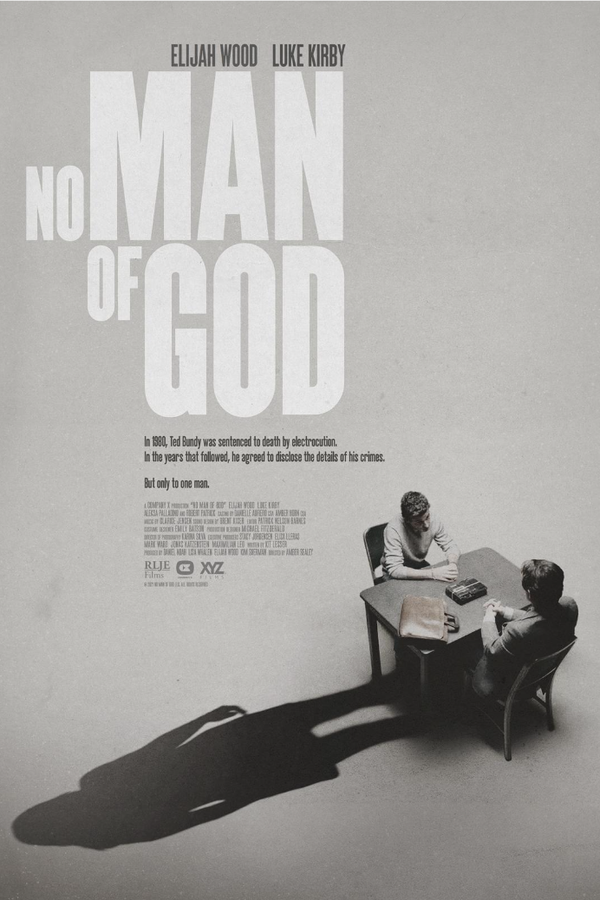
In 1974, Ted Bundy is a bright, ambitious law student at the Seattle University School of Law who juggles a long-term girlfriend, Lee, with a part-time job at a local crisis center. On the surface, he seems charming and capable, but underneath lies a dangerous psychology. He cultivates a chilling ease with cruelty, engaging in stalking, voyeurism, and petty theft. Fueled by a hidden compulsion, he gathers the nerve to commit his first lust murder, killing one of his hotline callers and violating her corpse. What follows is a systematic pattern of predation: breaking into the homes of young women, or luring them to his car by faking disabilities or impersonating a police officer. He incapacitates and abducts his victims, drives them to a location with no escape, and commits acts of rape and murder. His intimate knowledge of law enforcement and legal tactics, honed in school, helps him avoid the kind of offender profiles that might otherwise fit him. Yet investigators begin to piece together the puzzle, aided by facial composites and the public’s memory of a nickname.
In 1975, a narrow escape by another driver saves Tina Gabler when Bundy’s moving car targets her. Based on Tina’s description of his car, a Utah Highway Patrol officer stops him, and a search reveals a rape kit in his trunk. Tina testifies at Bundy’s kidnapping trial, and the jury convicts him. Authorities quickly connect the dots, confirming that he is the serial killer they have been tracking. Bundy insists the charges involve multiple murders, but he argues that the evidence is insufficient for a conviction on those counts. Lee, confronted with the consequences of his dangerous duplicity, ends their relationship as the net tightens around him.
In 1977, Bundy represents himself at his trial and gains access to the Pitkin County Courthouse’s law library. He makes a dramatic escape by leaping from an upper-story window, a bold move that shocks everyone. Six days later, after attempting an auto theft at Aspen Mountain, he is arrested and sent back to custody. Months later, he escapes again and earns a place on the FBI’s Ten Most Wanted Fugitives list, transforming his flight into a national chase.
The following year, Bundy relocates to Tallahassee, Florida, and continues his murderous campaign. He assaults four women in Florida State University’s Chi Omega sorority house, killing two of them. About a month later, he rapes and murders 12-year-old Suzanne Bruster. He is quickly caught and beaten by a Pensacola police officer, a brutal reminder of the peril he leaves in his wake.
Bundy is tried in Dade County Circuit Court and sentenced to death in the electric chair at Florida State Prison. Over the next decade, he files several appeals that delay the execution, but each is denied. On the day of his execution, he is dragged from his cell to the death chamber and executed in front of the victims’ families; the executioner is revealed to be a young woman. As Lee watches the news coverage with her husband, she asks the lingering question that haunts the film’s ending: > Who was Ted Bundy?