
Night Watch
Year: 1973
Runtime: 99 mins
Language: English
Director: Brian G. Hutton
After a nervous breakdown, a woman becomes convinced she has witnessed a murder in the abandoned house next door. Determined to prove what she saw, she struggles to persuade her husband and the local London police, but her nightmare only intensifies as terror refuses to end.
Warning: spoilers below!
Haven’t seen Night Watch yet? This summary contains major spoilers. Bookmark the page, watch the movie, and come back for the full breakdown. If you're ready, scroll on and relive the story!
Timeline – Night Watch (1973)
Trace every key event in Night Watch (1973) with our detailed, chronological timeline. Perfect for unpacking nonlinear stories, spotting hidden connections, and understanding how each scene builds toward the film’s climax. Whether you're revisiting or decoding for the first time, this timeline gives you the full picture.
Last updated: October 09, 2025 at 11:24
Night Watch (1973) Timeline Questions Answered – Chronology FAQ
Find frequently asked questions about the Night Watch (1973) timeline, including chronological order, nonlinear jumps, cause-and-effect links, and scene sequence clarifications. This timeline FAQ helps explain when key events happen, how moments connect, and why the story unfolds in that specific order.
Why did Ellen fake seeing murders in the old house?
Ellen faked witnessing murders to create a cover for killing John and Sarah. By claiming to see phantom killings and repeatedly calling the police about the old house, she exhausted police resources and made any future investigation seem like another hallucination. This elaborate scheme allowed her to murder her husband and his lover without immediate suspicion.
Earlier scenes show Ellen's insistence on the alleged murders despite no evidence, which appears to be paranoia but is actually calculated planning.
How did Ellen plant the bodies in the old house?
Ellen planted the bodies during the storm when she could operate undetected. She used the chaos of the thunderstorm to move the bodies from wherever she had concealed them (likely after killing them elsewhere) into the old house, positioning them in the second-floor room exactly as she would later claim to have seen them.
The freshly planted Laburnum bed that appeared overnight suggests Ellen used the storm cover to dig and bury evidence while working on her plan.
What was DIPCO and why did John buy it?
DIPCO was a private company that John used to purchase the old house six months before the main events. He acquired it secretly, and Ellen discovered this when signing financial documents. The purchase suggests John had been planning something with the property, possibly as a meeting place for his affair with Sarah or as part of a larger scheme involving Ellen.
John's insistence that Ellen sign documents granting him power of attorney before her trip reveals his hidden financial manipulations.
Why was Ellen really going to Switzerland?
Ellen agreed to go to Switzerland for psychiatric treatment as part of her murder scheme. By voluntarily committing to treatment, she established what appeared to be a legitimate reason to leave town, making her absence after the murders seem natural and providing cover for her escape.
Tony's recommendation for Switzerland comes right after Ellen's second claim of seeing a body, reinforcing that her 'mental breakdown' was being believed.
Why did Mr. Appleby help Ellen with her plan?
Mr. Appleby's father previously owned John and Ellen's house before they purchased it. This connection explains his willingness to assist Ellen, he has some familiarity with the property and its history. After the murders, he congratulates Ellen on pulling off the scheme and promises not to report the murders because he knows Inspector Walker would never believe him.
Mr. Appleby refuses to let police dig up his newly planted trees, providing Ellen the time she needed to complete her plan.
What triggered Ellen's revenge against John and Sarah?
Ellen discovered John was having an affair with her friend Sarah. This betrayal, combined with her trauma from her first husband's death in a car accident with his lover, motivated her to plan a calculated revenge. She used her knowledge of the old house and orchestrated an elaborate false narrative to murder them both while appearing insane.
Sarah's skepticism about Ellen's 'seeing things' reflects the tension in their friendship, which was actually built on betrayal.
How did Ellen get the key to the old house?
Ellen possessed a key to the old house, which she reveals when confronting John and Sarah about their affair. She uses this key to enter the house and lure them to the second-floor room where she carries out the murders. The key implies she had been planning the scheme for some time, likely when she discovered John's DIPCO purchase.
The key is never explicitly explained but suggests Ellen had access to the property before the events began, supporting the theory she killed John and Sarah elsewhere first.
Why does Carl's death matter to the plot?
Carl's death in a car accident with his young paramour haunts Ellen psychologically and provides backstory for her fragile mental state. The trauma of losing her first husband to infidelity, combined with recurring nightmares of the accident, explains why she was vulnerable to a breakdown and why she might fixate on John's potential infidelity. This history also makes her eventual cold calculation even more chilling, she knows exactly how affairs end.
Ellen's recurring nightmares of Carl's accident hint at her obsession with infidelity and betrayal.
Why did the police stop investigating the old house?
Inspector Walker closed the case because multiple searches found no evidence of crimes. Ellen's repeated phone calls and insistence on impossible scenarios (claiming to see murders that left no bodies) made her appear unstable. Walker privately told John the case was closed, and his revelation about DIPCO ownership came only when Ellen pressed him again, showing he had moved on from what he perceived as a mentally ill woman's delusions.
The police arrest Mr. Appleby for trespassing during the second sighting, showing they are investigating but finding nothing criminal.
What happens at the end of Night Watch?
At the end, Ellen successfully murders John and Sarah in the old house, positioning their bodies exactly as she claimed to have seen them. She leaves for Switzerland with Mr. Appleby promising to watch her house and garden. The film ends bleakly with the murderer escaping justice, the police believe Ellen is a grieving widow traumatized by her husband's murder, not his killer.
The final scene mirrors Ellen's initial sighting, with bodies positioned identically, confirming her elaborate setup.

Explore Movie Threads
Discover curated groups of movies connected by mood, themes, and story style. Browse collections built around emotion, atmosphere, and narrative focus to easily find films that match what you feel like watching right now.
Gaslighting Thrillers like Night Watch
Stories where reality is questioned and sanity becomes the central battleground. For fans of movies like Night Watch, this collection features psychological thrillers centered on gaslighting and unreliable perception. If you enjoyed the tense uncertainty of a character's sanity being questioned, you'll find similar stories of marital distrust, feigned madness, and chilling manipulation here.







Narrative Summary
These narratives typically follow a protagonist who becomes convinced of a hidden truth—a crime, a threat, or a conspiracy—but finds their reality systematically undermined by those around them. The plot revolves around the tension between the protagonist's conviction and the mounting evidence of their instability, often leading to a climactic revelation.
Why These Movies?
Movies in this thread share a core structure built on psychological doubt. They create a specific, claustrophobic anxiety by making the viewer question what is real, often through themes of calculated manipulation, marital betrayal, and the weaponization of perceived mental fragility.
Bleak Revenge Stories like Night Watch
Cold, calculated schemes for vengeance that culminate in dark, unsatisfying justice. If you liked the calculated vengeance in Night Watch, this section highlights similar movies about methodical revenge plots. Discover films where characters execute cold, intelligent schemes for payback, often resulting in bleak or morally ambiguous conclusions that defy conventional happy endings.

Retribution
2006

Dead Reckoning
1946
Night Watch
1973
The Pale Blue Eye
2022

No Mercy
2010

Bloody Reunion
2006
Confessions
2010
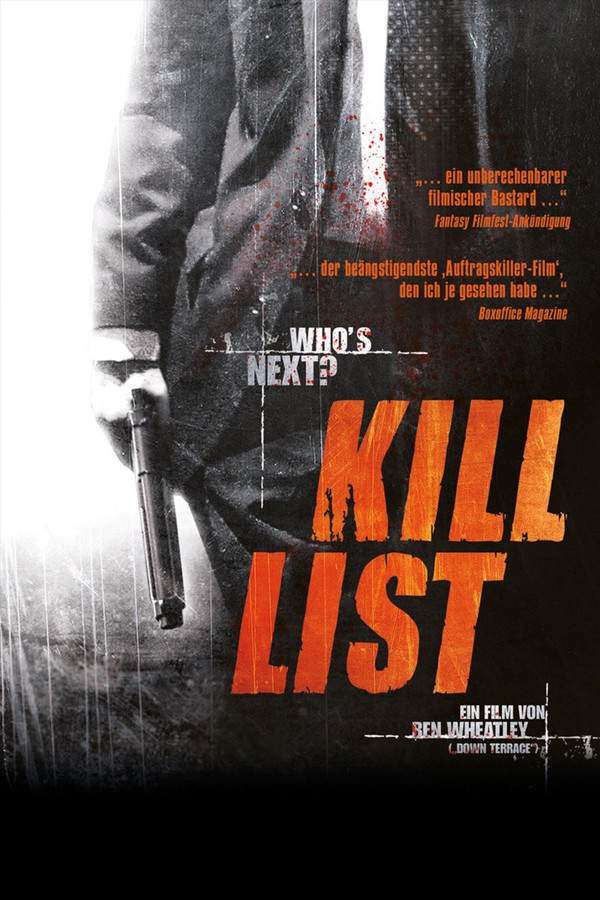
Kill List
2012

Your Vice Is a Locked Room and Only I Have the Key
1972

Dawshom Awbotaar
2023
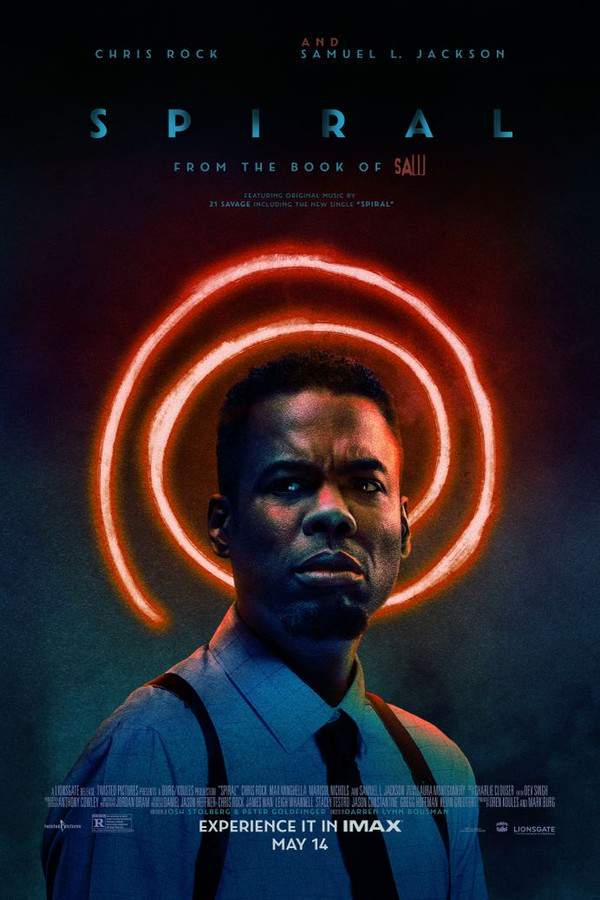
Spiral: From the Book of Saw
2021

Christie Malry’s Own Double-Entry
2000
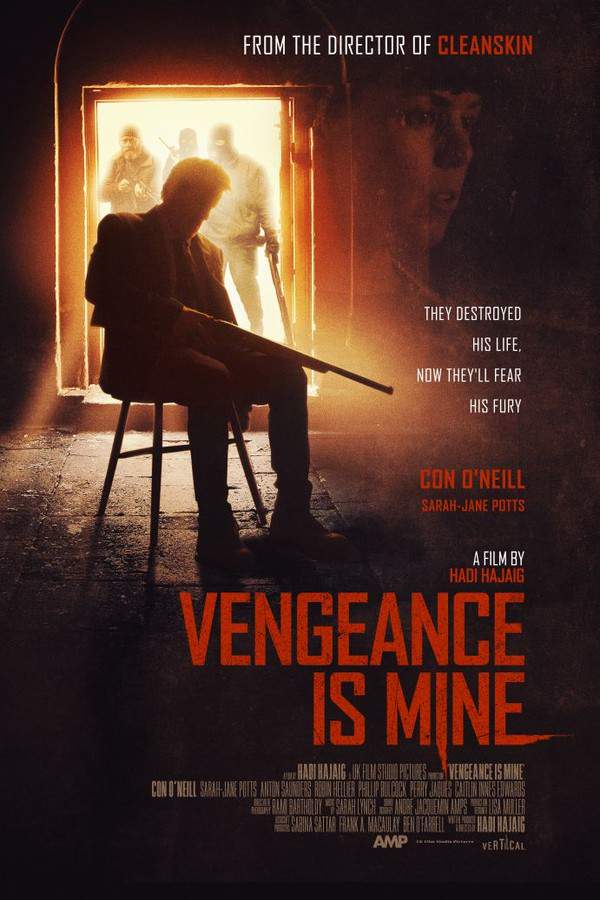
Vengeance Is Mine
1979
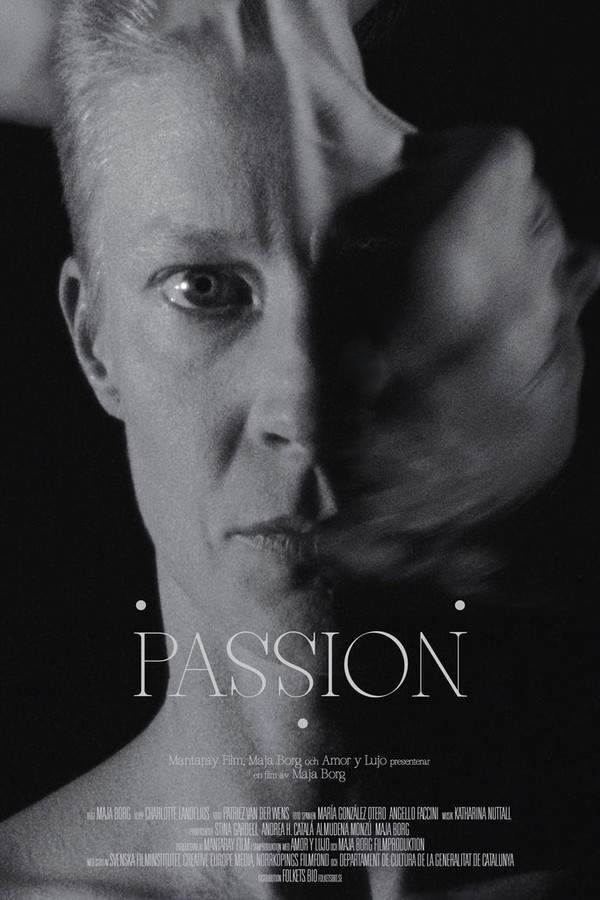
Passion
2013

The Motive
2018
Narrative Summary
The narrative pattern involves a wronged protagonist who, instead of confronting their enemy directly, embarks on a clever and often deceptive campaign. The story unfolds as a slow-burn cat-and-mouse game, where the protagonist's true motives are concealed, building towards a finale where they achieve their goal but at a great cost or with a hollow victory.
Why These Movies?
These films are grouped by their shared focus on intellectual over physical revenge, a steady pacing that builds dread, and a consistently dark tone. They deliver a specific satisfaction mixed with unease, rooted in the cleverness of the plot and the acceptance of a corrupt or unjust world.
Unlock the Full Story of Night Watch
Don't stop at just watching - explore Night Watch in full detail. From the complete plot summary and scene-by-scene timeline to character breakdowns, thematic analysis, and a deep dive into the ending - every page helps you truly understand what Night Watch is all about. Plus, discover what's next after the movie.
Night Watch Summary
Read a complete plot summary of Night Watch, including all key story points, character arcs, and turning points. This in-depth recap is ideal for understanding the narrative structure or reviewing what happened in the movie.

Characters, Settings & Themes in Night Watch
Discover the characters, locations, and core themes that shape Night Watch. Get insights into symbolic elements, setting significance, and deeper narrative meaning - ideal for thematic analysis and movie breakdowns.


