
Night Watch
Year: 1973
Runtime: 99 mins
Language: English
Director: Brian G. Hutton
After a nervous breakdown, a woman becomes convinced she has witnessed a murder in the abandoned house next door. Determined to prove what she saw, she struggles to persuade her husband and the local London police, but her nightmare only intensifies as terror refuses to end.
Warning: spoilers below!
Haven’t seen Night Watch yet? This summary contains major spoilers. Bookmark the page, watch the movie, and come back for the full breakdown. If you're ready, scroll on and relive the story!
Timeline & Setting – Night Watch (1973)
Explore the full timeline and setting of Night Watch (1973). Follow every major event in chronological order and see how the environment shapes the story, characters, and dramatic tension.
Last updated: October 04, 2025 at 15:32
Main Characters – Night Watch (1973)
Meet the key characters of Night Watch (1973), with detailed profiles, motivations, and roles in the plot. Understand their emotional journeys and what they reveal about the film’s deeper themes.
Last updated: October 04, 2025 at 15:32
Major Themes – Night Watch (1973)
Explore the central themes of Night Watch (1973), from psychological, social, and emotional dimensions to philosophical messages. Understand what the film is really saying beneath the surface.
Last updated: October 04, 2025 at 15:32
Night Watch (1973) Character & Theme Questions Answered – Info FAQ
Browse frequently asked questions about Night Watch (1973) focused on characters, relationships, themes, symbols, setting, and story context. This movie info FAQ gives spoiler-aware explanations for character arcs, world details, and thematic interpretation so readers can better understand what the film is really about.
Where is the movie set?
The film takes place in London, featuring storm-lashed streets and claustrophobic domestic interiors. The primary locations include Ellen Wheeler's home, an abandoned old house across the way, and a garden where mysterious Laburnum plants appear. Switzerland is referenced as a potential retreat through a psychiatric clinic, adding to the psychological stakes.
What is the old house across the way in the movie?
The deserted house opposite Ellen's living room serves as the focal point of her alleged sightings. It represents the external menace that invades the domestic space, creating psychological tension. The house remains empty throughout much of the film, becoming a screen for Ellen's projections and a tool in her elaborate scheme.
Who is Ellen Wheeler?
Ellen Wheeler is the protagonist, a woman who experiences a nervous breakdown after witnessing what she claims is a murder in the abandoned house. However, she is revealed to be far more calculating than initially appears, using feigned insanity as a weapon to manipulate those around her and orchestrate her own revenge plot.
Who is John Wheeler?
John Wheeler is Ellen's husband, depicted as a pragmatic and controlling man. He dismisses Ellen's sightings as delusions while harboring his own secrets. His behavior suggests complicity in an affair, and he attempts to manage the crisis with cool rationality, orchestrating professional interventions while concealing the truth.
Who is Sarah Cooke in the story?
Sarah Cooke is Ellen's visiting friend who becomes romantically involved with John Wheeler. She serves as both a skeptical ally who questions Ellen's visions and an unwilling participant in the affair that fuels the central conflict. Her presence catalyzes the scheme and its violent consequences.
What is the main theme of deception in the film?
Deception is central to the plot, as Ellen fakes visions of murders to misdirect the police while John and Sarah attempt to conceal their affair. The film uses misdirection, false alibis, and staged discoveries to blur the line between truth and perception. Twists accumulate as the audience discovers how easily appearances can be manufactured.
How does the movie explore mind games?
Characters manipulate each other's perceptions to control outcomes, using fear and paranoia as strategic weapons. Ellen's feigned breakdown contrasts sharply with her calculated danger, driving a plot built on psychological manipulation. The tension stems from how psychiatric advice and social norms are abused to evade scrutiny.
What role does betrayal play in the story?
Betrayal emerges from the collision between affairs and loyalty. Ellen suspects and is cruelly betrayed by people she trusts. The secret relationship between John and Sarah fuels Ellen's revenge plan. The ultimate betrayal occurs when true motives are revealed, culminating in a calculated murder that mimics what Ellen claimed to have witnessed.
Who is Inspector Walker?
Inspector Walker is the police detective who investigates Ellen's claims of witnessing a murder. He questions neighbors and follows leads with cautious determination but finds nothing concrete. His skepticism and routine approach highlight the limitations of conventional investigation in perceiving sophisticated deception.
Who is Mr. Appleby?
Mr. Appleby is the quiet neighbor who planted the Laburnum in his garden and possesses deeper knowledge of the old house's history. His calm, unobtrusive presence masks a willingness to protect Ellen's scheme by withholding information. His character underscores how truth remains elusive within the community.
What kind of movie is Night Watch?
Night Watch is a psychological thriller that blends domestic tension with horror and mystery elements. The film sustains high intensity through its premise of psychological manipulation and unreliable narration. The tone is dark, dealing with themes of betrayal, premeditated murder, and chilling calculation, resulting in a bleak narrative where the perpetrator escapes justice.

Explore Movie Threads
Discover curated groups of movies connected by mood, themes, and story style. Browse collections built around emotion, atmosphere, and narrative focus to easily find films that match what you feel like watching right now.
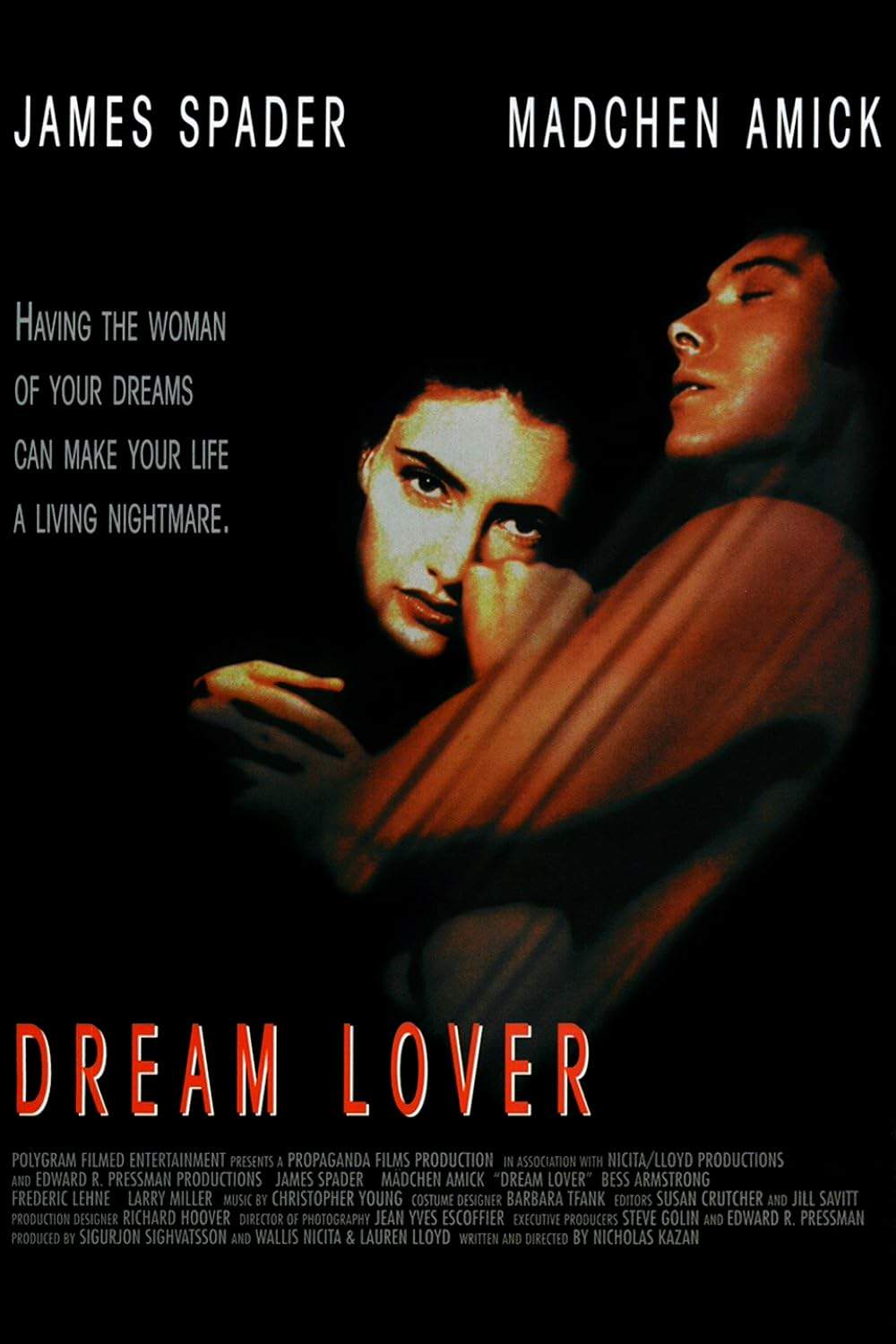
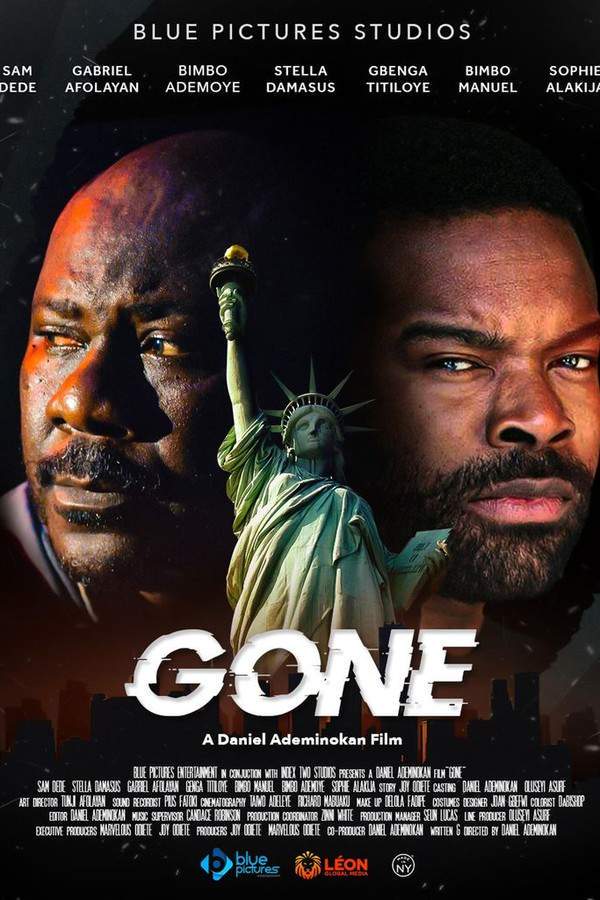
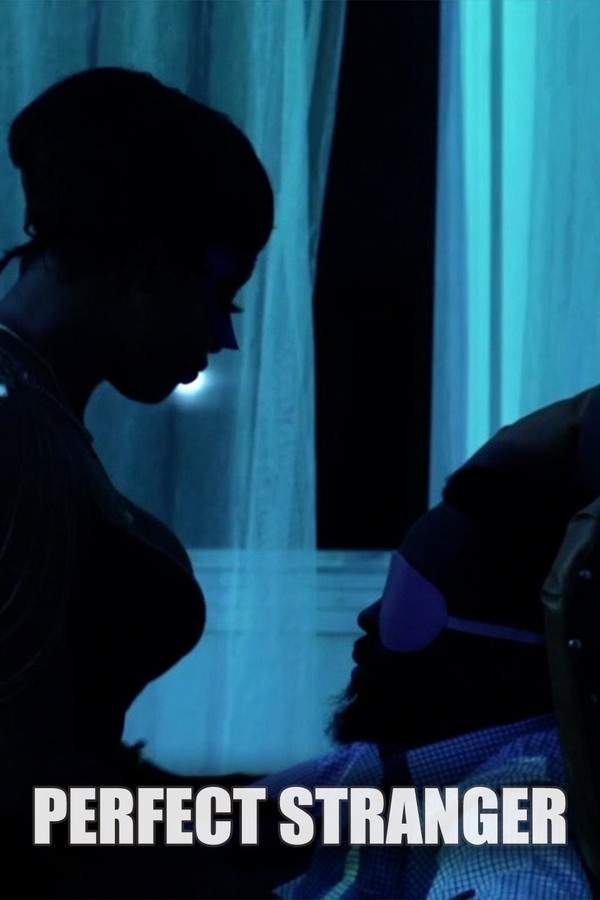
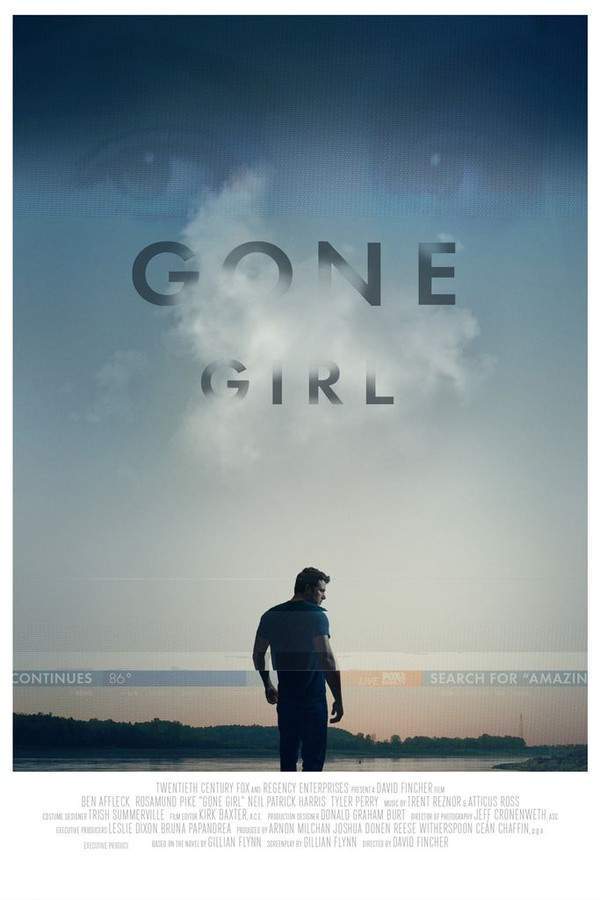
Gaslighting Thrillers like Night Watch
Stories where reality is questioned and sanity becomes the central battleground. For fans of movies like Night Watch, this collection features psychological thrillers centered on gaslighting and unreliable perception. If you enjoyed the tense uncertainty of a character's sanity being questioned, you'll find similar stories of marital distrust, feigned madness, and chilling manipulation here.








Narrative Summary
These narratives typically follow a protagonist who becomes convinced of a hidden truth—a crime, a threat, or a conspiracy—but finds their reality systematically undermined by those around them. The plot revolves around the tension between the protagonist's conviction and the mounting evidence of their instability, often leading to a climactic revelation.
Why These Movies?
Movies in this thread share a core structure built on psychological doubt. They create a specific, claustrophobic anxiety by making the viewer question what is real, often through themes of calculated manipulation, marital betrayal, and the weaponization of perceived mental fragility.
Bleak Revenge Stories like Night Watch
Cold, calculated schemes for vengeance that culminate in dark, unsatisfying justice. If you liked the calculated vengeance in Night Watch, this section highlights similar movies about methodical revenge plots. Discover films where characters execute cold, intelligent schemes for payback, often resulting in bleak or morally ambiguous conclusions that defy conventional happy endings.

Retribution
2006

Dead Reckoning
1946
Night Watch
1973
The Pale Blue Eye
2022

No Mercy
2010

Bloody Reunion
2006
Confessions
2010
Kill List
2012

Your Vice Is a Locked Room and Only I Have the Key
1972

Dawshom Awbotaar
2023
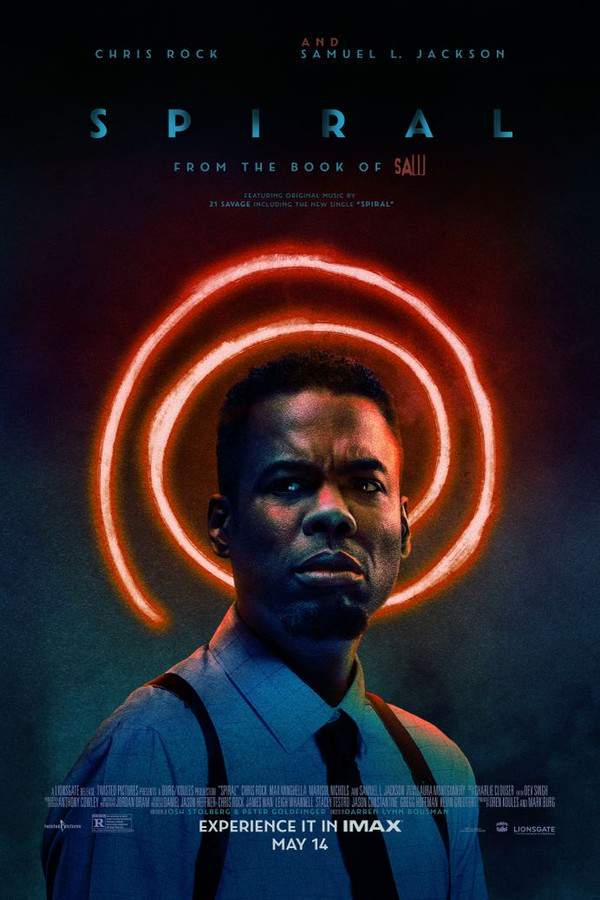
Spiral: From the Book of Saw
2021

Christie Malry’s Own Double-Entry
2000
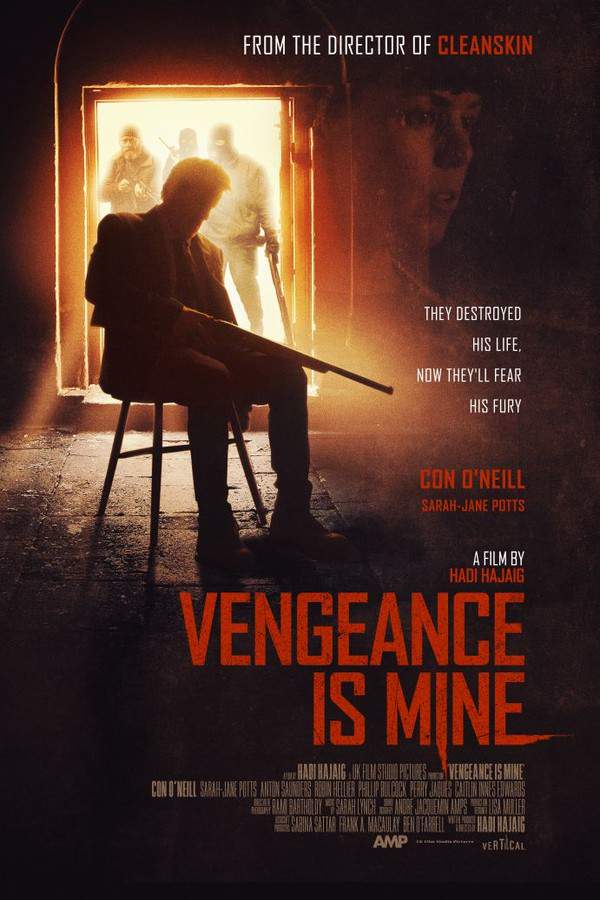
Vengeance Is Mine
1979
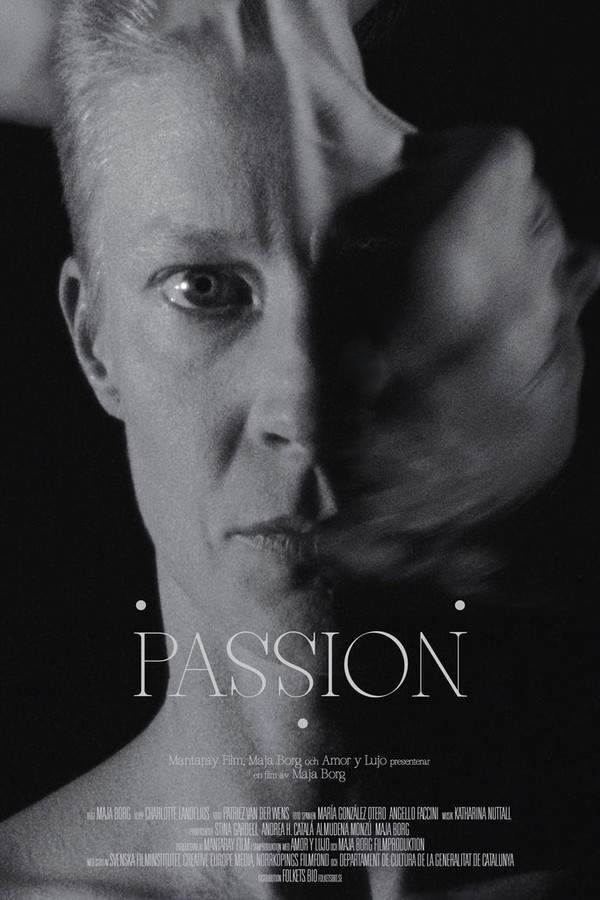
Passion
2013

The Motive
2018
Narrative Summary
The narrative pattern involves a wronged protagonist who, instead of confronting their enemy directly, embarks on a clever and often deceptive campaign. The story unfolds as a slow-burn cat-and-mouse game, where the protagonist's true motives are concealed, building towards a finale where they achieve their goal but at a great cost or with a hollow victory.
Why These Movies?
These films are grouped by their shared focus on intellectual over physical revenge, a steady pacing that builds dread, and a consistently dark tone. They deliver a specific satisfaction mixed with unease, rooted in the cleverness of the plot and the acceptance of a corrupt or unjust world.
Unlock the Full Story of Night Watch
Don't stop at just watching - explore Night Watch in full detail. From the complete plot summary and scene-by-scene timeline to character breakdowns, thematic analysis, and a deep dive into the ending - every page helps you truly understand what Night Watch is all about. Plus, discover what's next after the movie.
Night Watch Summary
Read a complete plot summary of Night Watch, including all key story points, character arcs, and turning points. This in-depth recap is ideal for understanding the narrative structure or reviewing what happened in the movie.

Night Watch Timeline
Track the full timeline of Night Watch with every major event arranged chronologically. Perfect for decoding non-linear storytelling, flashbacks, or parallel narratives with a clear scene-by-scene breakdown.


