
Nayak: The Real Hero
Year: 2001
Runtime: 187 mins
Language: Hindi
Director: Shankar
Shivajirao, a daring TV reporter, is dared by the incumbent Chief Minister Balraj Chauhan to assume the office of Maharashtra’s chief minister for a single day. During those twenty‑four hours he launches bold reforms, exposes entrenched corruption and wins public acclaim. The overwhelming success of his brief tenure triggers a fierce backlash, plunging him into a vortex of political machinations and personal danger.
Warning: spoilers below!
Haven’t seen Nayak: The Real Hero yet? This summary contains major spoilers. Bookmark the page, watch the movie, and come back for the full breakdown. If you're ready, scroll on and relive the story!
Timeline – Nayak: The Real Hero (2001)
Trace every key event in Nayak: The Real Hero (2001) with our detailed, chronological timeline. Perfect for unpacking nonlinear stories, spotting hidden connections, and understanding how each scene builds toward the film’s climax. Whether you're revisiting or decoding for the first time, this timeline gives you the full picture.
Last updated: October 09, 2025 at 16:53
Nayak: The Real Hero (2001) Timeline Questions Answered – Chronology FAQ
Find frequently asked questions about the Nayak: The Real Hero (2001) timeline, including chronological order, nonlinear jumps, cause-and-effect links, and scene sequence clarifications. This timeline FAQ helps explain when key events happen, how moments connect, and why the story unfolds in that specific order.
Why does Balraj Chauhan challenge Shivaji to become Chief Minister for a day?
Chauhan issues the dare as a political trap intended to embarrass Shivaji and expose the impracticality of his reformist ideals. believing that a inexperienced journalist would fail spectacularly and undermine his own credibility. However, Shivaji surprises everyone by successfully implementing genuine reforms during his 24-hour tenure, triggering Chauhan's downfall instead.
Earlier, Shivaji's broadcast exposing Chauhan's indifference to the riot casualties already threatened the Chief Minister's political standing.
How does Shivaji manage to pass so many reforms in just one day?
Shivaji uses an emergency ordinance passed by the Maharashtra Legislative Assembly, granting him temporary executive powers as acting Chief Minister. With bureaucrat Bansal's guidance, he signs orders for housing, employment, and removes corrupt officials, leveraging the legal authority granted by this single ordinance to push through multiple reforms simultaneously.
The dare itself comes with the legal mechanism, an ordinance, that enables Shivaji to exercise chief ministerial powers.
Why does Chauhan order the bomb attack that kills Shivaji's parents?
Chauhan escalates to murder because Shivaji's growing popularity and reforms threaten to permanently remove him from power. After Shivaji exposes his corruption and triggers his arrest, Chauhan views elimination as the only way to stop his political demise and regain control. The bombing is meant to eliminate Shivaji himself but tragically kills his parents instead.
Chauhan's henchmen previously vandalized QTV offices, showing his willingness to use violence against Shivaji.
Why does Shivaji shoot himself in the final confrontation?
Shivaji stages his own shooting as a calculated trap to incriminate Chauhan. By making it appear Chauhan tried to kill him, Shivaji provokes Chauhan into a moment where the Chief Minister seizes the gun, giving security guards legal justification to shoot Chauhan dead. The self-inflicted wound is a desperate gambit to end Chauhan's reign of terror without becoming a direct murderer himself.
Bansal and Shivaji had been planning how to definitively stop Chauhan after previous attempts failed.
Does Shivaji become the elected Chief Minister after the elections?
Yes, elections follow after Shivaji's brief tenure ends, and he wins a landslide victory. This transforms him from acting Chief Minister to the legitimately elected leader of Maharashtra, fulfilling the public demand for his leadership that emerged during his single day in office.
The national attention and public calls for Shivaji to lead signal that an electoral mandate would follow.
Why does Manjari's father initially refuse to approve Shivaji's marriage proposal?
Manjari's father rejects Shivaji because he is not yet a stable government employee, which traditional standards in the village require for marriage. As a cameraman, Shivaji lacks the perceived security and status the father wants for his daughter. Only after Shivaji becomes Chief Minister and proves his commitment to public duty does the father give his blessing.
Shivaji redirects his focus to the Civil Services Examination after the initial rejection, showing his attempt to meet traditional standards.
How does Shivaji survive the multiple assassination attempts in the movie?
Shivaji survives through a combination of luck and protective measures. After the first failed assassination attempt, he becomes more cautious. The bomb attacks are partially mitigated when Shivaji and Bansal's tactical inquiry uncovers bomb locations, allowing squads to defuse three devices before they detonate, though one explodes prematurely, killing his parents.
The film establishes Shivaji's quick thinking during the opening riot as evidence of his survival instinct.
What role does Pandurang play in Chauhan's conspiracy?
Pandurang is Chauhan's henchman who directly carries out the citywide bomb attacks under Chauhan's orders. He is arrested after Shivaji and Bansal's investigation uncovers the bomb locations. His capture provides the evidence needed to link Chauhan directly to the terrorist attacks intended to destabilize Shivaji's government.
The attacks intensify exactly when Shivaji's reforms threaten to permanently remove Chauhan from power.
What exactly happens when Chauhan is killed at the secretariat?
In the final confrontation, Shivaji orchestrates a scene making it appear Chauhan came to murder him. When Shivaji hands Chauhan the gun after shooting himself, an enraged Chauhan attempts to fire but the weapon misfires, allowing security guards to shoot Chauhan dead, presenting it as a justified defense of the Chief Minister. The official account blames Chauhan's failed assassination attempt.
Shivaji's earlier comment about needing a way to defeat Chauhan 'without becoming like him' hints at this elaborate setup.
How does the political system work in the movie, can anyone become Chief Minister?
The movie simplifies the process through a legal mechanism: an ordinance passed by the Maharashtra Legislative Assembly appoints Shivaji as acting Chief Minister for a 24-hour experimental period. While dramatically simplified, it represents the constitutional ability to appoint someone to executive office through legislative action, though in reality such appointments would require far more complex processes.
The dare itself comes with immediate legal effect, showing how the ordinance enables the entire premise.
What is the meaning of the ending, is Shivaji's victory truly a happy ending?
The ending is bittersweet. Shivaji succeeds in becoming Chief Minister, implementing reforms, and winning Manjari's hand in marriage. However, he loses his parents to Chauhan's violence and commits moral compromise by orchestrating Chauhan's death. The film suggests his sacrifices were necessary, but the final tone acknowledges the heavy personal cost of political righteousness.
The meta notes explicitly describe the ending as bittersweet, combining hopeful governance with tragic loss.

Explore Movie Threads
Discover curated groups of movies connected by mood, themes, and story style. Browse collections built around emotion, atmosphere, and narrative focus to easily find films that match what you feel like watching right now.
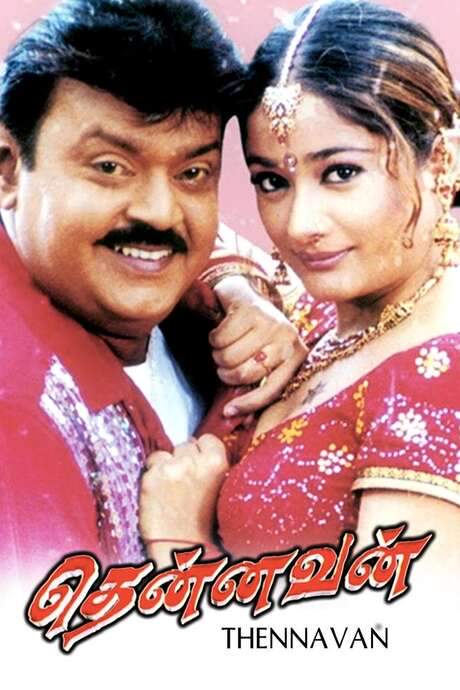
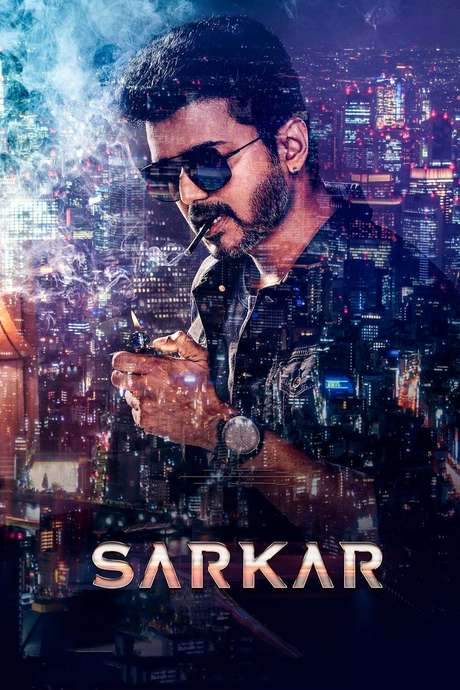
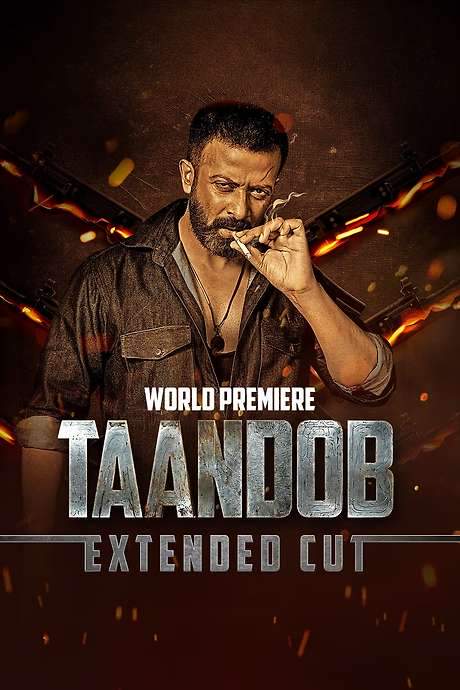
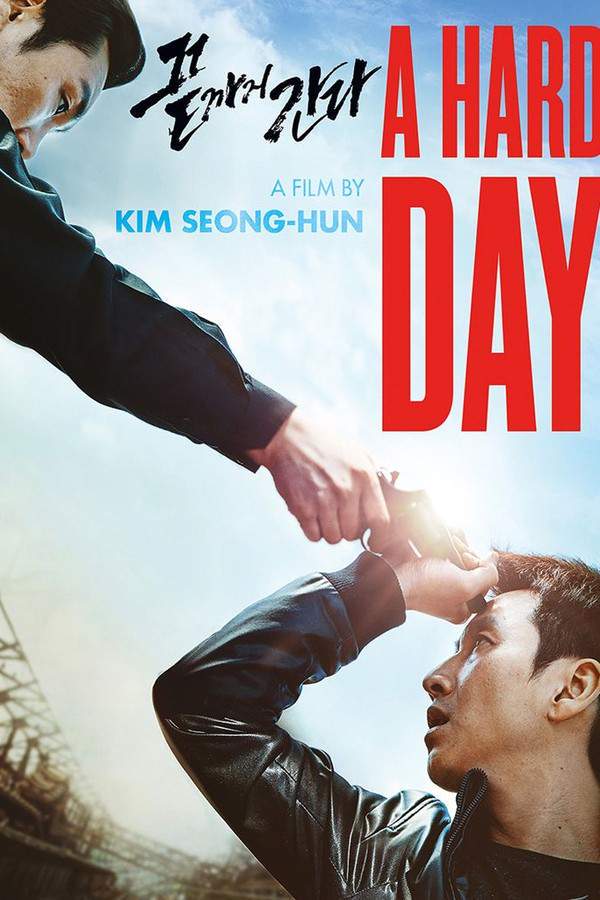
Movies about a single day in power like Nayak: The Real Hero
A single day thrusts an ordinary person into an extraordinary position of power.If you liked the premise of Nayak: The Real Hero, you'll enjoy these movies where a character is given ultimate authority for just one day. These films explore the chaos, reform, and backlash of condensed power, featuring high-stakes political thrillers and dramatic stories about making a difference under extreme pressure.
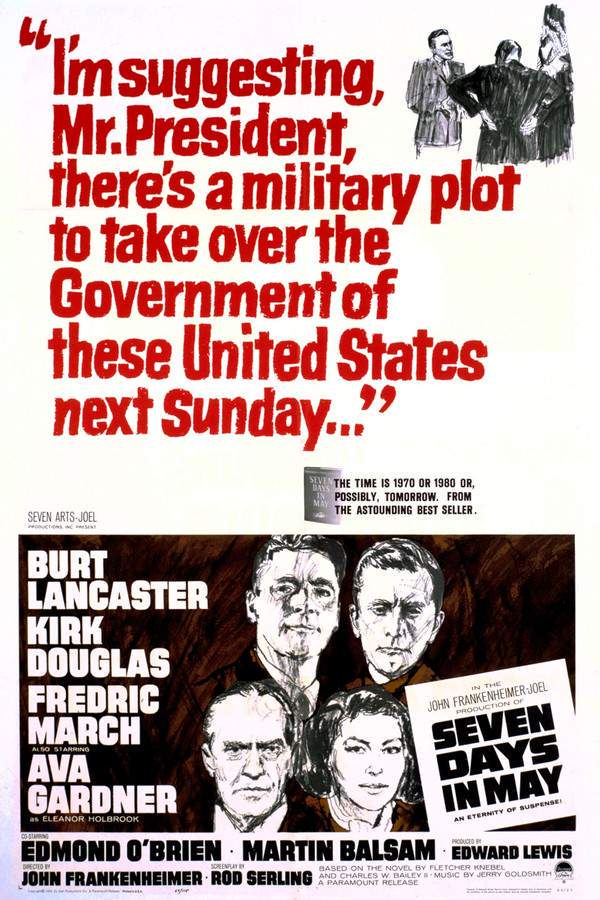
Seven Days in May
1964

12.12: The Day
2023
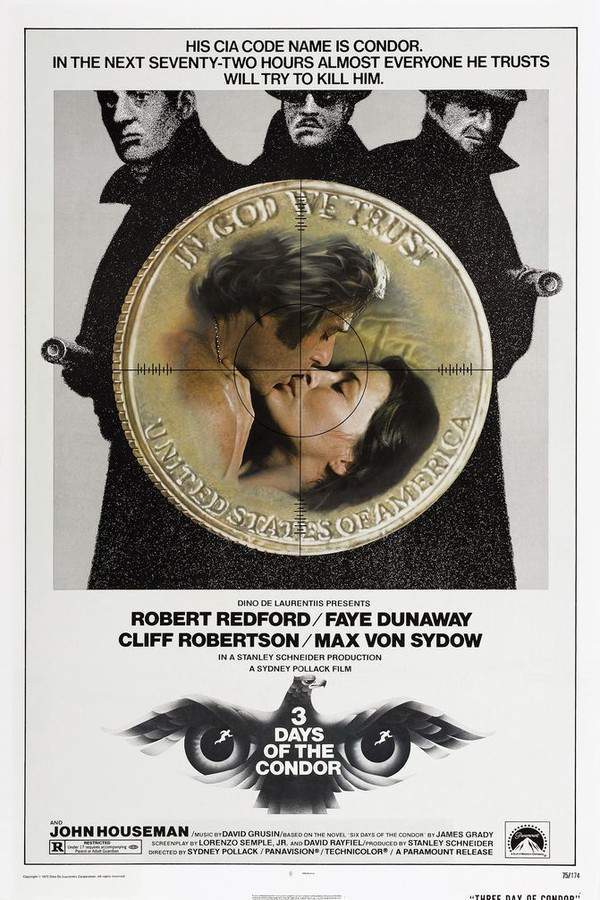
Three Days of the Condor
1975
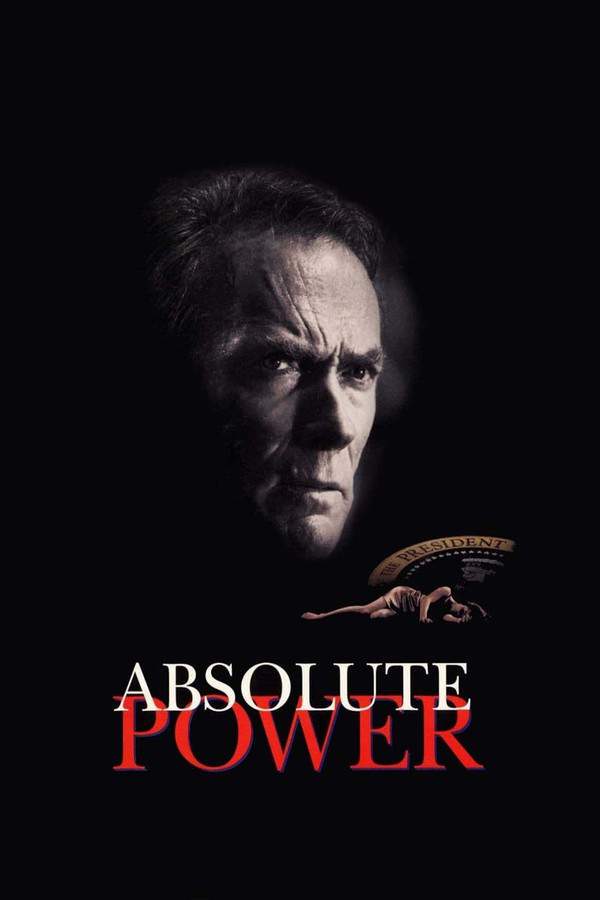
Absolute Power
1997
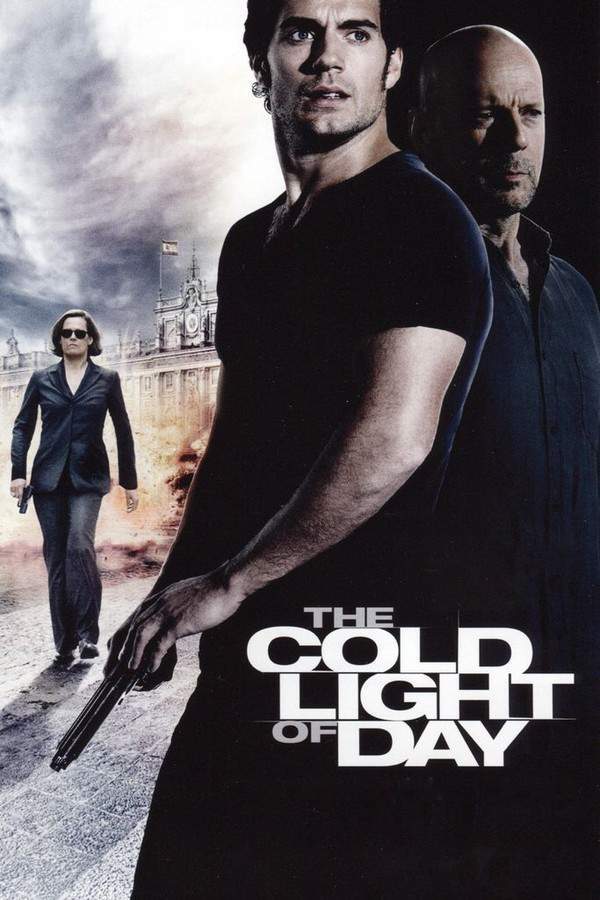
The Cold Light of Day
2012
Thennavan
2003

The King
1995

Shadow Conspiracy
1997
Sarkar
2018
Taandob
2025

A Dangerous Life
1000

Commando - A One Man Army
2013

King’s Game
2004
A Hard Day
2015

A Dangerous Man
2009
Narrative Summary
These narratives follow a 'what if' scenario where a common citizen or reluctant hero is suddenly elevated to a position of supreme authority. The story unfolds in real-time or over a very compressed period, focusing on their attempts to enact immediate change, confront powerful antagonists, and survive the violent political fallout that their brief reign inevitably provokes.
Why These Movies?
Movies are grouped here based on their shared high-concept premise of temporary, concentrated power. They deliver a similar viewing experience of fast-paced, high-intensity drama, where idealism clashes with brutal reality and the protagonists must achieve their goals before time runs out.
Political dramas with heavy personal sacrifice like Nayak: The Real Hero
A crusader against corruption pays a heavy personal price for their principles.For viewers who appreciated the heavy emotional cost and bittersweet victory in Nayak: The Real Hero, this collection features similar political dramas and thrillers. These movies follow idealistic heroes whose fight for justice leads to profound personal loss, traumatic events, and morally complex endings where the win feels Pyrrhic.
Leader
2010
An Officer and a Spy
2025

Crisis Negotiators
2024

The Negotiator
2025

Heart of the Hunter
2024

The Angel
2018

The Revolution Has Begun
2013

The Amateur
1981

Unsung Hero
2024

Code Name: Emperor
2022

The Reluctant Fundamentalist
2013
The Negotiation
2018

By The People
2005

AKA
2023
Rebel Ridge
2024
Narrative Summary
The narrative pattern involves a principled protagonist initiating a crusade against powerful, corrupt forces. Their initial successes trigger a vicious and deeply personal retaliation from the antagonists, often resulting in the death of loved ones or severe trauma. The hero is forced to compromise their own morals to secure a final, partial victory, leaving them victorious but emotionally scarred.
Why These Movies?
These films are grouped by their shared emotional journey and thematic focus. They all explore the dark reality that challenging powerful evils often extracts a terrible personal toll, creating a cohesive vibe of high-stakes drama, heavy emotional weight, and ultimately, a bittersweet conclusion.
Unlock the Full Story of Nayak: The Real Hero
Don't stop at just watching - explore Nayak: The Real Hero in full detail. From the complete plot summary and scene-by-scene timeline to character breakdowns, thematic analysis, and a deep dive into the ending - every page helps you truly understand what Nayak: The Real Hero is all about. Plus, discover what's next after the movie.
Nayak: The Real Hero Summary
Read a complete plot summary of Nayak: The Real Hero, including all key story points, character arcs, and turning points. This in-depth recap is ideal for understanding the narrative structure or reviewing what happened in the movie.

Characters, Settings & Themes in Nayak: The Real Hero
Discover the characters, locations, and core themes that shape Nayak: The Real Hero. Get insights into symbolic elements, setting significance, and deeper narrative meaning - ideal for thematic analysis and movie breakdowns.


