
Nayak: The Real Hero
Year: 2001
Runtime: 187 mins
Language: Hindi
Director: Shankar
Shivajirao, a daring TV reporter, is dared by the incumbent Chief Minister Balraj Chauhan to assume the office of Maharashtra’s chief minister for a single day. During those twenty‑four hours he launches bold reforms, exposes entrenched corruption and wins public acclaim. The overwhelming success of his brief tenure triggers a fierce backlash, plunging him into a vortex of political machinations and personal danger.
Warning: spoilers below!
Haven’t seen Nayak: The Real Hero yet? This summary contains major spoilers. Bookmark the page, watch the movie, and come back for the full breakdown. If you're ready, scroll on and relive the story!
Timeline & Setting – Nayak: The Real Hero (2001)
Explore the full timeline and setting of Nayak: The Real Hero (2001). Follow every major event in chronological order and see how the environment shapes the story, characters, and dramatic tension.
Last updated: October 03, 2025 at 10:23
Main Characters – Nayak: The Real Hero (2001)
Meet the key characters of Nayak: The Real Hero (2001), with detailed profiles, motivations, and roles in the plot. Understand their emotional journeys and what they reveal about the film’s deeper themes.
Last updated: October 03, 2025 at 10:23
Major Themes – Nayak: The Real Hero (2001)
Explore the central themes of Nayak: The Real Hero (2001), from psychological, social, and emotional dimensions to philosophical messages. Understand what the film is really saying beneath the surface.
Last updated: October 03, 2025 at 10:23
Nayak: The Real Hero (2001) Character & Theme Questions Answered – Info FAQ
Browse frequently asked questions about Nayak: The Real Hero (2001) focused on characters, relationships, themes, symbols, setting, and story context. This movie info FAQ gives spoiler-aware explanations for character arcs, world details, and thematic interpretation so readers can better understand what the film is really about.
Where is Nayak set?
The film is set in Mumbai, the capital of Maharashtra state in India. The story unfolds across Mumbai's bustling television studios, the Maharashtra Secretariat (the state government headquarters), and public spaces where protests and political demonstrations occur. The city serves as a dynamic backdrop that reflects the fast-paced nature of both media and politics in India.
What role does Mumbai play in the film?
Mumbai functions as more than just a backdrop, it becomes a character itself. The city's crowded streets, energetic studios, and political atmosphere create the crucible where media influence, public sentiment, and political ambition collide. The urban energy of Mumbai reflects the rapid transformation of the protagonist from a TV cameraman to a political leader.
What is the main theme of Nayak?
The film explores three interconnected themes: Power, Public Duty, and Corruption. Power is depicted as both a tool for reform and a perilous burden, Shivaji's ascent from cameraman to Chief Minister shows how quickly responsibility can overwhelm even well-intentioned leaders. Public Duty drives the protagonist toward sacrifice, while Corruption represents the systemic challenges he must confront.
Who is Shivaji Rao in the film?
Shivaji Rao is the protagonist, an ambitious TV cameraman working at QTV in Mumbai who is suddenly thrust into politics when the incumbent Chief Minister dares him to take office for one day. He is characterized as quick-thinking, duty-driven, and willing to take bold personal risks to confront corruption. His journey represents the potential for ordinary citizens to inspire political change.
Who is Balraj Chauhan in Nayak?
Balraj Chauhan, played by Amrish Puri, is the incumbent Chief Minister who sets the film's central conflict in motion by challenging Shivaji to take his position for a day. He represents institutional corruption and the danger of unchecked political power. His calculating, ruthless approach to politics contrasts sharply with Shivaji's idealistic reforms.
Who is Bansal in Nayak?
Bansal, played by Paresh Rawal, is a seasoned political fixer and mentor to Shivaji. He provides strategic guidance while helping implement reforms during Shivaji's brief tenure. Though he navigates the murky waters of power, he remains morally grounded and committed to public service, often challenging his own political ambitions for the greater good.
Who is Manjari in Nayak?
Manjari, played by Rani Mukerji, is Shivaji's love interest. She represents traditional values and personal stakes that motivate Shivaji to consider a future beyond journalism and politics. Her family's initial reservations about Shivaji's dangerous political involvement eventually give way to support as his dedication to public duty becomes evident.
What does Nayak say about media and politics?
The film examines how media exposure can catalyze political change while also exposing the fragility and manipulation inherent in governance. Shivaji's journey from television camera operator to political leader highlights the power of media to shape public opinion and hold those in power accountable. The story shows both the potential and dangers of media-driven politics.
What is Nayak about?
Nayak tells the story of Shivaji Rao, a daring TV reporter who is challenged by the incumbent Chief Minister Balraj Chauhan to assume Maharashtra's top political office for just one day. During his 24-hour tenure, he launches bold reforms, exposes entrenched corruption, and wins public acclaim. However, his success triggers a fierce backlash that puts his life and family in danger.
How does Nayak portray corruption in politics?
The film portrays corruption as a systemic problem that permeates both political structures and media. Through Chauhan's manipulative tactics and electoral calculus, the narrative shows how fear and self-interest can override compassion. When Shivaji exposes this corruption, it becomes a catalyst for reform, though it invites significant personal risk and political retaliation.
What does Nayak say about public duty?
The theme of public duty is central to Shivaji's arc, he is driven beyond personal gain toward genuine public service, even when the path risks his life. The story contrasts professional ambition with ethical responsibility, urging accountability from those in power. It also explores how ordinary citizens' faith and protest shape leaders' decisions.
When is Nayak set?
While not explicitly dated, the film is set in the contemporary era, likely the early 2000s, reflecting modern India. The technology, media environment, and political structures depicted align with that time period. The story's focus on television media and 24-hour news cycles places it squarely in the modern Indian context.

Explore Movie Threads
Discover curated groups of movies connected by mood, themes, and story style. Browse collections built around emotion, atmosphere, and narrative focus to easily find films that match what you feel like watching right now.
Movies about a single day in power like Nayak: The Real Hero
A single day thrusts an ordinary person into an extraordinary position of power.If you liked the premise of Nayak: The Real Hero, you'll enjoy these movies where a character is given ultimate authority for just one day. These films explore the chaos, reform, and backlash of condensed power, featuring high-stakes political thrillers and dramatic stories about making a difference under extreme pressure.

Seven Days in May
1964

12.12: The Day
2023
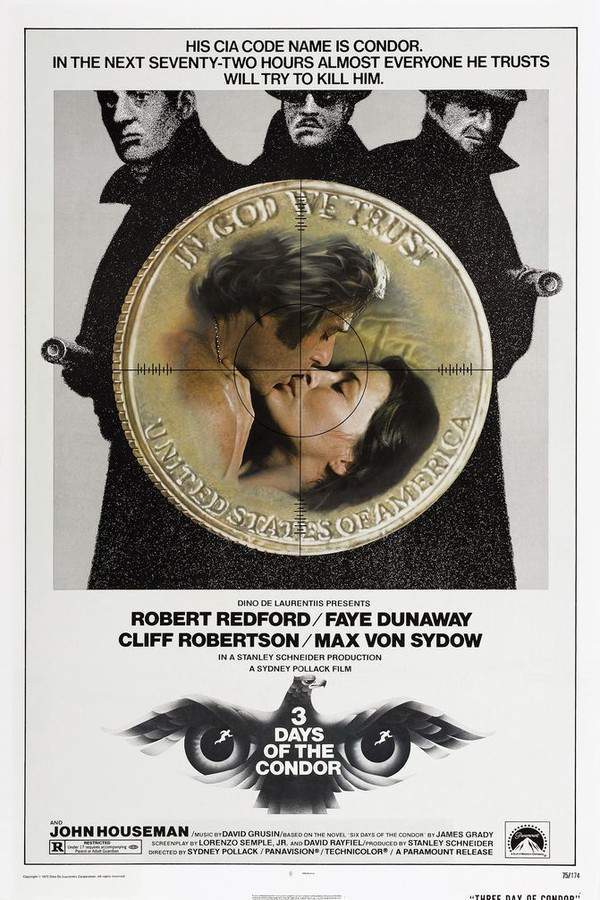
Three Days of the Condor
1975
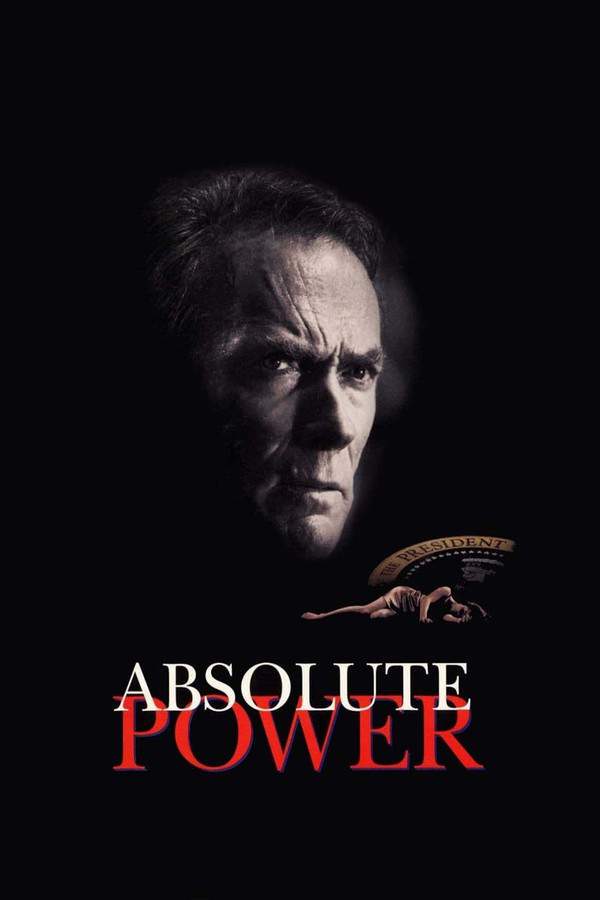
Absolute Power
1997
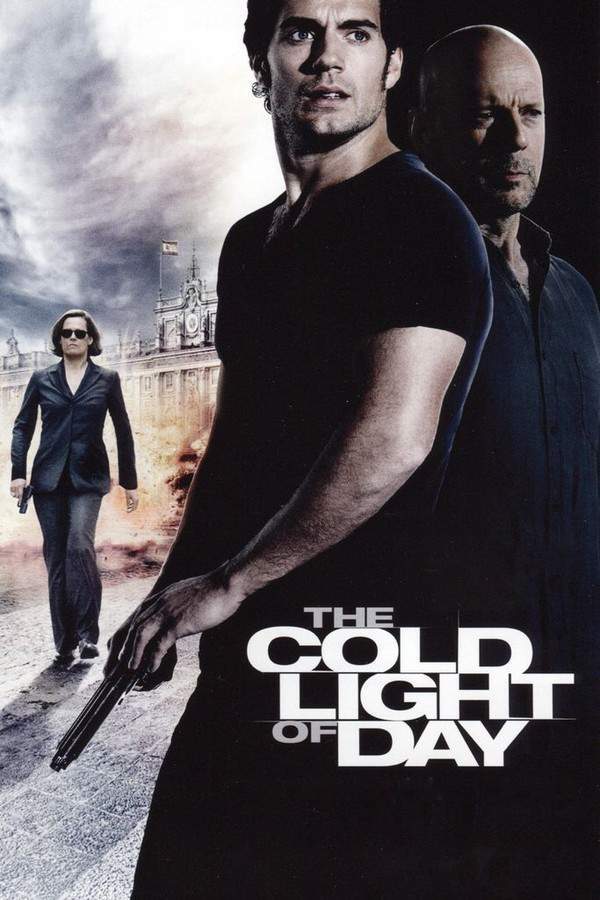
The Cold Light of Day
2012
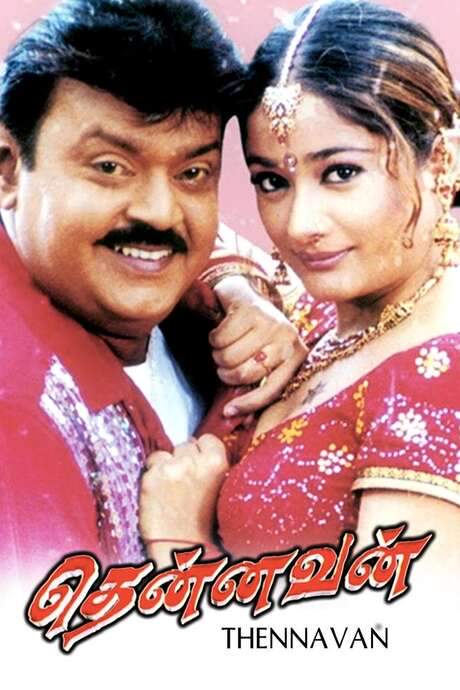
Thennavan
2003

The King
1995

Shadow Conspiracy
1997
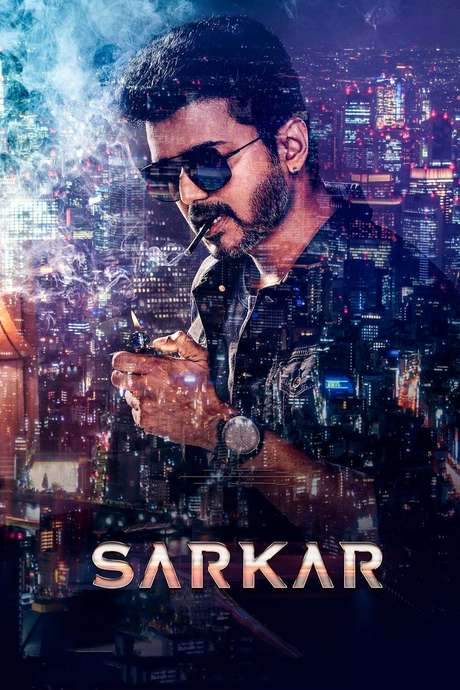
Sarkar
2018
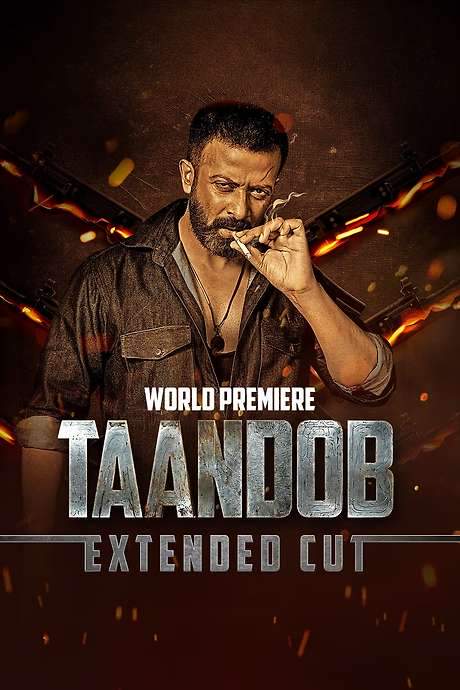
Taandob
2025

A Dangerous Life
1000

Commando - A One Man Army
2013

King’s Game
2004

A Hard Day
2015

A Dangerous Man
2009
Narrative Summary
These narratives follow a 'what if' scenario where a common citizen or reluctant hero is suddenly elevated to a position of supreme authority. The story unfolds in real-time or over a very compressed period, focusing on their attempts to enact immediate change, confront powerful antagonists, and survive the violent political fallout that their brief reign inevitably provokes.
Why These Movies?
Movies are grouped here based on their shared high-concept premise of temporary, concentrated power. They deliver a similar viewing experience of fast-paced, high-intensity drama, where idealism clashes with brutal reality and the protagonists must achieve their goals before time runs out.
Political dramas with heavy personal sacrifice like Nayak: The Real Hero
A crusader against corruption pays a heavy personal price for their principles.For viewers who appreciated the heavy emotional cost and bittersweet victory in Nayak: The Real Hero, this collection features similar political dramas and thrillers. These movies follow idealistic heroes whose fight for justice leads to profound personal loss, traumatic events, and morally complex endings where the win feels Pyrrhic.
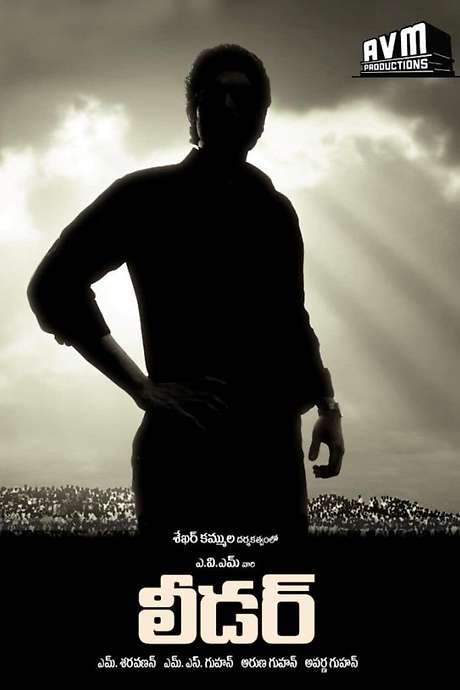
Leader
2010

An Officer and a Spy
2025

Crisis Negotiators
2024

The Negotiator
2025

Heart of the Hunter
2024

The Angel
2018

The Revolution Has Begun
2013

The Amateur
1981

Unsung Hero
2024

Code Name: Emperor
2022

The Reluctant Fundamentalist
2013

The Negotiation
2018

By The People
2005

AKA
2023

Rebel Ridge
2024
Narrative Summary
The narrative pattern involves a principled protagonist initiating a crusade against powerful, corrupt forces. Their initial successes trigger a vicious and deeply personal retaliation from the antagonists, often resulting in the death of loved ones or severe trauma. The hero is forced to compromise their own morals to secure a final, partial victory, leaving them victorious but emotionally scarred.
Why These Movies?
These films are grouped by their shared emotional journey and thematic focus. They all explore the dark reality that challenging powerful evils often extracts a terrible personal toll, creating a cohesive vibe of high-stakes drama, heavy emotional weight, and ultimately, a bittersweet conclusion.
Unlock the Full Story of Nayak: The Real Hero
Don't stop at just watching - explore Nayak: The Real Hero in full detail. From the complete plot summary and scene-by-scene timeline to character breakdowns, thematic analysis, and a deep dive into the ending - every page helps you truly understand what Nayak: The Real Hero is all about. Plus, discover what's next after the movie.
Nayak: The Real Hero Summary
Read a complete plot summary of Nayak: The Real Hero, including all key story points, character arcs, and turning points. This in-depth recap is ideal for understanding the narrative structure or reviewing what happened in the movie.

Nayak: The Real Hero Timeline
Track the full timeline of Nayak: The Real Hero with every major event arranged chronologically. Perfect for decoding non-linear storytelling, flashbacks, or parallel narratives with a clear scene-by-scene breakdown.


