

Plot Explained Spoilers guaranteed!
Plot Explained

Browse by genre

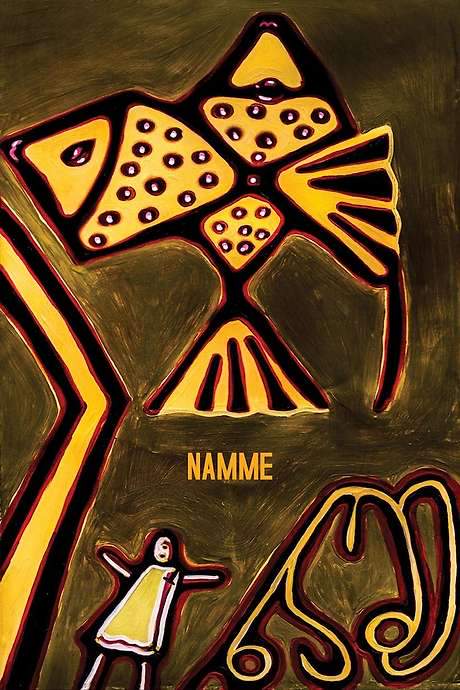
Namme (2017) movie poster

Timeline

Namme (2017) Timeline Explained – Every Event in Order

Release, runtime and language
2017 · 91 mins · Georgian
Directed by
Zaza Khalvashi
Starring
Aleko Abashidze, Roin Surmanidze, Mariska Diasamidze, Ednar Bolkvadze, Ramaz Bolkvadze

Set in the stunning Georgian mountains, a family tends to a sacred spring that provides healing for their village. As his sons depart, the father assigns his daughter the responsibility of caring for the spring. However, an unsettling event disrupts their lives, leading to a mysterious and poignant story about tradition and change.

On this page (5)
  1. 1 Where to watch
  2. 2 Events in order (12)
  3. 3 Timeline questions answered
  4. 4 Movie threads
  5. 5 Every angle

Where to watch

Where to Watch Namme (2017)

Where can you watch Namme? Stream, rent or buy it in the US, including on Klassiki: current JustWatch availability with up-to-date prices.

Streaming availability powered by JustWatch

12 events in order · contains spoilers

Namme Timeline: Events in Chronological Order

Every key event of Namme (2017) in order, scene by scene, with when and where it takes place. Use it to untangle flashbacks, time jumps and parallel storylines, to refresh your memory before the sequel or to find the exact scene you are thinking of.

  1. Opening: Namme and the sacred river

    The film opens with a long shot of the rock by the flowing river, introducing Namme and her family. Namme is Ali’s daughter, part of a clan where three brothers embody different worldviews. The family preserves a ritual in which water and a mystic fish heal people, and Namme is expected to follow her father’s path.

    When
    Opening scene
    Where
    Riverside rock by the river
  2. Three brothers, different ideologies

    One brother is Muslim, another is an atheist teacher, and the third is a Christian Orthodox priest helping build a church. Their beliefs contrast with Namme and her father’s pagan healing tradition. This dynamic frames the tension between tradition and modern rationalism.

    When
    Early
    Where
    Family home
  3. The fishminder duty

    Namme is bound to the family’s role as the fishminder, keeping the sacred fish and performing healing rituals with the water. Her father’s path is presented as the ordained way for Namme, while her brothers reject the father’s icon. This duty anchors the community's belief in the healing power of water.

    When
    Early
    Where
    Ritual space by the water
  4. Shift to urban life

    Tactically, the magical space of the river yields to a broader view of urban surroundings, signaling a broader narrative scope. The quiet, rhythmic world begins to intersect with city life. The film shows a shift in scale as urban surroundings infiltrate the narrative.

    When
    Mid-film
    Where
    Urban outskirts and river edge
  5. The weir’s construction

    The construction of the weir intrudes into the landscape, introducing a human-made element that changes the local ecology. The film hints that such development disrupts the water’s sanctity and the fish's health.

    When
    Mid-film
    Where
    Weir construction site by the river
  6. Pollution and sick fish

    With the weir, water pollution begins to affect the fish, challenging the healing power rooted in the sacred water. Namme notices that her abilities are waning as the environment degrades.

    When
    Mid-to-late
    Where
    River with polluted water
  7. Puritan rules and love forbidden

    Namme faces norms that forbid romantic relationships, creating tension between private life and communal tradition. The puritanical stance threatens her ability to maintain her healing role.

    When
    Mid-late
    Where
    Family/village
  8. Namme falls in love

    Namme falls in love, and this personal awakening subtly weakens her power to heal. The shift suggests a growing conflict between her heart and the ritual obligation.

    When
    Late
    Where
    Riverbank and home
  9. Dilemma and decision

    Namme confronts the choice between pursuing a private life and preserving the family’s sacralized tradition of healing. She weighs the public good against personal happiness.

    When
    Late phase
    Where
    Ritual space and family home
  10. Emancipation and release

    Namme emancipates from the background and lets the fish go, signaling a break with the inherited ritual. She asserts her own agency by releasing the sacred fish back into the environment.

    When
    Ending
    Where
    River, ritual space
  11. Final image: walking on water

    In the final shots, Namme walks on water and gradually fades into the fog, hinting at a possible union with the universe. The scene leaves open whether she continues a private life or remains tied to the mystic cycle.

    When
    Final shot
    Where
    Water surface, fog
  12. Audience interpretation

    The film closes with ambiguity about Namme’s fate, inviting the audience to decide what she becomes—part of the universe or a private life beyond ritual.

    When
    End
    Where
    Open horizon

Last updated: October 01, 2025 at 13:04

Was this helpful?

Timeline questions answered

Namme Timeline Explained: Your Questions Answered

When does it happen, and why in that order? The questions people ask about the chronology of Namme (2017): time jumps, flashbacks, cause and effect between scenes and the correct order of events, each answered with spoilers.

Q1

Why is Namme chosen to continue the healing tradition instead of her brothers?

Namme is chosen because her brothers have all rejected their father's path. One brother became Muslim, another an atheist teacher, and the third a Christian Orthodox priest. Each pursued a different faith that contrasts with the family's pagan healing tradition. This leaves Namme as the only child willing to follow her father's sacred duty of caring for the mystic fish and performing healing rituals with the sacred water.

Foreshadowing: The opening scene establishes Namme as her father's companion in the ritual space, foreshadowing her eventual inheritance of the role.

  • Namme
  • Ali
  • healing tradition
  • brothers
  • sacred fish
  • succession
Q2

How does the sacred fish heal the village's people?

The family's mystic fish is passed down through generations and lives in waters believed to be sacred due to ancestral forces. Namme and her father perform pagan rites and healing ceremonies using this water, drawing on what they regard as its powerfully charged nature. The fish serves as the linchpin for the community's sense of well-being, and the healing process depends on maintaining both the ritual practice and the fish's health.

Foreshadowing: The opening shot lingers on the river where the healing rituals take place, establishing the fish's central importance from the start.

  • sacred fish
  • healing
  • mystic fish
  • ritual
  • village
  • water
Q3

Why does the construction of the weir affect Namme's healing abilities?

The weir is a concrete dam built by modern developers that disrupts the natural flow of the river. This construction introduces pollution and changes the river's ecology, causing the sacred fish to grow sick. Since the healing power comes from the water charged by the fish's vitality, the fish's illness directly weakens Namme's ability to perform healing rituals.

Foreshadowing: The timeline notes the weir's construction as a turning point that disrupts the water's sanctity, linking it to the later decline in Namme's powers.

  • weir
  • construction
  • pollution
  • fish health
  • healing power
  • river
Q4

Why does falling in love weaken Namme's healing abilities?

The film presents Namme's healing power as tied to puritanical traditions that require her to remain detached from private life and romantic relationships. When she falls in love, her personal desires begin to compete with the communal expectations placed upon her as the guardian of sacred rituals. This internal conflict, choosing between public duty and private happiness, erodes the focus and purity required to maintain her healing abilities.

Foreshadowing: Earlier scenes establish the puritan attitudes that close off romantic relationships as incompatible with the healing role.

  • love
  • healing power
  • tradition
  • desire
  • conflict
  • puritan
Q5

What happens to the sacred fish at the end of the film?

Namme emancipates herself from the expectations of her family and tradition by releasing the sacred fish back into the environment. This act signals her break from the inherited ritual of guardianship. By letting go of the fish, she chooses personal freedom over the collective responsibility she was born into.

Foreshadowing: The buildup of pollution and her growing personal conflict foreshadow her eventual decision to release what has bound her.

  • sacred fish
  • release
  • emancipation
  • ending
  • freedom
  • tradition
Q6

What does Namme walking on water and fading into fog mean?

In the final scene, Namme walks on the surface of the water and gradually dissolves into the fog. This enigmatic image is deliberately left open to interpretation. She could be merging with the universe, stepping beyond the world of sacred water into a more private existence, or transcending into a mystical state. The film invites viewers to decide whether she continues a solitary life beyond ritual or becomes part of something larger.

Foreshadowing: The earlier scene where she steps back from forcing the water to heal hints at her eventual transcendence of the traditional healing role.

  • walking on water
  • fog
  • ending
  • ambiguity
  • transcendence
  • interpretation
Q7

What do the three brothers with different religions represent in the story?

The three brothers embody different worldviews that contrast with the family's pagan healing tradition. One brother is Muslim, another is an atheist schoolteacher, and the third is a Christian Orthodox priest. Their divergent paths represent the broader tension between tradition and modernity, faith and rationalism that pervades the film. They reject their father's icon-like path, symbolizing how modernization pulls people away from ancient traditions.

Foreshadowing: The early introduction of the brothers establishes the theme of competing beliefs that shapes the family's dynamics.

  • brothers
  • religion
  • tradition
  • modernity
  • Muslim
  • atheist
  • priest
Q8

What does the polluted water in the river represent thematically?

The polluted water represents the encroachment of modernity and technical progress into traditional ways of life. The weir's construction disrupts not only the river's natural flow but also the sacred ecosystem that has sustained the village's healing practices for generations. The fish's illness mirrors how development threatens ancient traditions, suggesting that progress often comes at the cost of cultural and spiritual heritage.

Foreshadowing: The shift to urban surroundings in the mid-film hints at the broader forces that will disrupt the sacred space.

  • pollution
  • water
  • modernity
  • tradition
  • weir
  • environment
Q9

Why can't Namme have both love and her role as healer?

The film presents Namme's healing power as requiring complete dedication to the communal role, governed by puritanical expectations that forbid romantic involvement. Her love for another person introduces private desires that compete with the selflessness needed to channel the sacred water's healing power. The narrative suggests that the system she inherited cannot accommodate both personal happiness and ritual authority, it demands total surrender to the tradition.

Foreshadowing: The introduction of puritan rules early in the film establishes that romantic relationships are considered incompatible with the healing role.

  • love
  • healing
  • choice
  • tradition
  • duty
  • happiness
  • conflict
Q10

Does Namme die at the end or become something more?

The film deliberately avoids confirming whether Namme dies, ascends mystically, or simply walks away to live a private life. Her walking on water and dissolving into fog could signify death and transcendence, a mystical union with the universe, or simply a metaphorical representation of her emancipation from tradition. The ambiguous ending leaves her fate open to viewer interpretation, consistent with the film's overall approach to meaning-making.

Foreshadowing: The film's slow, observational style and deliberate pacing prepare viewers for an enigmatic conclusion rather than a definitive answer.

  • ending
  • death
  • ambiguity
  • fate
  • transcendence
  • interpretation

Movie threads

More Movies Like Namme, by Mood & Story

Curated lists built around what makes Namme tick: the same mood, the same kind of story or the same emotional payoff. Each list explains why these movies belong together.

Slow cinema meditations on tradition like in Namme

Patient stories where personal desires conflict with sacred ancestral duties. For viewers who appreciated the patient, observant style of Namme. This collection features movies like Namme that use slow pacing to explore themes of family legacy, spiritual belief, and the personal cost of maintaining tradition against the tide of change.

  • contemplative
  • atmospheric
  • patient
  • ceremonial
  • quiet
  • wistful
  • Tone: melancholic, contemplative
  • Pacing: slow, deliberate
Why these movies?

The story pattern: Stories in this thread typically follow a protagonist, often in a rural or isolated setting, who is the guardian of a longstanding custom or place. The central conflict arises when their personal aspirations or external forces challenge this duty, leading to a contemplative and often ambiguous examination of sacrifice and belonging.

Why they belong together: These films are grouped by their shared slow pacing, melancholic tone, and low intensity, creating a meditative viewing experience. They prioritize atmosphere and emotional resonance over plot, focusing on the quiet drama of individuals grappling with their place within a larger, often fading, cultural tapestry.

Enigmatic dramas of spiritual change like in Namme

Stories where a disruption to a natural or spiritual order causes a quiet crisis. If you liked the mysterious and poignant story of disruption in Namme, this list finds similar movies. These films explore how an unsettling event impacts spiritual beliefs, family dynamics, and the relationship with nature, often leading to ambiguous conclusions.

  • enigmatic
  • poignant
  • atmospheric
  • wistful
  • spiritual
  • mysterious
  • Tone: melancholic, enigmatic
  • Pacing: steady, observational
Why these movies?

The story pattern: The narrative pattern involves a community or individual in harmony with a unique belief system or natural element. An unexplained occurrence—be it spiritual, environmental, or personal—acts as a catalyst, forcing characters to question their faith, legacy, and future. The journey is characterized by a sense of loss, questioning, and often an open-ended resolution.

Why they belong together: These movies share a focus on enigmatic catalysts for change, a medium emotional weight dealing with serious themes, and an ambiguous ending feel. They blend elements of drama and subtle fantasy or mysticism to explore how characters adapt to irreversible shifts in their world.

Every angle

Namme (2017) Explained: Plot, Timeline & Characters

Everything about Namme in one place: what happens in the plot summary, the timeline in chronological order, the characters and meaning and a spoiler-free summary. What's After the Movie adds the cast, box office and post-credit scenes.

Coming soon on iOS and Android

The Plot Explained Movie Summary App

Plot summaries, endings explained and timelines on your phone. Catch up on any movie in minutes, save your favorites and never miss a twist again.

Be the first to know when we launch. Your email stays private, always.

Learn more about the app