

Plot Explained Spoilers guaranteed!
Plot Explained

Browse by genre

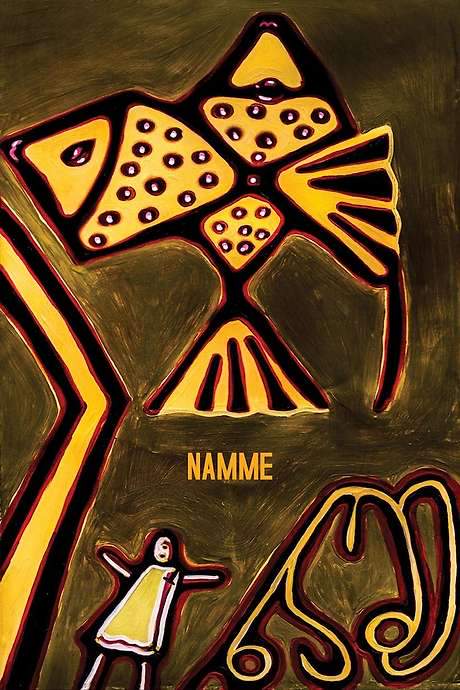
Namme (2017) movie poster

Characters & Themes

Namme (2017) Characters, Setting & Themes Explained

Release, runtime and language
2017 · 91 mins · Georgian
Directed by
Zaza Khalvashi
Starring
Aleko Abashidze, Roin Surmanidze, Mariska Diasamidze, Ednar Bolkvadze, Ramaz Bolkvadze

Set in the stunning Georgian mountains, a family tends to a sacred spring that provides healing for their village. As his sons depart, the father assigns his daughter the responsibility of caring for the spring. However, an unsettling event disrupts their lives, leading to a mysterious and poignant story about tradition and change.

On this page (7)
  1. 1 Where to watch
  2. 2 Characters explained (4)
  3. 3 Where & when it takes place
  4. 4 Themes & meaning (3)
  5. 5 Character & meaning questions
  6. 6 Movie threads
  7. 7 Every angle

Where to watch

Where to Watch Namme (2017)

Where can you watch Namme? Stream, rent or buy it in the US, including on Klassiki: current JustWatch availability with up-to-date prices.

Streaming availability powered by JustWatch

4 main characters · contains spoilers

Namme Characters Explained: Who Is Who

The main characters of Namme (2017), heroes and villains: what drives them, how they change over the course of the story and what each of them reveals about the film's bigger ideas.

  • Namme (Mariska Diasamidze)

    Namme is the daughter caught between sacred family duties and her own desires. She begins as a healer who tends to people with water-based rituals but gradually questions the price of maintaining the ancestral path. Her evolution centers on personal autonomy, love, and the tension between private life and communal responsibility.

    • 🧭 Protagonist
    • 🌊 Healer
    • 🕊️ Freedom-seeker
  • Lado (Roin Surmanidze)

    Lado is the teacher in a single-pupil class, representing secular, rational thinking within the family. He embodies the ideological contrast to traditional beliefs, highlighting the friction between intellectual modernity and ritualistic practice. His stance adds a counterpoint to the film's atmosphere of mystic slow cinema.

    • 🧭 Teacher
    • 🗳️ Rationalist
    • 👤 Brother
  • Giorgi (Ednar Bolkvadze)

    Giorgi is the Christian Orthodox priest who participates in building the church, symbolizing organized religion and communal tradition. He anchors the religious thread within the family and acts as a foil to the mystical healing rites. His presence underscores the plurality of faiths within the same household.

    • ⛪ Priest
    • 🕯️ Faithful
    • 🧩 Traditionalist
  • Nuri (Ramaz Bolkvadze)

    Nuri represents the Muslim brother, embodying another religious voice within the family. He contributes to the spectrum of belief that coexists in the household, illustrating the theme of coexistence and tension among different faiths. His stance adds to the film's exploration of ritual, identity, and the limits of tradition.

    • ☪️ Muslim
    • 🕌 Faithful
    • 🧭 Skeptic

Last updated: October 01, 2025 at 12:25

Was this helpful?

Setting

Where and When Does Namme Take Place?

The setting of Namme (2017): the year and time period, the places and locations, and how they shape the characters, the mood and the tension of the story.

Time period

Location

Rural riverbank, Urban outskirts

The film unfolds across a rural riverside where the family sustains a sacred water tradition via a mystic fish. The setting shifts to the surrounding area as the weir is built, introducing a contrast between pastoral life and modern infrastructure. The river's edge acts as a liminal space where ritual healing occurs and where pollution becomes a threat to the community.

  • 🏞️ Rural landscape
  • 💧 Sacred water

Last updated: October 01, 2025 at 12:25

Was this helpful?

3 major themes

Namme Meaning: Themes & Message Explained

What is Namme (2017) really about? The emotional, social and philosophical themes the film keeps returning to, its symbolism and the message beneath the surface.

  • Tradition vs Modernity

    Namme's world sits at the intersection of ancestral rituals and changing times. The family's water-based healing tradition clashes with the encroaching modern development symbolized by the weir. The film uses slow, meditative pacing to highlight how tradition resists but is gradually redefined by new pressures. Ultimately, Namme's choice to break with the old path marks a turn toward personal autonomy.

  • Sacred Water

    Water is both a healing force and a source of power inherited through generations. The mystic fish and pagan rituals frame healing as a communal act bound to nature. Pollution and environmental change threaten the water's potency, forcing characters to re-evaluate who may wield its power. The water becomes a symbol of life, risk, and spiritual responsibility.

  • Freedom & Emancipation

    Namme's love and personal desires challenge the family's strict tradition that governs healing work. The narrative follows her journey from obedience to self-determination, culminating in a dissolution of the father's path. The ending suggests liberation rather than definitive resolution, inviting the audience to interpret Namme's fate. The film frames emancipation as a quiet, existential awakening rather than a dramatic conquest.

Last updated: October 01, 2025 at 12:25

Was this helpful?

Character & theme questions

Namme Characters & Meaning: Your Questions Answered

The questions people ask about Namme (2017): who the characters really are, their relationships, what the symbols mean, where it takes place and what the movie is really about. Each answer contains spoilers.

Q1

Where is the movie set?

The movie is set in the stunning Georgian mountains, along a rural riverside where a family maintains a sacred water tradition. The location serves as a liminal space between pastoral life and the modern world, with the river's edge acting as both a healing ground and a site threatened by encroaching development.

  • georgian mountains
  • rural setting
  • sacred spring
  • riverside location
Q2

What is the sacred water tradition in the story?

The family tends to a sacred spring that provides healing for their village. This tradition involves a mystic fish and water-based pagan rituals that have been passed down through generations. The healing is framed as a communal act bound to nature, with the water serving as both a healing force and a source of spiritual power.

  • sacred water
  • healing tradition
  • mystic fish
  • pagan rituals
Q3

What is the main theme of tradition versus modernity?

The film explores how ancestral healing rituals clash with encroaching modern development symbolized by the building of a weir. The slow, meditative pacing highlights how tradition resists but is gradually redefined by new pressures. This tension ultimately shapes Namme's choice to break with the old path.

  • tradition
  • modernity
  • conflict
  • weir
  • change
Q4

What does Namme's journey represent?

Namme's journey represents a quiet emancipation from family tradition. As a daughter torn between sacred duties and personal desires, she progresses from obedience to self-determination. The ending suggests liberation rather than definitive resolution, framing her awakening as existential rather than dramatic.

  • namme
  • emancipation
  • autonomy
  • personal freedom
Q5

Who is Namme and what is her role?

Namme is the daughter who serves as the family healer, tending to people using water-based rituals. Caught between maintaining the ancestral path and her own desires, she gradually questions the price of tradition. Her evolution centers on personal autonomy, love, and the tension between private life and communal responsibility.

  • namme
  • healer
  • daughter
  • tradition
Q6

What roles do the religious family members play?

The family includes multiple religious voices: Lado represents secular, rational thinking as a teacher; Giorgi serves as the Christian Orthodox priest who participates in church building; and Nuri represents the Muslim brother. This spectrum illustrates the film's exploration of coexistence and tension among different faiths within the same household.

  • lado
  • giorgi
  • nuri
  • religion
  • orthodoxy
  • islam
Q7

What does the water symbolize in the film?

Water functions as both a healing force and a source of power inherited through generations. It symbolizes life, risk, and spiritual responsibility. The mystic fish and pagan rituals frame healing as a communal act bound to nature, while pollution and environmental change threaten the water's potency, forcing characters to re-evaluate who may wield its power.

  • water symbolism
  • healing
  • nature
  • pollution
  • spiritual power
Q8

What time period is the movie set in?

The film does not specify an exact time period, but the setting suggests a contemporary or near-contemporary era where traditional rural life contrasts with modern development. The building of the weir represents modern infrastructure pressing into an otherwise timeless pastoral landscape.

  • time period
  • era
  • contemporary
  • modernity
Q9

How does the film approach the theme of freedom?

The film approaches freedom through Namme's quiet existential awakening rather than a dramatic conquest. Her love and personal desires challenge the family's strict tradition that governs healing work. The ambiguous ending invites audiences to interpret her fate, suggesting liberation comes through internal transformation rather than external escape.

  • freedom
  • awakening
  • liberation
  • choice
Q10

What is the filmmaking style of the movie?

The film employs a 'slow cinema' approach characterized by long takes and patient, almost ceremonial gravity. The pacing prioritizes atmosphere over conventional plot, creating an observational rather than suspenseful experience. This style reinforces the film's melancholic tone and themes of tradition slowly unraveling.

  • slow cinema
  • pacing
  • atmosphere
  • filmmaking style

Movie threads

More Movies Like Namme, by Mood & Story

Curated lists built around what makes Namme tick: the same mood, the same kind of story or the same emotional payoff. Each list explains why these movies belong together.

Slow cinema meditations on tradition like in Namme

Patient stories where personal desires conflict with sacred ancestral duties. For viewers who appreciated the patient, observant style of Namme. This collection features movies like Namme that use slow pacing to explore themes of family legacy, spiritual belief, and the personal cost of maintaining tradition against the tide of change.

  • contemplative
  • atmospheric
  • patient
  • ceremonial
  • quiet
  • wistful
  • Tone: melancholic, contemplative
  • Pacing: slow, deliberate
Why these movies?

The story pattern: Stories in this thread typically follow a protagonist, often in a rural or isolated setting, who is the guardian of a longstanding custom or place. The central conflict arises when their personal aspirations or external forces challenge this duty, leading to a contemplative and often ambiguous examination of sacrifice and belonging.

Why they belong together: These films are grouped by their shared slow pacing, melancholic tone, and low intensity, creating a meditative viewing experience. They prioritize atmosphere and emotional resonance over plot, focusing on the quiet drama of individuals grappling with their place within a larger, often fading, cultural tapestry.
Enigmatic dramas of spiritual change like in Namme

Stories where a disruption to a natural or spiritual order causes a quiet crisis. If you liked the mysterious and poignant story of disruption in Namme, this list finds similar movies. These films explore how an unsettling event impacts spiritual beliefs, family dynamics, and the relationship with nature, often leading to ambiguous conclusions.

  • enigmatic
  • poignant
  • atmospheric
  • wistful
  • spiritual
  • mysterious
  • Tone: melancholic, enigmatic
  • Pacing: steady, observational
Why these movies?

The story pattern: The narrative pattern involves a community or individual in harmony with a unique belief system or natural element. An unexplained occurrence—be it spiritual, environmental, or personal—acts as a catalyst, forcing characters to question their faith, legacy, and future. The journey is characterized by a sense of loss, questioning, and often an open-ended resolution.

Why they belong together: These movies share a focus on enigmatic catalysts for change, a medium emotional weight dealing with serious themes, and an ambiguous ending feel. They blend elements of drama and subtle fantasy or mysticism to explore how characters adapt to irreversible shifts in their world.

Every angle

Namme (2017) Explained: Plot, Timeline & Characters

Everything about Namme in one place: what happens in the plot summary, the timeline in chronological order, the characters and meaning and a spoiler-free summary. What's After the Movie adds the cast, box office and post-credit scenes.

Coming soon on iOS and Android

The Plot Explained Movie Summary App

Plot summaries, endings explained and timelines on your phone. Catch up on any movie in minutes, save your favorites and never miss a twist again.

Be the first to know when we launch. Your email stays private, always.

Learn more about the app