Plot Explained Spoilers guaranteed!
Plot Explained

Browse by genre

My Neighbor Adolf (2022) movie poster

Plot Summary

My Neighbor Adolf (2022) Plot Summary Explained

Release, runtime and language
2022 · 96 mins · English
Echo score 78
Loading streaming availability…
Directed by
Leon Prudovsky
Starring
Udo Kier, David Hayman, Jaime Correa, Tomasz Sobczak, Radosław Chabowski, Dorota Liliental

Set in South America in 1960, a reclusive Holocaust survivor becomes convinced that his new neighbor is Adolf Hitler. Dismissed as delusional, he launches his own investigation, gathering ambiguous clues. As proof remains elusive, Polsky is forced to forge a fragile relationship with the presumed dictator to obtain conclusive proof of his identity.

On this page (6)
  1. 1 Where to watch
  2. 2 What happens: full plot
  3. 3 Plot questions answered
  4. 4 Movie threads
  5. 5 Movies like My Neighbor Adolf
  6. 6 Every angle
Loading streaming availability…

Full plot summary · contains spoilers

What Happens in My Neighbor Adolf: Full Plot Summary

The whole story of My Neighbor Adolf (2022) explained, from the opening scene to the final frame: every key event, every twist and what it all adds up to. Read it as a quick recap before the sequel, to check a scene you missed, or to finally understand what really happened.

In May 1960, an elderly and cantankerous Polish Jew named Mr. Polsky, who is also a Holocaust survivor, finds solitude in the tranquil countryside of Argentina. He spends his days tending to his garden and challenging himself with games of chess. His otherwise quiet life takes an unexpected turn when a mysterious German man named Herman Herzog moves in next door. This coincides with the dramatic abduction of the notorious Nazi Adolf Eichmann by Mossad agents, adding to Polsky's mounting suspicions.

Polsky becomes convinced that Herzog is actually Adolf Hitler, believing the infamous dictator had staged his own demise, altered his appearance, and sought refuge in South America to escape his grim legacy. Despite his assertions being met with skepticism by those around him, Polsky is resolute in his quest to uncover the truth and prove his theory. He takes it upon himself to observe and get closer to Herzog, seeking tangible evidence that could support his claims.

As time unfolds, however, Polsky learns that Herzog is not the feared dictator but rather one of Hitler’s body doubles, a man haunted by his own past who is desperately trying to evade the shadows of history. Together, they navigate their troubled recollections, forming an unlikely bond as they confront their shared traumas.

Just as Polsky begins to reconcile his conflict regarding Herzog, the very Mossad agents who once dismissed him return, intent on investigating Herzog despite Polsky’s admission of error regarding his initial suspicions. In a heartfelt moment of clarity, Polsky divulges the truth about what he discovered to Herzog, who expresses his gratitude and prepares to move once again, seeking a new sanctuary from his past.

This tale richly explores themes of identity, redemption, and the complex ties that bind the past to the present, woven through the unique relationship formed between a survivor and a man trying to escape the legacy of tyranny.

Last updated: September 18, 2026 at 08:59

Was this helpful?

Plot questions answered

My Neighbor Adolf Plot Explained: Your Questions Answered

The questions people ask most about My Neighbor Adolf (2022): what happens in the confusing scenes, why the characters do what they do, the twists, hidden details and what the ending means. Each answer contains spoilers.

Q1

Why does Polsky believe his new neighbor is Adolf Hitler?

Polsky, a Holocaust survivor living alone in the Argentine countryside, becomes convinced that the German man who moves in next door is Hitler hiding in plain sight. He believes the dictator faked his own death, altered his appearance, and escaped to South America to avoid capture. The timing of the neighbor's arrival, shortly after Mossad abducted Adolf Eichmann in Argentina, deepens his conviction that fugitive Nazis are still hiding in the region.

  • polsky
  • hitler
  • suspicion
  • body double
  • nazi
Q2

What does the Eichmann abduction have to do with Polsky's suspicions?

The real-life 1960 Mossad operation to capture Adolf Eichmann in Argentina provides the catalyst for Polsky's growing obsession. Learning that a high-ranking Nazi had successfully lived in hiding nearby convinces Polsky that other notorious war criminals, including Hitler, could be doing the same. This event validates his paranoia and pushes him to actively investigate his new neighbor.

  • eichmann
  • mossad
  • abduction
  • polsky
  • argentina
Q3

Who is Herman Herzog really?

Polsky eventually discovers that Herzog is not Adolf Hitler but one of Hitler's body doubles, a man whose appearance was once exploited to protect the real dictator. Herzog is haunted by the legacy he was forced to carry and is trying to live out his remaining life quietly. His resemblance to Hitler is genuine, but he is a different man entirely, burdened by association rather than guilt.

  • herzog
  • hitler
  • body double
  • identity
  • twist
Q4

How does Polsky try to prove that Herzog is Hitler?

After being dismissed as delusional by those around him, Polsky decides to get closer to Herzog instead of reporting him to authorities. He observes his neighbor's habits, studies his appearance, and slowly builds a fragile relationship with him in order to gather tangible proof. This gradual approach allows him to collect ambiguous clues while earning enough of Herzog's trust to eventually uncover the truth.

  • polsky
  • investigation
  • evidence
  • herzog
  • suspicion
Q5

Why does Polsky befriend the man he suspected of being Hitler?

Initially, Polsky's friendship with Herzog is a calculated move to get close enough to gather evidence. Over time, however, their conversations about shared trauma, displacement, and loss create an unexpected bond. As Polsky realizes Herzog is not Hitler but a fellow victim of history's violence, the relationship evolves from surveillance into genuine companionship.

  • polsky
  • herzog
  • friendship
  • bond
  • relationship
Q6

Why do the Mossad agents return to investigate Herzog?

After initially dismissing Polsky's claims, the Mossad agents return when renewed interest in Herzog's identity resurfaces. Their return raises the stakes for both men, since Herzog has been living under the assumption that he was no longer being pursued. The agents' arrival forces Polsky into a moral dilemma about whether to protect his new companion or cooperate with the investigation.

  • mossad
  • agents
  • herzog
  • investigation
  • return
Q7

Why does Polsky admit he was wrong about Herzog?

Polsky confesses his error once he realizes that exposing Herzog to the Mossad would mean betraying a man who has suffered simply for resembling a monster. His admission reflects a personal transformation, as he chooses empathy over vindication. It also protects Herzog from being pursued for a crime he did not commit.

  • polsky
  • admission
  • confession
  • herzog
  • mossad
Q8

Why does Herzog decide to leave at the end of the film?

Despite the friendship he has built with Polsky, Herzog chooses to leave because he knows that his resemblance to Hitler will always draw suspicion. Staying in one location for too long risks attracting renewed attention from Mossad or other hunters of former Nazis. Departing becomes his way of preserving the fragile peace he has just found and continuing his lifelong effort to disappear.

  • herzog
  • departure
  • ending
  • mossad
  • escape
Q9

How does the relationship between Polsky and Herzog change over the course of the story?

Their relationship shifts from suspicion and covert investigation into an unlikely friendship built on shared trauma. Polsky begins as a self-appointed detective trying to expose Herzog, but as they talk, play chess, and confront their memories of war and displacement, the hostility fades. By the end, Polsky sees Herzog as a fellow survivor rather than a threat, leading him to actively protect him.

  • polsky
  • herzog
  • relationship
  • friendship
  • evolution
Q10

What themes does the film explore?

The story meditates on identity, guilt, and the lasting psychological damage inflicted by the Holocaust, both on its victims and on those who were forced to orbit Nazi power. It also examines how easily paranoia can take root in a traumatized mind and how compassion can emerge even from suspicion. The ending emphasizes forgiveness, suggesting that redemption is possible when people choose to see each other's humanity rather than their assumed roles.

  • themes
  • identity
  • guilt
  • forgiveness
  • holocaust
Q11

Did Hitler actually use body doubles?

The premise of the story draws on a real historical rumor that Hitler employed look-alike doubles during the war for security purposes. Most mainstream historians remain skeptical of these claims, but the rumor persisted in postwar culture and became part of the mythology around the Nazi regime. The film uses this lingering uncertainty to construct its central mystery about who Herzog really is.

  • hitler
  • body double
  • history
  • rumor
  • doppelganger
Q12

Why is the story set in 1960?

The 1960 setting places the narrative immediately after the real-life Mossad capture of Adolf Eichmann in Buenos Aires. This event confirms that high-ranking Nazis had successfully hidden in South America for over a decade, making Polsky's suspicions plausible. The remote Argentine countryside also mirrors the isolation both men feel as they try to escape the reach of history.

  • 1960
  • setting
  • argentina
  • eichmann
  • mossad

Movie threads

More Movies Like My Neighbor Adolf, by Mood & Story

Curated lists built around what makes My Neighbor Adolf tick: the same mood, the same kind of story or the same emotional payoff. Each list explains why these movies belong together.

Bitter bonds between former enemies like in My Neighbor Adolf

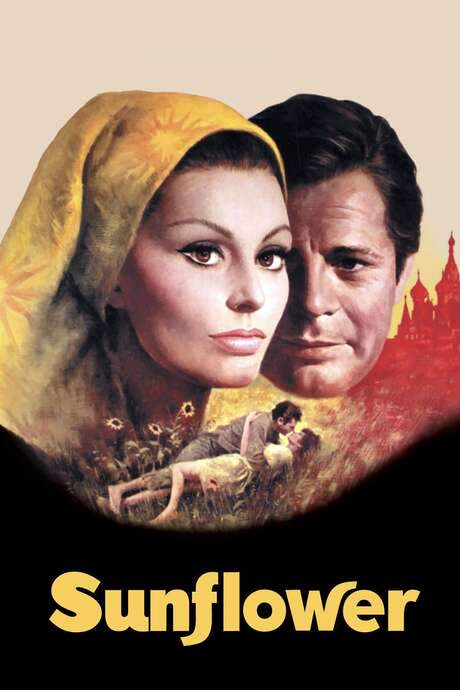
Stories where former adversaries find fragile common ground amid the ruins of a shared traumatic past. If you liked My Neighbor Adolf, you will enjoy these slow, melancholic dramas about former adversaries who form fragile, complicated connections. Each film captures the emotional weight of trauma shared across enemy lines, offering reflective character studies about guilt, reconciliation, and the human cost of history.

  • bittersweet
  • melancholic
  • reflective
  • guilt
  • fragile bond
  • haunted
  • Tone: bittersweet, melancholic
  • Pacing: slow burn, contemplative
Why these movies?

The story pattern: Stories in this thread typically begin with mutual hostility or deep suspicion between two people shaped by opposing sides of a conflict. Through forced proximity, ritualized encounters (chess, meals, work, conversation), and the slow erosion of stereotypes, a wary bond forms. The arc often moves from confrontation toward reluctant tenderness, then ends on a bittersweet note where connection exists but escape, justice, or peace remains out of reach. The emotional climax usually comes not from action but from a quiet, devastating recognition of shared humanity.

Why they belong together: These films share a slow, contemplative pacing, heavy emotional weight, and a bittersweet ending feel. They center intimate two-hander dynamics, lean on dialogue and silence rather than spectacle, and explore guilt, persecution, and trauma from multiple perspectives. Their tone is melancholic but never nihilistic, and the unresolved ending reflects the impossibility of full reconciliation after catastrophic history.
Slow burn suspicion and hidden identity mysteries like in My Neighbor Adolf

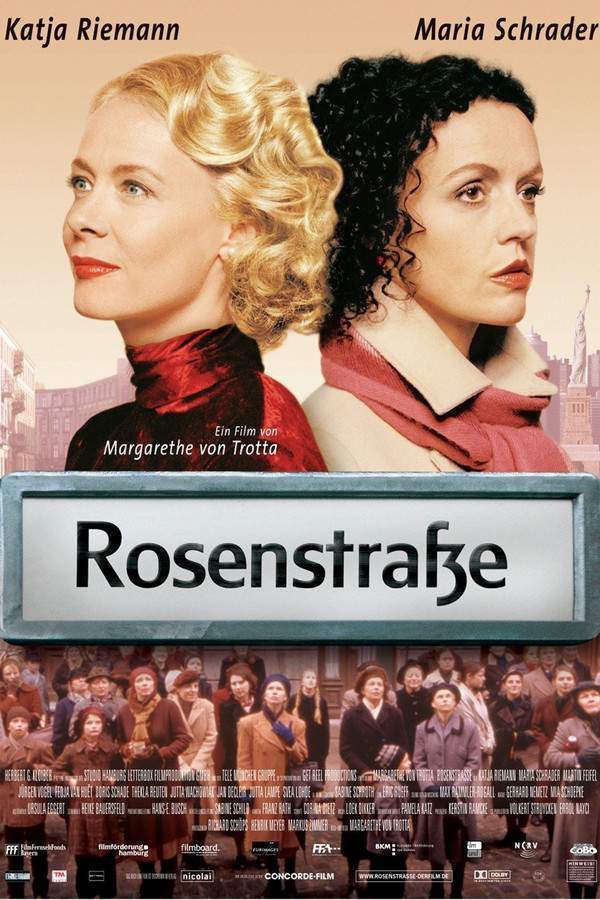
Slow-burn mysteries where a lone, haunted mind pieces together an elusive, devastating truth. Movies like My Neighbor Adolf for viewers who love quiet, character-driven mysteries about hidden identities and obsessive amateur investigations. Expect slow pacing, ambiguous clues, and a reflective tone where the real tension comes from a single suspicious mind piecing together an unsettling truth in an otherwise ordinary setting.

  • slow burn
  • suspicious
  • obsessive
  • contemplative
  • ambiguous clues
  • psychological
  • Tone: suspenseful, contemplative, melancholic
  • Pacing: slow burn, deliberate
Why these movies?

The story pattern: A reclusive or marginalized protagonist becomes convinced that someone close to them harbors a dark, concealed identity. Official channels dismiss them, so they investigate alone, gathering clues that are suggestive but never conclusive. A fragile relationship with the suspect develops as a means of gathering proof, blurring the line between obsession and genuine insight. The story tends to end ambiguously or bittersweetly, leaving the truth partially revealed and the investigator changed by the search itself.

Why they belong together: These films share a slow, deliberate pacing, moderate complexity built around an unreliable central conviction, and a mood of quiet suspicion rather than overt thriller mechanics. They use isolated or rural settings, daily rituals as narrative scaffolding, and heavy thematic undercurrents like trauma, guilt, persecution, and the long shadow of history. Tension is psychological and atmospheric, with bittersweet or melancholic resolutions that prioritize reflection over catharsis.

If you liked this

Movies Like My Neighbor Adolf

Similar movies to My Neighbor Adolf: the same genre, themes or kind of story. Each one comes with its own plot summary, timeline and ending explained.

Browse all movie summaries

Every angle

My Neighbor Adolf (2022) Explained: Plot, Timeline & Characters

Everything about My Neighbor Adolf in one place: what happens in the plot summary, the timeline in chronological order, the characters and meaning and a spoiler-free summary. What's After the Movie adds the cast, box office and post-credit scenes.

Coming soon on iOS and Android

The Plot Explained Movie Summary App

Plot summaries, endings explained and timelines on your phone. Catch up on any movie in minutes, save your favorites and never miss a twist again.

Be the first to know when we launch. Your email stays private, always.

Learn more about the app