Plot Explained Spoilers guaranteed!
Plot Explained

Browse by genre

My Neighbor Adolf (2022) movie poster

Characters & Themes

My Neighbor Adolf (2022) Characters, Setting & Themes Explained

Release, runtime and language
2022 · 96 mins · English
Echo score 78
Loading streaming availability…
Directed by
Leon Prudovsky
Starring
Udo Kier, David Hayman, Jaime Correa, Tomasz Sobczak, Radosław Chabowski, Dorota Liliental

Set in South America in 1960, a reclusive Holocaust survivor becomes convinced that his new neighbor is Adolf Hitler. Dismissed as delusional, he launches his own investigation, gathering ambiguous clues. As proof remains elusive, Polsky is forced to forge a fragile relationship with the presumed dictator to obtain conclusive proof of his identity.

On this page (8)
  1. 1 Where to watch
  2. 2 Characters explained (2)
  3. 3 Where & when it takes place
  4. 4 Themes & meaning (2)
  5. 5 Character & meaning questions
  6. 6 Movie threads
  7. 7 Movies like My Neighbor Adolf
  8. 8 Every angle
Loading streaming availability…

2 main characters · contains spoilers

My Neighbor Adolf Characters Explained: Who Is Who

The main characters of My Neighbor Adolf (2022), heroes and villains: what drives them, how they change over the course of the story and what each of them reveals about the film's bigger ideas.

  • Mr. Polsky (David Hayman)

    Mr. Polsky is an elderly Polish Jew and Holocaust survivor, characterized by his grumpy demeanor and a strong sense of suspicion. His traumatic past drives him to believe that his neighbor is Hitler, which propels him into a journey of investigation and ultimately, introspection. Polsky's resilience and determination to uncover the truth reveal his complex personality shaped by experiences of loss and survival.

    • 👴 Senior
    • 🇵🇱 Survivor
    • 🕵️‍♂️ Investigator
  • Herman Herzog (Udo Kier)

    Herman Herzog is a mysterious old German man who moves next to Polsky, leading to a tumultuous relationship marked by distrust and hidden truths. As a former body double of Hitler, Herzog embodies the theme of escaping one's past, showcasing both vulnerability and depth as he navigates his identity amid the shadows of history. His interactions with Polsky challenge him to confront his own fears.

    • 👴 Mysterious
    • 🤔 Complex
    • 💔 Past

Last updated: September 09, 2026 at 04:40

Was this helpful?

Setting

Where and When Does My Neighbor Adolf Take Place?

The setting of My Neighbor Adolf (2022): the year and time period, the places and locations, and how they shape the characters, the mood and the tension of the story.

Time period

May 1960

Set in May 1960, the film captures a time shortly after the abduction of Adolf Eichmann, a key figure in Nazi Germany, by Mossad agents in Argentina. This period marks a significant moment in history as former Nazis were being hunted down in South America, reflecting a post-war struggle for justice and acknowledgment of the atrocities committed during the Holocaust.

Location

Argentina, Remote Countryside

The movie takes place in the remote countryside of Argentina, a serene yet isolated location known for its picturesque landscapes and tranquil environment. This area offers a stark contrast to the tumultuous history of World War II, providing a backdrop for themes of survival and reconciliation.

  • 🌄 Landscape
  • 🌾 Rural

Last updated: September 09, 2026 at 04:40

Was this helpful?

2 major themes

My Neighbor Adolf Meaning: Themes & Message Explained

What is My Neighbor Adolf (2022) really about? The emotional, social and philosophical themes the film keeps returning to, its symbolism and the message beneath the surface.

  • Suspicion

    Suspicion looms large in the narrative as Mr. Polsky believes his new neighbor, Herzog, is actually Adolf Hitler in disguise. This theme highlights the paranoia and challenges faced by survivors of the Holocaust, grappling with their past traumas. Polsky's relentless pursuit of truth illustrates the lengths individuals will go to confront their fears and demons.

  • Reconciliation

    The theme of reconciliation emerges as Polsky and Herzog confront their intertwined histories. Despite initial animosity and suspicion, the connection they forge reflects the potential for understanding and healing even among those affected by the darkest aspects of humanity. Their bond underscores the notion that everyone carries their own burdens and seeking peace is a universal aspiration.

Last updated: September 09, 2026 at 04:40

Was this helpful?

Character & theme questions

My Neighbor Adolf Characters & Meaning: Your Questions Answered

The questions people ask about My Neighbor Adolf (2022): who the characters really are, their relationships, what the symbols mean, where it takes place and what the movie is really about. Each answer contains spoilers.

Q1

Where is the movie set?

My Neighbor Adolf takes place in the remote countryside of Argentina, a quiet and isolated rural area. This pastoral setting provides a stark contrast to the heavy WWII-era history carried by both main characters and amplifies the tension of two men trapped in close proximity.

  • setting
  • argentina
  • rural countryside
  • location
  • south america
Q2

When does the story take place?

The film is set in May 1960, shortly after the real-life abduction of Adolf Eichmann by Mossad agents in Argentina. This timing is significant because former Nazis were actively being hunted across South America, which makes the idea of a high-ranking Nazi hiding in plain sight feel plausible within the story's world.

  • time period
  • 1960
  • eichmann
  • mossad
  • post-war
  • era
Q3

Why is Argentina historically significant to the story?

Argentina became a well-known refuge for former Nazi officials after World War II, making it plausible that war criminals could live there undetected for years. The 1960 setting places My Neighbor Adolf during the real global effort to track down and bring these fugitives to justice, giving the protagonist's suspicion a believable foundation.

  • argentina
  • nazi refuge
  • post-war
  • historical context
  • south america
Q4

Who is Mr. Polsky?

Mr. Polsky is an elderly Polish Jew and Holocaust survivor living alone in rural Argentina. His grumpy demeanor masks deep trauma, and his refusal to let go of his suspicion about his new neighbor reveals a man shaped by loss and driven by an urgent need to confront the past.

  • polsky
  • protagonist
  • holocaust survivor
  • polish jew
  • elderly man
Q5

Who is Herman Herzog?

Herman Herzog is a mysterious elderly German man who moves in next door to Polsky. Quiet, reserved, and carrying his own hidden burdens, Herzog becomes the focus of Polsky's obsession and the source of a relationship defined by both distrust and an unexpected, fragile connection.

  • herzog
  • german neighbor
  • udo kier
  • mysterious man
  • antagonist
Q6

What is the dynamic between Polsky and Herzog?

Their relationship begins with mutual suspicion and animosity, but it gradually shifts as both men reveal vulnerabilities shaped by the war. Polsky is determined to expose Herzog, while Herzog quietly endures the scrutiny, and the two slowly develop an uneasy bond built on shared loneliness and buried guilt.

  • relationship
  • bond
  • dynamic
  • polsky and herzog
  • neighbors
Q7

What does the theme of suspicion explore?

The suspicion theme in My Neighbor Adolf reflects the paranoia many Holocaust survivors carried long after the war ended. Polsky's conviction that his neighbor is Hitler illustrates how unresolved trauma can warp perception and drive a person to obsessive investigation, blurring the line between vigilance and delusion.

  • suspicion
  • paranoia
  • trauma
  • holocaust
  • obsession
  • theme
Q8

What does the theme of reconciliation explore?

The reconciliation theme explores whether understanding and even peace can be reached between people on opposite sides of historical atrocity. Through Polsky and Herzog's evolving connection, the film suggests that the human need for companionship and forgiveness can emerge even from the darkest shared histories.

  • reconciliation
  • forgiveness
  • healing
  • understanding
  • theme
Q9

What kind of movie is it in tone and pacing?

My Neighbor Adolf is a slow-paced, character-driven drama rather than a thriller. The tone is bittersweet and heavy in subject matter, but it breathes through long stretches of chess games, gardening, and quiet conversation between two old men, giving the tension room to build gradually.

  • tone
  • pacing
  • slow burn
  • character-driven
  • chamber drama
  • bittersweet
Q10

What is the central conflict of the movie?

The central conflict in My Neighbor Adolf is the tension between Polsky's unshakable belief that his neighbor is Hitler and the impossibility of proving it. This standoff forces Polsky into a reluctant relationship with the man he intends to expose, raising questions about truth, memory, and what justice really looks like decades after the war.

  • central conflict
  • truth
  • justice
  • identity
  • hitler suspicion

Movie threads

More Movies Like My Neighbor Adolf, by Mood & Story

Curated lists built around what makes My Neighbor Adolf tick: the same mood, the same kind of story or the same emotional payoff. Each list explains why these movies belong together.

Bitter bonds between former enemies like in My Neighbor Adolf

Stories where former adversaries find fragile common ground amid the ruins of a shared traumatic past. If you liked My Neighbor Adolf, you will enjoy these slow, melancholic dramas about former adversaries who form fragile, complicated connections. Each film captures the emotional weight of trauma shared across enemy lines, offering reflective character studies about guilt, reconciliation, and the human cost of history.

  • bittersweet
  • melancholic
  • reflective
  • guilt
  • fragile bond
  • haunted
  • Tone: bittersweet, melancholic
  • Pacing: slow burn, contemplative
Why these movies?

The story pattern: Stories in this thread typically begin with mutual hostility or deep suspicion between two people shaped by opposing sides of a conflict. Through forced proximity, ritualized encounters (chess, meals, work, conversation), and the slow erosion of stereotypes, a wary bond forms. The arc often moves from confrontation toward reluctant tenderness, then ends on a bittersweet note where connection exists but escape, justice, or peace remains out of reach. The emotional climax usually comes not from action but from a quiet, devastating recognition of shared humanity.

Why they belong together: These films share a slow, contemplative pacing, heavy emotional weight, and a bittersweet ending feel. They center intimate two-hander dynamics, lean on dialogue and silence rather than spectacle, and explore guilt, persecution, and trauma from multiple perspectives. Their tone is melancholic but never nihilistic, and the unresolved ending reflects the impossibility of full reconciliation after catastrophic history.
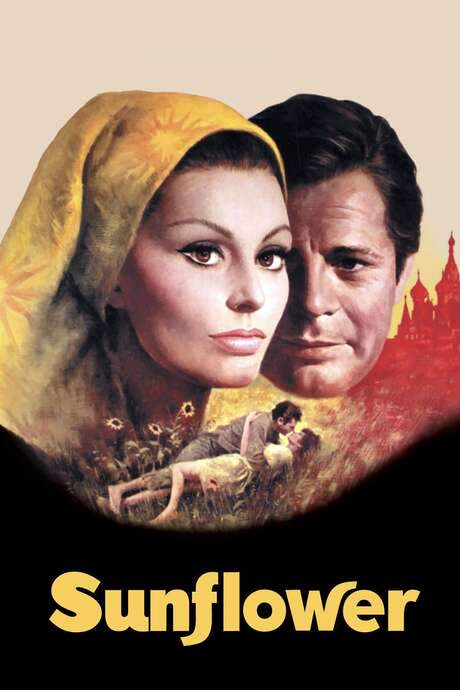
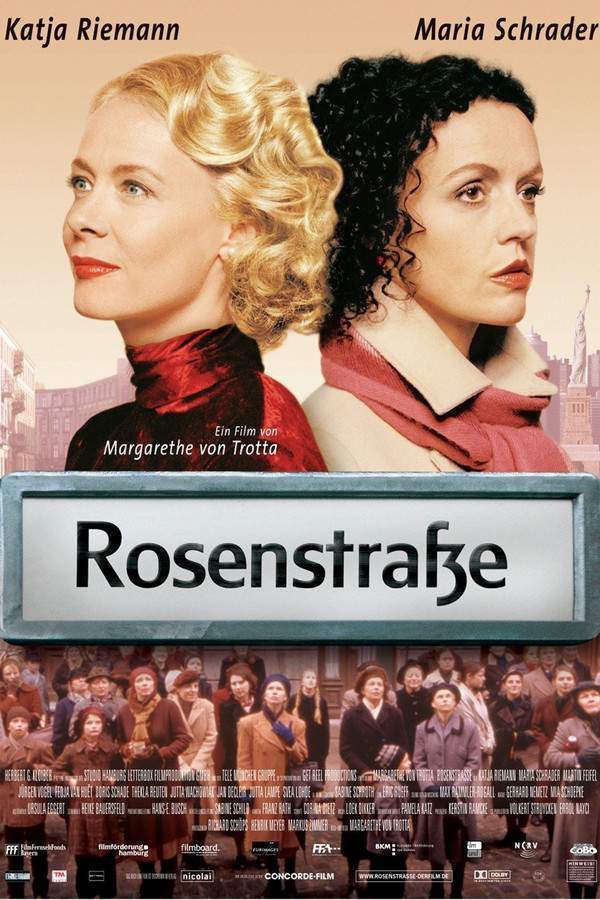
Slow burn suspicion and hidden identity mysteries like in My Neighbor Adolf

Slow-burn mysteries where a lone, haunted mind pieces together an elusive, devastating truth. Movies like My Neighbor Adolf for viewers who love quiet, character-driven mysteries about hidden identities and obsessive amateur investigations. Expect slow pacing, ambiguous clues, and a reflective tone where the real tension comes from a single suspicious mind piecing together an unsettling truth in an otherwise ordinary setting.

  • slow burn
  • suspicious
  • obsessive
  • contemplative
  • ambiguous clues
  • psychological
  • Tone: suspenseful, contemplative, melancholic
  • Pacing: slow burn, deliberate
Why these movies?

The story pattern: A reclusive or marginalized protagonist becomes convinced that someone close to them harbors a dark, concealed identity. Official channels dismiss them, so they investigate alone, gathering clues that are suggestive but never conclusive. A fragile relationship with the suspect develops as a means of gathering proof, blurring the line between obsession and genuine insight. The story tends to end ambiguously or bittersweetly, leaving the truth partially revealed and the investigator changed by the search itself.

Why they belong together: These films share a slow, deliberate pacing, moderate complexity built around an unreliable central conviction, and a mood of quiet suspicion rather than overt thriller mechanics. They use isolated or rural settings, daily rituals as narrative scaffolding, and heavy thematic undercurrents like trauma, guilt, persecution, and the long shadow of history. Tension is psychological and atmospheric, with bittersweet or melancholic resolutions that prioritize reflection over catharsis.

If you liked this

Movies Like My Neighbor Adolf

Similar movies to My Neighbor Adolf: the same genre, themes or kind of story. Each one comes with its own plot summary, timeline and ending explained.

Browse all movie summaries

Every angle

My Neighbor Adolf (2022) Explained: Plot, Timeline & Characters

Everything about My Neighbor Adolf in one place: what happens in the plot summary, the timeline in chronological order, the characters and meaning and a spoiler-free summary. What's After the Movie adds the cast, box office and post-credit scenes.

Coming soon on iOS and Android

The Plot Explained Movie Summary App

Plot summaries, endings explained and timelines on your phone. Catch up on any movie in minutes, save your favorites and never miss a twist again.

Be the first to know when we launch. Your email stays private, always.

Learn more about the app